2026 Diamond Disc Necklace Gift Guide: Occasions & Styles
Discover the perfect diamond disc necklace for every milestone. Our 2026 gift guide covers carat weights, metals, and occasion-matching tips.

The Enduring Appeal of the Diamond Disc Necklace
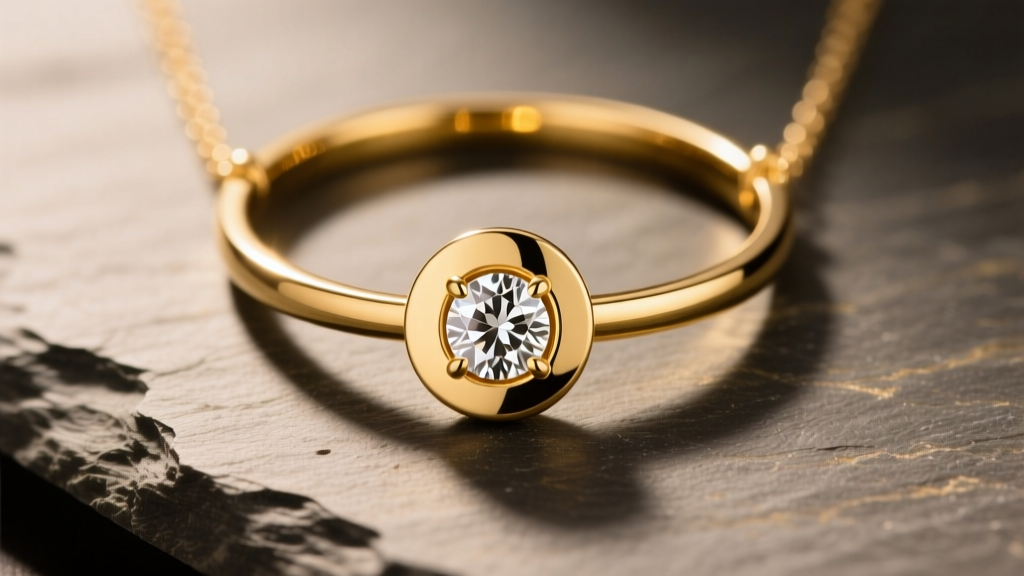
Few jewelry silhouettes have maintained their relevance quite like the diamond disc necklace. Striking the perfect balance between minimalist geometry and brilliant light performance, the disc pendant has evolved from a mid-century modernist staple into the ultimate versatile gifting choice for 2026. Whether you are shopping for a high school graduate, celebrating a tenth anniversary, or marking the arrival of a new baby, a diamond disc offers a sleek, wearable canvas that adapts to any personal style.
However, not all disc necklaces are created equal. The difference between a lackluster gift and a breathtaking heirloom lies in the nuances of diamond melee quality, precious metal tensile strength, and setting architecture. This comprehensive guide breaks down the exact specifications, pricing tiers, and occasion-matching strategies you need to make an informed purchase.
Decoding the Specs: Carat, Cut, and Metal Choices
When evaluating a diamond disc, the traditional 4Cs apply differently than they do for a solitaire engagement ring. Disc necklaces generally fall into two categories: single-stone bezel discs (one larger diamond encased in a metal rim) and pavé discs (a solid metal disc completely covered in tiny diamonds).
Pavé Discs and the Melee Diamond Factor
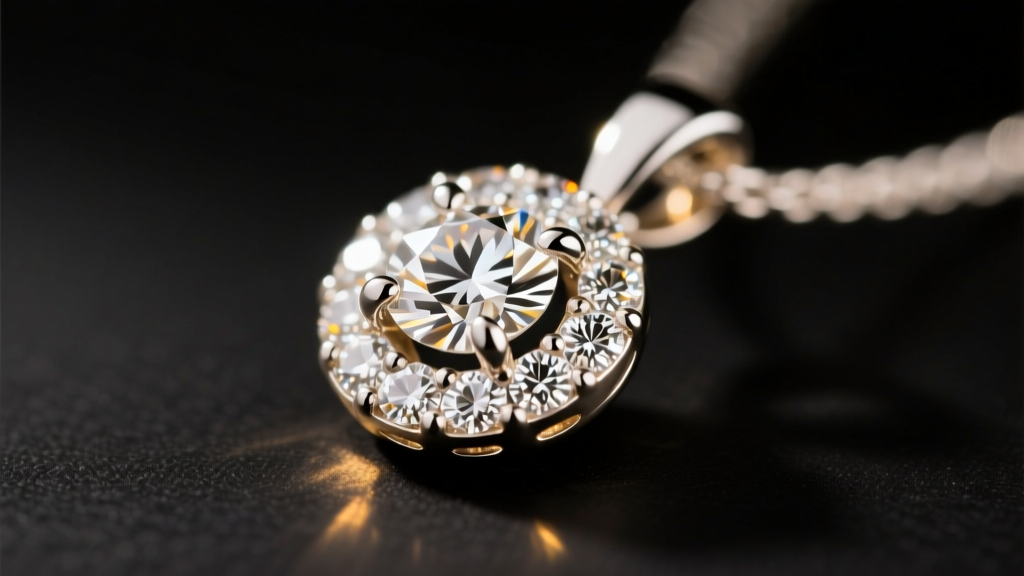
In a pavé diamond disc necklace, the stones used are known as 'melee' diamonds, typically weighing between 0.005 and 0.02 carats each. According to the Gemological Institute of America (GIA), the cut quality of melee diamonds is rarely graded on a formal certificate, but it drastically impacts the necklace's overall sparkle. When shopping, look for brands that explicitly state they use full-cut melee (featuring 57-58 facets) rather than single-cut melee (which only have 17-18 facets). Full-cut melee captures and reflects light much more effectively, preventing the disc from looking like flat, gray glass in low lighting.
Metal Karats and Durability
The metal choice dictates both the color profile and the structural integrity of the piece.
- 14k Gold (58.5% purity): The gold standard for everyday disc necklaces. It offers superior tensile strength, meaning the thin cable chains and delicate prongs holding the pavé diamonds are less likely to stretch or warp over time.
- 18k Gold (75% purity): Offers a richer, warmer yellow hue and a higher resale value, but is softer. Best reserved for single-stone bezel discs where the metal rim protects the diamond, rather than complex pavé settings.
- Platinum: Naturally white and incredibly dense. Platinum pavé discs require less rhodium plating maintenance than white gold, making them ideal for luxury-tier gifts meant to be worn 24/7.
Occasion Matching: Which Diamond Disc Fits the Milestone?
The beauty of the disc silhouette is its adaptability. By tweaking the setting style, metal color, and total carat weight (TCW), you can tailor the necklace to the exact emotional weight of the occasion.
Graduations & Career Milestones
For a college graduation or a first major promotion, the goal is understated elegance that transitions seamlessly from a corporate boardroom to weekend brunch. Opt for a single-stone bezel disc in 14k white or yellow gold. A bezel setting—where a thin rim of metal completely surrounds the diamond's girdle—protects the stone from chipping against zippers or desk edges. Aim for a TCW of 0.25ct to 0.40ct on a 16-inch chain. This size sits perfectly at the collarbone, offering a subtle flash of brilliance without overpowering professional attire.
Anniversaries & Romantic Gestures
Anniversaries call for maximum light performance and a touch of luxury. A halo pavé disc or a solid pavé diamond disc in 18k rose gold elevates the romantic sentiment. Rose gold's copper alloys complement a wider variety of skin tones and feel distinctly modern for 2026. Look for a TCW between 0.50ct and 0.85ct. If choosing a pavé disc, ensure the gallery (the underside of the pendant) features openwork or 'honeycomb' detailing, which allows light to enter the diamonds from the side, significantly boosting the scintillation.
Mother's Day & Push Presents
To commemorate the arrival of a child or celebrate Mother's Day, personalization is key. Many high-end jewelers now offer reversible diamond discs—one side features a solid pavé diamond face, while the reverse side is a flat, polished metal surface ready for custom engraving (such as a child's initial or birthdate). Alternatively, seek out a bezel disc that incorporates a tiny, flush-set birthstone accent next to the main diamond.
2026 Pricing Tiers & Brand Benchmarking
Understanding the market landscape prevents overpaying for subpar diamond clarity. Below is a benchmark table reflecting current 2026 retail pricing for authentic, natural, and lab-grown diamond disc necklaces.
| Tier | TCW / Specs | Metal | Price Range (2026) | Best For |
|---|---|---|---|---|
| Entry (Lab-Grown) | 0.25 - 0.50ct (VS Clarity) | 10k or 14k Gold | $350 - $650 | Sweet 16, Graduations |
| Mid (Natural) | 0.30 - 0.60ct (Full Cut Melee) | 14k Gold | $900 - $2,200 | Anniversaries, Birthdays |
| Luxury (Natural) | 1.00ct+ (VVS/VS, Bezel) | 18k Gold / Platinum | $3,800 - $8,500+ | Push Presents, Decade Milestones |
As noted by industry experts at Blue Nile, lab-grown diamonds have heavily disrupted the entry and mid-tier markets, allowing buyers to secure larger, higher-clarity stones for everyday wear without the luxury markup. However, for heirloom-level push presents, natural diamonds in platinum settings continue to hold their traditional prestige and resale value.
Chain Length & Clasp Mechanics: The Details That Matter
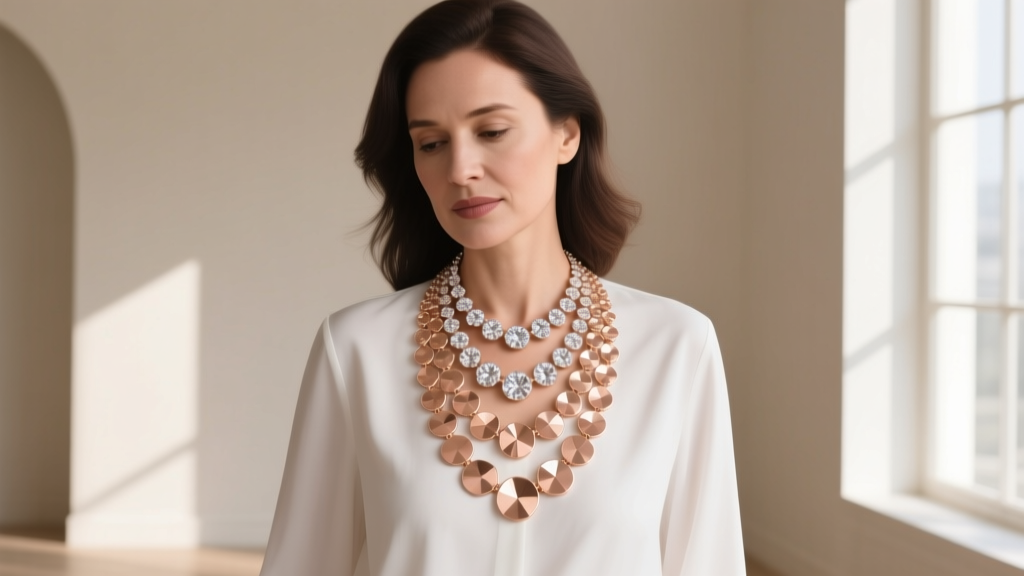
The pendant is only half the equation; the chain and clasp dictate how the necklace actually wears in real life. A common failure point in gifted jewelry is a fragile chain that snaps under the weight of a diamond disc.
Expert Tip: If the diamond disc pendant weighs more than 3 grams, avoid standard 0.9mm cable chains. Upgrade to a 1.2mm box chain or a reinforced wheat chain, which distribute the pendant's weight more evenly and resist kinking.
Furthermore, pay close attention to the clasp. Traditional spring-ring clasps are notoriously difficult to operate with one hand and are prone to snapping if caught on a sweater. For a premium gifting experience, look for necklaces equipped with a lobster claw clasp or, even better, a silicone-lined sliding bead clasp. The sliding bead allows the recipient to effortlessly adjust the chain length from 14 inches (choker style) to 18 inches (matinee length) without needing to visit a jeweler for resizing, making it an incredibly thoughtful feature for a surprise gift.
Expert Authentication & Buying Checklist
Before finalizing your purchase, run through this quick E-E-A-T checklist to ensure you are buying a high-quality piece:
- Hallmark Verification: Ensure the clasp tag or the jump ring connecting the pendant is stamped with a metal hallmark (e.g., '14K', '750', 'PT950') and a maker's mark.
- Prong Inspection: If buying a pavé disc, zoom in on the product photos. The tiny metal beads holding the melee diamonds should be uniform, smooth, and not overlapping the diamond's table (top facet).
- Return Policy: Gifting jewelry is inherently subjective. Only purchase from retailers offering a minimum 30-day, no-questions-asked return window, allowing the recipient to exchange the metal color or chain length if needed.
By focusing on the structural integrity of the setting, the faceting quality of the melee diamonds, and the practicality of the chain mechanics, you can select a diamond disc necklace that isn't just a beautiful object, but a durable, wearable milestone marker that will be cherished for decades.


