Diamond Horseshoe Necklace: Metal & Stone Grades Compared
Compare metals and diamond grades for your diamond horseshoe necklace. Discover how 14k gold, platinum, and lab stones impact durability and price.

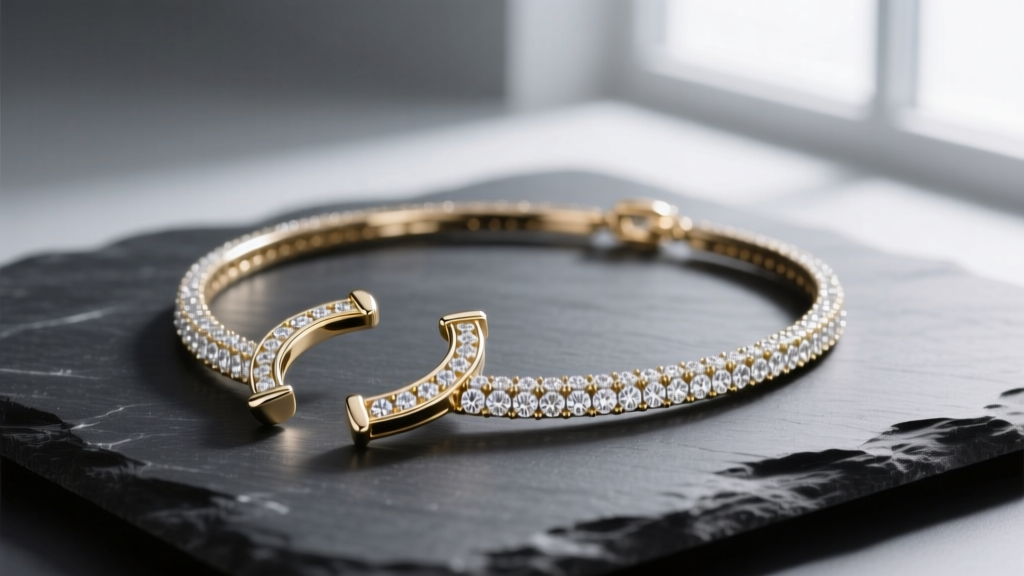
The Anatomy and Physics of a Diamond Horseshoe Necklace
The horseshoe motif has long been revered in fine jewelry as a talisman of luck and protection. However, from a metallurgical and gemological standpoint, the diamond horseshoe necklace presents a unique set of structural challenges that straight or circular pendants do not. The distinct U-shape creates a "bend zone" where lateral tension and compressive forces concentrate, particularly where the pendant attaches to the bail and along the bottom curve. When selecting the perfect piece, understanding how different precious metals and diamond melee grades interact with this specific geometry is critical for long-term durability and optical performance.
In 2026, the market for symbolic fine jewelry has expanded, offering consumers a wider array of material combinations than ever before. Whether you are investing in a delicate micro-pave piece or a chunky, bezel-set statement horseshoe, the interplay between the metal's Vickers hardness and the diamond setting style will dictate how well the necklace survives daily wear. This guide breaks down the exact material properties you need to consider before making your purchase.
Precious Metal Showdown: 14k vs. 18k Gold and Platinum
The metal you choose serves as the skeletal structure of your pendant. Because a horseshoe necklace experiences micro-flexing when it rests against the collarbone, the metal's tensile strength and scratch resistance are paramount.
14k Gold: The Durability Standard
Composed of 58.5% pure gold and 41.5% alloy metals (typically copper, zinc, and silver), 14k gold is the workhorse of everyday fine jewelry. It boasts a Vickers hardness (HV) of approximately 140-160, depending on the exact alloy mix. This increased hardness means the prongs holding the diamonds along the horseshoe's curve are less likely to bend or catch on clothing. For a diamond horseshoe necklace intended for 24/7 wear, 14k white or yellow gold offers the best resistance to the structural fatigue that can occur at the U-bend.
18k Gold: Rich Color, Softer Structure
With 75% pure gold, 18k gold offers a noticeably richer, warmer hue in yellow gold, and a brighter, more premium finish in white gold. However, its Vickers hardness drops to around 125-135. While perfectly suitable for fine jewelry, the softer prongs on an 18k gold horseshoe pendant may require annual check-ups to ensure the stones along the bottom curve remain secure, as this area experiences the most friction against the skin and garments.
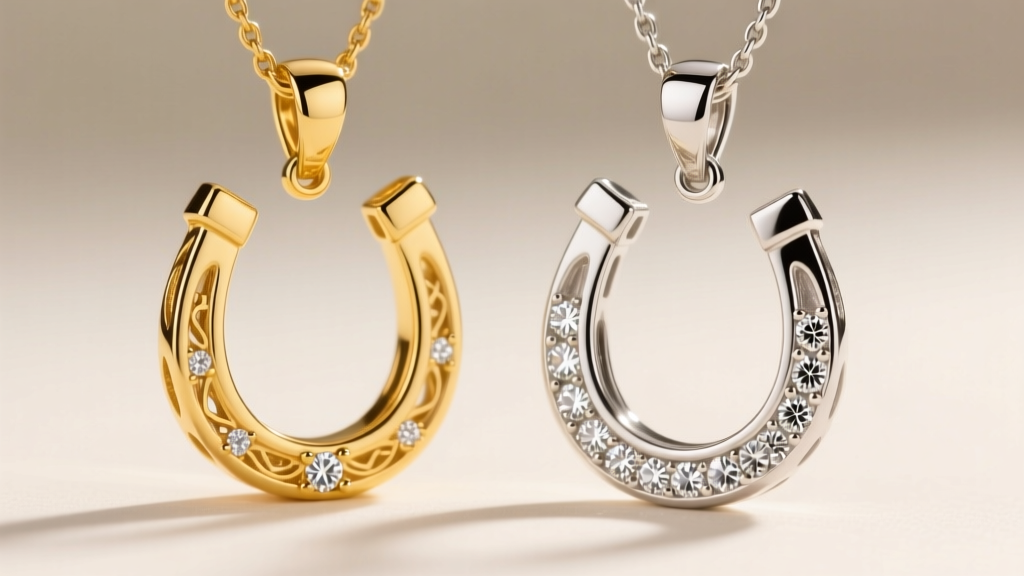
Platinum: The Ultimate Prong Protector
Platinum (usually alloyed to 90% or 95% purity with iridium or ruthenium) is denser and heavier than gold. Interestingly, platinum's Vickers hardness (around 110-125) is technically lower than 14k gold, but it possesses a unique property: malleability without material loss. When a platinum prong is scratched or bumped, the metal is merely displaced, not lost. According to Jewelers of America, this makes platinum the most secure metal for diamond settings over decades of wear. For a diamond horseshoe necklace, platinum ensures that the gallery wire and prongs along the high-tension curves will never wear away thin.
Diamond Quality: Navigating Melee Grades in Curved Settings
Most diamond horseshoe necklaces utilize "melee" diamonds—small stones ranging from 0.005 to 0.10 carats each—set closely together in a pave or bead setting. Because these stones are so small, traditional grading metrics shift in importance.
Color and Clarity: The Pave Sweet Spot
Do not overpay for D-color, VVS-clarity melee diamonds. In a micro-pave horseshoe setting, the metal reflection and the sheer density of the stones mask minor inclusions and slight color tints. The industry sweet spot for high-end pave is G-H color and VS2-SI1 clarity. This ensures the stones appear bright white against white gold or platinum, without the steep premium associated to top-tier collector grades.
Lab-Grown vs. Natural Melee in 2026
The lab-grown diamond market has seen massive price corrections and stabilizations by 2026. Lab-grown melee diamonds are now optically, chemically, and physically identical to natural mined melee, but they cost a fraction of the price. This price drop has allowed jewelers to prioritize cut quality over carat weight. A horseshoe necklace featuring lab-grown melee with "Excellent" or "Ideal" cut grades will outperform a natural melee piece with "Good" cut grades, as the precise facet alignment maximizes light return in these tiny stones.
| Material / Grade | Hardness / Durability | Approx. Base Price (0.50 ctw) | Best Use Case |
|---|---|---|---|
| 14k Yellow/White Gold | High (140-160 HV) | $650 - $900 | Active lifestyles, daily wear, high tension areas |
| 18k Yellow Gold | Medium (125-135 HV) | $850 - $1,200 | Rich color preference, occasional to regular wear |
| 950 Platinum | High Density / Secure | $1,100 - $1,600 | Heirloom pieces, maximum prong security, white metal lovers |
| Natural Melee (G-H, VS2) | 10 (Mohs Scale) | +$400 premium | Traditionalists, value retention focused buyers |
| Lab-Grown Melee (G-H, VS2) | 10 (Mohs Scale) | +$50 - $150 premium | Budget-conscious buyers prioritizing superior cut quality |
Prong Settings and Structural Integrity on the U-Curve
The most critical, yet frequently overlooked, aspect of a diamond horseshoe necklace is how the diamonds are secured along the inner and outer curves. According to gemological guidelines outlined by the Gemological Institute of America (GIA), the setting style must accommodate the geometry of the metal.
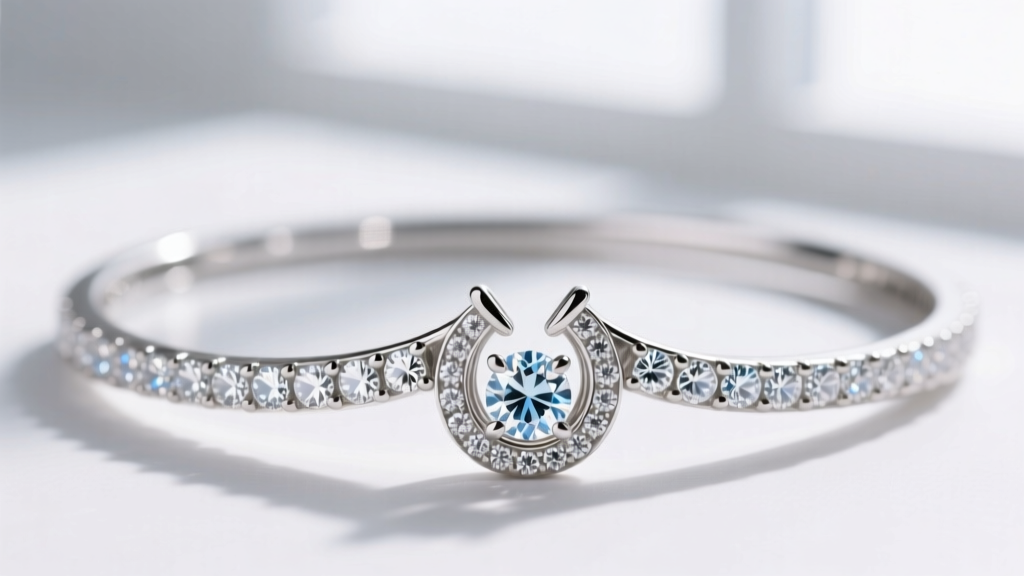
Shared Prong vs. Bright-Cut Bead Settings
Shared Prong Settings use minimal metal to separate the diamonds, allowing maximum light exposure. However, on the outer curve of the horseshoe, the metal is under constant tension. If the pendant is bumped, shared prongs on the outer edge are more susceptible to pulling away from the diamond girdles.
Bright-Cut (Bead) Settings, where diamonds are pushed into the metal and secured by small beads of gold or platinum raised from the gallery wire, are vastly superior for the structural integrity of a U-shaped pendant. The metal acts as a continuous protective wall, absorbing shock and preventing the diamonds from popping out if the horseshoe shape is slightly compressed.
Care, Maintenance, and Real-World Troubleshooting
To maintain the brilliance and structural safety of your necklace, avoid ultrasonic cleaners. The high-frequency vibrations can easily loosen the tiny melee diamonds, especially along the stress points of the horseshoe curve. Instead, use a soft-bristled brush with warm water and a drop of mild dish soap. If you own a white gold horseshoe necklace, expect to have it rhodium-plated every 12 to 18 months to maintain its stark white appearance, as the natural yellowish tint of white gold alloys will eventually show through on the high-friction bottom curve.
Final Verdict: Choosing Your Perfect Combination
When investing in a diamond horseshoe necklace, prioritize structural geometry over sheer carat weight. For an heirloom-quality piece that will survive generations of daily wear, a 950 platinum pendant with a bright-cut bead setting and lab-grown melee diamonds (G-H, VS2) offers the ultimate blend of unyielding security, modern ethical sourcing, and brilliant light performance. If you prefer a warmer aesthetic and a lighter price point, 14k yellow gold provides the necessary hardness to keep the U-shape rigid and the diamonds secure for years of active, everyday wear.


