How to Choose the Perfect Diamond J Necklace: A Guide
Discover how to choose the perfect diamond J necklace. Learn about diamond grades, chain styles, and pricing in our beginner-friendly buying guide.

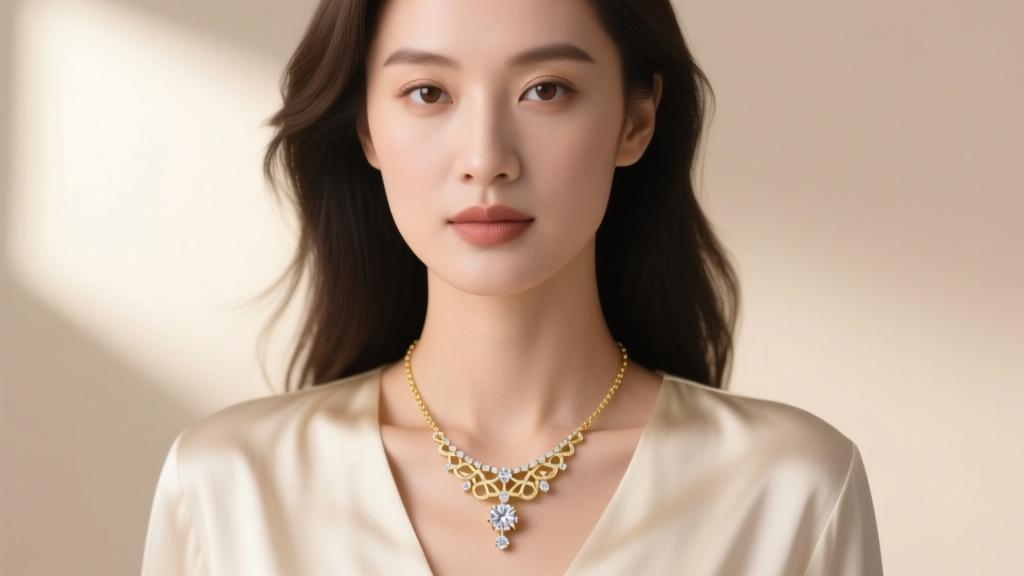
The Appeal of the Personalized Initial Pendant
Initial jewelry has transcended fleeting trends to become a permanent staple in fine jewelry collections. Among the alphabet, the letter 'J' holds a special place, often representing names like James, Jasmine, or Jessica, or simply serving as a meaningful personal monogram. However, purchasing a diamond j necklace requires more than just picking a pretty font. As a beginner stepping into the world of fine jewelry, understanding the nuances of melee diamonds, metal durability, and structural integrity will ensure your investment lasts a lifetime. This comprehensive guide breaks down everything you need to know before making your purchase.
The Structural Anatomy of the Letter 'J'
From an engineering perspective, the letter 'J' presents a unique challenge in jewelry design. Unlike symmetrical letters like 'O' or 'A', the 'J' features a long, unsupported vertical stem and a curved bottom hook. This asymmetry creates a stress point at the curve. If the pendant is bumped against a hard surface, the impact can loosen the tiny prongs holding the diamonds.
When shopping for a diamond j necklace, examine the backing of the pendant. High-quality manufacturers use a solid metal backplate or a reinforced gallery wire beneath the curve to absorb shock. Avoid hollow-backed pendants, as they are prone to denting and diamond loss. Additionally, look for a bail (the loop that connects the pendant to the chain) that is soldered shut rather than simply bent into shape, ensuring the pendant won't slip off during daily wear.
Decoding Diamond Quality in Letter Pendants
Letter necklaces rarely feature large, solitaire diamonds. Instead, they utilize 'melee' diamonds—small stones typically weighing under 0.15 carats each. According to the Gemological Institute of America (GIA), melee diamonds are usually sold in parcels and do not come with individual grading reports. However, this doesn't mean you should accept poor quality.
Full Cut vs. Single Cut Melee
This is the most critical, yet overlooked, factor in initial pendants. 'Single cut' melee diamonds have only 17 or 18 facets, resulting in a glassy, flat appearance. 'Full cut' melee diamonds have the standard 57 or 58 facets of a round brilliant diamond, delivering exceptional fire and brilliance. Always ask the jeweler if their diamond j necklace features full-cut melee. The price difference is negligible, but the visual impact is massive.
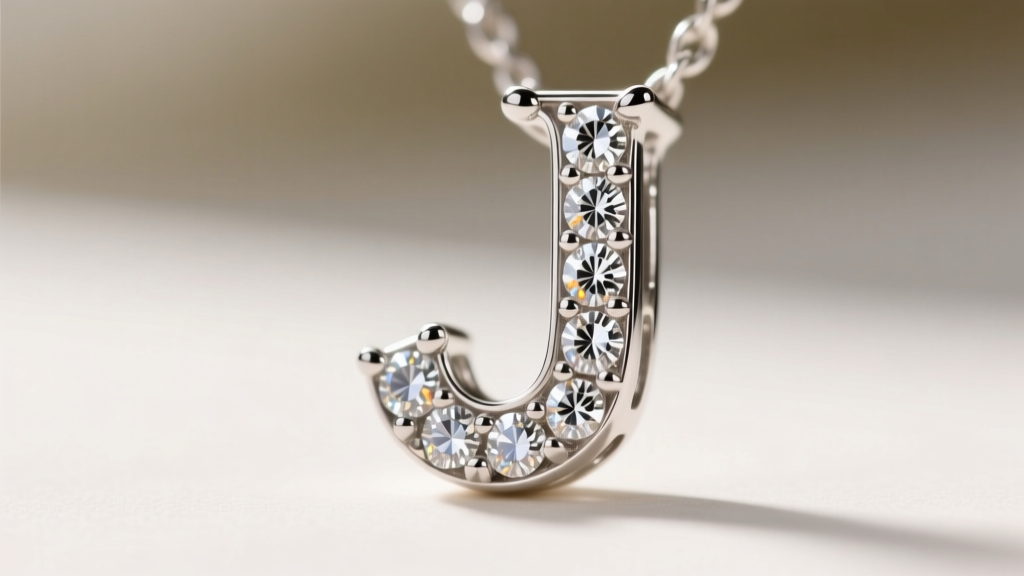
Color and Clarity Sweet Spots
Because melee diamonds are so small, inclusions are virtually invisible to the naked eye. Paying a premium for VVS (Very Very Slightly Included) clarity is a waste of money. An SI1 or SI2 clarity grade is perfectly acceptable. Similarly, a color grade of G or H (near-colorless) will face up completely white once set in metal, saving you 20% to 30% compared to D or F color grades.
Prong vs. Bezel Settings: Which is Right for You?
The way the diamonds are secured dramatically alters both the aesthetics and the maintenance requirements of your necklace.
- Micro-Pave / Prong Setting: Tiny metal beads or prongs hold the diamonds close together, maximizing the diamond surface area and creating a continuous ribbon of sparkle. However, prongs can snag on knitwear and require annual professional check-ups to ensure the stones remain secure.
- Bezel Setting: A thin rim of metal surrounds each diamond or the entire outline of the 'J'. While this sacrifices about 15% of the diamond's light return, it offers superior protection. A bezel-set diamond j necklace is highly recommended for active individuals or those who plan to wear the piece 24/7.
Metal Choices and Chain Durability
The chain is just as important as the pendant. A heavy diamond 'J' pendant will quickly snap a delicate 0.5mm chain. For optimal balance and security, look for a chain thickness between 0.9mm and 1.2mm. Box chains and cable chains are the most durable options for daily wear.
| Metal Type | Durability | Maintenance Level | Best For |
|---|---|---|---|
| 14k Yellow Gold | High | Low | Warm skin tones, vintage aesthetics |
| 14k White Gold | High | Medium (Requires rhodium plating) | Modern, sleek looks, maximizing diamond whiteness |
| 18k Rose Gold | Medium-High | Low | Romantic styling, unique contrast with white diamonds |
| Platinum | Very High | Medium (Develops a patina) | Hypoallergenic needs, heirloom-quality longevity |
Pricing Breakdown: What Should You Expect to Pay?
The cost of a diamond j necklace varies wildly based on total carat weight (TCW), metal choice, and whether the diamonds are natural or lab-grown. Here is a realistic pricing framework for 2026:
1. The Accessible Tier ($250 - $500)
In this range, you will typically find lab-grown diamonds with a TCW of 0.10 to 0.20 carats, set in 10k or 14k gold. The 'J' will be relatively small (around 10mm to 12mm in height). This is an excellent entry point for everyday, worry-free wear.
2. The Mid-Range Standard ($600 - $1,200)
This is the sweet spot for fine jewelry. Expect natural, ethically sourced diamonds (or premium lab-grown) with a TCW of 0.25 to 0.40 carats, set in solid 14k gold. The pendant size will be a versatile 14mm to 16mm, featuring full-cut melee with excellent brilliance.
3. The Luxury Statement ($1,500 - $3,000+)
Luxury pieces feature a TCW of 0.50 to over 1.00 carats, often utilizing 18k gold or platinum. These pendants are larger (18mm+), feature intricate double-halo designs or hidden diamond accents on the bail, and come with meticulous, hand-crafted pave work.
How to Style and Layer Your Initial Pendant
A diamond j necklace is incredibly versatile, but mastering the art of layering elevates it from a simple accessory to a curated style statement. The golden rule of layering is to maintain a minimum two-inch gap between chains to prevent tangling.
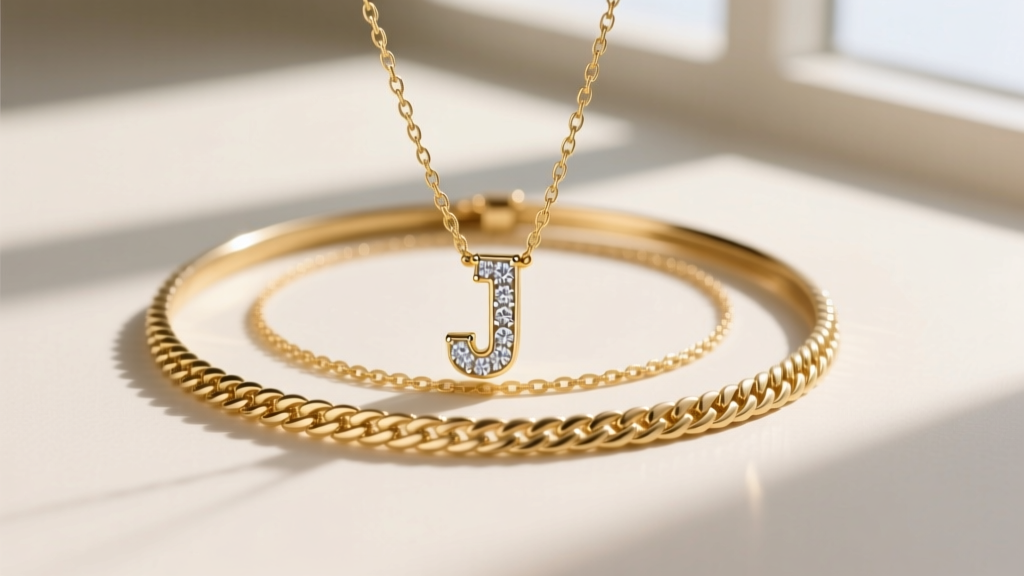
- The Minimalist Stack: Pair your 16-inch diamond 'J' pendant with a 14-inch solid gold herringbone or snake chain choker. The contrast between the sparkling pave and the smooth, liquid-like metal is visually striking.
- The Textured Trio: Combine the 'J' necklace with a 18-inch paperclip link chain and a 20-inch rope chain. Add a small pearl or gemstone drop to the middle chain to break up the gold and diamond monotony.
- Neckline Pairings: For V-neck blouses, a 16-inch or 18-inch chain perfectly mirrors the garment's lines. For crew necks and turtlenecks, opt for a longer 20-inch to 22-inch chain so the pendant rests visibly on the fabric rather than hiding under the collar.
Care and Maintenance Protocols
Because micro-pave settings feature dozens of tiny stones, dirt, lotion, and oils can quickly accumulate beneath the gallery, dulling the diamonds' sparkle. As recommended by the GIA's diamond care guidelines, regular at-home cleaning is essential.
Mix a few drops of mild, ammonia-free dish soap in a bowl of lukewarm water. Let the necklace soak for 15 minutes. Use a baby toothbrush with ultra-soft bristles to gently sweep the back of the 'J' pendant, dislodging trapped debris. Rinse thoroughly under lukewarm water and pat dry with a lint-free microfiber cloth.
Crucial Warning: Never use ultrasonic cleaners on micro-pave initial pendants. The high-frequency vibrations can easily shake the tiny melee diamonds loose from their prongs, resulting in lost stones. Stick to manual, gentle cleaning to preserve the integrity of your necklace for years to come.


