What The Diamond Necklace Author Missed About Diamond Care
Discover what the diamond necklace author missed about jewelry maintenance. Learn expert cleaning, prong care, and authentication tips for diamond pendants.

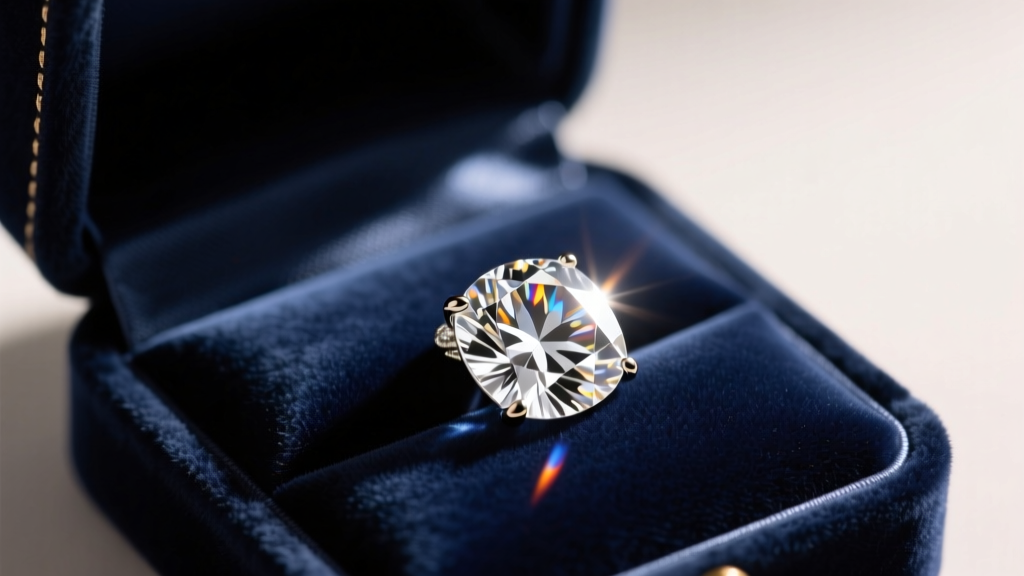
Guy de Maupassant, widely celebrated as the diamond necklace author for his seminal 1884 short story The Necklace (La Parure), penned a masterpiece of literary irony. In his tale, Mathilde Loisel borrows what she believes to be a priceless diamond necklace, loses it, and sacrifices a decade of her life in crushing poverty to replace it—only to discover the original was mere paste (fake glass). While Maupassant used the necklace as a vehicle to critique societal vanity and class deception, modern jewelry professionals view the story as a catastrophic failure of authentication, security, and maintenance.
If Mathilde had applied modern 2026 gemological standards and basic jewelry care protocols, she would have immediately identified the necklace as costume jewelry, secured the clasp to prevent loss, and avoided financial ruin. As specialists in necklace and pendant maintenance, we use Maupassant’s cautionary tale as a framework for preserving your genuine diamond necklaces. Here is what the diamond necklace author didn't know about securing, authenticating, and cleaning diamond pendants.
The "Mathilde Loisel" Clasp Check: Securing Your Diamond Pendant
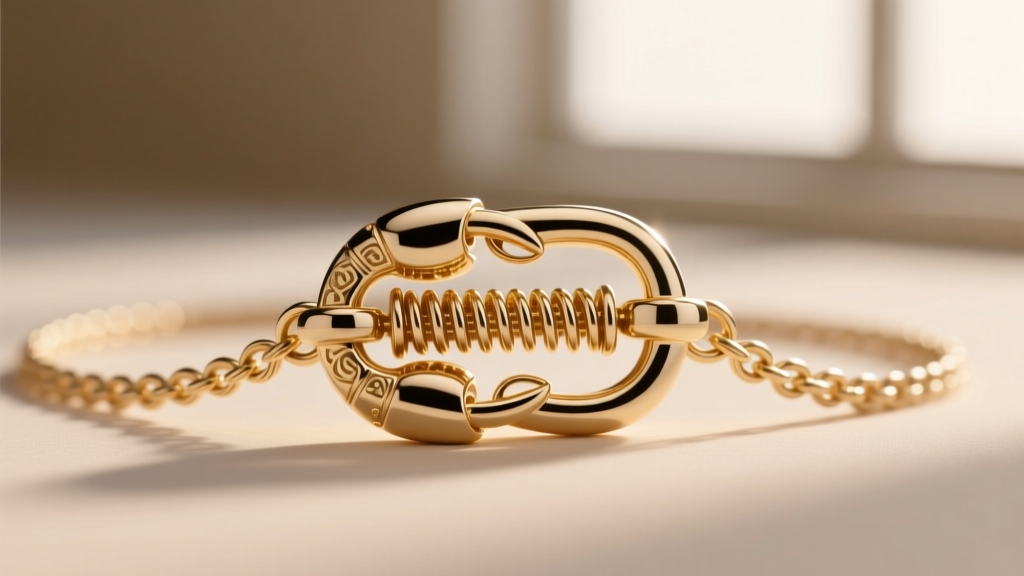
Mathilde lost her borrowed necklace likely due to a failed clasp mechanism, a common point of failure for delicate chain necklaces. When suspending a heavy diamond pendant (typically 2 to 5 grams) on a fine chain, the clasp bears the brunt of the kinetic stress.
Evaluating Clasp Integrity
- Spring Ring Clasps: Common on chains under $500, these rely on a tiny internal steel spring. They are prone to failure after approximately 1,000 open-close cycles or if exposed to heat.
- Lobster Clasps: The industry standard for medium-weight pendants. Ensure the lever snaps back with a crisp, audible click. If the lever feels spongy, the internal spring is fatigued and requires immediate replacement (a $15-$25 bench repair).
- Fold-Over Safety Clasps: Mandatory for diamond tennis necklaces or pendants exceeding 5 grams. These feature a hinged box mechanism with a secondary figure-eight safety wire.
Pro Tip: Always attach your pendant to the chain before putting the necklace on, and ensure the pendant's bail (the loop connecting it to the chain) is smoothly polished. A rough bail interior acts like a saw, slowly cutting through the chain links over time.
Authenticating Your Diamonds: Avoiding the "Paste" Trap
The crux of Maupassant’s story hinges on the fact that Mathilde could not distinguish between genuine diamonds and paste (lead glass). Today, the simulant market is vastly more complex, featuring high-index glass, cubic zirconia (CZ), and lab-grown moissanite. Relying on the naked eye or the outdated "glass scratch test" is not only inaccurate but can severely damage your jewelry.
Modern Verification Protocols
According to the Gemological Institute of America (GIA), definitive identification requires analyzing a stone's optical and physical properties. If you are purchasing a vintage diamond pendant or verifying an heirloom, look for a laser-inscribed GIA report number on the diamond's girdle, visible under 20x magnification.
| Material | Refractive Index (RI) | Thermal Conductivity | Electrical Conductivity |
|---|---|---|---|
| Natural Diamond | 2.417 | Very High | Insulator (mostly) |
| Moissanite | 2.65 - 2.69 | High | Conductor |
| Cubic Zirconia | 2.15 - 2.18 | Low | Insulator |
| Paste (Lead Glass) | 1.50 - 1.70 | Very Low | Insulator |
To test at home, use a dual-tester device that measures both thermal and electrical conductivity. Moissanite will fool a standard thermal diamond tester, but its electrical conductivity will immediately expose it on a dual-tester.
Prong Wear and Tear: The Silent Thief of Stones
A diamond pendant rests against the collarbone, subjecting it to constant friction from clothing, skin oils, and accidental snags. The prongs securing your diamond are the only barrier between your stone and the floor.
Metallurgy of Prong Durability
Not all prongs are created equal. The lifespan of your setting depends heavily on the metal alloy:
- 14k White Gold: Contains 41.5% alloy metals (often nickel, zinc, and copper). While hard, it is susceptible to abrasion. Prongs in 14k white gold typically require retipping every 5 to 7 years. Furthermore, the rhodium plating used to give it a bright white finish wears off in 12 to 18 months, revealing the yellowish underlying alloy.
- 18k Yellow Gold: Softer and more malleable. Prongs can bend easily if snagged on a sweater, requiring bi-annual professional tightening.
- 950 Platinum: The gold standard for diamond security. Platinum is incredibly dense and possesses a unique property: when scratched or bent, the metal displaces rather than flakes away. Platinum prongs can last 15 to 20 years before needing retipping, making it the superior choice for high-value solitaire pendants.
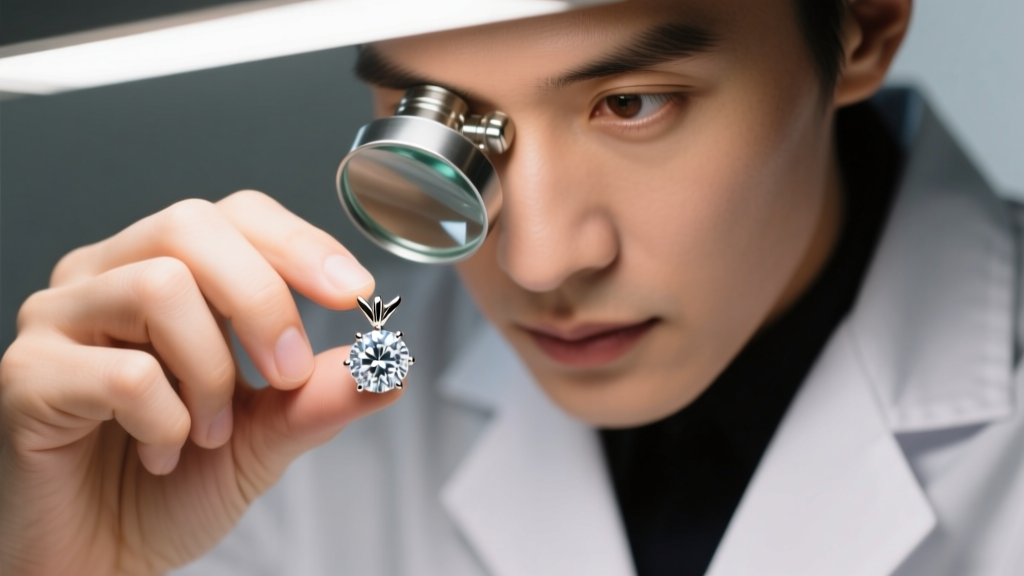
Have a Jewelers of America certified bench jeweler inspect your pendant prongs with a 10x loupe at least once a year. If you see a flat spot on the tip of a prong, it has lost its structural grip on the diamond's crown.
Ultrasonic vs. Steam: Professional Cleaning Protocols
Diamonds are lipophilic, meaning they naturally attract and hold onto oils, sebum, and cosmetics. A dirty diamond pendant can lose up to 40% of its brilliance and light return. While professional cleaning is ideal, understanding the chemistry of home maintenance is crucial.
The Chemistry of Safe Home Cleaning
Never use chlorine bleach (sodium hypochlorite) or toothpaste on your diamond necklace. Chlorine attacks the copper and zinc alloys in 14k and 18k gold, causing microscopic stress corrosion cracking that can eventually shatter the chain or prongs. Toothpaste contains abrasive silica particles that will scratch the gold setting and dull the polish.
The Ideal Home Solution: Mix warm distilled water with three drops of a mild, ammonia-free dish soap (which contains gentle surfactants like sodium lauryl sulfate to break down lipid bonds). Soak the pendant for 15 minutes, then gently agitate the underside of the diamond with an extra-soft baby toothbrush (0.12mm bristles). Rinse with distilled water to prevent hard water spot deposits.
A Warning on Ultrasonic Cleaners
Ultrasonic cleaners use 40,000 Hz (40 kHz) sound waves to create cavitation bubbles that implode, blasting dirt from microscopic crevices. However, you must never place fracture-filled (clarity-enhanced) diamonds in an ultrasonic cleaner. The high-frequency vibrations and heat can melt the glass-like filler or cause the diamond to fracture entirely along its internal fault lines. Always verify your diamond's treatment status via its grading report before utilizing ultrasonic technology.
"A well-maintained diamond pendant is not just an accessory; it is an heirloom in transit. Routine prong checks and proper surfactant cleaning ensure the stone remains secure and optically flawless for generations."
By applying these rigorous, science-backed maintenance protocols, you ensure that your diamond necklace remains a source of joy and brilliance, rather than a cautionary tale worthy of Maupassant's pen.


