How Much Is a Diamond Necklace in 2026? Pricing Guide & Buying Tips
Discover how much a diamond necklace costs in 2026. We break down pricing by carat, cut, and setting, plus lab-grown vs. natural values.

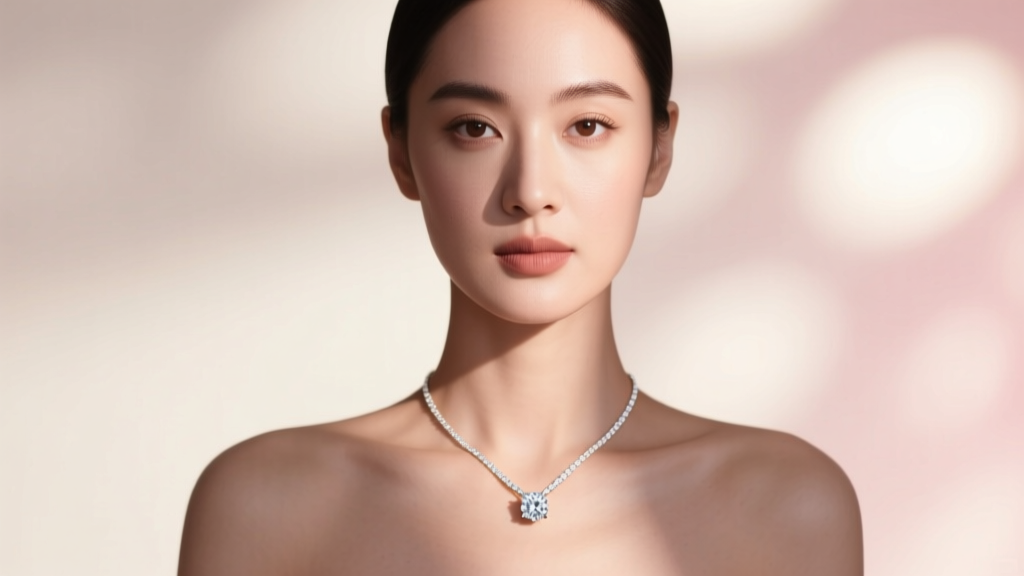
The Real Cost of Diamond Necklaces: 2026 Market Breakdown
When consumers ask, "how much is a diamond necklace?", the answer is rarely a single number. The price of a diamond necklace in 2026 is dictated by a complex matrix of gemological quality, precious metal markets, and the origin of the stone. Over the past few years, the jewelry industry has experienced a seismic shift. The mass adoption and subsequent price stabilization of lab-grown diamonds have fundamentally altered the pricing landscape, making high-carat luxury accessible at a fraction of historical costs. However, natural diamonds retain a distinct market position, driven by rarity and collector demand.
Whether you are shopping for a delicate 0.25-carat solitaire pendant or a heavy 5-carat tennis necklace, understanding where your money goes is the first step in making a smart purchase. This guide strips away the retail markup confusion and provides a transparent, data-driven look at what you should actually be paying for a diamond necklace today.
Price Ranges by Diamond Weight and Quality
To give you a realistic baseline, the table below outlines the average retail pricing for diamond necklaces in 2026. These estimates assume a high-quality baseline: VS1 Clarity and G Color (near-colorless, eye-clean), set in 14k or 18k gold. Prices fluctuate based on the retailer, but these ranges represent the fair market value for well-cut stones.
| Total Carat Weight (TCW) | Natural Diamond (VS1 / G) | Lab-Grown Diamond (VS1 / G) | Common Necklace Style |
|---|---|---|---|
| 0.25 ct | $800 - $1,200 | $250 - $400 | Solitaire Pendant |
| 0.50 ct | $1,800 - $2,500 | $450 - $700 | Solitaire / Halo Pendant |
| 1.00 ct | $4,500 - $7,000 | $800 - $1,200 | Solitaire / Bezel Pendant |
| 2.00 ct | $12,000 - $18,000 | $2,500 - $4,000 | 3-Stone / Small Tennis |
| 5.00 ct+ | $35,000 - $60,000+ | $6,000 - $9,000 | Full Tennis Necklace |
Note: Total Carat Weight (TCW) refers to the combined weight of all diamonds in the piece. A 2.00 ct TCW tennis necklace features many small diamonds, which are cheaper per carat than a single 2.00 ct solitaire diamond.
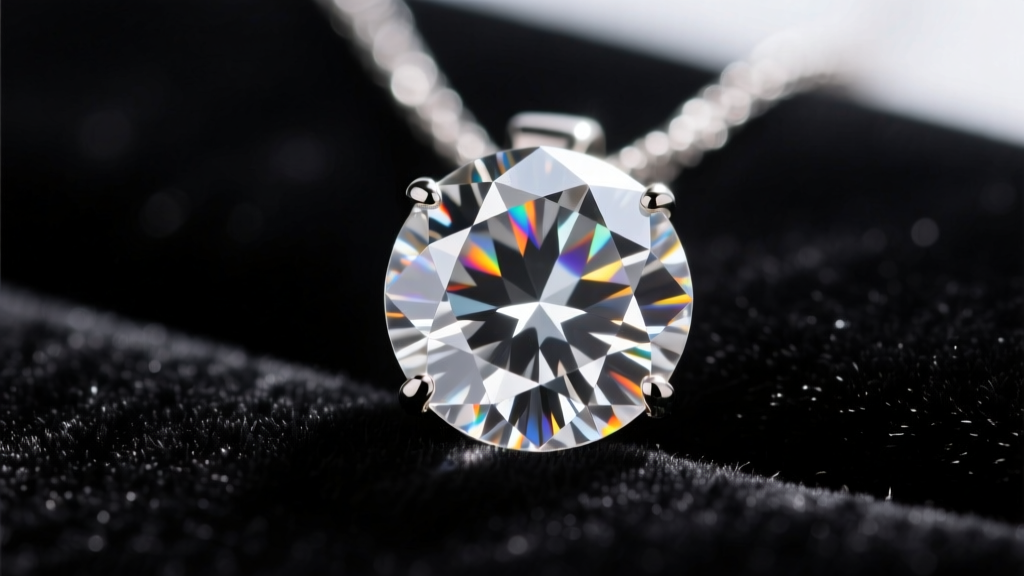
How the 4Cs Dictate Your Final Price
The Gemological Institute of America (GIA) established the 4Cs (Cut, Color, Clarity, Carat) as the universal standard for diamond grading. When determining how much a diamond necklace costs, these four variables act as multipliers on the base price.
Cut: The Non-Negotiable Factor
Cut is the only human-controlled element of the 4Cs, and it dictates a diamond's brilliance, fire, and scintillation. A poorly cut 1-carat diamond will look dull and lifeless, regardless of its color or clarity. Never compromise on cut. For round brilliant solitaires, insist on an "Excellent" or "Ideal" cut grade. A diamond with an excellent cut can cost 15% to 25% more than a "Good" cut diamond of the exact same carat weight, but the visual difference is staggering. Fancy shapes (oval, pear, cushion) do not receive an official cut grade from the GIA, so you must evaluate their light performance visually or via ASET/Idealscope images.
Color and Clarity: Where You Can Save
While cut is non-negotiable, color and clarity offer significant opportunities for budget optimization without sacrificing visual beauty.
- Color: For white gold or platinum settings, a G or H color diamond appears completely colorless to the naked eye but costs up to 30% less than a D or E color stone. For yellow or rose gold settings, you can safely drop to I or J color, as the warm metal masks slight yellow tints.
- Clarity: You do not need a flawless (FL) diamond for a necklace, which sits further from the eye than an engagement ring. VS2 or SI1 clarity grades are typically "eye-clean," meaning inclusions are invisible without 10x magnification. Choosing an SI1 over a VVS1 can save you thousands of dollars on a 1-carat pendant.
Chain and Setting Materials: Hidden Cost Drivers
The diamond is the star, but the metalwork is the skeleton. A cheap chain will ruin an expensive pendant, both aesthetically and functionally. The choice of metal and clasp mechanism heavily influences the final price and longevity of the necklace.
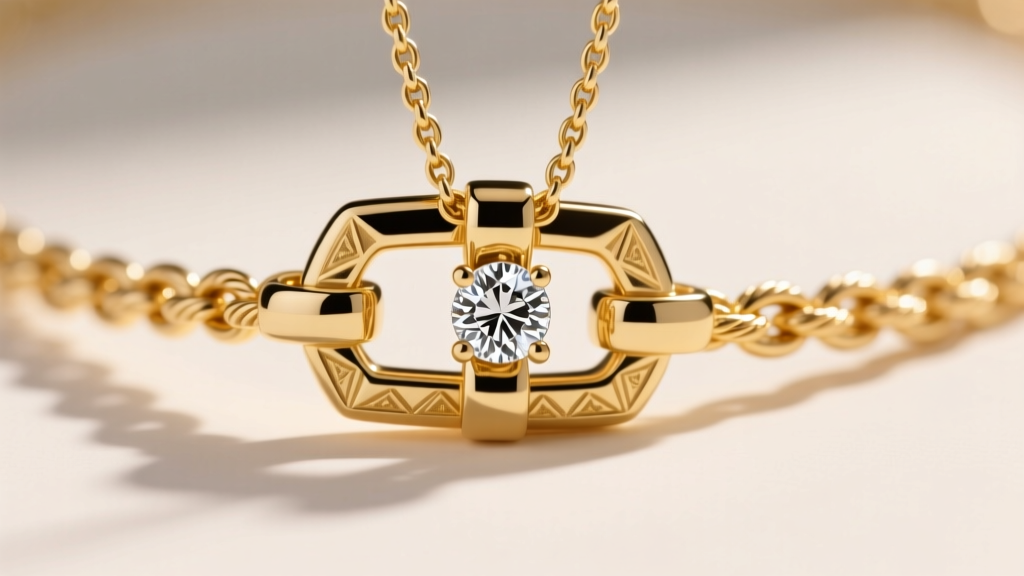
Precious Metal Pricing Hierarchy
The metal holding your diamond accounts for a significant portion of the cost, especially in heavier tennis necklaces or intricate halo settings.
- Platinum: The most expensive and durable option. It is naturally white, hypoallergenic, and incredibly dense. Expect to pay a 40% to 60% premium over gold for platinum settings.
- 18k Gold (75% pure): Rich in color and highly valued, but slightly softer than 14k. Ideal for high-end solitaire pendants where prong security is regularly checked.
- 14k Gold (58.3% pure): The sweet spot for everyday durability and affordability. It resists scratching and bending better than 18k gold, making it the best choice for delicate chains.
Failure Modes: Clasps and Chain Gauges
A common failure mode in diamond necklaces is not the diamond falling out, but the chain snapping or the clasp failing. Avoid spring-ring clasps on any diamond necklace over 0.50 carats; the internal tension springs degrade over time, leading to accidental loss. Always upgrade to a lobster clasp or a hidden box clasp with a figure-eight safety catch. Furthermore, avoid cable chains thinner than 1.0mm. For pendants over 1 carat, opt for a 1.2mm to 1.5mm rope, box, or wheat chain to support the weight without stretching the links.
Natural vs. Lab-Grown: The Value Proposition
In 2026, the debate between natural and lab-grown diamonds is no longer about quality—both are chemically, physically, and optically identical carbon crystals. The difference lies entirely in market dynamics, pricing, and resale value.
Expert Insight: Lab-grown diamonds are a triumph of technology and offer unparalleled value for buyers prioritizing size and quality on a budget. However, they are a depreciating consumer good. While natural diamonds also lose value the moment they leave the retail store, they retain a baseline resale value tied to global rarity. Lab-grown diamonds currently have near-zero secondary market resale value.
According to the Federal Trade Commission (FTC) Jewelry Guides, retailers must clearly disclose the origin of the stone. If you choose lab-grown, ensure the diamond comes with a grading report from a reputable lab like IGI or GIA, and verify that the invoice explicitly states "laboratory-grown" to protect yourself against misrepresentation.
Red Flags When Shopping for Diamond Necklaces
The jewelry market is rife with misleading terminology and treated stones that artificially inflate prices. Protect your investment by watching out for these critical red flags:
- Clarity-Enhanced (Fracture-Filled) Diamonds: These are heavily included diamonds that have been injected with a glass-like resin to hide flaws. While they look better to the naked eye, they are highly unstable. Failure Mode: If you wear a fracture-filled diamond necklace in a hot tub, or if a jeweler cleans it in an ultrasonic machine, the filling can melt or shatter, destroying the stone.
- "Diamond Dust" or "Chips": Often used in cluster necklaces, these terms refer to single-cut melee diamonds (usually under 0.02 carats) with only 17 or 18 facets instead of the standard 57/58. They lack brilliance and are essentially industrial-grade stones. Always look for "full-cut melee."
- Vague Grading Reports: If a retailer cannot provide a grading report from GIA, AGS, IGI, or GCAL, walk away. In-house "certificates" or "appraisals" are marketing tools, not objective scientific documents.
Final Verdict: Budgeting for Your Perfect Piece
So, how much is a diamond necklace? It is exactly what you are willing to allocate toward the intersection of carat weight, optical performance, and metal security. If your budget is under $1,000, a 0.50ct lab-grown solitaire in a 14k gold bezel setting offers incredible durability and brilliance. If your budget exceeds $5,000, you can comfortably secure a stunning 1.00ct natural diamond with excellent light performance, provided you prioritize cut over flawless clarity.
Ultimately, a diamond necklace is an enduring piece of personal expression. By understanding the granular details of pricing, metalwork, and gemological grading, you can navigate the 2026 market with confidence, ensuring every dollar spent translates directly to visible beauty and lasting quality.


