Navigating The 2026 Diamond Necklace Scene: A Technical Guide
Explore the 2026 diamond necklace scene with our expert technical guide covering lab-grown vs natural specs, chain metallurgy, and setting durability.

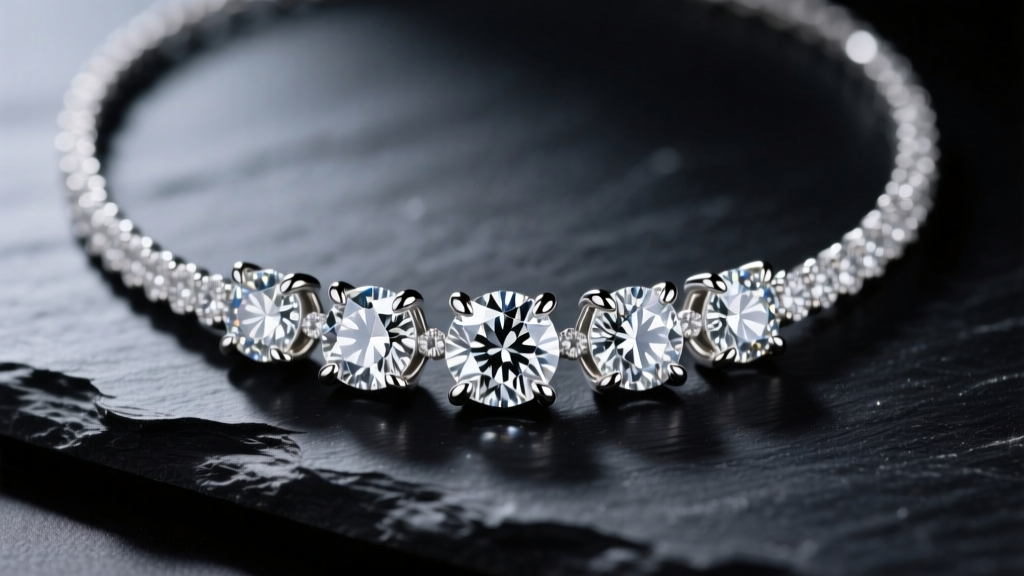
The Paradigm Shift in the Diamond Necklace Scene
The modern diamond necklace scene in 2026 is defined by a rigorous intersection of advanced gemological synthesis, precision metallurgy, and structural engineering. Gone are the days when consumers and jewelers alike focused solely on the traditional Four Cs. Today, navigating the market requires a granular understanding of post-growth annealing processes, chain alloy compositions, and the micro-mechanics of prong tension. Whether you are evaluating a 10-carat total weight (TCW) tennis necklace or a solitary bezel-set pendant, the technical specifications dictate not just the aesthetic brilliance, but the long-term structural integrity and value retention of the piece. This deep dive explores the exact engineering and material science driving the current diamond necklace scene.
Metallurgy and Chain Architecture: What Holds the Stones?
The foundation of any high-value necklace is its chain and setting alloy. In the contemporary diamond necklace scene, the debate between 18-Karat White Gold and Platinum 950 is settled not by color, but by metallurgical fatigue limits and maintenance cycles.
The Rhodium Plating Failure Mode
18K White Gold is an alloy comprising 75% pure gold and 25% bleaching metals, typically palladium, nickel, or zinc. Because the natural state of this alloy is a faint yellowish-gray, it requires electroplating with rhodium to achieve a bright white finish. Standard rhodium plating thickness ranges from 0.75 to 1.0 microns. On a necklace, constant friction against the skin, hair, and clothing strips this microscopic layer within 12 to 18 months, revealing the dull alloy beneath. Furthermore, nickel-based white gold alloys are increasingly scrutinized due to contact dermatitis risks, pushing top-tier manufacturers toward palladium-heavy mixes, which are inherently softer and more prone to prong deformation under lateral torque.
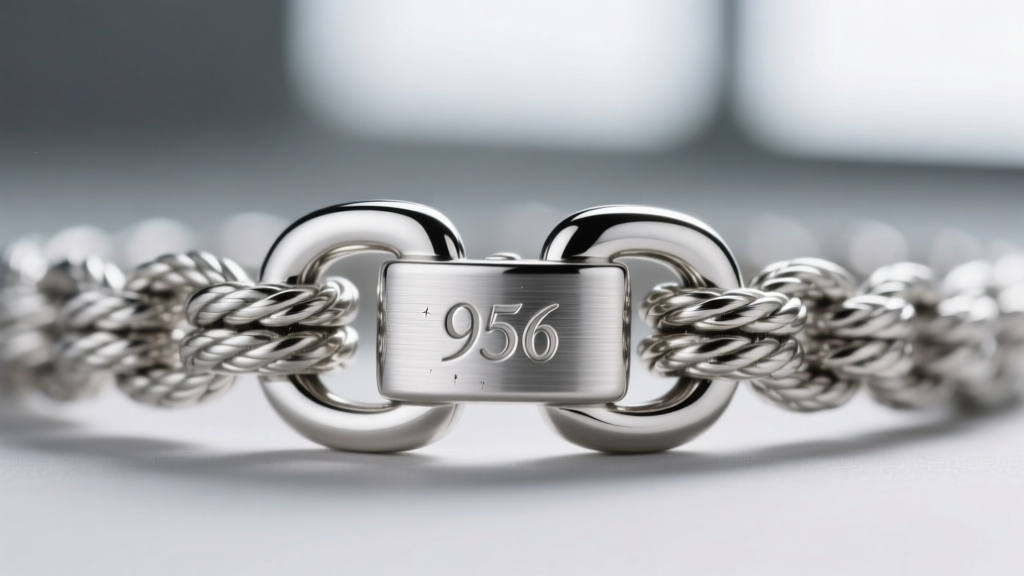
Platinum 950 and Ruthenium Hardness
Platinum 950 (95% platinum, 5% alloying metal) has emerged as the undisputed standard for high-end diamond necklaces. However, not all Pt950 is created equal. When alloyed with iridium, the metal is highly malleable, making it poor for securing heavy stones. The 2026 standard utilizes ruthenium as the alloying agent, which increases the Vickers hardness to approximately 135 HV. This specific grain structure provides the necessary tensile strength to maintain prong tension over decades of wear without requiring rhodium re-plating, as platinum's natural white patina merely displaces rather than wears away.
Stone Origin and Technical Grading in 2026
The most disruptive element of the current diamond necklace scene is the bifurcation of lab-grown diamond (LGD) technologies: Chemical Vapor Deposition (CVD) and High Pressure High Temperature (HPHT). Understanding the microscopic inclusions and post-growth treatments of these stones is critical for accurate appraisal and grading.
CVD vs. HPHT: Inclusions and Magnetic Properties
CVD diamonds are grown in plasma reactors using hydrocarbon gas mixtures. A common technical hurdle in CVD growth is the inclusion of silicon from the reactor windows, which can impart a brownish tint. To counter this, nearly all CVD diamonds in the 2026 market undergo post-growth HPHT annealing to decolorize the stone. Under UV fluorescence, these treated CVD stones often exhibit a distinct orange-red or greenish glow, a key identifier for gemologists.
Conversely, HPHT diamonds are grown using a metal solvent catalyst (typically iron, nickel, and cobalt). This process can trap microscopic metallic flux inclusions within the crystal lattice. In heavily included HPHT stones, these metallic clusters can be ferromagnetic, meaning the diamond may exhibit a slight attraction to a strong neodymium magnet—a phenomenon never seen in natural, earth-mined diamonds. According to the Gemological Institute of America (GIA), identifying these specific inclusion types and strain patterns via photoluminescence spectroscopy is mandatory for accurate origin certification.
| Feature | Natural (Mined) | CVD Lab-Grown | HPHT Lab-Grown |
|---|---|---|---|
| Primary Inclusions | Crystals, Feathers, Clouds | Silicon, Graphite, Strain | Metallic Flux, Boron |
| Post-Growth Treatment | Rare (Fracture Filling) | Standard (HPHT Annealing) | Rare |
| Magnetic Response | None (Diamagnetic) | None (Diamagnetic) | Possible (Paramagnetic) |
| UV Fluorescence | Typically Blue | Orange-Red / Green | Inert / Yellow-Green |
Setting Mechanics: Tennis Necklaces and Pendant Failure Modes
A diamond tennis necklace is a masterclass in articulated jewelry engineering. A standard 10-carat tennis necklace contains between 60 and 85 individual stones. The primary failure mode in poorly manufactured tennis necklaces is chain kinking, which applies severe lateral torque to the stone settings.
Prong Tension and Wire Gauge
Mass-market manufacturers often utilize 20-gauge (0.81mm) wire for prongs to save on precious metal weight. When the necklace bends sharply, these thin prongs easily lift away from the stone's girdle, leading to catastrophic stone loss. Expert jewelers in the premium diamond necklace scene mandate the use of 18-gauge (1.02mm) wire or cast V-prongs that distribute stress across a wider surface area. Furthermore, the settings must be fully articulated—meaning each link hinges independently—so that kinetic energy is absorbed by the chain's joints rather than transferred to the prongs.
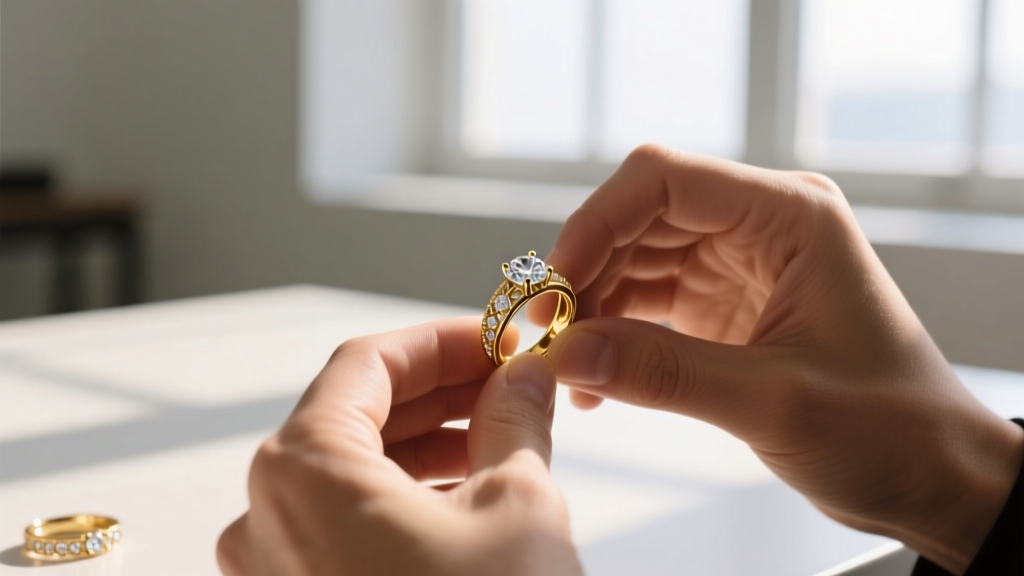
Bezel Settings and Lip Tolerance
For solitary pendants, the bezel setting remains the most secure architecture. However, security relies on exact millimeter tolerances. The metal lip (the burnished edge holding the stone) must overlap the diamond's crown by exactly 0.3mm to 0.5mm. If the lip is too thick, it obstructs light return, killing the stone's brilliance; if it is too thin, it will peel back upon impact with a hard surface. The Federal Trade Commission (FTC) Jewelry Guides strictly regulate the terminology and structural claims of these settings, ensuring that terms like 'secure bezel' meet verifiable metallurgical standards.
Pricing Matrices and Value Retention
The pricing landscape of the 2026 diamond necklace scene is heavily stratified by origin. While natural diamonds maintain a robust secondary market liquidity, lab-grown diamonds are priced strictly on their utility and aesthetic value, reflecting the continuous deflation of LGD manufacturing costs.
- Natural (10 TCW, F Color, VS1 Clarity, Pt950): $48,000 - $65,000. Retains 40-60% of retail value on the secondary market.
- CVD Lab-Grown (10 TCW, F Color, VS1 Clarity, Pt950): $4,200 - $6,500. Retains less than 15% of retail value; priced as a consumable luxury.
- HPHT Lab-Grown (10 TCW, F Color, VS1 Clarity, Pt950): $4,800 - $7,500. Slight premium over CVD due to superior color stability in larger carat weights.
"In 2026, buying a lab-grown diamond necklace is an exercise in acquiring unparalleled optical performance at a fraction of the geological cost. However, buyers must view it as a sunk cost rather than an investment asset."
Conclusion
Mastering the modern diamond necklace scene requires looking past the sparkle and examining the engineering beneath it. Whether you are selecting a ruthenium-alloyed platinum chain for maximum tensile strength, analyzing the photoluminescence of a CVD diamond, or verifying the 0.5mm lip tolerance on a bezel pendant, these technical details separate heirloom-quality jewelry from disposable fashion. By prioritizing structural metallurgy and precise setting mechanics, you ensure that your necklace remains as secure and brilliant on its fiftieth anniversary as it was on the day it was clasped.


