Stella Dot Renegade Necklace: The 2026 Buying Guide
Discover everything about the Stella Dot Renegade Necklace in our 2026 buying guide. Learn about materials, authenticity markers, and resale values.

The Allure of the Renegade: Why It Endures
The direct-sales jewelry landscape is crowded, but certain pieces transcend their initial catalog runs to become sought-after secondary market staples. The Stella Dot Renegade necklace is one such anomaly. Originally released as part of the brand's edgy, mixed-metal collection, the Renegade quickly became a favorite for its ability to bridge the gap between casual daytime wear and sophisticated evening layering. As we navigate the 2026 vintage and pre-loved jewelry market, finding a well-preserved Renegade requires a keen eye for material integrity, hardware authenticity, and fair market valuation.
Unlike fine jewelry pieces crafted from solid 14k or 18k gold, fashion jewelry relies heavily on base metal alloys and surface treatments. Understanding the exact metallurgical composition of the Stella & Dot Renegade necklace is the first step in making an informed purchase, whether you are buying from an independent stylist's retired inventory or scouring online resale platforms.
Material Composition & Hardware Specifics
To evaluate the condition of a pre-owned Renegade necklace, you must first understand what it is made of. Stella & Dot typically utilizes jeweler's brass—a copper-zinc alloy known for its excellent casting properties and structural rigidity—as the base metal for its gold-toned pieces. This base is then subjected to an electroplating process.
Plating Thickness and Wear
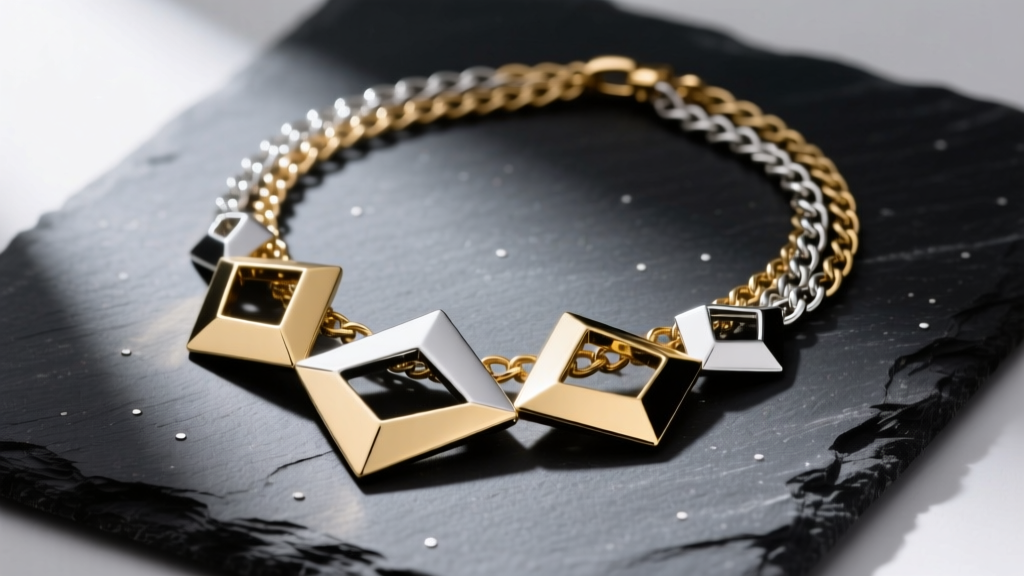
According to the FTC Jewelry Guidelines, terms like 'gold plated' require a minimum thickness of 0.5 microns of gold. However, high-wear areas on fashion jewelry often experience 'flash plating' degradation over time. The Renegade necklace features a mix of textured chains and smooth geometric pendants. The friction points—specifically where the jump rings connect the pendants to the cable chain, and the clasp mechanism itself—are the first areas to show brass bleed-through. When inspecting a listing, always request macro photography of the clasp and the primary jump ring. If you see a distinct yellowish-green hue beneath the gold tone, the copper in the brass base is oxidizing, indicating heavy wear.
For the silver-toned variants of the Renegade, the brass base is typically plated with rhodium. Rhodium is a platinum-group metal that provides a brilliant, tarnish-resistant white finish. While highly durable, rhodium plating on high-friction clasp components can still wear away, revealing the yellowish undertone of the brass beneath.
Authenticity Checklist: Spotting the Real Deal
Because of the brand's massive footprint in the direct-sales space, counterfeit or 'inspired' pieces frequently flood secondary marketplaces. When authenticating a Stella Dot Renegade necklace, rely on these specific physical markers rather than packaging, which is easily replicated or swapped.
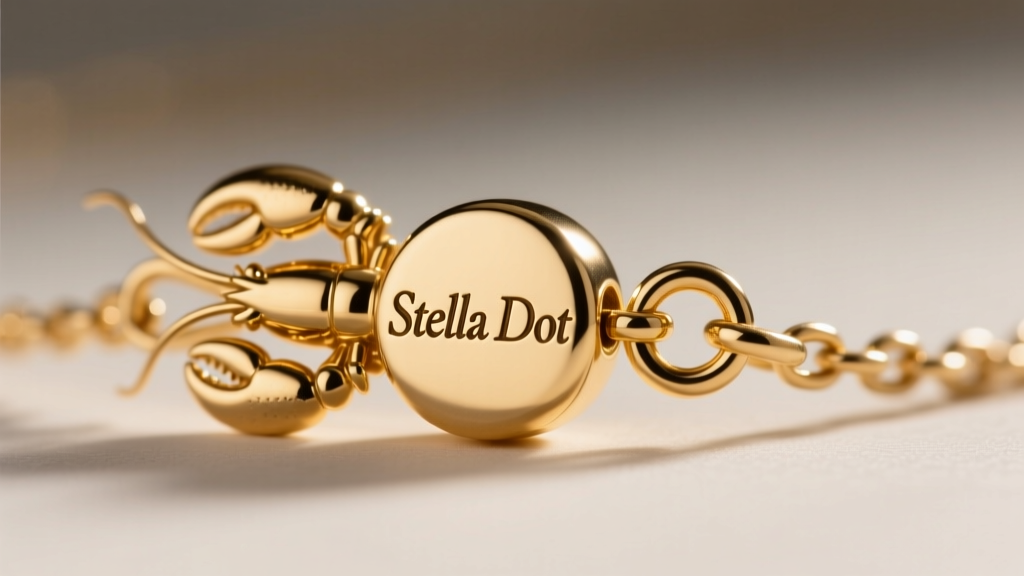
- The Signature Logo Bead: Authentic Stella & Dot necklaces almost universally feature a small, branded metal bead attached to the extender chain or directly adjacent to the lobster clasp. This bead should have a crisp, laser-engraved or deeply cast 'S&D' or 'Stella & Dot' mark. Counterfeits often use blank beads or poorly stamped, shallow engravings.
- Clasp Mechanics: The brand uses high-quality lobster claw clasps with a specific spring tension. The lever should snap back with an audible, crisp click. Sluggish or loose levers often indicate aftermarket clasp replacements or low-quality knockoffs.
- Jump Ring Soldering: Inspect the jump rings holding the pendants. Authentic pieces feature tightly closed, often soldered jump rings that do not easily pull apart under mild tension. Mass-produced fakes frequently use split jump rings that gap open over time.
- Weight and Drape: Jeweler's brass has a specific density. The Renegade should feel substantial but not overly heavy. If the necklace feels remarkably light or the chain links feel hollow and tinny, proceed with extreme caution.
Secondary Market Pricing & Valuation (2026 Data)
Since the Renegade is a retired style, you will primarily encounter it on platforms like Poshmark, eBay, and Mercari. Pricing fluctuates based on condition, the presence of original packaging, and the specific metal tone (mixed-metal variants often command a premium over single-tone versions). Below is a structured valuation guide based on Q1 2026 market data.
| Condition Tier | Defining Characteristics | Estimated 2026 Price Range |
|---|---|---|
| Mint / NWT (New With Tags) | Unworn, original pouch and box included, zero brass bleed, crisp logo bead. | $65 - $95 |
| Excellent | Worn 1-3 times, no visible plating loss, hardware fully functional, no pouch. | $45 - $60 |
| Good | Minor wear on clasp/jump rings, slight dulling of pendants, fully wearable. | $25 - $40 |
| Fair / Project | Visible brass oxidation, enamel chipping (if applicable), requires re-plating. | $10 - $20 |
Buyer's Tip: Never pay 'Mint' prices for a piece that lacks high-resolution photos of the extender chain and clasp. Sellers who obscure the hardware are often hiding advanced plating degradation.
Common Failure Modes & Restoration Tips
Owning a pre-loved fashion necklace means accepting certain metallurgical realities. The most common failure mode for the Renegade necklace is copper oxidation, which manifests as a dark green or black tarnish that can transfer to the skin. This is not a sign of toxicity, but rather a natural chemical reaction between the copper in the brass base, ambient moisture, and the natural pH of your skin.
If you purchase a piece in 'Good' condition with minor wear, you can halt further degradation by applying a micro-thin layer of clear, jewelry-safe polyurethane coating to the back of the pendants and the inner curve of the chain. Avoid using standard clear nail polish, as the acetone and harsh solvents can strip the remaining gold electroplating and cloud any resin or enamel accents on the Renegade's geometric charms.
For cleaning, strictly avoid ultrasonic cleaners and harsh chemical dips. The high-frequency vibrations of an ultrasonic bath can loosen the adhesive holding any pave crystals or glass stones in the Renegade's settings. Instead, use a dry, untreated microfiber polishing cloth to gently buff the surface oils away after each wear.
Styling the Renegade: Neckline Pairings
The architectural design of the Renegade necklace demands intentional styling. Its mixed-metal aesthetic and layered appearance make it a standalone statement piece, meaning it requires the right canvas to shine without looking cluttered.

The Ideal Necklines
- The Deep V-Neck: A silk or satin V-neck blouse creates a natural frame that draws the eye directly to the Renegade's central drop. The negative space of the V-neck prevents the mixed metals from competing with busy fabric patterns.
- The Scoop Neck Tee: For elevated casual wear, pair the Renegade with a high-quality, structured cotton scoop neck. The contrast between the casual cotton and the refined, edgy geometry of the necklace creates a highly curated, effortless look.
- What to Avoid: Steer clear of high boat necks, turtlenecks, or shirts with heavy ruffled collars. The Renegade's intricate chain work and pendant details will become tangled in ruffles, and the visual noise will completely overwhelm the necklace's design intent.
Final Verdict
The Stella Dot Renegade necklace remains a masterclass in accessible, trend-forward design that has aged remarkably well. As a 2026 buyer, your primary focus should be on hardware integrity and plating preservation. By utilizing the authentication markers outlined above and adhering to the current secondary market pricing tiers, you can secure a stunning, versatile piece of fashion jewelry history without overpaying. Treat the brass base with respect, store it flat to prevent chain kinking, and the Renegade will continue to deliver its signature edge for years to come.