Ultimate Care Guide for a Botanical Vervain Necklace
Learn how to clean, store, and maintain your botanical vervain necklace. Expert tips on preventing resin yellowing and protecting dried herb pendants.

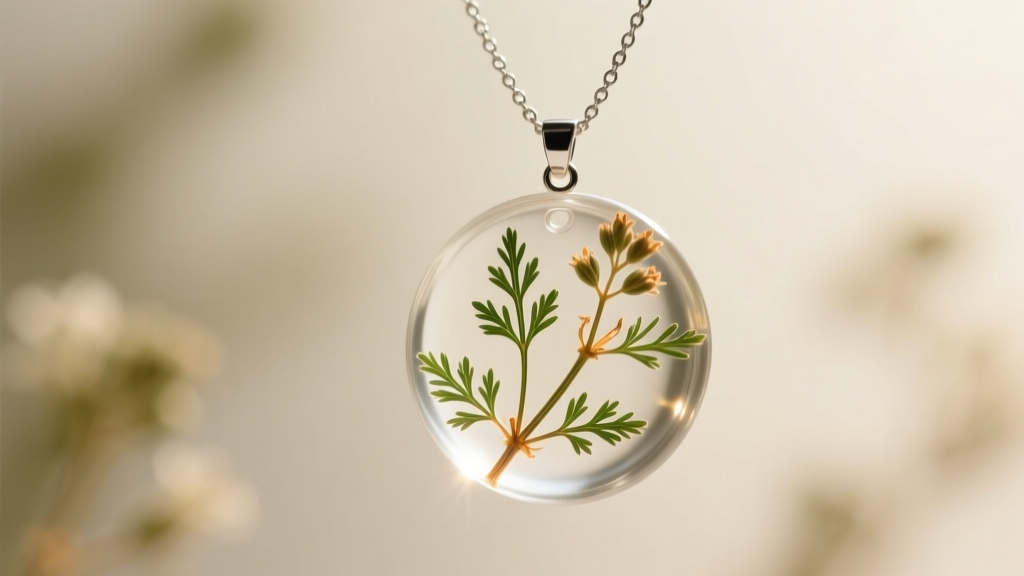
Vervain (Verbena officinalis) has long been revered in herbalism and folklore, often worn as a protective talisman or a nod to mystical pop culture. Today, the most popular way to wear this powerful herb is through a botanical vervain necklace, where delicate sprigs of the dried plant are permanently preserved in clear epoxy resin, glass vials, or metal lockets. While these pendants are stunning, the organic nature of the herb and the specific materials used to encase it demand a highly specialized care routine.
Unlike solid gemstones or pure metals, a botanical necklace is a composite piece. The interaction between the porous dried herb, the encasing medium (resin or glass), and the metal hardware creates unique vulnerabilities. Improper cleaning can lead to micro-crazing in resins, trapped moisture that causes black mold on the herb, or accelerated tarnishing of the chain. This comprehensive guide will walk you through the material science and practical maintenance required to keep your vervain necklace pristine for decades.
The Unique Anatomy of a Vervain Pendant
To properly care for your necklace, you must first identify its construction. Botanical vervain pendants generally fall into three categories, each with distinct maintenance needs:
- Epoxy Resin Encasement: The herb is suspended in a two-part epoxy resin. This offers a seamless, glass-like finish but is highly susceptible to UV degradation and chemical etching.
- UV Resin Encasement: Cured with ultraviolet light. While faster to produce, cheaper UV resins often lack HALS (Hindered Amine Light Stabilizers), making them prone to rapid yellowing that obscures the herb's natural green and purple hues.
- Glass Vial or Locket: The dried herb is placed inside a borosilicate or soda-lime glass tube, or a metal locket with a glass window. The primary risk here is moisture ingress and seal failure.
According to the Gemological Institute of America (GIA), organic and composite gems require vastly different cleaning protocols than crystalline stones. Treating a resin-encased vervain pendant like a diamond or quartz crystal will permanently ruin the finish.
The Folklore Factor: Why Daily Wear Causes Damage
Because vervain is historically associated with protection and purification, many wearers choose to keep their necklaces on 24/7. This constant skin contact introduces a harsh chemical environment. Human sweat has a pH ranging from 4.5 to 7.0, and when mixed with daily applications of sunscreen, perfume, and body lotions, it creates a corrosive film on the pendant. Over time, this acidic buildup dulls the surface of epoxy resin and accelerates the oxidation of sterling silver chains. If you wear your vervain necklace daily for spiritual or aesthetic reasons, you must implement a rigorous weekly wiping routine to neutralize these acids before they etch into the pendant's surface.
Step-by-Step Cleaning Protocol
Never use ultrasonic cleaners, steamers, or harsh chemical dips on a botanical necklace. The vibrations can shatter glass vials or fracture the brittle dried herb inside, while chemicals will destroy the resin matrix.
Step 1: Dry Dusting
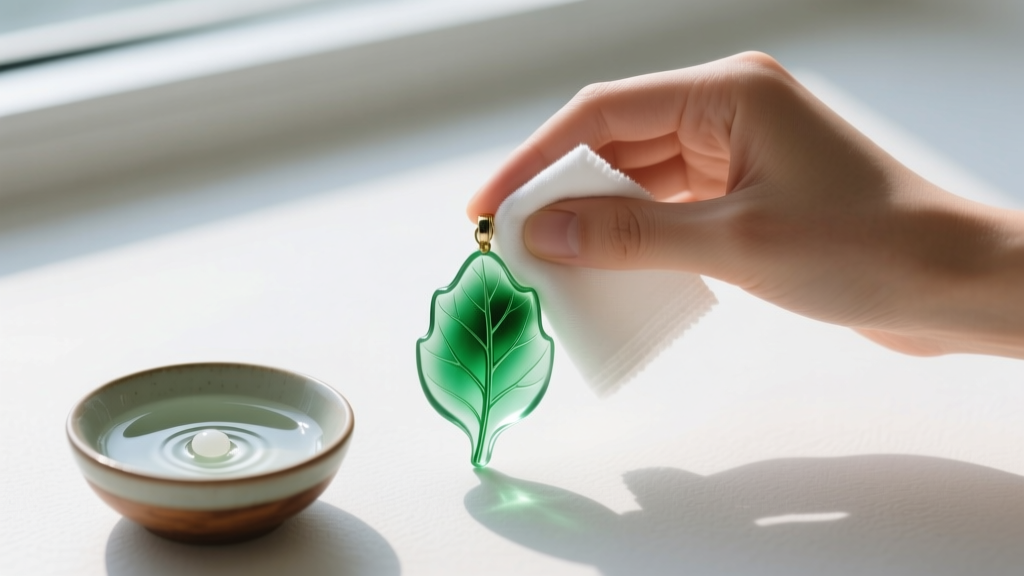
Before introducing any moisture, use a clean, dry microfiber cloth to gently wipe away surface dust and skin oils. Use light, circular motions. Avoid paper towels, as their wood-pulp fibers can leave micro-scratches on softer resin surfaces.
Step 2: The Wet Wash
For deeper cleaning, mix a few drops of pH-neutral baby shampoo into a bowl of lukewarm distilled water. Tap water contains chlorine and trace minerals that can leave a cloudy film on resin and glass. Dip a soft cotton swab or a lint-free cloth into the solution, gently wipe the pendant, and immediately dry it with a fresh microfiber cloth. Do not submerge the necklace, especially if it features a glass vial with a cork or rubber stopper, as water pressure can force moisture inside.
Cleaning Agents: Safe vs. Unsafe
Choosing the wrong solvent is the fastest way to ruin a botanical pendant. Below is a quick reference guide for cleaning agents based on material compatibility.
| Cleaning Agent | Resin Safe? | Glass Safe? | Sterling Silver Safe? | Notes |
|---|---|---|---|---|
| Isopropyl Alcohol | No | Yes | Yes | Causes micro-crazing and cloudiness in epoxy and UV resins. |
| Baby Shampoo + Distilled Water | Yes | Yes | Yes | The safest all-around cleaner for composite botanical jewelry. |
| Ammonia-based Glass Cleaner | No | Yes | No | Will strip the polish from resin and accelerate silver tarnish. |
| Ultrasonic Jewelry Solution | No | No | Yes | Vibrations will shatter the dried herb and potentially the glass. |
| Baking Soda Paste | No | No | Yes | Highly abrasive; will permanently scratch and dull resin surfaces. |
Hardware Maintenance: Chains and Bails
The chain and bail (the loop connecting the pendant to the chain) are usually made of 925 sterling silver, brass, or gold-filled wire. Sterling silver is the most common choice for mystical and botanical jewelry, but it is highly reactive to sulfur in the air and on the skin. To maintain the chain, remove it from the pendant and use a dedicated silver polishing cloth impregnated with anti-tarnish compounds. Experts at Rio Grande, a leading jewelry supply authority, recommend avoiding liquid silver dips, as the harsh chemicals can seep into the bail's crevices and damage the resin or glass seal upon reassembly.
Long-Term Storage Solutions
How you store your vervain necklace when not wearing it is just as critical as how you clean it. The two biggest enemies of botanical jewelry are UV radiation and ambient humidity.
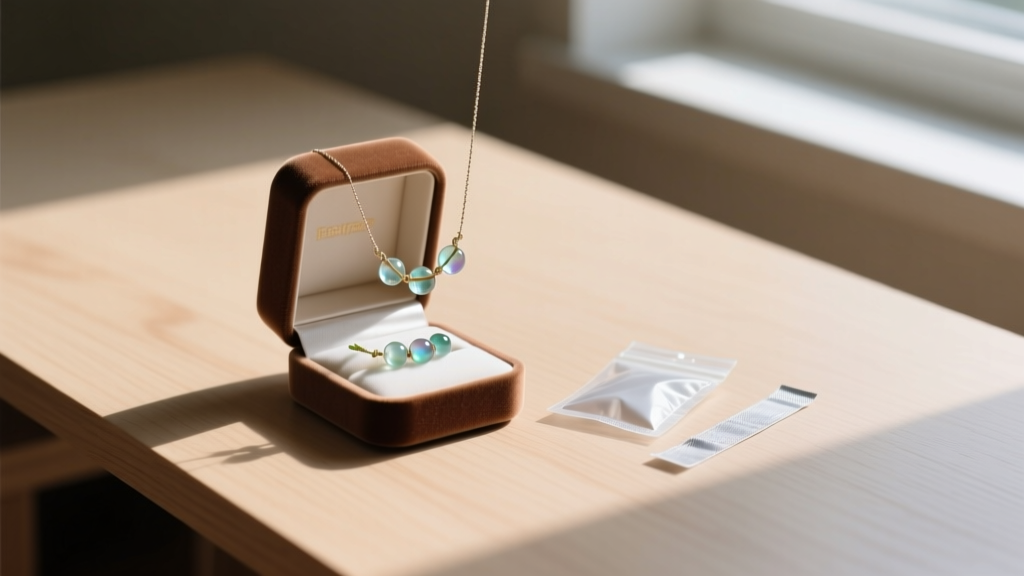
- UV Protection: Even high-grade art resins with UV inhibitors will eventually yellow if left in direct sunlight. Store your necklace in a closed, opaque jewelry box or a UV-blocking velvet pouch.
- Humidity Control: If your vervain is housed in a glass vial, moisture is your primary concern. Place a small silica gel packet in your jewelry box to maintain a dry microclimate. This prevents the dried herb from absorbing ambient moisture, which can lead to fungal growth inside the sealed tube.
- Prevent Scratching: Resin ranks very low on the Mohs hardness scale (usually around 2.0 to 3.0). Never toss your vervain necklace into a communal jewelry dish where it can be scratched by diamonds, sapphires, or even quartz crystals.
Troubleshooting Common Issues
Even with meticulous care, botanical necklaces can develop issues over time. Here is how to troubleshoot the most common problems:
Cloudy or Scratched Resin
If your epoxy resin pendant has lost its glass-like clarity due to micro-scratches, you can restore it using a plastic polishing compound. Apply a small amount of Novus Plastic Polish #2 (Fine Scratch Remover) to a microfiber cloth and buff the surface in circular motions for two to three minutes. Wipe away the residue with a clean, damp cloth. For deeper gouges, you may need to wet-sand the area with 2000-grit sandpaper before applying the polish.
Yellowed Resin
Unlike cloudiness, yellowing is a chemical breakdown of the resin's polymer chains caused by UV exposure. Unfortunately, this cannot be polished or cleaned away. If the yellowing is severe, the only remedy is to have a jeweler carefully extract the herb (if possible) and re-cast it in a fresh, high-quality, UV-stabilized epoxy resin.
Foggy Glass Vial
If the inside of your glass vervain vial looks foggy or the herb appears dark and damp, the seal has failed. If the vial uses a cork stopper, the cork has likely dried out and shrunk. Carefully remove the cork, empty the herb onto a paper towel, and let both the herb and the empty glass tube dry completely in a warm, dry room for 48 hours. Replace the old cork with a modern silicone O-ring screw cap to ensure an airtight, waterproof seal before reassembling.
Expert Insight: When purchasing a new botanical vervain necklace, always ask the artisan what specific brand of resin they use. Professional-grade resins like ArtResin or Teexpert contain advanced UV stabilizers and HALS additives that can delay yellowing by 5 to 10 years compared to cheap, bulk UV resins found in mass-produced pendants.
A botanical vervain necklace is more than just an accessory; it is a wearable piece of nature and history. By understanding the specific material vulnerabilities of resin, glass, and dried herbs, and by committing to a gentle, chemical-free cleaning routine, you can ensure your pendant remains a vibrant, meaningful staple in your jewelry collection for years to come.