Doll Necklace Buying Guide: Sizing, Styles & 2026 Trends
Discover how to choose the perfect doll necklace, from vintage porcelain pendants to coquette babydoll pearls. Expert sizing, materials, and trends.
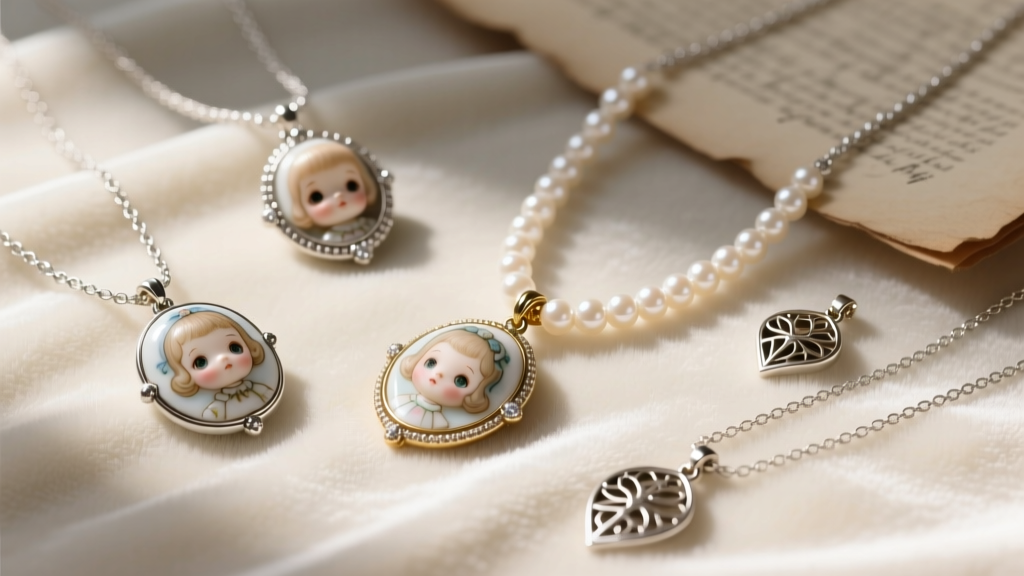
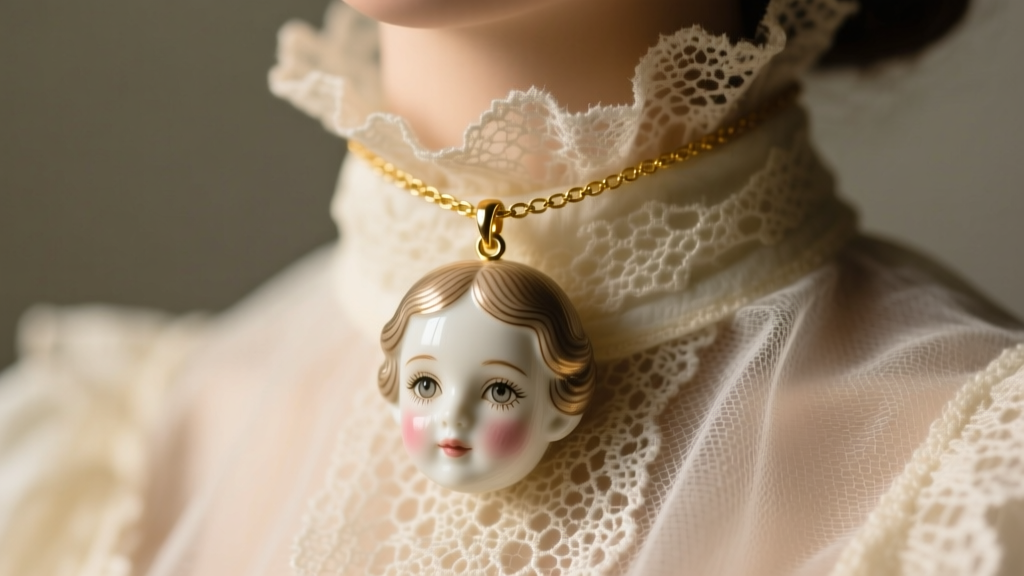
The Doll Necklace Renaissance: Beyond the Toy Box
The term 'doll necklace' encompasses a fascinating intersection of jewelry history, subculture fashion, and modern aesthetic movements. In 2026, the market has bifurcated into three distinct categories: the heirloom-quality porcelain doll head pendants favored by vintage and gothic collectors, the hyper-feminine 'coquette' or babydoll pearl strands dominating mainstream street style, and the niche crossover of miniature Ball-Jointed Doll (BJD) jewelry repurposed for human wear. Navigating this diverse landscape requires a keen eye for material grades, structural integrity, and historical accuracy.
According to the Metropolitan Museum of Art, the tradition of wearing miniature portraiture, enamel faces, and porcelain cameos dates back centuries, evolving seamlessly into today's doll-motif pendants and sentimental lockets.
Whether you are hunting for a macabre Victorian-style bisque pendant or a delicate silk-ribbon choker, understanding the mechanics of these pieces is critical to avoiding costly mistakes. This comprehensive buying guide breaks down exactly what to look for, how to size your chains, and which manufacturing red flags to avoid.
Decoding the Three Main 'Doll Necklace' Categories
1. Vintage & Porcelain Doll Head Pendants
Originating from the popularity of German bisque dolls in the late 19th and early 20th centuries, porcelain doll head pendants are statement pieces. High-end modern artisans and vintage dealers source original, damaged doll heads (often from makers like Simon & Halbig or Kestner) and cap them with sterling silver or brass crowns to convert them into pendants. When buying, you must distinguish between bisque (unglazed, matte porcelain with cold-painted features) and glazed porcelain. Bisque offers a hauntingly realistic, skin-like texture but is highly porous and susceptible to oil stains from the skin. Glazed pieces are more durable but can appear overly glossy or plastic-like if poorly manufactured.
2. The Coquette 'Babydoll' Aesthetic
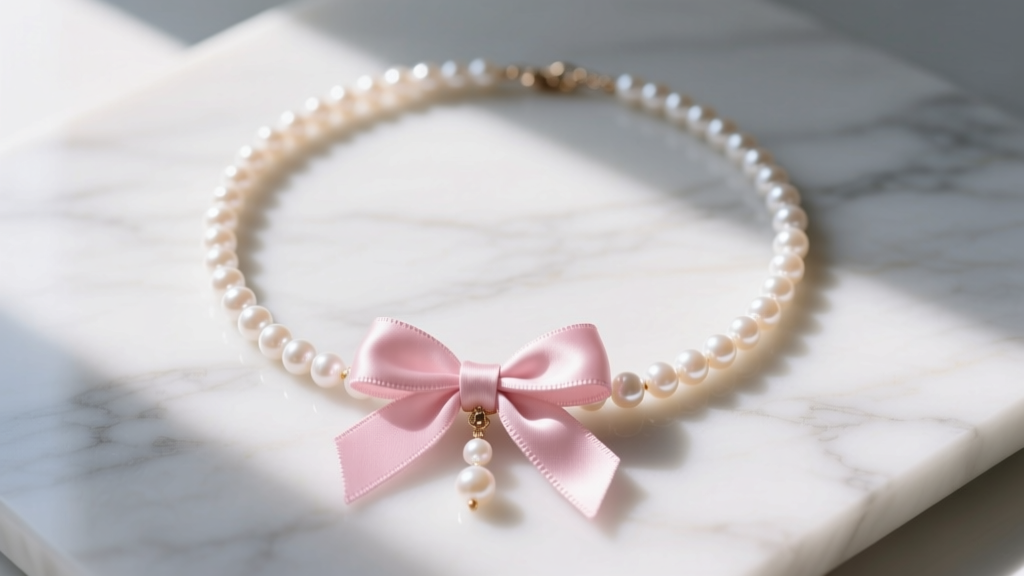
Driven by the ongoing 'dollcore' and coquette movements, these necklaces focus on extreme femininity, nostalgia, and delicate proportions. A true babydoll necklace relies on high-luster freshwater pearls, hand-dyed silk ribbons, and tiny enameled motifs like cherries or ballet slippers. According to the Gemological Institute of America (GIA), luster is the most critical quality factor for pearls. When shopping for a babydoll pearl strand, avoid chalky, opaque beads; instead, look for AAA-grade freshwater pearls with a mirror-like reflection that catches the light even in dim environments.
3. Miniature BJD (Ball-Jointed Doll) Crossovers
A highly specialized niche involves purchasing 1:4 or 1:6 scale jewelry designed for Ball-Jointed Dolls and wearing it as ultra-delicate human jewelry. These pieces are often cast in solid 925 sterling silver or 14k gold by miniature artisans. The challenge here is scale: a 1:4 scale pendant is roughly 12mm to 15mm in height, making it a subtle, everyday piece rather than a bold statement. Buyers must verify the exact millimeter dimensions before purchasing, as product photos often make miniature doll jewelry look like standard human-scale pendants.
Material Grades & Durability Matrix
Not all doll motif jewelry is created equal. Mass-market fast-fashion brands often cut corners on materials, leading to rapid degradation. Use the table below to evaluate the material composition of your prospective necklace.
| Material | Pros | Cons & Failure Modes | Expected Price Range |
|---|---|---|---|
| Kiln-Fired Porcelain | Heirloom quality, hand-painted, UV resistant | Shatters if dropped on hard surfaces; heavy weight | $80 - $350+ |
| Cold-Cast Resin | Lightweight, inexpensive, highly detailed molds | Yellows under UV exposure; paint chips easily | $15 - $45 |
| Vitreous Enamel on Silver | Vibrant colors, durable metal backing | Enamel can crack if the silver base is bent or flexed | $90 - $250 |
| AAA Freshwater Pearl | Classic babydoll look, luminous, organic | Silk stringing stretches over time; requires restringing | $60 - $200 |
Chain Selection & Length Sizing for Doll Pendants
The most common point of failure in heavy porcelain doll necklaces is the chain. A standard 0.8mm cable chain will inevitably snap under the dynamic weight of a 25-gram solid porcelain doll head. When selecting a chain, you must match the gauge to the pendant's weight.
- Under 10 grams (Resin or Miniature BJD): A 0.9mm to 1.2mm cable or serpentine chain is sufficient. Opt for a 16-inch (choker) or 18-inch (princess) length to keep the lightweight pendant resting securely on the collarbone.
- 10 to 25 grams (Medium Porcelain Heads): Require a minimum 1.5mm box chain or a 1.5mm rope chain. The interlocking links of a box chain distribute weight more evenly, preventing stress fractures at the clasp. An 18-inch to 20-inch (matinee) length prevents the heavy pendant from bouncing excessively against the sternum.
- Over 25 grams (Large Vintage Doll Parts): Demand a 2.0mm to 2.5mm heavy rope chain or a thick curb chain. Ensure the clasp is a lobster claw with a soldered jump ring, as spring-ring clasps will fail under this weight.
Red Flags: Avoiding Cheap Imitations & Structural Failures
When inspecting a doll necklace, particularly vintage porcelain pieces, pay close attention to the bail (the loop that connects the pendant to the chain). Many mass-produced or amateur-crafted pieces use 'glue-on' bails affixed with cyanoacrylate or basic epoxy. This is a massive red flag. Epoxy degrades when exposed to skin oils, humidity, and temperature fluctuations, eventually leading to the pendant detaching and shattering on the floor.
The Expert Fix: Always look for mechanically secured bails. For porcelain, this means the artisan has either drilled a microscopic channel through the top of the doll's head to thread a secure jump ring, or used a custom-fitted, crimped metal crown cap with a soldered loop. If you are buying a vintage piece with a glued bail, factor in the cost of having a jeweler retrofit it with a mechanical wire-wrap.
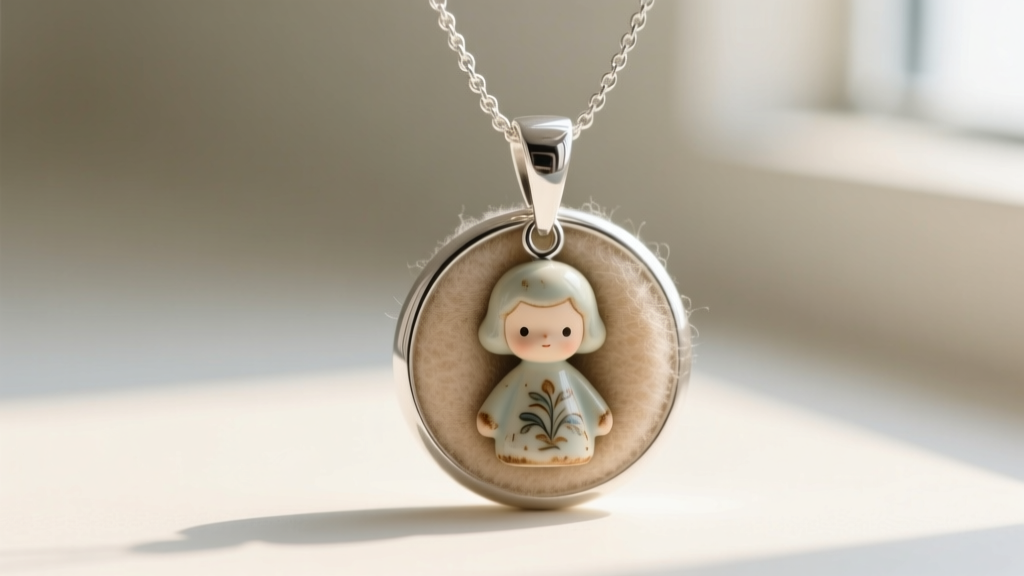
Another red flag is bail friction. Porcelain and ceramic are abrasive to soft metals. If a rough, unpolished sterling silver bail rubs against a glazed porcelain loop, it will slowly grind away the glaze and eventually snap the bail. High-end makers line the interior of the bail with a micro-thin layer of felt, Teflon, or use a polished 14k gold-filled insert to eliminate friction.
Styling & Care Guide for 2026
The 'dollcore' aesthetic in 2026 has matured past the costume-like plastic accessories of the early 2020s, leaning heavily into romantic, historical authenticity. To style a porcelain doll necklace without looking costumey, pair it with structured, contrasting garments. A heavy, macabre bisque doll pendant looks striking against a crisp, oversized white button-down shirt or a tailored charcoal blazer, allowing the jewelry to act as a singular focal point rather than competing with overly busy lace or ruffles.
For babydoll pearl and ribbon necklaces, the golden rule is chemical isolation. The silk ribbons used in high-end coquette jewelry are highly reactive to the alcohol and essential oils found in perfumes and hairsprays. Always put your necklace on after your fragrance has fully dried. If your silk ribbon becomes stiff or discolored from sweat and oils, do not wash it with water; instead, unclip the ribbon (if the design features detachable clasps) and replace it. Many elite indie jewelers now offer babydoll necklaces with interchangeable ribbon hardware specifically for this reason.
Storage Protocols for Porcelain and Enamel
Never store porcelain doll pendants in a communal jewelry box where they can knock against diamond or sapphire pieces. While porcelain is hard, it is brittle and possesses low impact resistance. Store these necklaces flat in a velvet-lined drawer, or hang them individually on padded hooks to prevent the chain from tangling and putting lateral stress on the pendant's bail. For enamel doll cameos, avoid extreme temperature changes, such as leaving the necklace in a freezing car overnight, as the metal base and the glass-enamel surface expand and contract at different rates, leading to micro-fractures.
Final Verdict
Investing in a doll necklace is an exercise in balancing aesthetic romance with structural engineering. Whether you are captivated by the haunting beauty of a vintage bisque pendant or the delicate nostalgia of a freshwater pearl babydoll strand, prioritizing mechanical bails, appropriate chain gauges, and high-grade materials will ensure your piece survives the trends. By understanding the specific failure modes of porcelain and resin, you can confidently curate a collection that is as durable as it is visually arresting.


