The Ultimate Beginner's Guide to the Rustic Cross Necklace
Discover how to choose, style, and care for a rustic cross necklace. Learn about raw materials, chain pairings, and everyday wear tips in our guide.


The appeal of a rustic cross necklace lies in its deliberate imperfection. Unlike high-polish, mass-produced jewelry, rustic crosses embrace raw textures, organic materials, and intentional oxidation. They tell a story of craftsmanship, heritage, and grounded style. However, navigating the world of unsealed metals, raw woods, and heavy leather cords can be daunting for beginners. This guide breaks down the metallurgy, material pairings, and maintenance required to confidently choose and wear a rustic cross pendant.
Decoding Rustic Materials: What You Are Actually Buying
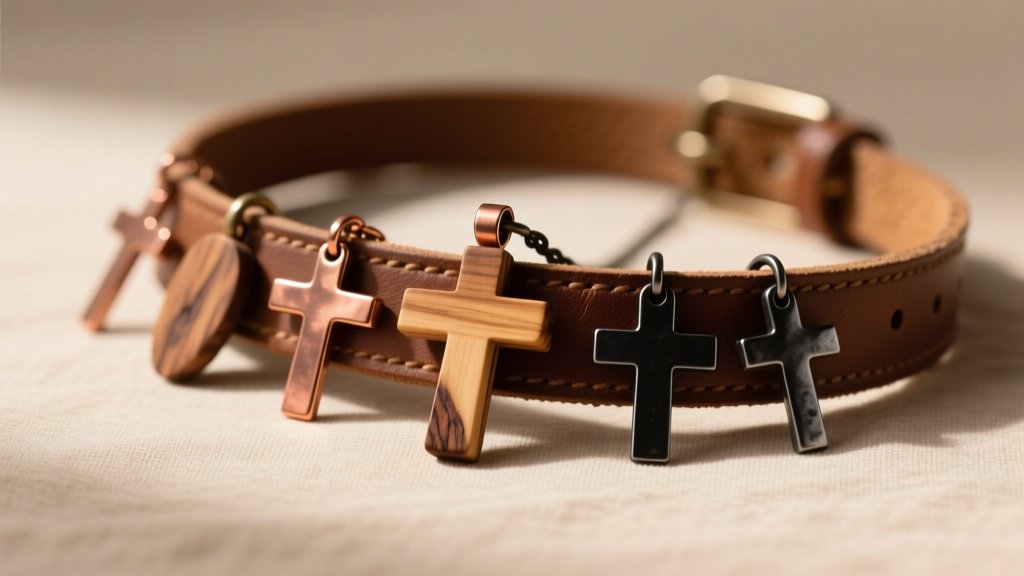
When a jeweler describes a cross pendant as 'rustic,' they are usually referring to one of three primary material categories. Understanding the metallurgy and sourcing behind these materials is crucial for longevity and skin compatibility.
1. Oxidized Sterling Silver
Rustic silver crosses are typically treated with liver of sulfur (potassium sulfide) to accelerate tarnishing, creating a dark, antique finish in the crevices of the metal. The surface is then lightly polished to leave the recesses black and the high points bright. According to the Gemological Institute of America (GIA), genuine sterling silver must contain 92.5% pure silver. Always look for the '.925' stamp. If a rustic silver cross lacks this stamp and is simply dark grey, it may be base metal with a painted or plated finish that will eventually chip.
2. Raw Copper and Unsealed Brass
Copper and brass offer warm, earthy tones that develop a living patina over time. Because these metals are often left unsealed to maintain their matte, rustic appearance, they will react with the pH levels and sweat on your skin. This reaction creates copper chelates, which can temporarily leave a harmless green or black mark on your chest. If you have highly acidic sweat, you may need to periodically seal the back of the pendant (more on this in the care section).
3. Reclaimed Wood and Raw Stone
Olive wood, ebony, and reclaimed barn wood are frequently carved into rustic crosses. These are often inlaid with raw, unpolished turquoise or crushed lapis lazuli. Wood pendants are exceptionally lightweight but highly susceptible to warping if exposed to prolonged moisture.
Selecting the Right Cord, Chain, or Leather Strap
A heavy, rustic cast-bronze cross will snap a delicate 1mm silver chain. Conversely, threading a thick leather cord through a tiny, delicate silver bail will ruin the pendant. The suspension mechanism is just as important as the cross itself. Below is a decision matrix for pairing your rustic pendant with the correct cord.
| Cord/Chain Type | Ideal Thickness | Max Pendant Weight | Water Resistance | Avg. Price Range |
|---|---|---|---|---|
| Veg-Tanned Leather | 2mm - 3mm | 10 - 15 grams | Low (Requires wax) | $15 - $35 |
| Waxed Cotton | 1.5mm - 2mm | 5 - 8 grams | High | $5 - $12 |
| Oxidized Rope Chain | 2.0mm - 2.5mm | 20+ grams | Medium | $40 - $90 |
| Braided Suede | 3mm - 4mm | 15 - 25 grams | Very Low | $10 - $25 |
Pro-Tip on Leather: Always opt for vegetable-tanned leather over chrome-tanned. Vegetable-tanned leather uses natural tannins from tree bark, allowing it to absorb oils from your skin and develop a rich, dark patina over time. Chrome-tanned leather is heavily processed with chemicals, remains stiff, and will eventually crack and peel at the clasp.
The Hidden Bottleneck: Bail Sizing and Proportions
The bail is the loop at the top of the cross pendant that the cord passes through. Beginners often buy a thick, rugged 4mm leather cord, only to realize the rustic cross pendant they purchased has a narrow, 2mm soldered bail.
Before purchasing a cord, measure the inner diameter of the pendant's bail. Your cord should be at least 0.5mm thinner than the bail's inner diameter to allow the pendant to slide freely and hang flat against your chest. If you are buying a heavy, oversized rustic cross, look for pendants with 'wrap bails' or 'tube bails' rather than simple loop bails, as they distribute the weight more evenly and prevent the leather from fraying at the friction point.
For rustic crosses, the ideal drop length is between 22 and 24 inches. This places the pendant squarely on the sternum, below the collarbone, allowing it to rest naturally over henleys, t-shirts, or flannel button-downs without choking the neckline.
Everyday Styling Frameworks
Styling a rustic cross necklace requires an understanding of texture and visual weight. Because the pendant itself is visually 'heavy' and matte, it pairs poorly with high-sheen, formal fabrics like silk or fine merino wool.

The Texture Matching Rule
Match the rawness of the metal to the weave of your clothing. A hammered copper cross on a braided suede cord looks exceptional when paired with raw selvedge denim, heavy linen, or a waffle-knit thermal henley. The matte finish of the metal echoes the matte, tactile finish of the fabric.
Layering with Raw Crystals
If you want to layer your rustic cross, avoid adding polished gemstone chains. Instead, pair it with an 18-inch oxidized silver chain holding a single, raw, unpolished crystal point (such as clear quartz or black tourmaline). The contrast between the geometric, rustic metal cross and the organic, jagged crystal creates a deliberate, curated aesthetic that looks highly intentional rather than cluttered.
Preserving the Patina: Care and Maintenance
The most common mistake beginners make with rustic jewelry is cleaning it with standard jewelry dips. According to The Silver Institute, harsh chemical dips strip away tarnish entirely. If you dip an oxidized rustic silver cross, you will remove the intentional blackening in the crevices, leaving you with a flat, bright, and unnatural-looking piece of jewelry.
How to Clean Oxidized Metals
- For Silver: Use a dry, soft microfiber cloth to gently buff only the high points of the cross. If it is heavily soiled, use a drop of mild dish soap and water, scrub gently with a soft toothbrush, and dry immediately. Never use baking soda paste or silver dip.
- For Copper and Brass: If the patina becomes too dark or muddy, you can brighten it slightly using a paste of lemon juice and salt. Rub it on for exactly 30 seconds, rinse thoroughly, and dry.
Sealing and Protecting
To protect raw wood pendants from warping and to prevent copper from turning your skin green, use a microcrystalline wax like Renaissance Wax. Originally developed by the British Museum for artifact preservation, this wax creates a hard, invisible, moisture-proof barrier.
Application Method: Apply a micro-thin layer of Renaissance Wax to the wood or the back of the copper cross using a soft cotton cloth. Let it dry to a haze for 10 minutes, then buff it vigorously. Reapply every 3 to 6 months depending on how often you wear the piece against your bare skin.
By understanding the raw materials, properly sizing your cords, and maintaining the intentional patina, your rustic cross necklace will evolve from a simple accessory into a deeply personal artifact that ages beautifully alongside you.


