How to Match and Layer Necklaces Types for Every Neckline
Master the art of styling with our step-by-step guide to necklaces types. Learn how to choose lengths, match necklines, and layer chains without tangling.

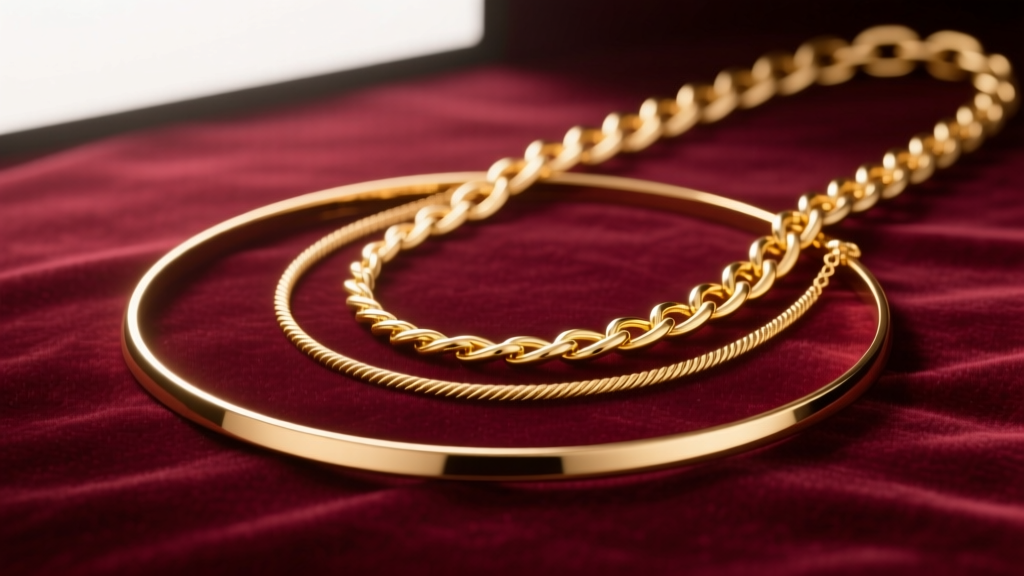
Building a curated jewelry wardrobe requires more than just buying pieces that catch your eye; it demands an understanding of proportions, metallurgy, and spatial geometry. As we move through 2026, the trend of mixed-metal layering and hyper-personalized stacking has dominated the industry, but the foundational rules of styling remain rooted in physics and anatomy. Whether you are working with delicate 20-gauge cable chains or heavy 10-gauge Cuban links, knowing how to match and layer different necklaces types to your specific neckline is the difference between a cohesive look and a tangled mess.
This step-by-step guide will walk you through the exact measurements, tensile strengths, and styling frameworks needed to master your necklace game.
The Anatomy of Necklaces Types: Lengths and Gauges
Before you can layer effectively, you must understand the standard industry measurements. Jewelry manufacturers categorize necklaces types by their resting position on the décolletage. According to Blue Nile's comprehensive jewelry education guide, the standard lengths are:
- Collar (12-13 inches): Sits tightly against the middle of the neck. Best for open-neck outfits.
- Choker (14-16 inches): Rests at the base of the neck. A 16-inch length is the universal standard for most women's pendants.
- Princess (17-19 inches): Falls just below the collarbone. The 18-inch length is the most common for standard chain necklaces.
- Matinee (20-24 inches): Drops to the top of the bust. Ideal for business casual and high-necklines.
- Opera (28-36 inches): Falls below the bust, often worn doubled over.
- Rope (37+ inches): Can be wrapped multiple times or knotted.
Beyond length, wire gauge dictates the structural integrity of the chain. A standard 1.2mm (approx. 18-gauge) cable chain in solid 14k gold can typically withstand 4 to 6 pounds of tensile force before the links deform. In contrast, a 2.5mm (approx. 10-gauge) rolo chain can handle upwards of 30 pounds. Always match your chain gauge to the weight of your pendant; a heavy gemstone pendant on a 22-gauge chain will eventually cause the links to stretch and snap.
Step 1: Map Your Neckline to the Right Necklaces Types
The geometry of your clothing should dictate the geometry of your jewelry. The goal is to create parallel lines or complementary angles that elongate the neck and frame the face.
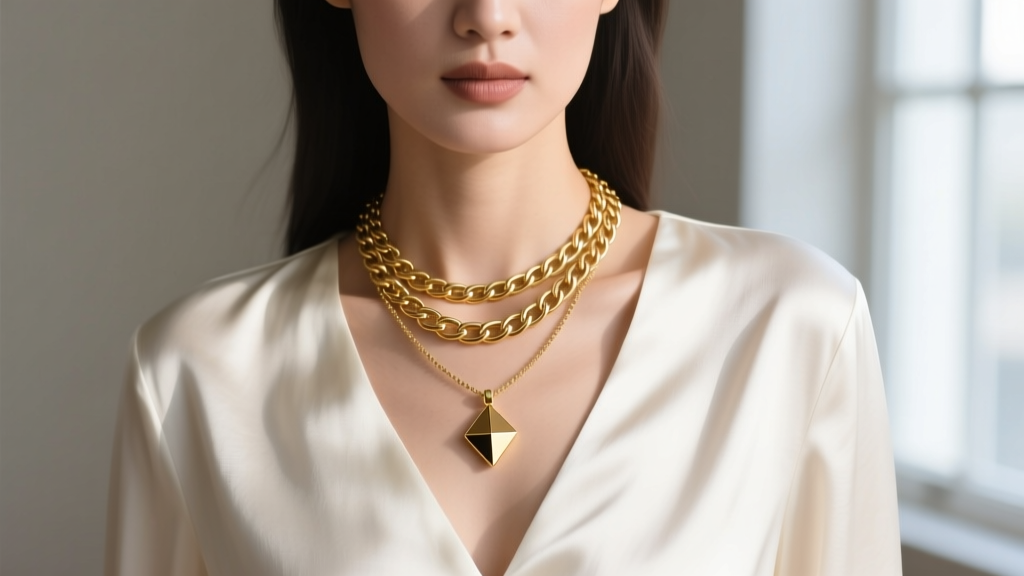
Neckline Matching Matrix
| Neckline | Ideal Necklaces Types | Length Range | Chain Style Recommendation |
|---|---|---|---|
| V-Neck | Lariat, Y-Chain, Drop Pendant | 18" - 22" | Figaro or Delicate Cable |
| Crew Neck | Collar, Statement Choker | 14" - 16" | Chunky Box or Snake Chain |
| Scoop Neck | Princess, Matinee Arc | 18" - 24" | Rolo or Bead Chain |
| Off-Shoulder | Opera, Long Rope, Choker | 14" or 28"+ | Layered Cable or Pearl Strand |
| Turtleneck | Long Pendant, Lariat | 24" - 32" | Thick Curb or Rope Chain |
Pro Tip: When wearing a V-neck, ensure the pendant rests exactly one inch above the apex of the V. If it dips into the fabric, it disrupts the visual flow of the garment.
Step 2: Master the Physics of Layering
The most common complaint about layering necklaces types is tangling. Tangling is not a matter of bad luck; it is a matter of friction and link geometry. When two chains with identical link sizes and shapes are worn together, they act like gears, interlocking and twisting.
The 2-Inch Separation Rule
To prevent clasps and pendants from catching on one another, maintain a minimum 2-inch difference between layered chains. For example, pair a 14-inch choker with an 18-inch princess chain, and a 22-inch matinee chain. This spacing ensures the pendants occupy different vertical zones on the chest.
Mixing Chain Textures
To further reduce friction, alternate chain styles. A smooth, flat box chain paired with a textured, twisted rope chain reduces friction points by up to 60% compared to pairing two cable chains. The disparate geometries simply slide past one another rather than catching.
"When layering mixed metals in 2026, anchor the stack with a mid-weight yellow gold rolo chain, then flank it with a delicate white gold or platinum bead chain. The difference in link structure prevents tangling while creating a high-contrast, modern aesthetic."
Step 3: Select Hardware and Clasp Mechanisms
The clasp is the most frequent point of failure on any necklace. Understanding the mechanics of your hardware is crucial for securing expensive pendants.
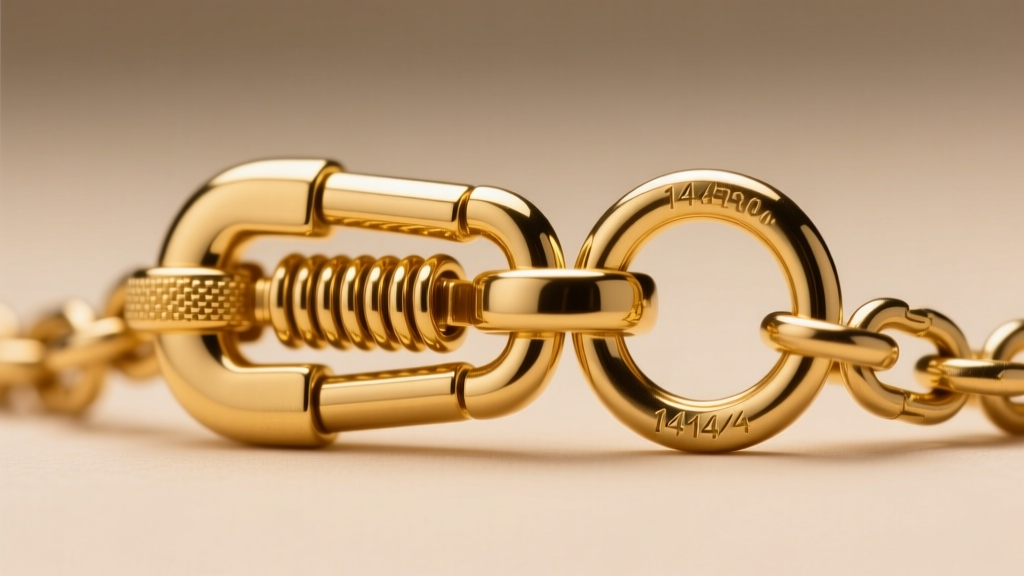
- Spring Ring Clasps: These are the small, circular clasps common on lightweight chains. They are prone to failure because the internal spring mechanism is weak, and the soldered joint on the ring often snaps under tension. Avoid these for pendants heavier than 3 grams.
- Lobster Clasps: Shaped like a lobster's claw, these feature a heavier internal spring and a solid casting. A standard 12mm lobster clasp paired with a 5mm 18-gauge jump ring is the industry standard for securing medium-to-heavy pendants safely.
- Magnetic Clasps: While convenient for those with dexterity issues, neodymium magnetic clasps can unexpectedly detach if the necklace catches on clothing. Only use high-grade neodymium magnets encased in 316L stainless steel or solid gold for reliable hold.
Step 4: Metallurgy and Tarnish Prevention
When layering different necklaces types, you are often mixing metals. It is vital to understand how different alloys react to your skin's pH and the environment. According to the Gemological Institute of America (GIA), understanding metal properties is key to jewelry longevity.
925 Sterling Silver contains 92.5% pure silver and 7.5% copper. That copper is what causes the metal to oxidize and tarnish when exposed to sulfur in the air and sweat. To combat this, many high-end manufacturers apply a rhodium plating. Look for a plating thickness of at least 0.75 to 1.0 microns; anything thinner will wear off within a few months of daily friction.
14k Gold Filled is a superior alternative to gold vermeil for daily layering. By law, gold-filled items must contain at least 5% gold by weight, mechanically bonded to a brass core. This makes it highly resistant to tarnish and safe to wear in the shower, unlike vermeil (which is merely a thin electroplated layer of gold over silver).
Step 5: Maintenance and Storage Framework
Proper storage is the final step in maintaining your curated collection. Never toss layered necklaces into a single jewelry box compartment. The varying hardness of different metals (measured on the Mohs scale) means a harder steel chain will easily scratch a softer high-karat gold chain.
- Individual Polybags: Store each necklace in an airtight, anti-tarnish polyethylene bag. Include a small strip of activated charcoal or commercial anti-tarnish paper to absorb ambient sulfur.
- Hanging Storage: For chains longer than 20 inches, hang them on a velvet-lined jewelry stand to prevent the links from kinking. Snake chains, in particular, are notorious for permanent kinking if stored coiled.
- Ultrasonic Cleaning: If you use an ultrasonic cleaner to remove body oils from your chains, ensure it operates at 42kHz for gold and platinum. Warning: Never put porous gemstones like opals, emeralds, or turquoise in an ultrasonic cleaner, as the high-frequency vibrations will fracture the stone's internal matrix.
By treating your jewelry selection as a precise science rather than an afterthought, you ensure that every piece you wear not only elevates your outfit but stands the test of time structurally and aesthetically.


