How to Layer Mermaid Necklaces: A Step-by-Step Guide
Learn how to layer mermaid necklaces with our step-by-step guide. Master chain gauges, shell materials, and tangle-free coastal stacking.

The Anatomy of a Perfect Mermaid Necklace Stack
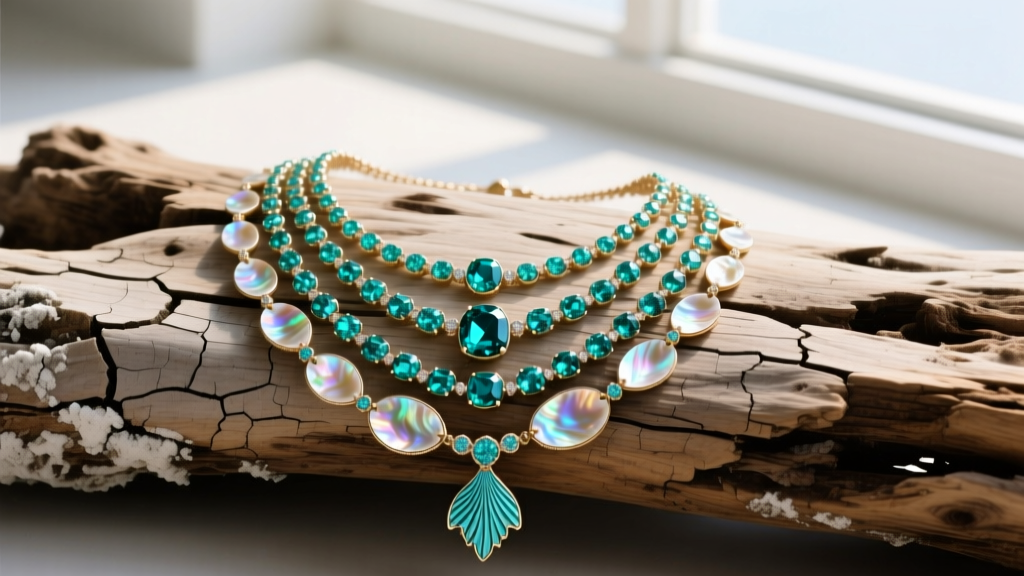
Layering mermaid necklaces is an art that balances organic textures with precise metallurgy. Unlike uniform geometric pendants, coastal-inspired jewelry features asymmetrical shells, undulating mermaid tails, and raw baroque pearls. To build a stack that avoids tangling and highlights the unique luster of marine materials, you must understand chain gauges, drop lengths, and the Mohs hardness of your chosen gemstones. A poorly planned stack will result in tangled chains, scratched nacre, and hidden pendants. This step-by-step guide will walk you through engineering a flawless, tangle-free mermaid necklace stack, complete with material authentication and structural troubleshooting.
Step 1: Establishing the Base Layer (14 to 16 Inches)
The foundation of any layered necklace stack is the choker or collar-length base. For mermaid necklaces, this layer should be minimalist to allow the organic textures of the lower layers to shine. We recommend a 14-inch or 16-inch chain with a delicate but structurally sound gauge.
Choosing the Right Chain Gauge and Link
Avoid ultra-fine chains (under 0.8mm) for your base layer, as they are prone to snapping under the friction of heavier pendants. Opt for a 0.9mm to 1.2mm cable chain or a 1.0mm box chain. Box chains are particularly effective for layering because their geometric, interlocking links lay flat against the skin and resist twisting. If you are incorporating a small freshwater pearl or a tiny 5mm mother-of-pearl shell charm on this base layer, ensure the clasp is a 5mm lobster clasp rather than a spring ring, which can easily catch on the links of the longer chains beneath it.
Step 2: Adding the Focal Mermaid Pendant (18 to 20 Inches)
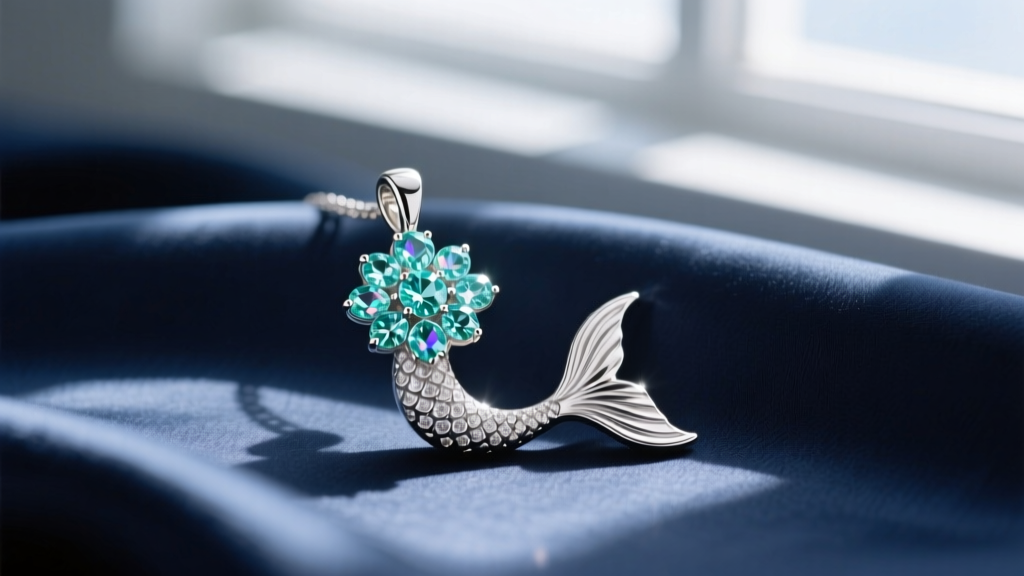
The second layer is the anchor of your coastal stack. This is where you introduce your primary mermaid necklace motif—be it a detailed sterling silver mermaid tail, a large abalone shell inlay, or a carved aquamarine briolette. The ideal length for this focal piece is 18 inches (princess length) or 20 inches, ensuring it rests comfortably below the collarbone and at least two inches below your base layer.
Evaluating Mermaid Tail and Shell Craftsmanship
When selecting a focal mermaid tail pendant, examine the scale detailing and the gemstone setting. High-quality pieces will use bezel or prong settings for accent stones like aquamarine (Mohs hardness 7.5-8) or moonstone (Mohs 6-6.5). Avoid glued-in stones, which frequently fail when exposed to humidity or saltwater. If your focal piece features an abalone shell inlay, look for natural color variations. According to the Gemological Institute of America (GIA), genuine abalone exhibits a distinct, irregular play-of-color with deep greens, blues, and purples, whereas dyed or synthetic alternatives often appear uniformly saturated and overly plastic-like.
Step 3: The Texture Layer (22 to 24 Inches)
The final layer in a three-piece mermaid stack introduces movement and texture. This 22-inch to 24-inch (matinee length) necklace should feature asymmetrical or organic elements that mimic the ocean floor. Think raw sea glass, baroque pearls, or a lariat-style chain ending in a druzy quartz drop.
Because this layer is the longest and heaviest, it requires a sturdier chain. A 1.5mm rolo chain or a 2.0mm rope chain provides the necessary weight to keep the necklace hanging straight, preventing it from riding up and tangling with the 18-inch focal pendant. If you are using a strand of baroque pearls, ensure the silk knotting is tight and the drill holes are smooth to prevent the nacre from chipping against the chain clasp.
Material Authentication: Real Shell vs. Resin
The mermaid jewelry market is flooded with resin-cast imitations masquerading as genuine marine materials. Understanding the physical properties of these materials is crucial for building a high-quality, durable stack. Below is a comparison of common materials used in mermaid necklaces, detailing their durability and care requirements.
| Material | Mohs Hardness | Vulnerability | Cleaning Method | Average Price Range |
|---|---|---|---|---|
| Genuine Mother-of-Pearl | 2.5 - 4.5 | Acids, perfumes, scratches | Damp microfiber cloth | $45 - $150 |
| Natural Abalone Shell | 2.5 - 4.0 | Heat, harsh chemicals | Mild soap, soft brush | $60 - $200 |
| Epoxy Resin (Imitation) | 2.0 - 3.0 | Yellowing from UV, melting | Standard jewelry wipe | $15 - $40 |
| Aquamarine (Accent) | 7.5 - 8.0 | Hard impacts, cleavage | Ultrasonic (with caution) | $80 - $300+ |
When purchasing gold-toned mermaid necklaces, verify the plating thickness. The Federal Trade Commission (FTC) mandates that true "gold vermeil" must consist of a 925 sterling silver base plated with a minimum of 2.5 microns of gold. Many fast-fashion coastal brands sell "gold-plated" brass, which will quickly oxidize and turn your skin green when exposed to summer humidity.
Preventing Chain Tangling in Coastal Stacks
The most common failure mode in layered mermaid necklaces is chain tangling, caused by friction and static electricity between different metal links. To engineer a tangle-free stack, follow these three mechanical rules:
- Vary the Chain Link Types: Never layer two identical cable chains. The identical links will act like gears, interlocking and twisting together. Pair a smooth box chain with a textured rope chain to create physical barriers that prevent interlocking.
- Maintain a Two-Inch Drop Rule: Ensure there is a minimum two-inch difference in length between each layer. A 14-inch, 16-inch, and 18-inch stack is too tight; the pendants will collide and tangle. Opt for 14, 18, and 22 inches to give each piece its own spatial zone.
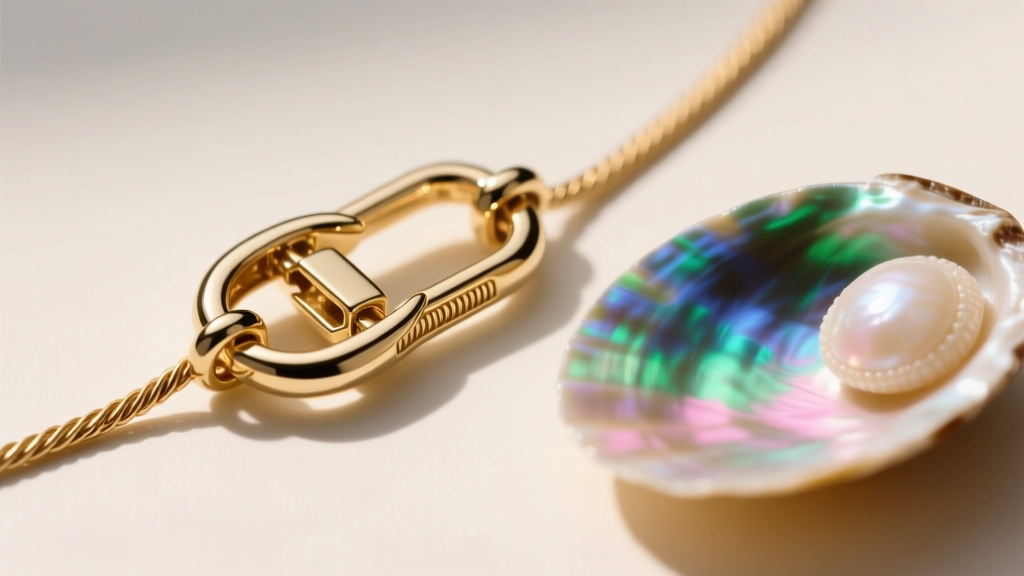
- Use a Necklace Spacer Clasp: If you struggle with persistent tangling, invest in a multi-strand spacer bar clasp. This single mechanism holds two or three chains parallel at the nape of the neck, entirely eliminating friction at the most vulnerable tangling point.
Neckline Pairing Guide for Mermaid Stacks
The visual impact of your mermaid necklaces depends heavily on the garment beneath them. Organic, coastal jewelry requires specific necklines to frame the stack correctly without overwhelming your silhouette.
- Deep V-Necks: The ideal canvas for a three-layer stack. The V-shape naturally follows the drop of the 18-inch and 22-inch chains, drawing the eye down toward the focal mermaid tail pendant.
- Square Necklines: Best suited for a single, bold 18-inch abalone shell pendant or a two-layer stack (14-inch choker and 18-inch pendant). A three-layer stack will look cluttered against the harsh horizontal lines of a square neck.
- Off-the-Shoulder / Boat Neck: These wide necklines leave the collarbone entirely exposed. Utilize a 14-inch pearl choker paired with a 20-inch lariat chain to bridge the gap between the jawline and the fabric edge.
- Crew Necks: Avoid wearing layered mermaid necklaces with high crew necks. The thick fabric will cause the delicate chains to bunch up at the base of the throat, hiding the pendants and increasing the risk of chain breakage due to fabric friction.
By treating your mermaid necklace stack as an engineered system of weights, lengths, and material hardness, you elevate the look from a messy assortment of trinkets to a curated, high-end coastal aesthetic. Always store your layered pieces flat or hanging individually to preserve the nacre and prevent structural kinks in the metal.


