Grizzly Bear Claw Necklace: A Beginner's Buying Guide
Discover how to legally and ethically buy a grizzly bear claw necklace. Learn about materials, sizing, cord options, and styling tips.

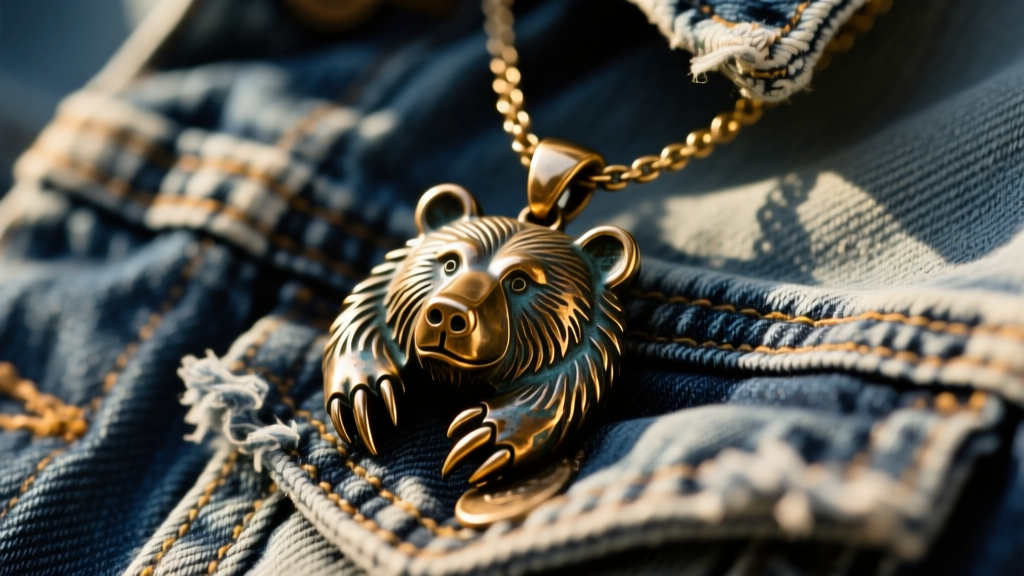
The Legal and Ethical Landscape of Bear Claws
Before you purchase a grizzly bear claw necklace, it is critical to understand the complex legal framework surrounding wildlife products. The grizzly bear (Ursus arctos horribilis) is a threatened species in the lower 48 United States and is heavily protected under the Endangered Species Act (ESA). Furthermore, the Lacey Act strictly prohibits the interstate commerce of any wildlife parts that were taken or sold in violation of state or federal laws.
What does this mean for a beginner buyer? Authentic, newly sourced grizzly bear claws cannot be legally bought or sold across state lines. The only legal authentic grizzly claws on the market are documented pre-Act antiques (pre-1973) with rigorous provenance paperwork, or specific items crafted by Native American artisans under strict cultural exemptions. Because of these severe restrictions, 99% of the modern market consists of either ethically sourced black bear claws (which are legally distinct and often regulated by state hunting laws) or high-quality cast metal replicas. Always demand documentation if a seller claims a claw is an authentic, legally sourced grizzly.
Authentic Keratin vs. Cast Metal Replicas
Understanding the material composition of your necklace is the next step in making an informed purchase. Authentic bear claws are composed of keratin—the same protein found in human fingernails and hair. A real claw features a hollow core near the base (the quick) and a dense, solid tip. Because keratin is an organic material, it is susceptible to environmental changes.
Conversely, modern cast replicas are typically produced using the lost-wax casting method. Artisans carve a master model from wax, create a silicone mold, and pour molten metal into the cavity. This results in a highly durable, legally unproblematic pendant that perfectly mimics the natural striations and curvature of a real claw.
How to Spot a Cast Replica
- The Temperature Test: Real keratin feels relatively warm and neutral to the touch, while cast bronze or silver will feel distinctly cold and draw heat from your skin.
- Weight and Density: A solid metal cast will be significantly heavier than a hollow-based organic claw of the exact same dimensions.
- Mold Lines and Shrinkage: Lower-quality casts may exhibit faint seam lines where the mold halves met, or slight shrinkage artifacts near the base where the sprue was cut.
Material Comparison Chart
| Material Type | Price Range (USD) | Durability | Weight | Legal Status |
|---|---|---|---|---|
| Authentic Grizzly (Antique) | $800 - $3,000+ | Low (Fragile) | Light | Strictly Regulated (Needs Provenance) |
| Ethical Black Bear | $150 - $400 | Medium | Light | Legal with State Tags/Docs |
| Cast Bronze (90/10) | $60 - $150 | High | Heavy | Unrestricted |
| Cast Sterling Silver (925) | $180 - $450 | High | Heavy | Unrestricted |
| Carved Bone or Resin | $30 - $90 | Medium | Medium | Unrestricted |
Choosing the Right Cord and Bail Hardware
The hardware connecting the claw to the necklace cord is a frequent point of failure, especially for organic materials. The Gemological Institute of America (GIA) notes that organic gem materials and wildlife parts require specialized mounting techniques to prevent structural degradation.
Bail Types: What Works and What Fails
Drill-Through Bails: Drilling a hole directly through the top of a real keratin claw compromises its structural integrity. Over time, the stress of the cord pulling against the drilled hole will cause the keratin to split or snap. Avoid this method for authentic claws.
Glue-On Cap Bails: These involve gluing a metal cap over the base of the claw. Because keratin is porous and expands/contracts with humidity changes, cyanoacrylate or epoxy glues will eventually fail, resulting in a lost pendant.
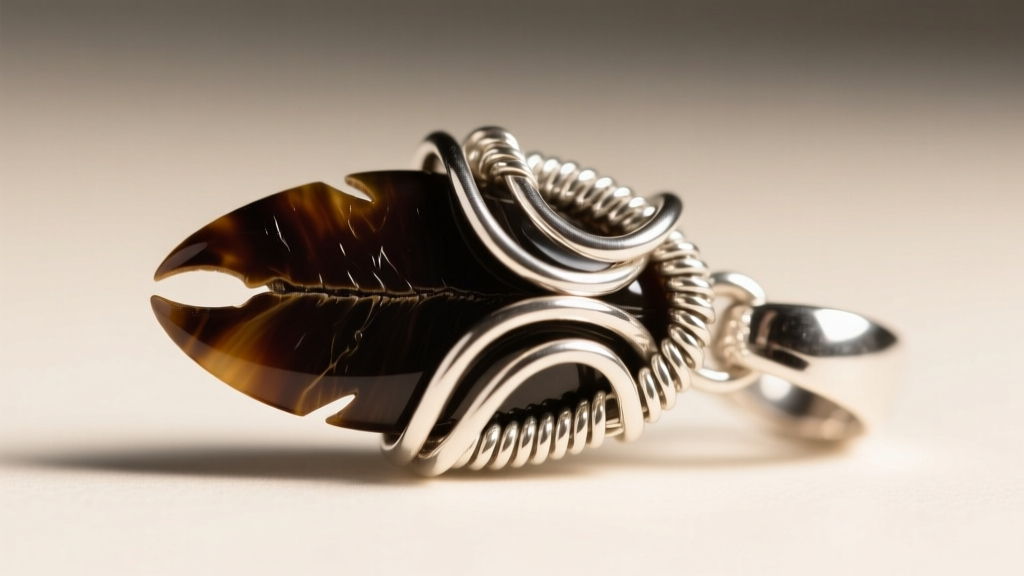
Wire-Wrapping (Recommended): Using 16-gauge or 18-gauge dead-soft sterling silver or copper wire to create a custom, tension-based wrap around the upper third of the claw is the most secure method. It distributes the weight evenly without requiring drills or adhesives.
Cord Materials Breakdown
Once your bail is secure, you need a cord that matches the rugged aesthetic of the pendant while providing adequate tensile strength.
- Braided Kangaroo Leather (3mm - 4mm): Offers the highest tensile strength of any natural leather. It resists stretching and handles moisture well, making it ideal for daily wear.
- Latigo Leather (2mm - 3mm): A heavily oiled, chrome-tanned leather that is stiff but incredibly durable. It develops a rich patina over time but can be rigid when new.
- Waxed Cotton Cord (2mm): A budget-friendly, highly durable option. The wax coating repels water and sweat, preventing the cord from rotting against the skin.
- 550 Paracord: For a purely utilitarian, outdoorsman aesthetic, paracord offers a breaking strength of 550 pounds, though it lacks the refined look of leather.
Sizing and Proportions: Matching the Claw to Your Frame
A grizzly bear claw necklace is a bold statement piece, and getting the proportions right is essential for a balanced look. Grizzly claws typically range from 2.5 inches to over 4.5 inches in length along the outer curve.
- Petite to Medium Frames: Opt for claws in the 2.5 to 3-inch range. Pair them with a 20-inch to 22-inch cord so the pendant rests just below the collarbone.
- Large to Broad Frames: Claws measuring 3.5 to 4.5 inches provide the necessary visual weight. A 24-inch to 26-inch cord will allow the heavy pendant to rest comfortably on the upper chest, preventing it from choking the neckline.
When wearing a heavy cast metal replica (which can weigh upwards of 60-80 grams), ensure your leather cord is at least 3mm thick. Thinner cords will dig into the back of your neck and degrade rapidly under the constant friction and weight.

Care and Maintenance for Longevity
Maintaining your necklace depends entirely on the material of the claw.
Caring for Authentic Keratin
Keratin dries out, cracks, and peels when exposed to low humidity, direct UV light, and extreme heat. Never wear a real claw necklace in the shower, sauna, or swimming pool. Once a month, apply a micro-thin layer of food-grade mineral oil or specialized horn/hoof conditioner using a soft microfiber cloth. This replenishes the natural lipids and prevents micro-fractures. Store the necklace in a humidified room or a sealed bag with a damp (not wet) cotton ball during dry winter months.
Caring for Cast Metals
Bronze and sterling silver require much less delicate care but will oxidize over time. Bronze will develop a natural brownish-green patina, while silver will tarnish black due to sulfur in the air. Use a treated jeweler's polishing cloth to gently buff the high points of the claw, leaving the deep striations dark to maintain the rugged, antique contrast. Avoid liquid silver dips, as they can strip the intentional antiquing applied by the caster.
Final Styling Tips for Everyday Wear
The grizzly bear claw necklace is inherently rugged and works best with casual, earth-toned, or heritage workwear. It pairs exceptionally well with flannel shirts, raw denim, and canvas jackets. Avoid wearing it with formal business attire or delicate fabrics, as the sharp tip of the claw (or the metal casting) can snag and tear silk or fine cotton. By understanding the legalities, choosing the right materials, and properly maintaining your piece, you can wear this powerful symbol of wilderness with confidence and respect.


