Diamond Rope Necklace Value Guide: Pricing and Budget Tips
Discover the true value of a diamond rope necklace. Learn pricing tiers, metal grades, and expert budget tips to maximize your jewelry investment.

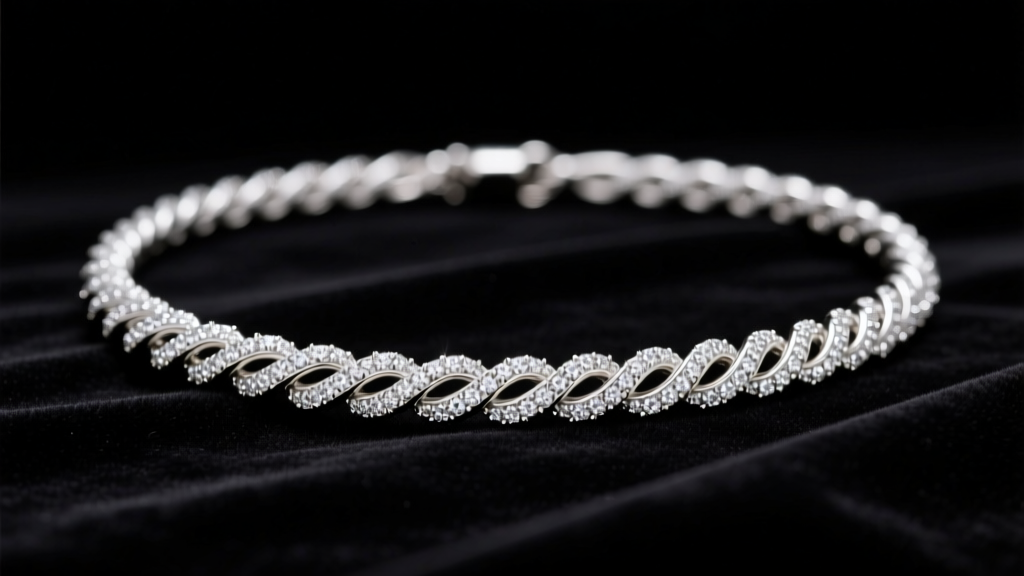
The diamond rope necklace is a cornerstone of fine jewelry, celebrated for its intricate twisted links and continuous sparkle. However, because of its complex construction and the sheer volume of small diamonds required to achieve that signature 'liquid ice' look, pricing in this category is notoriously opaque. Retail markups can range from 100% to over 400%, leaving many buyers wondering if they are paying for genuine craftsmanship or simply a brand name.
As a buyer in 2026, navigating the budget and value assessment of a diamond rope necklace requires looking past the dazzling surface. You must evaluate the intersection of precious metal weight, melee diamond quality, and structural engineering. This guide deconstructs the true cost of diamond rope chains, providing you with the actionable data needed to make a financially sound investment.
Deconstructing the Price Tag: Metal Weight vs. Diamond Carat
The most common mistake buyers make when evaluating a diamond rope necklace is focusing entirely on the Total Carat Weight (CTW). A retailer might advertise a '3.00 CTW Diamond Rope Chain,' leading a novice buyer to assume they are getting a massive amount of diamond value. In reality, that weight is distributed across hundreds of tiny melee diamonds, typically ranging from 0.01 to 0.05 carats each.
According to the Gemological Institute of America (GIA), melee diamonds are used primarily to add accent and brilliance to a piece, but they hold significantly less per-carat value than larger, center stones. When assessing value, you must separate the gold value from the diamond value.
Calculating the Intrinsic Gold Value
A high-quality, solid 14k gold rope chain (18 inches, 4mm width) weighs approximately 22 to 26 grams. With gold prices remaining robust, the raw melt value of the metal alone is substantial. If a retailer is selling a lightweight, hollow-core 14k rope chain for the same price as a solid one, the intrinsic value is drastically lower, and the piece is highly prone to denting and irreversible stretching.
2026 Pricing Matrix: Natural vs. Lab-Grown Diamonds
The introduction and mass adoption of lab-grown diamonds have completely disrupted the pricing structure of diamond rope necklaces. Because rope chains rely on SI1-SI2 clarity and G-H color melee diamonds (where inclusions and slight color tints are invisible to the naked eye once set in pave), lab-grown melee offers identical optical performance at a fraction of the cost.
Below is a comparative value assessment for a standard luxury specification: 18-inch, 4mm width, Solid 14k Yellow Gold, 2.50 CTW Pave Set.
| Value Metric | Natural Earth-Mined Diamonds | Lab-Grown Diamonds (CVD/HPHT) |
|---|---|---|
| Average Retail Price (2026) | $6,500 - $9,200 | $3,200 - $4,800 |
| Intrinsic Gold Value (Approx.) | $1,300 - $1,500 | $1,300 - $1,500 |
| Secondary Market Resale Value | 20% - 30% of retail | 10% - 15% of retail |
| Optical Performance (G-H, SI1) | Identical | Identical |
| Best Budget Strategy | Buy vintage or estate | Buy new from direct-to-consumer |
Expert Insight: If your primary goal is wearable luxury and budget efficiency, a lab-grown diamond rope necklace is the superior choice. The secondary market for melee diamonds (both natural and lab) is virtually non-existent; you are paying for the labor of the setter and the brand markup, not an appreciating asset.
Structural Integrity: Why Chain Gauge Dictates Long-Term Value
A diamond rope necklace is only as valuable as its ability to survive daily wear. The rope chain is constructed by twisting multiple smaller links into a spiral. This creates a beautiful, reflective surface, but it also creates a structural vulnerability: if one link snaps, the entire twist can unravel, causing catastrophic diamond loss.
The Thickness Sweet Spot
- 2mm - 3mm (Fashion Gauge): Lightweight and less expensive, but highly susceptible to kinking. The prongs holding the melee diamonds are often too shallow at this gauge, leading to frequent stone loss.
- 4mm - 5mm (The Value Sweet Spot): Offers enough metal mass to support deep, secure prong or bead settings for the diamonds. It drapes beautifully without feeling like armor and provides the best balance of upfront cost versus lifespan.
- 6mm+ (Statement Gauge): Extremely durable but commands a massive premium due to the sheer volume of gold and the exponential increase in diamond surface area required to maintain the 'fully paved' look.
When evaluating a piece, ask the jeweler about the soldering method. Laser-welded links are a hallmark of high-value manufacturing, as they seal the micro-links without melting the surrounding gold or damaging the heat-sensitive pave diamonds.
Red Flags: Overpaying for Diamond Rope Necklaces
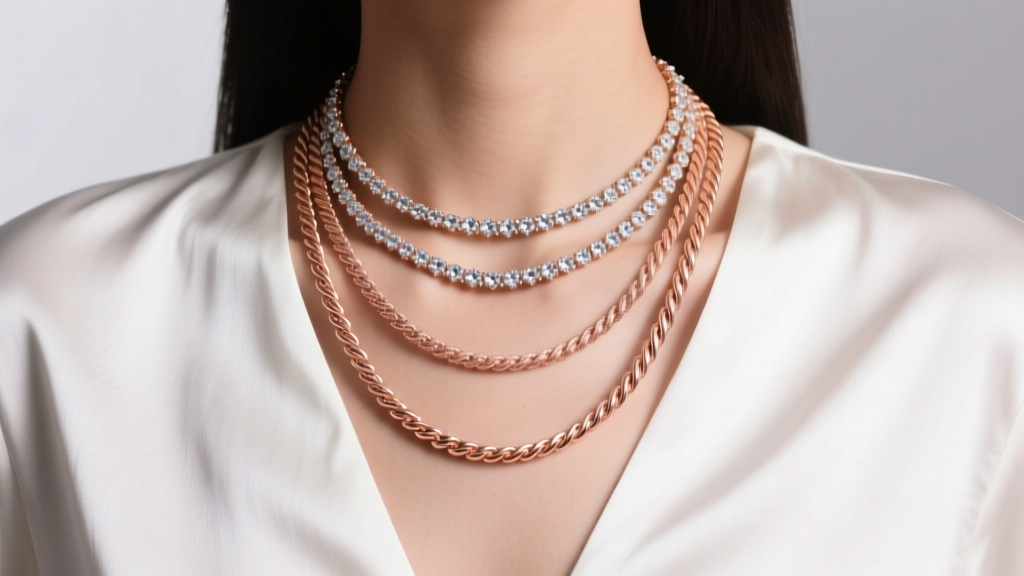
To protect your budget, you must be able to identify pricing gimmicks that inflate the perceived value of a diamond rope necklace without adding actual worth.
- The 'Illusion Setting' Trap: Some manufacturers use highly polished, mirrored metal halos around microscopic 0.005ct diamond chips. From three feet away, it looks like a 3.00 CTW chain. Up close, it is mostly metal. Always demand the exact carat weight stamped on the tag, not the 'visual carat weight.'
- Hollow-Core Pave: Paving diamonds onto a hollow electroformed gold chain is a recipe for disaster. The pressure of setting the stones weakens the thin gold shell. Always verify the chain is solid cast or solid die-struck.
- I3 Clarity Melee: While G-H and SI1-SI2 are standard and acceptable for pave, some budget brands use I3 (Included 3) diamonds. These stones are heavily fractured, lack brilliance, and are prone to crumbling during the setting process. According to GIA clarity grading standards, I3 inclusions are obvious to the naked eye and severely compromise the stone's durability.
The Value-Maximizing Buyer’s Checklist
Before authorizing a purchase, run the necklace through this rigorous assessment framework to ensure you are paying a fair market price:
- Verify Metal Purity and Weight: Demand the exact gram weight. Look for the 14k or 18k stamp and the manufacturer's hallmark.
- Confirm Diamond Origin and Grade: Ensure the invoice explicitly states 'Natural' or 'Lab-Grown' and lists the estimated color/clarity range (e.g., G-H Color, SI Clarity).
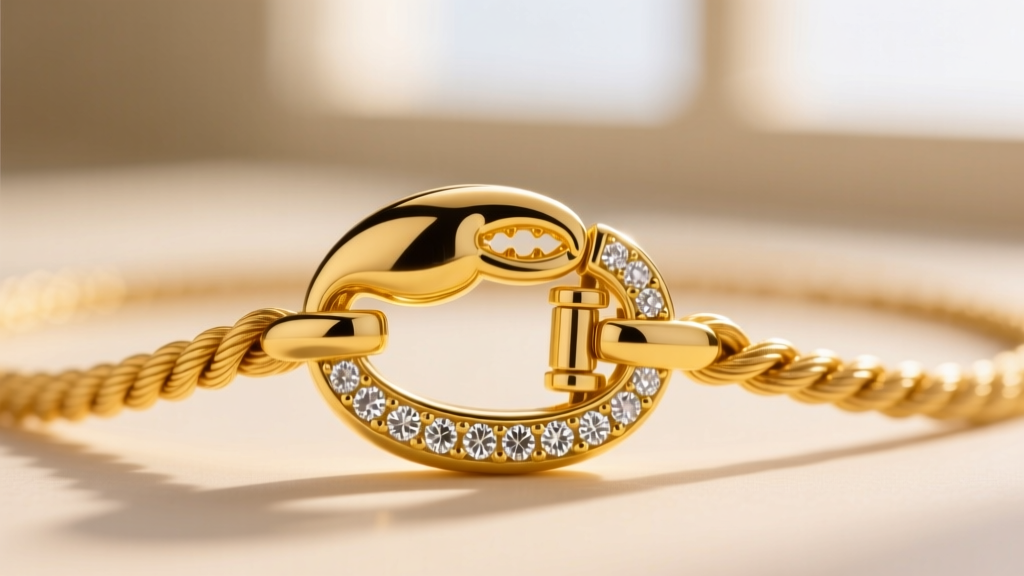
- Inspect the Clasp Mechanism: A heavy diamond rope chain requires a robust lobster clasp or a custom box clasp with dual figure-eight safety catches. A standard spring-ring clasp is a severe liability.
- Check for Snagging: Run the chain through a piece of fine silk or sheer fabric. A high-value, well-engineered rope chain should glide smoothly. If it catches, the pave settings are poorly finished and will destroy your clothing while wearing down the prongs.
- Evaluate the Warranty: A reputable jeweler should offer at least a one-year structural warranty covering prong tightening and link repair, reflecting their confidence in the chain's manufacturing.
Ultimately, the value of a diamond rope necklace is not found in an inflated insurance appraisal, but in the precision of its craftsmanship, the integrity of its materials, and the fairness of its retail markup. By focusing on solid gold weight, secure structural engineering, and smart diamond sourcing, you can acquire a breathtaking piece of jewelry that respects your budget and stands the test of time.


