Diamond and Sapphire Cross Necklace: 2026 Value & Pricing Guide
Discover how to evaluate a diamond and sapphire cross necklace in 2026. Learn pricing tiers, melee diamond grading, and sapphire origins for smart buying.

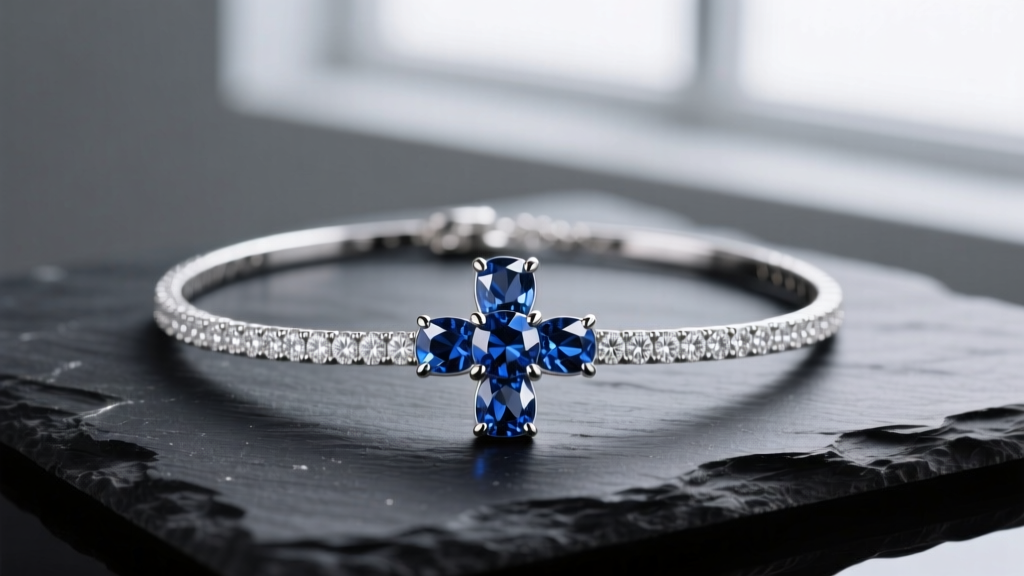
A diamond and sapphire cross necklace represents a unique intersection of devotional symbolism and high-end gemology. Unlike standard solitaire pendants or plain gold chains, combining these two distinct gemstones requires a careful balancing act of color, clarity, and structural integrity. As we navigate the 2026 jewelry market, buyers are increasingly scrutinizing the true value of multi-gemstone pieces, moving beyond mere carat total weight (CTW) to evaluate origin, treatment, and craftsmanship.
Whether you are investing in an heirloom piece or searching for a meaningful gift, understanding the mechanics of jewelry pricing is essential. This comprehensive value assessment breaks down exactly what drives the cost of a diamond and sapphire cross necklace, helping you distinguish between genuine quality and clever marketing.
The Anatomy of Value: Sapphires and Diamonds
The visual impact of this necklace style relies on the contrast between the deep, velvety blues of the sapphire and the crisp, refractive brilliance of the diamonds. However, from a budget assessment perspective, these two stones are evaluated very differently by gemologists.
Sapphires are valued primarily on color saturation and origin, while the diamonds used in cross pendants are typically 'melee' (small stones under 0.18 carats each) and are valued based on collective brilliance rather than individual grading reports. When a jeweler prices a diamond and sapphire cross necklace, they are calculating the scrap value of the precious metal, the wholesale cost of the melee diamonds by the parcel, and the highly variable per-carat cost of the sapphire.
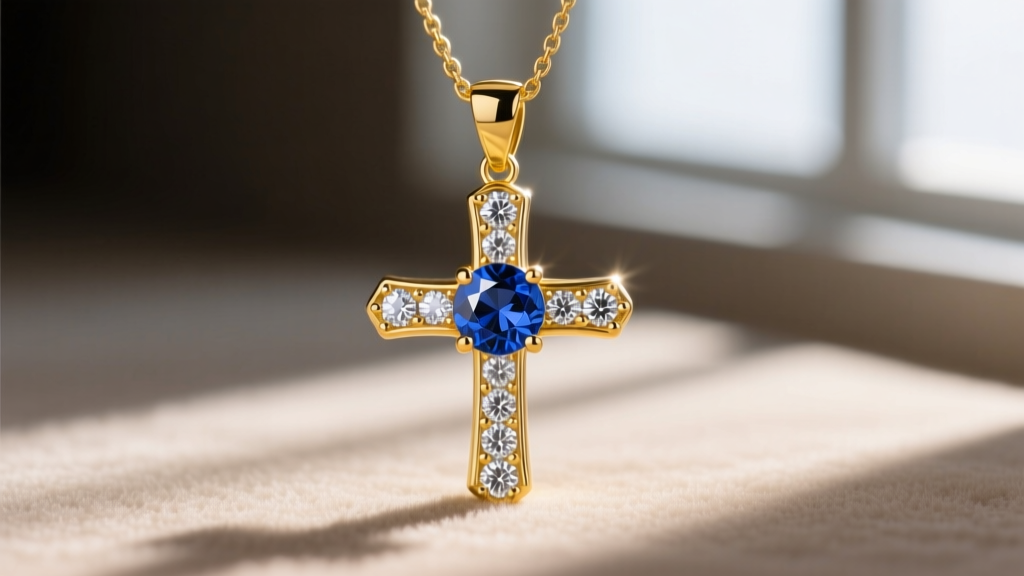
2026 Pricing Tiers: What Your Budget Actually Gets You
To accurately assess value, we must segment the market into three distinct tiers. The following table outlines what you should expect when shopping for a diamond and sapphire cross necklace in the current market.
| Tier | Price Range | Metal | Sapphire Quality | Diamond Quality |
|---|---|---|---|---|
| Entry / Commercial | $350 - $800 | 10k or 14k Gold (Lightweight) | Lab-Created (Flame Fusion) or Heated Commercial | I2-I3 Clarity, J-K Color |
| Mid-Range / Fine | $1,200 - $3,500 | 14k or 18k Gold (3-5 grams) | Natural Heated (Ceylon or Madagascar) | SI1-SI2 Clarity, G-H Color |
| Luxury / Investment | $5,000 - $15,000+ | 18k Gold or Platinum (Heavy) | Unheated Natural (Kashmir, Burmese, or Top Ceylon) | VS1-VS2 Clarity, D-F Color |
The Lab-Grown vs. Natural Sapphire Value Proposition
If your budget falls into the Entry tier, you will almost certainly encounter lab-created sapphires. It is vital to understand the difference between flame fusion (Verneuil process) and hydrothermal lab sapphires. Flame fusion stones are incredibly cheap to produce and often possess an unnaturally vivid, almost neon-blue hue that lacks the depth of natural stones. Hydrothermal lab sapphires, such as those produced by Chatham, mimic the earth's natural growing conditions and offer a much more convincing, high-end look.
According to the Federal Trade Commission Jewelry Guides, retailers must clearly disclose if a sapphire is lab-created. If a diamond and sapphire cross necklace is priced suspiciously low but claims to feature 'genuine' sapphires, scrutinize the fine print for terms like 'simulated' or 'crystallized,' which often indicate blue glass or synthetic spinel.
Evaluating the Diamonds: Melee Stone Grading Realities
One of the most common traps in jewelry valuation is the overemphasis on Carat Total Weight (CTW). A pendant boasting '1.00 CTW Diamonds' might sound impressive, but if that weight is distributed across 40 tiny melee stones of I3 clarity, the actual value of the diamonds is negligible.
Because the Gemological Institute of America (GIA) and other major labs do not issue full grading reports for melee diamonds, jewelers buy them in 'parcels' sorted by approximate color and clarity. When assessing a diamond and sapphire cross necklace, use a jeweler's loupe to inspect the diamonds. If you can easily see black carbon inclusions or the stones look milky and dull, you are looking at promotional-grade I2 or I3 diamonds. For a piece meant to last a lifetime, insist on SI (Slightly Included) clarity at a minimum, ensuring the diamonds reflect light sharply against the dark blue sapphires.
Sapphire Treatments: The Hidden Price Multiplier
In the mid-to-high tiers, the treatment of the natural sapphire will dictate the price more than almost any other factor. Over 90% of natural sapphires on the market are heat-treated to improve color and clarity. Standard heat treatment is universally accepted in the gem trade and does not destroy the stone's investment value.
However, you must aggressively avoid beryllium-diffused sapphires. This treatment introduces beryllium into the crystal lattice during heating to artificially create a blue color in otherwise worthless, pale stones. A diamond and sapphire cross necklace featuring beryllium-diffused sapphires should be priced at a steep discount, closer to lab-created stones, as the color is not natural to the gem's original formation. Always request a lab report from AGL, GIA, or Gübelin for any cross pendant priced over $2,500 to guarantee the sapphires are free of lattice diffusion or lead-glass fracture filling.
Metal Weight and Hallmarks: Structural Value Indicators
The precious metal framework of the cross pendant is the unsung hero of its long-term value and durability. Many commercial jewelers hollow out the back of the cross or cast it at a paper-thin 1.5 grams to save on gold costs. This results in a pendant that dents easily and wears through at the bail (the loop where the chain passes through) within a few years.
When conducting your budget assessment, check the gram weight. A high-quality, solid 14k or 18k gold cross pendant measuring roughly 1 inch by 0.75 inches should weigh between 3.5 and 5.5 grams. Furthermore, inspect the prongs holding the sapphires. Because sapphires are a 9 on the Mohs hardness scale (second only to diamonds), they require secure, well-shaped prongs. If the prongs are flat, snagged, or barely covering the girdle of the stone, the setting labor was rushed, compromising the security of your gems.
Red Flags and Overpaying Traps
To ensure you are making a financially sound purchase, watch out for these common retail traps:
- The 'Diamond Dust' Illusion: Some pendants use a cluster of microscopic diamond chips glued or poorly set around a sapphire to create the illusion of a larger stone. This is nearly impossible to repair or resize and holds virtually zero resale value.
- Misleading Chain Pairings: A heavy, high-value diamond and sapphire cross pendant should never be paired with a flimsy 0.8mm hollow rope chain. The weight of the pendant will snap a cheap chain. Factor in the cost of a solid 1.5mm to 2.0mm cable or wheat chain (adding $150-$400 to your budget) to properly support the piece.
- Color-Shift Sapphires: Some natural sapphires exhibit heavy color zoning or shift to a muddy gray under indoor LED lighting. Always view the necklace under both natural daylight and warm indoor light before purchasing.
Final Verdict: Maximizing Your Investment
Ultimately, the true value of a diamond and sapphire cross necklace lies in the harmony of its components. For everyday wear and excellent budget optimization, the 'sweet spot' in 2026 is a 14k solid gold setting featuring hydrothermal lab sapphires or responsibly sourced, heated Madagascar sapphires, accented by G-H color, SI-clarity melee diamonds. By prioritizing optical brilliance over inflated carat weights and demanding transparency regarding gemstone treatments, you can secure a breathtaking, durable piece that honors both your aesthetic standards and your financial boundaries.


