Pearl Choker Necklace Indian Styles: Troubleshooting & Care
Expert troubleshooting for your pearl choker necklace Indian styles. Fix silk thread stretching, luster loss, and clasp failures with our 2026 guide.

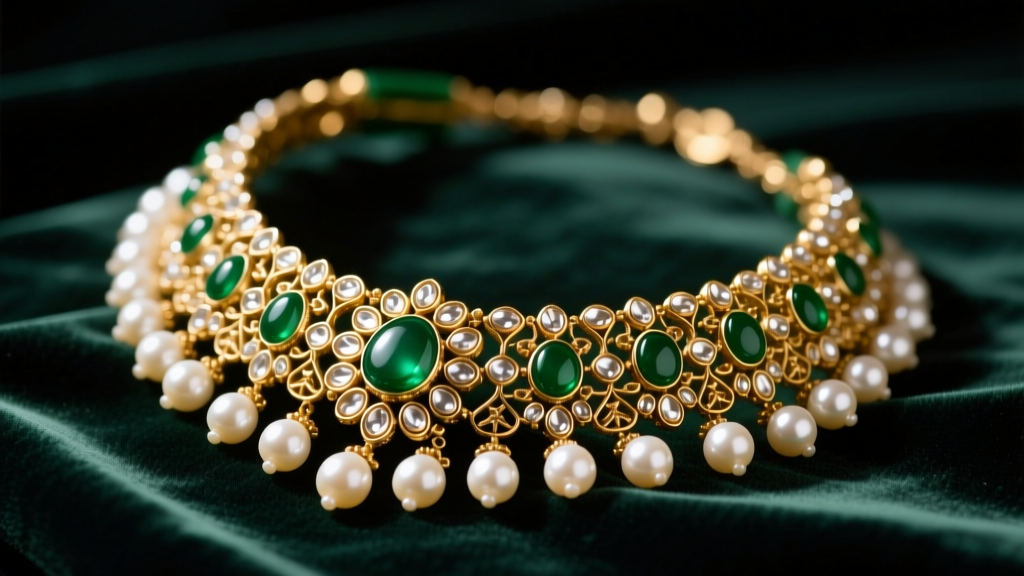
The Allure and Fragility of Indian Pearl Chokers
A classic pearl choker necklace Indian designers create often relies on delicate silk threading, intricate gold foil settings, and organic gemstones that react poorly to modern environmental stressors. Whether you are wearing a vintage Basra pearl heirloom or a contemporary South Sea pearl piece with Kundan accents, these necklaces require highly specific maintenance. In 2026, with shifting humidity patterns and the prevalence of acidic skincare products, the failure rate of traditional Indian pearl stringing has increased. This guide provides actionable, expert-level troubleshooting for the most common structural and cosmetic issues plaguing Indian pearl chokers, moving beyond basic jewelry care into professional-grade preservation techniques.
Diagnosing Silk Thread Degradation and Stretching
The backbone of any traditional Indian pearl choker is its stringing material. Authentic pieces are strung on pure silk, which is prized for its drape and knot-holding ability. However, silk is a protein fiber that degrades rapidly when exposed to the lactic acid and urea found in human sweat. If your choker feels rigid, or if you notice gaps exceeding 1mm between the knots and the pearls, the structural integrity is compromised.
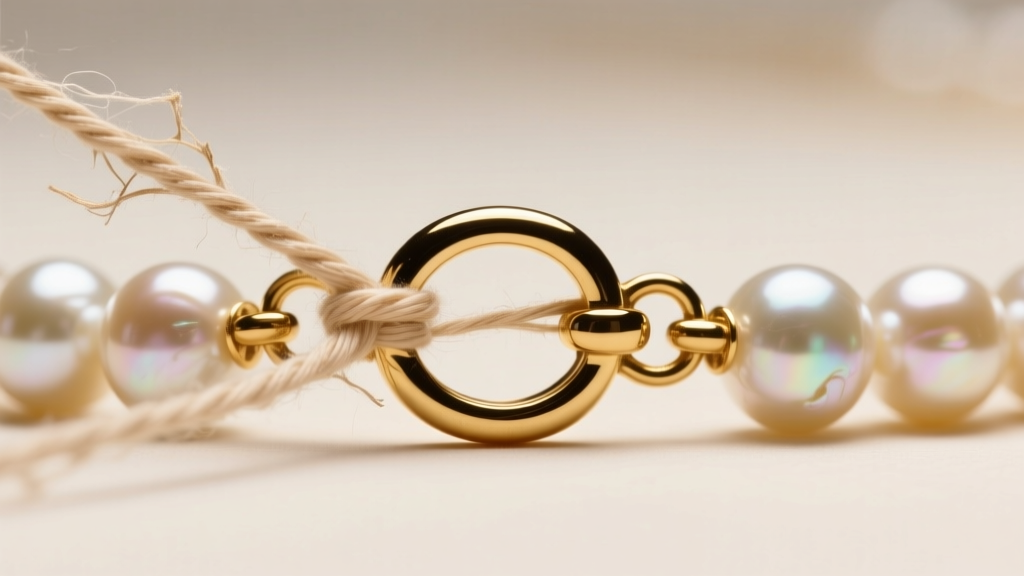
The Restringing Timeline and Material Upgrades
Do not wait for the thread to snap. A heavy multi-strand Indian choker can weigh over 80 grams; a sudden break will result in catastrophic pearl loss. When taking your piece to a master stringer, request specific material grades based on your pearl dimensions:
- Size F Silk (0.40mm): Ideal for 6mm to 8mm freshwater or Akoya pearls commonly used in lighter, everyday Indian chokers.
- Size FF Silk (0.50mm) or G (0.60mm): Mandatory for 10mm to 14mm South Sea pearls, providing the tensile strength needed to support the heavy nacre without stretching.
- French Wire (Gimp) Protection: Ensure the stringer uses 0.6mm sterling silver or gold-filled French wire at the clasp junction. This prevents the metal clasp from sawing through the silk thread during wear.
Expert Insight: If you wear your choker frequently in high-humidity climates, ask your jeweler to use a modern silk-nylon blend thread (like Griffin Power). It retains the matte finish and knot security of silk but offers a 40% higher resistance to moisture-induced stretching.
Solving Pearl Luster Loss in High-Humidity Climates
Pearls are organic gems composed of aragonite platelets held together by conchiolin. When exposed to the high humidity typical of Indian summers, combined with airborne pollutants and cosmetic chemicals, the conchiolin can dry out or become clouded, resulting in a chalky, lifeless appearance. According to the Gemological Institute of America (GIA), pearls should never be cleaned with ultrasonic cleaners or ammonia-based solutions, as these will strip the nacre.
Pearl Type Tolerance and Maintenance Matrix
Understanding the specific type of pearl in your Indian choker is critical for troubleshooting luster issues. Below is a breakdown of common pearls used in Indian jewelry and their environmental tolerances:
| Pearl Type | Nacre Thickness | Humidity Tolerance | Restringing Interval |
|---|---|---|---|
| South Sea (White/Gold) | 1.0mm - 4.0mm | Moderate (Prone to sweating) | Every 12-18 months |
| Freshwater (Dyed/White) | Solid Nacre | High (Very durable) | Every 24-36 months |
| Basra (Natural/Historical) | Variable (Often thin) | Low (Extremely fragile) | Every 12 months (Museum grade) |
| Akoya (Japanese) | 0.2mm - 0.8mm | Moderate | Every 18-24 months |
Troubleshooting Chalky Nacre: If your South Sea pearls have lost their orient and luster, wipe them immediately after wear with a microfiber cloth dampened with distilled water. Never use tap water, as the chlorine and fluoride can etch the calcium carbonate surface over time. For severe dehydration, professional jewelers can apply a microscopic layer of mineral oil to temporarily restore luster, though this is a stopgap measure.
Troubleshooting Clasp and Kundan Setting Failures
Indian pearl chokers frequently feature Kundan or Polki pendant drops integrated into the pearl strands. Kundan setting involves pushing highly refined 24k gold foil (kundan) around an uncut stone using a natural tree resin called lac. This traditional technique is notoriously vulnerable to modern troubleshooting scenarios.
The Melted Lac and Loose Stone Dilemma
If you notice a stone in your choker's pendant rattling or shifting, the lac has likely degraded. This happens when the necklace is exposed to heat (like leaving it in a hot car) or submerged in water, which causes the natural resin to soften or dissolve. Do not attempt to glue the stone yourself using cyanoacrylate (Super Glue). The chemical vapors will permanently cloud the surrounding pearls and the uncut diamond (Polki). A master Kundan artisan must carefully heat the setting, remove the stone, clean the old lac, and re-seat it using fresh resin and gold foil.
Upgrading Traditional Push-Clasps
The traditional Indian push-clasp (often called a bayan) is elegant but mechanically insecure for heavy pearl strands. The friction fit wears down over time, leading to accidental unfastening. To troubleshoot this without destroying the antique aesthetic:
- Retain the original ornamental push-clasp for visual continuity.
- Have a bench jeweler solder an 8mm 14k gold lobster clasp and a 2-inch safety chain to the existing end rings.
- Ensure the safety chain is attached using 2mm jump rings that are laser-welded shut, preventing the heavy choker from snapping the jump rings open under its own weight.

Authenticity Checks: Identifying Treated or Fake Pearls
The market for Indian bridal jewelry is saturated with shell-bead imitations and heavily treated freshwater pearls passed off as premium South Sea or natural Basra pearls. When troubleshooting a potential authenticity issue, rely on physical diagnostics rather than visual guesswork.
- The Drill Hole Inspection: Use a 10x jeweler's loupe to examine the drill holes. Genuine pearls will show a sharp, clean boundary where the nacre meets the drill hole. Imitation pearls often reveal a thin, peeling coating of 'pearl essence' (guanine crystals) or show rounded, melted plastic edges.
- The Tooth Test (With Caution): Gently rub the pearl against the biting edge of your front tooth. Real nacre feels distinctly gritty or sandy due to the microscopic aragonite platelets. Glass or plastic imitations will feel perfectly smooth. Note: Never do this on antique or heavily dyed pearls, as you may damage the surface treatment.
- UV Fluorescence: Under long-wave UV light (365nm), natural saltwater pearls typically exhibit a muted, chalky blue or yellowish fluorescence. Many dyed freshwater pearls used in lower-tier Indian chokers will show unnatural, bright orange or pink fluorescence due to the chemical dyes used to mimic the golden hue of South Sea pearls.
Preventative Maintenance Checklist for Heirloom Pieces
Preserving a pearl choker necklace Indian craftsmen have spent weeks assembling requires a disciplined storage and handling routine. Implement this checklist to prevent the need for emergency repairs:
- Isolate from Hard Gemstones: Store the choker flat in a soft, unbleached cotton pouch. Never store it in a communal jewelry box where diamond or sapphire accents from other pieces can scratch the 2.5 Mohs hardness pearl nacre.
- The 'Last On, First Off' Rule: Pearls must be the last item you put on after applying hairspray, perfume, and makeup, and the first item you take off. The alcohol in perfumes rapidly degrades the conchiolin binding agent.
- Hydration Storage: If you live in an arid climate or use central heating, pearls can dehydrate and crack. Store the cotton pouch inside a sealed plastic bag with a damp (not wet) cellulose sponge to maintain a stable 40-50% relative humidity microenvironment, as recommended by GIA quality factor guidelines.
By understanding the specific material science behind silk stringing, Kundan settings, and organic nacre, you can effectively troubleshoot and preserve your Indian pearl choker for generations, ensuring it remains a flawless centerpiece for every occasion.


