How to Restore and Style a Vintage Sarah Cov Gold Necklace
Learn how to authenticate, safely clean, and style a vintage Sarah Cov gold necklace with our expert step-by-step restoration and layering guide.

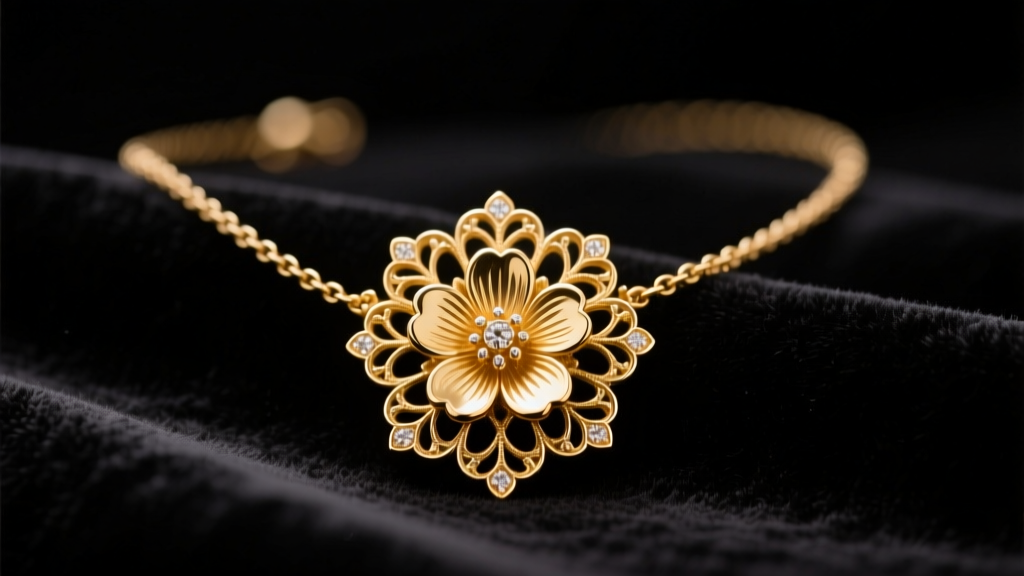
The secondary market for mid-century costume jewelry has exploded, and at the center of this renaissance is the highly sought-after sarah cov gold necklace. Whether you inherited a piece from your grandmother or scored a rare 1960s pendant at an estate sale, Sarah Coventry (often abbreviated as Sarah Cov by collectors and search engines) represents a golden era of American direct-sales jewelry. However, vintage gold electroplate requires highly specific care to prevent irreversible damage to its delicate finish.
In this comprehensive guide, we will walk you through the exact steps to authenticate, safely clean, repair, and modernize your vintage gold-toned necklaces, ensuring they remain staple pieces in your wardrobe for decades to come.
The Legacy of Sarah Coventry Gold-Tone Jewelry
Founded in 1949 by Charles H. Stuart, Sarah Coventry was named after his granddaughter. It pioneered the home-party direct-sales model, empowering thousands of women to become independent jewelry consultants. The brand ceased its original operations in 1984, making authentic pieces highly collectible today.
'Sarah Coventry pieces are a time capsule of mid-century American fashion. The gold-tone alloys they utilized were specifically formulated to mimic the warm, rich hue of 18k gold, a stark contrast to the paler 14k gold alloys popular in fine jewelry at the time.' — Vintage Jewelry Historian
When you are hunting for a vintage sarah cov gold necklace, you are typically looking at a base metal—usually brass or a zinc-copper white metal alloy—that has been finished with a micron-thin layer of gold electroplate. Understanding this metallurgical reality is the first step to proper restoration.
Step 1: Authenticating Your Sarah Cov Gold Necklace
Before applying any cleaning solutions, you must verify the piece's authenticity and era. The markings on Sarah Coventry jewelry evolved significantly over its 35-year original run.
Decoding the Hallmarks
- 1950s (Early Era): Look for the full script 'Sarah Coventry' stamped directly onto the clasp or a small soldered tag. Some early pieces are entirely unmarked but feature distinct, heavy fold-over clasps.
- 1960s to 1970s (Peak Era): The copyright symbol (©) was introduced. You will often see '© Sarah Coventry' or the abbreviated '© Sarah Cov'. This is the most common marking found on the highly desirable floral and geometric gold-tone pendants of the 1970s.
- 1980s (Late Era): Marks became smaller and less prominent, sometimes just a stamped 'SC' or 'Sarah C' on the jump ring.
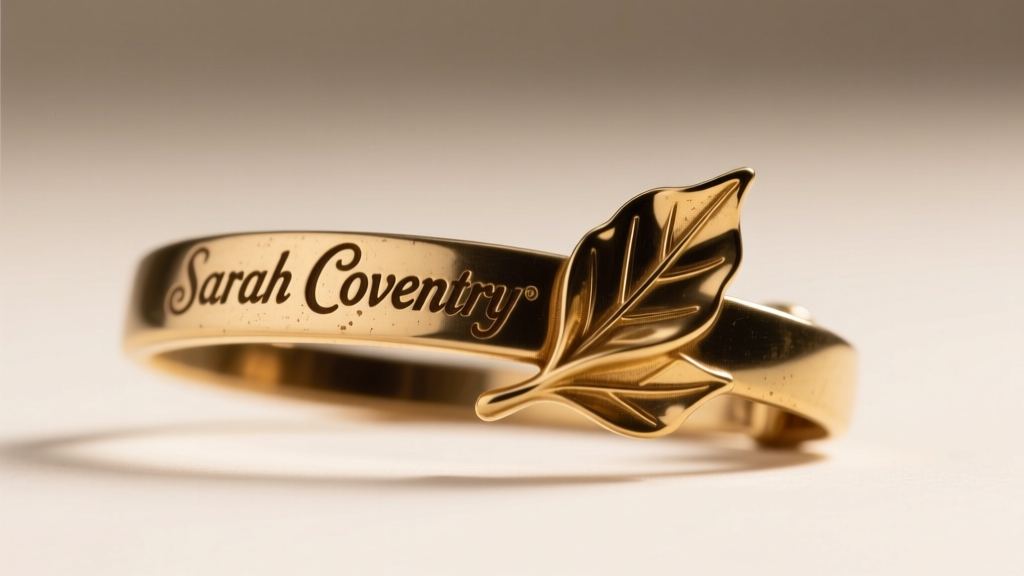
According to the extensive archives at Collectors Weekly, the weight of the chain is also a dead giveaway. Authentic vintage Sarah Cov chains have a substantial, heavy drape compared to modern, hollow-manufactured costume chains. If the necklace feels unusually light or the gold has a stark, brassy-yellow tint rather than a warm honey hue, it may be a later reproduction.
Step 2: Safe Cleaning Methods for Gold Electroplate
The most common mistake collectors make is treating gold electroplate like solid gold. Never use ultrasonic cleaners, jewelry dips, or polishing pastes on a sarah cov gold necklace. The cavitation from ultrasonic waves and the mild abrasives in pastes will strip the gold wash right off the base metal, leaving you with a dull, greyish chain.
The Distilled Water and pH-Neutral Soap Method
- Prepare the Solution: Mix two cups of distilled water (tap water contains chlorine and hard minerals that will spot the electroplate) with three drops of pH-neutral dish soap, such as original blue Dawn.
- The Soak: Submerge the necklace for no more than 3 to 5 minutes. This loosens decades of accumulated skin oils, perfume residue, and environmental dust.
- Gentle Agitation: Using an extra-soft baby toothbrush, gently sweep the bristles over the intricate details of the pendant and the links of the chain. Do not scrub; let the bristles do the lifting.
- The Rinse: Rinse the piece under a gentle stream of lukewarm distilled water.
- Drying: Pat the necklace dry with a lint-free microfiber cloth. Immediately use a hair dryer on the 'cool' setting to blow water out of the crevices and clasp mechanisms. Trapped moisture is the primary cause of base-metal oxidation and green skin.
Step 3: Repairing Common Vintage Necklace Failures
Even with meticulous care, a 50-year-old necklace will require mechanical repairs. The most frequent failure points are the clasps and the jump rings.
Clasp Replacement and Upgrades
Original spring-ring clasps on vintage pieces often have weakened internal springs. Upgrading the clasp not only secures your investment but makes it easier to put on. Below is a breakdown of common vintage clasps and their modern replacement viability.
| Original Clasp Type | Era | Replacement Difficulty | Recommended Modern Upgrade |
|---|---|---|---|
| Barrel / Screw Clasp | 1950s | High (Requires soldering) | Keep original; repair threads |
| Fold-Over Clasp | 1960s-70s | Medium (Pliers & jump rings) | Lobster claw with extender chain |
| Spring Ring | 1970s-80s | Low (Simple snip & loop) | Heavy-duty gold-plated lobster |
Addressing Gold Plate Loss (Brassing)
If your necklace shows signs of 'brassing'—where the underlying copper or brass shows through the gold on high-friction areas—you have two options. You can embrace the patina as a sign of authentic vintage wear, or you can send it to a professional electroplating service. Re-plating a standard pendant necklace typically costs between $65 and $120, depending on the complexity of the setting and the karat of gold used for the new wash. Services like Quick Jewelry Repairs specialize in restoring vintage costume pieces without damaging glued-in rhinestones.
Step 4: Styling Vintage Gold for Modern Wardrobes
A sarah cov gold necklace is a statement piece, but styling it in 2026 requires balancing its inherent vintage charm with contemporary silhouettes. The rich, warm tone of mid-century gold electroplate pairs beautifully with modern earth tones, deep emeralds, and rich burgundies.

The Art of the Mixed-Metal Layering Stack
One of the most effective ways to modernize a vintage Sarah Coventry pendant is to integrate it into a layered necklace stack. Because vintage gold tone is noticeably warmer and slightly more orange than modern 14k solid yellow gold, you need a 'bridge' piece to tie the metals together.
- The Base Layer: Start with a delicate 18-inch modern 14k solid gold snake chain. This sits close to the collarbone and provides a bright, modern metallic anchor.
- The Bridge Layer: Add a 22-inch strand of freshwater baroque pearls or a tortoiseshell beaded chain. The organic textures and neutral tones bridge the gap between modern pale gold and vintage warm gold.
- The Hero Piece: Your vintage Sarah Cov gold pendant on its original 24-inch chain. Let the heavy, textured gold rest against your clothing, serving as the focal point of the stack.
Neckline Pairings
Heavy, ornate Sarah Coventry pendants from the 1970s feature large, sculptural floral or geometric motifs. These demand negative space. Pair them with deep V-neck silk blouses, open-collared linen shirts, or simple ribbed knit turtlenecks in the winter. Avoid wearing them with busy patterns or ruffled collars, which will compete with the intricate metalwork of the pendant and cause unnecessary friction that wears down the gold plate.
Sourcing and Valuation Guide
If you are looking to acquire your first authentic sarah cov gold necklace, the secondary market is robust. Platforms like Ruby Lane and Etsy are excellent starting points, but pricing varies wildly based on condition and rarity.
Standard, mass-produced floral pendants in good condition typically range from $25 to $45. However, rare, heavy link-chain collars or pieces featuring intact, unfoiled aurora borealis (AB) rhinestones can command $150 to $300. Always request high-resolution macro photos of the clasp and the back of the pendant to check for base metal corrosion before purchasing. With the right authentication and gentle care, your vintage Sarah Coventry gold necklace will remain a timeless, wearable piece of American fashion history.