2026 Hidden Knife Necklace Buying Guide & Safety Tips
Discover what to look for in a hidden knife necklace. Our 2026 buying guide covers blade steels, titanium housings, deployment types, and legal tips.
The Intersection of Stealth EDC and Jewelry
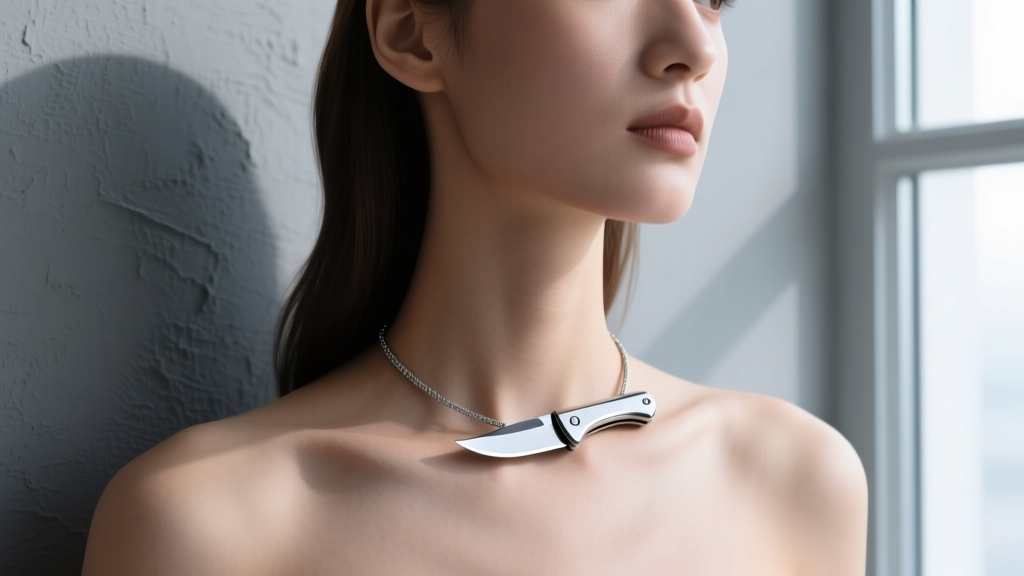
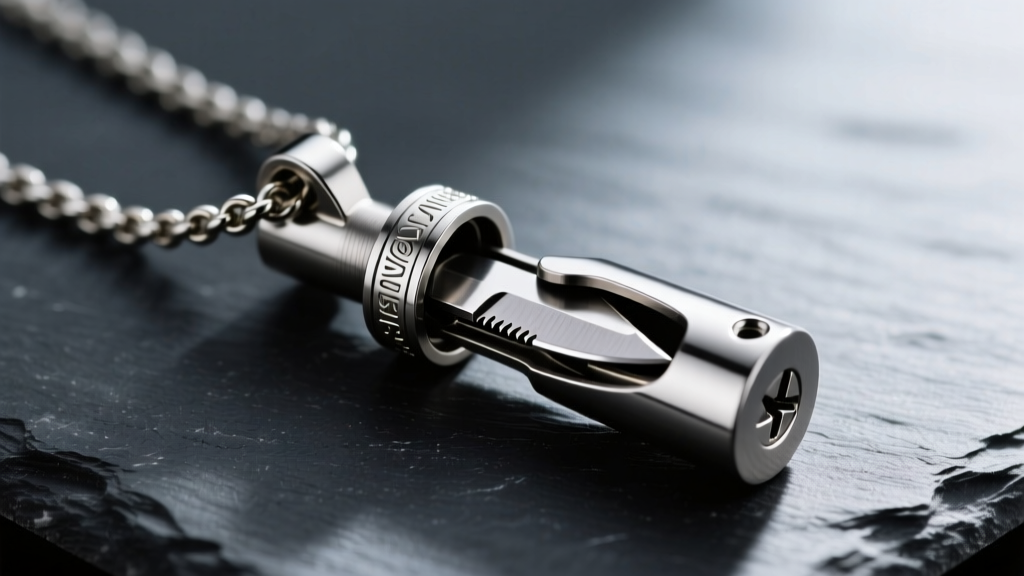
The modern Everyday Carry (EDC) community constantly seeks ways to integrate utility into daily attire without sacrificing aesthetics. Enter the hidden knife necklace—a highly specialized piece of functional jewelry that conceals a micro-blade or scalpel within a pendant housing. While often marketed with tactical undertones, the reality of carrying a concealed blade necklace in 2026 is rooted in practical utility: cutting paracord, opening stubborn packaging, or slicing fishing line. However, because this accessory blurs the line between jewelry and a concealed weapon, purchasing one requires a deep understanding of metallurgy, mechanical tolerances, and legal restrictions. This comprehensive buying guide will walk you through the exact specifications you need to evaluate before adding a hidden blade pendant to your rotation.
Housing Materials: Titanium vs. Stainless Steel
The outer shell of the pendant dictates the necklace's weight, durability, and skin compatibility. Because the housing must endure constant friction against the chest and occasional impacts, material selection is critical.
Grade 5 Titanium (Ti-6Al-4V)
The gold standard for premium EDC jewelry. Grade 5 titanium is significantly stronger than pure titanium and offers an exceptional strength-to-weight ratio. A titanium housing will typically weigh between 15 and 25 grams, making it comfortable for all-day wear. Furthermore, it is completely hypoallergenic and highly resistant to corrosion from sweat and humidity. The primary drawback is the cost; CNC-machined titanium pendants usually start around $85 and can exceed $200 for custom anodized runs.
316L Surgical Stainless Steel
A more budget-friendly option, 316L stainless steel offers excellent corrosion resistance and a satisfying, heavy drape. However, a steel housing can weigh upwards of 60 grams. Over time, this concentrated weight can cause neck fatigue and will rapidly stretch out weaker chains. Steel housings are ideal for those who prefer a heavier, more traditional jewelry feel, typically pricing between $30 and $60.
Carbon Fiber Composites
Occasionally, manufacturers use forged carbon fiber for the outer sleeve to reduce weight and provide a unique, marbled aesthetic. While lightweight, carbon fiber can be brittle if dropped on hard surfaces like concrete, potentially cracking the housing and compromising the blade retention.
Blade Metallurgy and Edge Retention
The blade inside a hidden knife necklace is usually a micro fixed blade or a replaceable surgical scalpel. Because these blades are incredibly small (often under 1.5 inches), they require high-end steel to maintain a functional edge. According to the Blade HQ Steel Chart, the following steels are the most reliable for micro-blades:
| Steel Type | Hardness (HRC) | Edge Retention | Corrosion Resistance | Best Application |
|---|---|---|---|---|
| S35VN | 58-61 | Excellent | High | Premium fixed micro-blades |
| 440C | 56-58 | Good | Very High | Mid-tier EDC pendants |
| D2 Tool Steel | 59-62 | Excellent | Low | Heavy-duty cordage cutting |
| 440A Stainless | 55-57 | Fair | Excellent | Budget/Entry-level models |
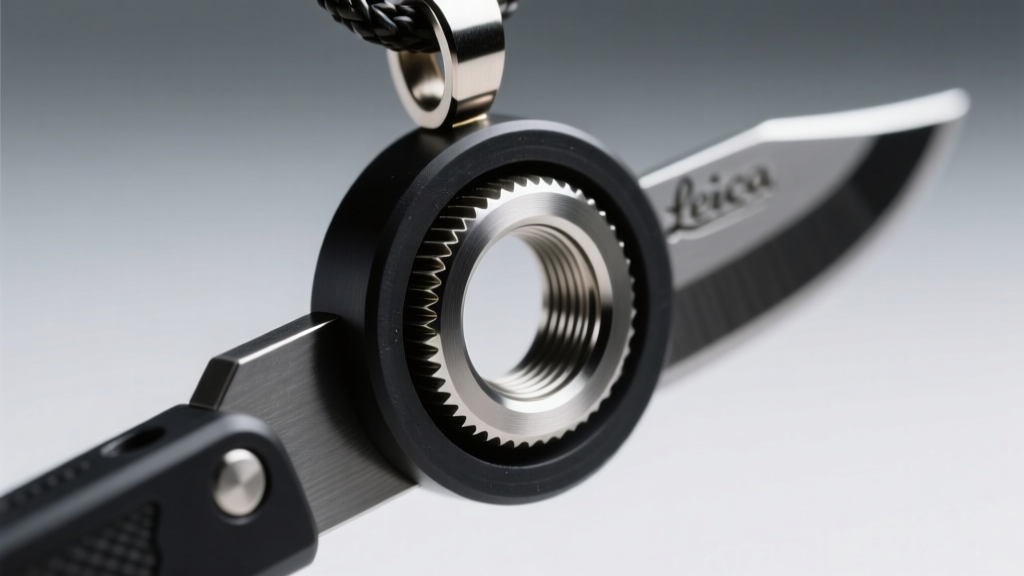
Pro-Tip: Many high-end hidden knife necklaces bypass traditional blade steels entirely by utilizing standard #11 or #15 surgical scalpel blades. These high-carbon stainless steel blades are razor-sharp, easily replaceable, and cost pennies per unit. If you opt for a scalpel-based pendant, ensure the internal collet or friction-grip mechanism is precision-machined to prevent the blade from rattling or slipping during use.
Deployment Mechanisms and Safety Tolerances
How the blade is accessed—and more importantly, how it is secured when not in use—is the most critical safety factor. A poorly designed retention system can lead to accidental deployment inside your shirt, resulting in severe injury.
Threaded Caps with O-Ring Seals
The safest and most common mechanism. The pendant unscrews to reveal the blade. Look for housings that feature an internal Buna-N or Viton O-ring (typically 70A or 90A durometer). This O-ring serves two purposes: it provides the necessary friction to prevent the cap from vibrating loose during daily movement, and it creates a waterproof seal to protect the blade from sweat and humidity. Ensure the threading is fine-pitch; coarse threads can cross-thread or strip over time.
Magnetic Retention
Some tactical pendants use rare-earth neodymium magnets to hold the cap in place, allowing for rapid, one-handed deployment. While fast, magnetic retention is inherently risky for a concealed blade. A sudden impact or a hard tug on the necklace can dislodge the cap. If you choose a magnetic model, ensure it includes a secondary mechanical detent or locking ring.
Friction-Fit / Push-Pull
Often found in minimalist designs, the blade slides out of a tight sleeve. These rely entirely on machining tolerances. Over time, wear and pocket lint can loosen the fit, making them less reliable for long-term EDC.
Chain Selection: Tensile Strength vs. Concealment
The chain must support the weight of the pendant while remaining discreet. More importantly, if the necklace is grabbed, the chain's breaking point becomes a vital safety consideration to prevent choking hazards.
- 2.4mm Stainless Steel Ball Chain: The standard for dog tags and budget pendants. It has a low profile but a relatively low tensile breaking strength (around 45-60 lbs). It will snap under moderate force, which is actually a safety feature to prevent strangulation, but it may break prematurely if the pendant is heavy.
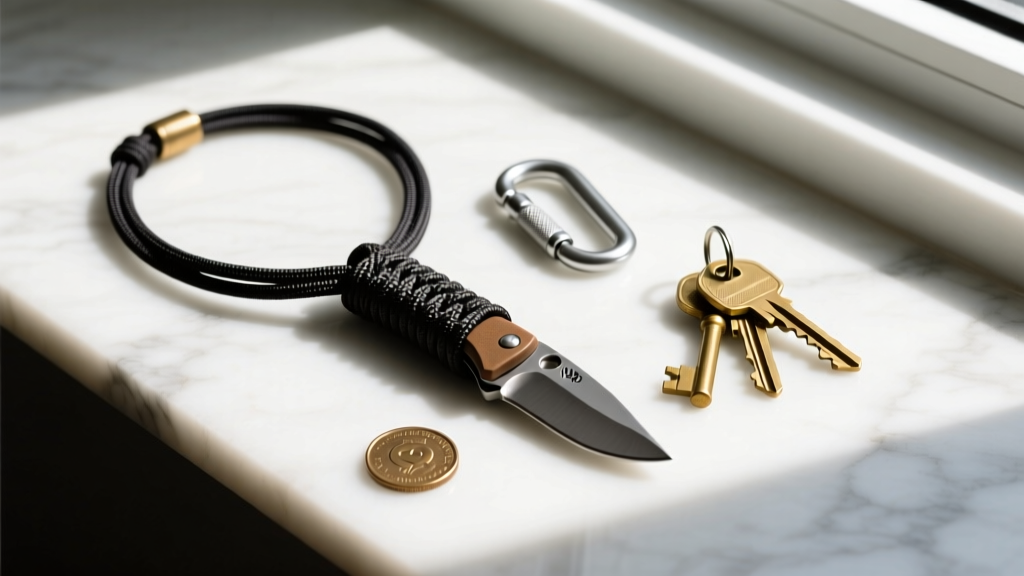
- 550 Paracord: Rated for 550 lbs of static weight. Paracord is lightweight, silent, and incredibly strong. It is the preferred choice for heavier titanium or steel housings. However, it absorbs sweat and requires occasional washing.
- Titanium Bead Chain: Offers the aesthetic of a ball chain but with higher corrosion resistance and a lighter weight. Premium EDC brands often pair Grade 5 titanium pendants with matching titanium bead chains for a cohesive, high-end look.
Legalities, TSA Regulations, and Social Perception
Carrying a hidden knife necklace requires strict adherence to local laws and transit regulations. Because the blade is concealed within what appears to be standard jewelry, it can easily be classified as a "concealed weapon" or a "dirk/dagger" depending on your jurisdiction.
Air Travel and TSA Rules
According to the official TSA Prohibited Items guidelines, all knives (with the exception of plastic or round-bladed butter knives) are strictly banned in carry-on luggage. A hidden knife necklace will absolutely trigger an alarm or be flagged during an X-ray or pat-down. Attempting to wear or pack this in your carry-on will result in confiscation, missed flights, and potential civil penalties. Always pack concealed blade jewelry in your checked baggage.
Local Concealed Carry Laws
In regions with strict knife laws (such as New York, California, or the UK), a blade hidden inside a pendant may be legally interpreted as an attempt to conceal a weapon, elevating a simple utility tool violation to a criminal offense. Always frame and utilize your hidden knife necklace strictly as a utility cutting tool. Avoid "tactical" marketing language when discussing the item with authorities or in public spaces to maintain a clear, legal distinction between a tool and a weapon.
Maintenance and Care Routine
Because the blade is stored in a dark, enclosed space close to the body, it is highly susceptible to sweat-induced corrosion, even with high-end steels like S35VN.
- Monthly Cleaning: Unscrew the housing and wipe the internal threads and blade with a microfiber cloth dampened with 99% isopropyl alcohol to remove skin oils and salt.
- Lubrication: Apply a microscopic drop of mineral oil or a dedicated knife pivot lube to the blade and the O-ring. This prevents the rubber from drying out and cracking while protecting the steel edge.
- O-Ring Replacement: Rubber O-rings degrade over time. Keep a pack of metric O-rings (usually 10mm to 14mm outer diameter, depending on the brand) on hand and replace them annually to maintain the waterproof seal and retention friction.
Final Verdict: What to Buy
When shopping for a hidden knife necklace in 2026, prioritize safety and machining quality over aggressive tactical aesthetics. A Grade 5 titanium housing with a threaded, O-ring sealed cap and a replaceable #11 scalpel blade offers the best balance of lightweight comfort, absolute safety, and relentless cutting utility. Pair it with a high-quality 550 paracord or titanium bead chain, respect local transit laws, and you will have a highly functional, stealthy EDC tool that doubles as a striking piece of modern industrial jewelry.


