Key in Heart Necklace Buying Guide: What to Look For
Discover what to look for when buying a key in heart necklace. Expert tips on metal grades, chain pairings, hinge durability, and pricing tiers.

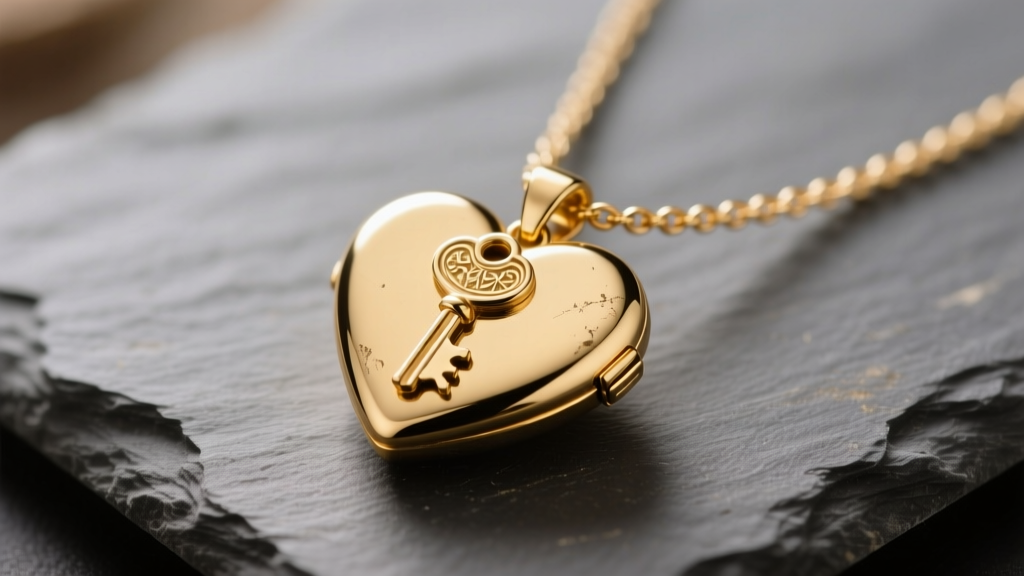
The Anatomy of a Key in Heart Necklace
The key in heart necklace is a timeless romantic motif, but from a jewelry manufacturing perspective, it represents one of the most mechanically complex pendant designs on the market. Unlike a standard stamped charm, a functional key and heart locket requires precise tolerances, moving parts, and structural integrity to survive daily wear. When shopping for this specific design, buyers must evaluate two distinct categories: static puzzle pendants (where the key rests inside a cutout but does not move) and functional lockets (where the key physically unlocks a hinged compartment). This guide focuses heavily on the functional locket, as it demands rigorous scrutiny regarding metallurgy, hinge mechanics, and chain dynamics to prevent catastrophic failure.
Metallurgy and Hardness: Why the Key Material Matters
The most common point of failure in a key in heart necklace is a bent or stripped key shaft. This occurs when the metal used is too soft to withstand the torque applied during unlocking. According to the Gemological Institute of America (GIA), the alloy composition of gold drastically affects its yield strength and Vickers hardness (HV).
14k Gold vs. 18k Gold for Functional Keys
While 18k gold (75% pure gold) is highly prized for its rich color and hypoallergenic properties, it is relatively soft, measuring around 110 HV. If an 18k gold key is forced into a misaligned keyway, the shaft will bend permanently. Conversely, 14k gold (58.5% pure gold) is alloyed with copper, silver, and zinc, pushing its hardness to roughly 130-140 HV. For the key component specifically, 14k gold is vastly superior due to its structural rigidity. If you are purchasing an 18k gold heart locket, ensure the key itself is cast in a harder alloy or reinforced with a steel core pin.
Sterling Silver and Rhodium Plating
925 sterling silver is an excellent, affordable choice, but it is prone to tarnishing, especially in the deep crevices of a keyhole where skin oils and moisture accumulate. Look for sterling silver pieces that feature flash rhodium plating over the keyway and key teeth. Rhodium not only provides a bright, white-gold-like finish but acts as an impermeable barrier against oxidation. Always verify the Federal Trade Commission (FTC) Jewelry Guides compliance by checking for a clear ".925" or "Sterling" hallmark stamped on the bail or the back of the heart.
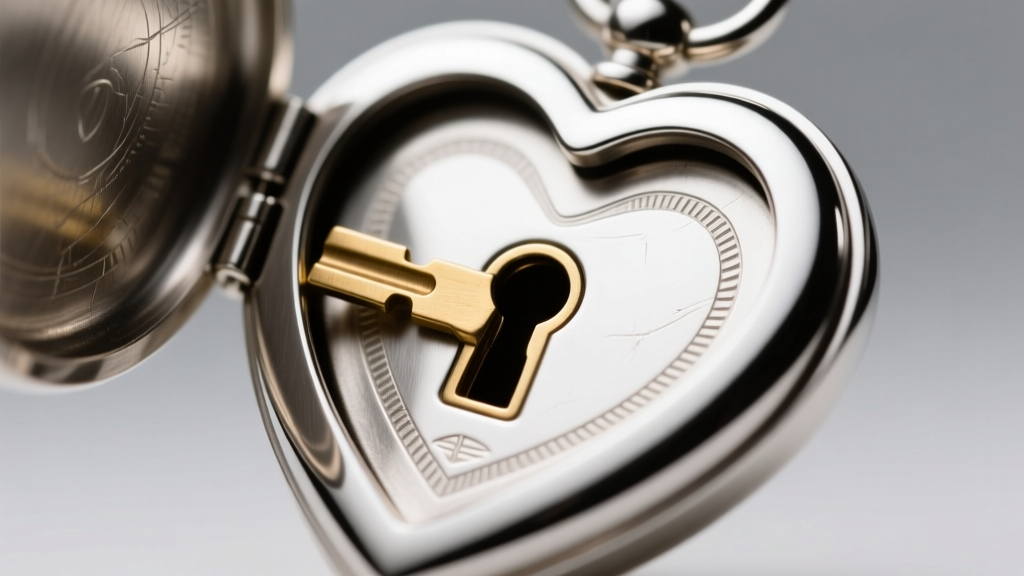
Evaluating the Hinge and Lock Mechanism
The hinge is the heart of the locket. A poorly engineered hinge will either snap under the dynamic weight of the necklace or fail to close securely, rendering the key useless. When inspecting a key in heart necklace, you must identify the hinge type and test the key tolerance.
- Friction Hinges: Common in lower-priced silver lockets. These rely on the tension of the metal itself to stay open or closed. Over time, the metal fatigues, and the locket will no longer snap shut securely.
- Soldered Barrel Hinges: The gold standard for fine jewelry. A tiny, machined metal barrel is soldered to both halves of the heart, with a hardened steel or brass pin driven through the center. This provides a permanent, wobble-free pivot point.
- Keyway Tolerance: Insert the key and gently wiggle it. There should be less than a 1-millimeter lateral play. Excessive wiggle indicates poor casting tolerances, which will quickly strip the internal locking catch.
The Bail and Jump Ring Connection
Because a functional key in heart pendant consists of two heavy, moving pieces, it generates significant kinetic friction against the chain. The bail (the loop connecting the pendant to the chain) must be soldered shut. If the manufacturer used a simple open jump ring, the constant rubbing of the key against the heart will eventually pry the ring open, resulting in the loss of the pendant.
Chain Pairing: Weight, Gauge, and Clasp Dynamics
A functional heart locket with a solid metal key typically weighs between 4.5 and 8.5 grams. Pairing this with a delicate, hollow chain is a recipe for breakage. You need a chain with high tensile strength and a clasp that can handle dynamic movement. Below is a structural benchmark for pairing chains with key and heart pendants, based on technical data from Rio Grande Jewelry Supply.
| Chain Style | Recommended Gauge (mm) | Max Pendant Weight | Durability Rating |
|---|---|---|---|
| Solid Box Chain | 1.2mm - 1.5mm | Up to 10g | Excellent (Resists kinking) |
| Wheat (Spiga) Chain | 1.3mm - 1.8mm | Up to 15g | Superior (Highest tensile strength) |
| Cable Chain | 1.5mm - 2.0mm | Up to 8g | Good (Ensure soldered links) |
| Hollow Rope Chain | 2.0mm+ | Under 4g | Poor (Prone to crushing/denting) |
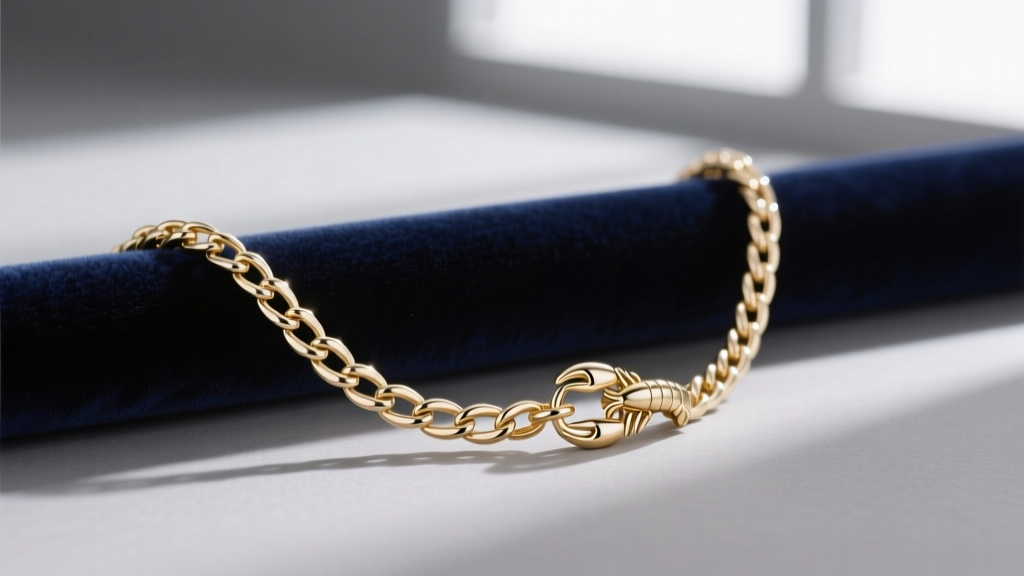
Clasp Selection: Never rely on a standard 8mm spring ring clasp for a two-piece locket. The lateral force of the key swinging can easily unhook a small spring ring. Always upgrade to a 12mm or 14mm lobster clasp, which features a stronger internal spring and a deeper hook geometry to prevent accidental unclasping.
Pricing Tiers and Market Benchmarks (2026)
Understanding the true cost of materials helps you avoid overpaying for plated fashion jewelry disguised as fine jewelry. With precious metal spot prices remaining elevated in 2026, here is what you should expect to pay for a quality key in heart necklace:
- Fashion / Gold-Plated Brass ($30 - $75): The key and heart are cast in brass or zinc alloy and flash-plated. The plating will wear off the key teeth within months of use, exposing skin to potential nickel allergies. Avoid for daily wear.
- Solid 925 Sterling Silver ($90 - $220): The sweet spot for durability and affordability. Expect to pay a premium ($150+) for pieces featuring soldered barrel hinges and rhodium-plated keyways.
- Solid 14k Gold ($650 - $1,400+): Pricing is heavily dictated by the gram weight of the piece and current gold spot prices. A solid 14k gold functional locket weighing 6 grams should cost roughly $500-$700 in raw material value, plus a 40-60% markup for labor, hinge engineering, and retail overhead.
Final Verdict: The Pre-Purchase Inspection Checklist
Before finalizing your purchase, whether in a boutique or online, run through this rapid inspection checklist to ensure you are buying a structurally sound piece of jewelry:
Expert Checklist:
1. Verify the metal hallmark (925, 14K, 585).
2. Confirm the bail jump ring is soldered completely shut.
3. Test the key: it should slide in smoothly with a distinct, tactile "click" upon locking.
4. Inspect the hinge for lateral wobble; it should feel rigid.
5. Ensure the chain is solid (not hollow) and features a lobster clasp.
A well-crafted key in heart necklace is an heirloom-quality piece that bridges mechanical ingenuity with romantic symbolism. By prioritizing metallurgical hardness, precision hinges, and appropriate chain gauges over superficial aesthetics, you ensure the piece remains functional and beautiful for decades.


