Diamond Topaz Necklace Buying Guide: What to Look For
Discover our expert diamond topaz necklace buying guide. Learn about topaz varieties, melee diamond quality, durable settings, and pricing tiers.

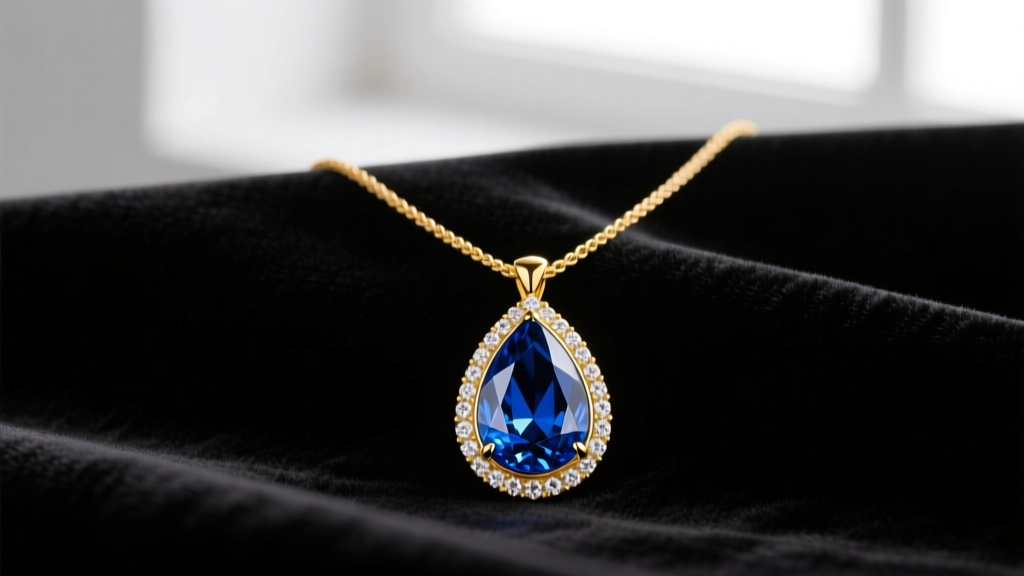
The Anatomy of a Diamond Topaz Necklace
A diamond topaz necklace represents one of the most versatile and visually striking pairings in fine jewelry. Topaz (Al2SiO4(F,OH)2) offers exceptional clarity, high refractive brilliance, and a Mohs hardness of 8, making it a durable choice for daily wear. When accented with diamonds, the contrast between the vivid body color of the topaz and the scintillation of the diamond halo creates a luxurious aesthetic at a fraction of the cost of sapphire or emerald alternatives. However, not all topaz is created equal. The market is flooded with treated, coated, and poorly set stones that can degrade or chip within months. This comprehensive buying guide breaks down the exact material grades, setting requirements, and pricing frameworks you need to know in 2026 to make an informed purchase.
Decoding Topaz Varieties: Color and Treatment Disclosures
The most critical factor in evaluating any diamond topaz necklace is understanding the origin of the stone's color. While topaz occurs naturally in a spectrum of hues, the vast majority of commercial jewelry features treated stones. According to the Gemological Institute of America (GIA), disclosure of these treatments is mandatory for ethical retail, yet many online vendors obscure this information.
| Topaz Variety | Color Profile | Treatment Method | Durability & Care | Avg. Price per Carat |
|---|---|---|---|---|
| London Blue | Deep, inky blue with gray undertones | Neutron irradiation + heat | Stable, safe for ultrasonic | $15 - $35 |
| Swiss Blue | Bright, vibrant sky blue | Electron irradiation + heat | Stable, safe for ultrasonic | $8 - $20 |
| Imperial | Natural peach, pink, or orange-red | None (100% Natural) | Stable, high value retention | $500 - $1,500+ |
| Mystic / Coated | Iridescent rainbow / kaleidoscope | CVD (Chemical Vapor Deposition) titanium coating | Fragile coating, NO ultrasonic | $15 - $40 |
Expert Insight: If you are purchasing a Mystic topaz necklace, be aware that the CVD coating is applied only to the pavilion (bottom) of the stone. Over time, skin oils, lotions, and improper cleaning can cause this coating to scratch or peel, permanently ruining the stone's appearance. For a lifelong heirloom piece, stick to London Blue, Swiss Blue, or natural Imperial topaz.
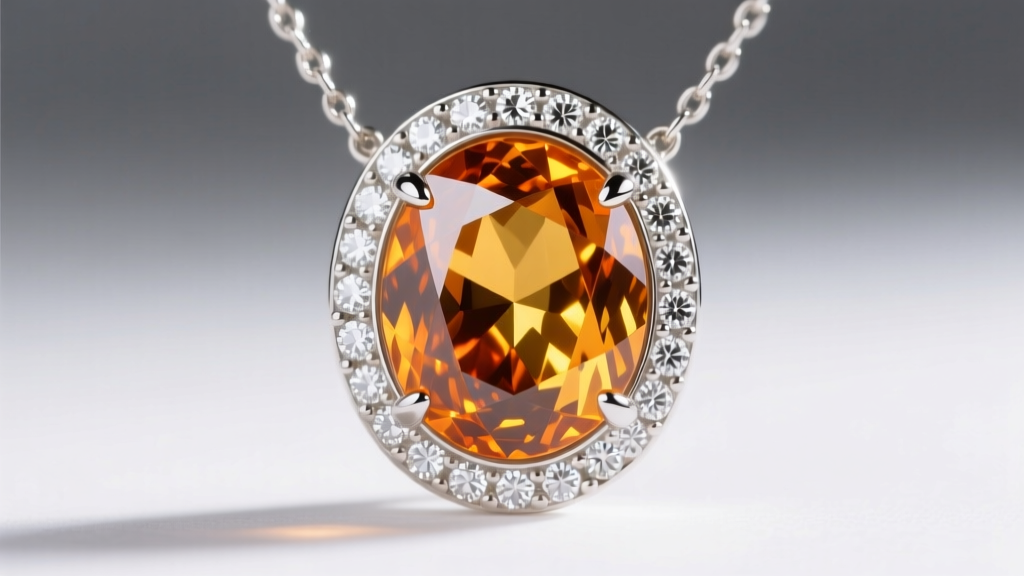
Evaluating the Diamond Accents: Melee Quality Matters
In a typical diamond topaz pendant, the diamonds used are classified as "melee" (pronounced meh-lay), meaning they weigh less than 0.15 carats each. Many buyers ignore melee quality, assuming small diamonds don't impact the overall look. This is a costly mistake. Low-grade melee can make the entire necklace look cloudy and cheap.
Single Cut vs. Full Cut Melee
When reading the product specifications, look for the cut grade of the diamond accents:
- Single Cut (17-18 facets): Often used in mass-produced, budget jewelry. These lack the complex light return of larger diamonds and can appear flat or glassy under indoor lighting.
- Full Cut (57-58 facets): The ideal standard. Full cut melee diamonds are proportioned exactly like large solitaire diamonds, offering maximum scintillation and fire. A high-quality diamond topaz necklace will always specify "full cut" or "brilliant cut" melee.
For color and clarity, aim for G-H color (near colorless) and SI1-SI2 clarity. Because the diamonds are small, SI-level inclusions are completely invisible to the naked eye, but G-H color ensures the diamond halo doesn't look yellowish against the bright topaz center stone.
The Cleavage Factor: Setting Styles and Failure Modes
This is where most generic buying guides fail. While topaz ranks an 8 on the Mohs hardness scale (making it resistant to scratches), it possesses perfect basal cleavage. This means that if the stone is struck at a specific angle along its crystallographic plane, it can split or chip cleanly in half, much like a diamond.
"Never purchase a high-prong setting for a topaz pendant intended for daily wear. The girdle of the stone is highly vulnerable to impact against desks, doorframes, and countertops. A bezel or semi-bezel setting absorbs shock and protects the cleavage planes." — Master Bench Jeweler
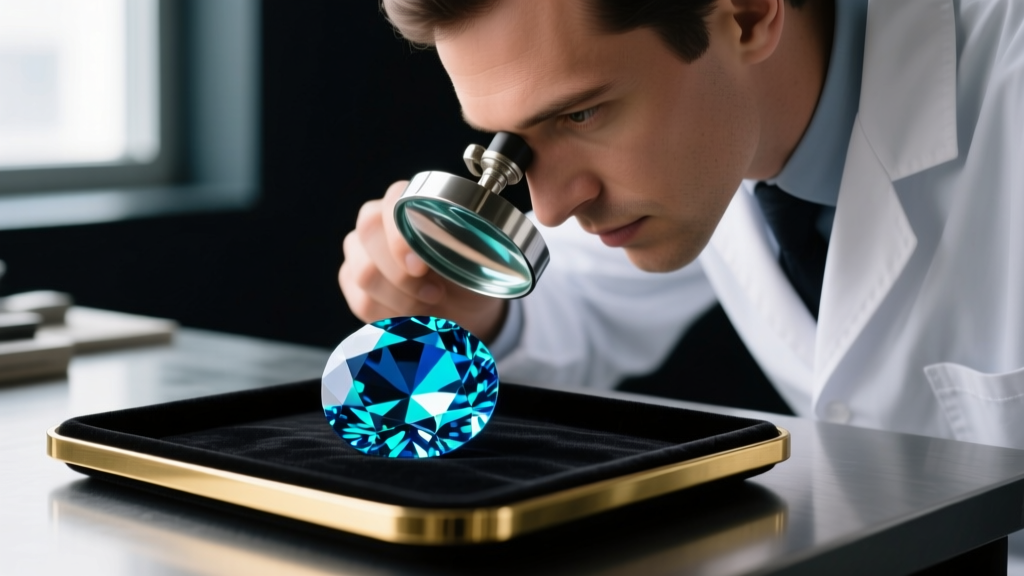
When inspecting a necklace, ensure the metal bezel or prongs fully cover the girdle (the widest edge of the stone). Furthermore, the setting should feature a solid backing or a reinforced basket to prevent the stone from being pushed out from behind if the necklace is snagged on clothing.
Metal Selection: 14k vs. 18k vs. Platinum
The metal framework of your necklace dictates both its longevity and its maintenance requirements.
- 14k Gold (58.5% pure gold): The most practical choice for pendants. The higher alloy content (usually copper, zinc, and silver) makes the prongs and chain links significantly more rigid and resistant to bending or snapping.
- 18k Gold (75% pure gold): Offers a richer, warmer color (especially in yellow gold), which beautifully complements Imperial topaz. However, it is softer and more prone to scratching.
- White Gold & Rhodium Plating: Remember that all white gold is plated with rhodium to achieve a bright white finish. This plating will wear off the pendant bail and chain clasp within 12 to 18 months of daily wear, revealing the slightly yellowish alloy beneath. Factor in a $50-$75 replating cost every two years.
- Platinum: The ultimate choice for security. Platinum does not require plating, and its dense, malleable nature means prongs hold stones more securely over decades of wear.
Chain Lengths and Neckline Pairing
A diamond topaz necklace is only as good as its chain. The length of the chain dictates where the pendant sits relative to your neckline, which drastically alters the visual proportion of the jewelry.
- 16 Inches (Choker/Base of Neck): Ideal for scoop necklines or off-the-shoulder tops. Keeps the pendant high and visible.
- 18 Inches (Collarbone): The universal standard. An 18-inch chain allows the pendant to rest perfectly in the hollow of the collarbone, pairing flawlessly with V-necks and button-down blouses.
- 20-22 Inches (Below Collarbone): Best reserved for larger, heavier topaz pendants (over 3 carats) worn over turtlenecks or winter sweaters. Ensure the chain is at least 1.5mm thick (like a box or wheat chain) to support the weight without snapping.
2026 Pricing Framework: What Should You Actually Pay?
Pricing for a diamond topaz necklace varies wildly based on the topaz origin and the total carat weight (TCW) of the diamond melee. Use this framework to ensure you are not overpaying for treated stones marketed as premium gems.
| Necklace Configuration | Metal | Expected Retail Price Range (2026) |
|---|---|---|
| Swiss Blue Topaz (1-2ct) + 0.10ctw Single Cut Melee | 10k or 14k White Gold | $350 - $600 |
| London Blue Topaz (2-4ct) + 0.25ctw Full Cut Melee Halo | 14k or 18k Gold | $800 - $1,600 |
| Imperial Topaz (1-2ct) + 0.30ctw Full Cut Melee | 18k Yellow Gold or Platinum | $2,500 - $6,000+ |
For further verification on ethical sourcing and retail standards, consult the guidelines published by Jewelers of America, which mandate strict disclosure of all gemstone enhancements.
Red Flags to Avoid When Shopping Online
When browsing for the perfect piece, keep an eye out for these common e-commerce traps:
- "Created" or "Simulated" Topaz: This means the stone is actually blue glass, cubic zirconia, or synthetic spinel. Always look for the word "Genuine" or "Natural" (even if it has been irradiated, it is still natural topaz).
- Vague Diamond Descriptions: If the listing says "diamond accents" without specifying the carat weight (e.g., 0.05ctw) or the cut, the manufacturer is likely using industrial-grade, heavily included single-cut diamonds that lack brilliance.
- Hollow-Back Settings: Some manufacturers carve out the back of the pendant setting to save on gold weight. While this makes the necklace cheaper, it creates a trap for soap, lotion, and dead skin cells, which will dull the topaz from the inside out and cannot be easily cleaned.
Final Verdict: Care and Maintenance
To maintain the brilliance of your diamond topaz necklace, avoid wearing it in swimming pools (chlorine can degrade gold alloys and weaken prongs) and never use ultrasonic cleaners on Mystic or coated topaz. For standard London or Swiss blue topaz, a simple soak in warm water with a few drops of mild dish soap, followed by a gentle scrub with a soft-bristled baby toothbrush, will keep the diamond halo sparkling and the topaz vividly saturated for decades.


