Guide to Different Kinds of Necklace Clasps: Materials & Metals
Explore the metallurgy behind different kinds of necklace clasps. Compare materials, durability, failure modes, and hypoallergenic properties.

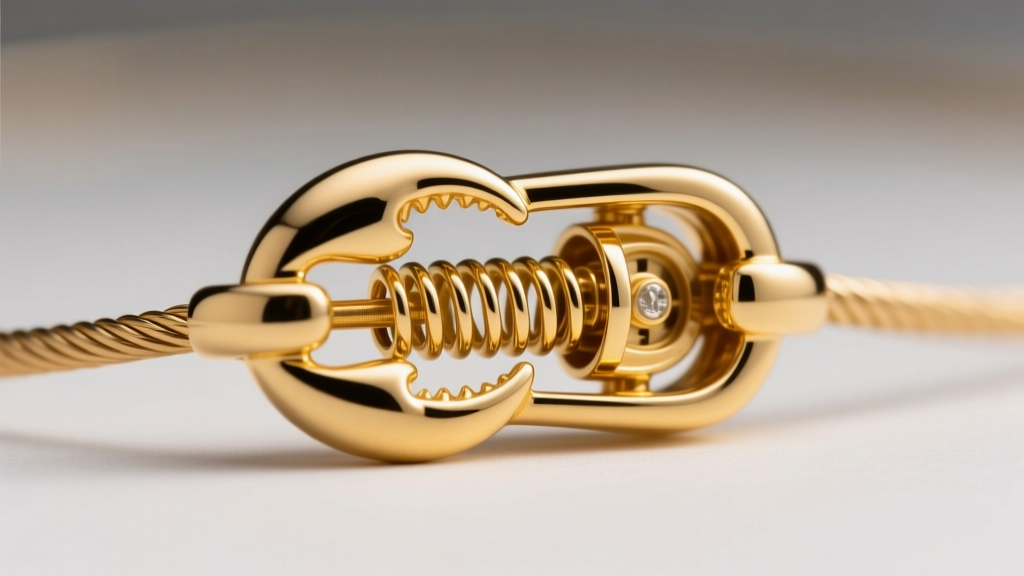
The Intersection of Clasp Mechanics and Metallurgy
When evaluating the different kinds of necklace clasps, most consumers and even many jewelers focus solely on the mechanical design—lobster, spring ring, toggle, or box. However, the metallurgical composition of the clasp is the true dictator of its lifespan, tensile strength, and skin compatibility. A poorly cast sterling silver box clasp will suffer mechanical failure under a fraction of the load that a CNC-milled 316L stainless steel lobster clasp can effortlessly withstand. In 2026, with the rise of heavy, oversized chain trends and mixed-metal layering, understanding the material science behind your findings is no longer optional; it is essential for jewelry longevity.
The fundamental reality of jewelry findings is that the mechanism and the exterior metal are often entirely different materials. For instance, the exterior shell of a high-end 18k gold lobster clasp is precious metal, but the internal spring must be crafted from a high-elasticity alloy like beryllium copper or surgical steel. Precious metals simply lack the elastic modulus required to endure tens of thousands of compression cycles without suffering plastic yielding (permanent deformation).
Metallurgical Breakdown of Common Clasp Materials
To make informed decisions about the different kinds of necklace clasps, we must analyze the specific physical properties of the metals used to manufacture them. Below is a deep dive into the four most prevalent clasp materials and their structural realities.
316L Surgical Stainless Steel
316L stainless steel is the workhorse of modern, durable jewelry findings. The 'L' denotes low carbon, which prevents carbide precipitation during the soldering and welding processes used to close jump rings and attach clasp loops. With a tensile strength of approximately 515 MPa and a Vickers hardness of around 150 HV, 316L steel is virtually immune to the mechanical wear that plagues softer metals. It is the undisputed best material for heavy pendant chains and thick Cuban links where shear stress on the clasp lever is extreme.
925 Sterling Silver
Sterling silver (92.5% silver, 7.5% copper) is prized for its beauty but is metallurgically soft. In its annealed state, it has a Vickers hardness of just 65 HV. When used for spring rings or lobster claws, the silver lever itself is prone to bending if snagged. Furthermore, cheap sterling silver clasps produced via investment casting often suffer from microscopic porosity. This hidden porosity acts as a stress concentrator, meaning the clasp lever can snap cleanly off under sudden tension rather than bending gracefully.
14k and 18k Gold Alloys
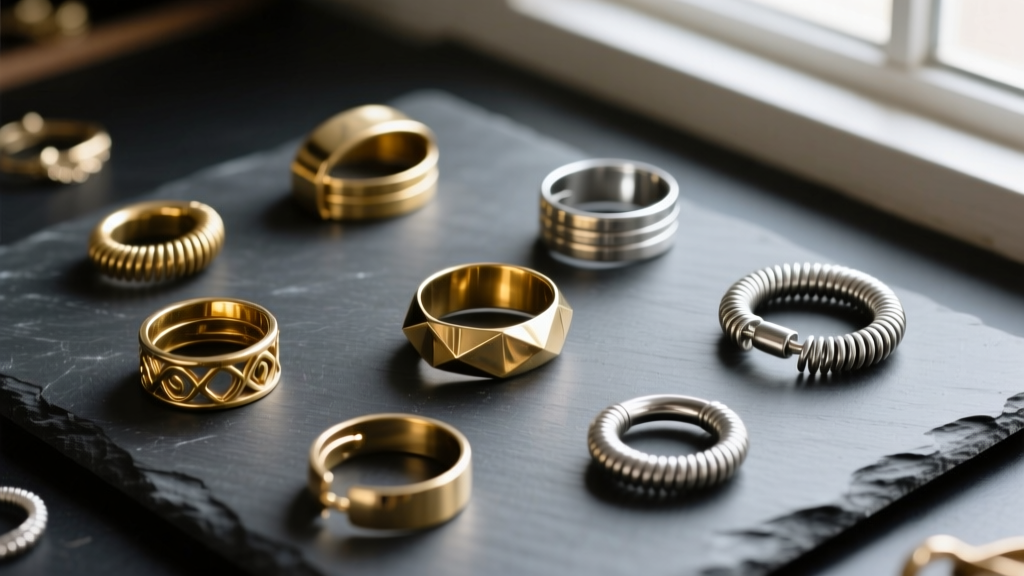
Gold clasps are alloyed with metals like copper, zinc, and silver to achieve structural integrity. According to the Gemological Institute of America (GIA), 14k gold (58.5% pure gold) offers significantly higher hardness and tensile strength than 18k gold due to the higher proportion of base alloy metals. A 14k gold toggle clasp will resist bending and warping far better than an 18k or 24k equivalent. For heavy chains, 14k gold is the superior choice for toggle bars and box clasp housings.
Brass and Base Metals
Brass (an alloy of copper and zinc) is frequently used in fashion jewelry and as a base for gold-plated clasps. While inexpensive and easy to cast, brass is highly susceptible to dezincification and stress corrosion cracking when continuously exposed to the acidic pH of human sweat and cosmetic chemicals. A brass spring ring clasp will often become brittle and snap at the hinge pin after a year of daily wear.
Mechanical Failure Modes by Material and Clasp Type
Different kinds of necklace clasps fail in highly specific ways depending on their material composition. The table below cross-references clasp mechanics with material vulnerabilities, providing a troubleshooting framework for jewelers and collectors.
| Clasp Type | Ideal Material | Primary Stress Point | Common Material Failure Mode |
|---|---|---|---|
| Lobster Claw | 316L Steel / 14k Gold Shell | Internal Spring & Lever Hinge | Spring fatigue (if non-steel spring is used); hinge pin shearing in soft silver. |
| Spring Ring | Plumb Gold / Steel | Coiled Wire Tension | Metal fatigue and snapping of the coil in hollow or thinly cast base metals. |
| Toggle (T-Bar) | 14k Gold / Bronze | Bar-to-Ring Shear Stress | Bending of the T-bar in high-karat gold; ring warping causing accidental unclasping. |
| Box with Safety | 18k Gold / Platinum | Safety Latch Hinge | Casting porosity in the safety latch wire, leading to sudden snapping under tension. |
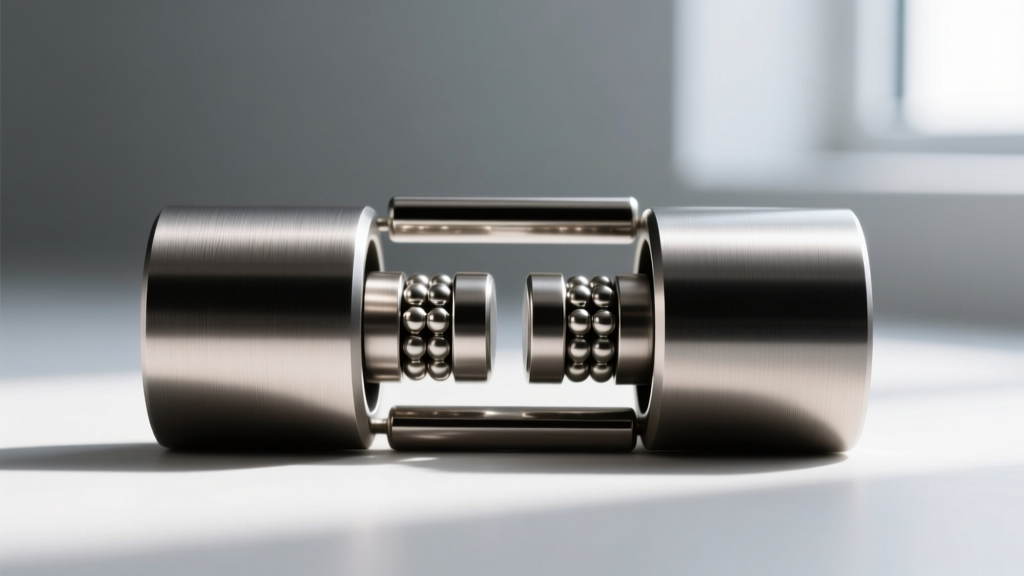
| Magnetic Tube | Titanium / 316L Steel | Adhesive Bond to Magnet | Epoxys degrading over time; neodymium magnet shattering due to high-velocity impacts. |
As noted by findings experts at Rio Grande, the most critical error in jewelry assembly is mismatching the clasp material's yield strength with the dynamic load of the chain. A heavy 5mm Figaro chain will easily generate enough kinetic force during a sudden tug to permanently deform a cast sterling silver lobster lever, rendering the clasp useless.
Hypoallergenic Properties and Skin Reactions
The nape of the neck is a highly sensitive area where skin is thin, sweat accumulates, and friction is constant. The material of your clasp directly impacts dermatological health.
- Nickel Sensitization: Many cheap white gold alloys and base-metal clasps contain nickel to achieve a bright white color and increase hardness. Under the EU Nickel Directive (EN 1811:2011+A1:2015), jewelry findings intended for prolonged skin contact must release less than 0.5 micrograms of nickel per square centimeter per week. If you have a known nickel allergy, avoid unverified white gold or rhodium-plated brass clasps.
- Copper Oxidation: Sterling silver and rose gold clasps contain high levels of copper. When copper reacts with sweat and lotions, it produces copper chloride, which leaves a harmless but unsightly green or black stain on the back of the neck.
- The Titanium Solution: For hyper-sensitive skin, Grade 2 or Grade 5 Titanium clasps are the gold standard. Titanium is entirely biocompatible, hypoallergenic, and possesses a strength-to-weight ratio that outperforms steel, making it an increasingly popular choice for modern, minimalist magnetic and bayonet clasps.
Practical Decision Framework: Matching Clasp Material to Chain Weight
To ensure the security of your pendants and chains, use this material-to-weight matching framework. The ASTM International standards for metal tensile testing remind us that static weight is only half the equation; dynamic shock loads (like a chain catching on a sweater) multiply the force on the clasp exponentially.
Lightweight Chains (Under 5 Grams)
For delicate cable chains, serpentine chains, and lightweight lockets, the mechanical stress is minimal. Here, aesthetics trump sheer strength. 925 Sterling silver spring rings, 14k gold lobster claws, and even high-quality gold-plated brass magnetic clasps are perfectly adequate. The primary concern here is minimizing the visual bulk of the clasp rather than maximizing its shear strength.
Medium Weight Chains (5 to 20 Grams)
At this weight range, such as standard 2mm wheat chains or medium rope chains, you must transition to structurally sound materials. Opt for solid 14k gold lobster clasps with verified stainless steel internal springs, or solid 316L stainless steel findings. Avoid hollow-core box clasps and thin-gauge toggle rings, as the repetitive friction will wear through the thin outer walls of hollow findings over time.
Heavy Statement Chains (Over 20 Grams)
Heavy Cuban links, thick Figaro chains, and large gemstone pendants require industrial-grade security. The only acceptable materials are solid 316L stainless steel, solid platinum, or heavily alloyed 14k gold. For the mechanism, oversized steel lobster claws or interlocking stainless steel box clasps with dual safety latches are mandatory. Toggle clasps should be entirely avoided at this weight, as the sheer mass of the chain can cause the T-bar to pivot and slip through the ring during sudden movements.
Conclusion
Mastering the different kinds of necklace clasps requires looking beyond the shape of the finding and examining the atomic reality of the metal. By prioritizing high-tensile materials like 316L steel and 14k gold for heavy loads, and reserving softer precious metals for lightweight, low-stress applications, you can drastically reduce the rate of clasp failure. Whether you are a designer sourcing findings or a collector investing in fine jewelry, demanding transparency regarding clasp metallurgy is the ultimate safeguard for your most cherished pieces.


