How to Clean Bvlgari Necklaces: Expert Care & Maintenance Tips
Learn how to clean Bvlgari necklaces safely. Expert care tips for 18k gold, high-tech ceramic, malachite, and mother-of-pearl collections.

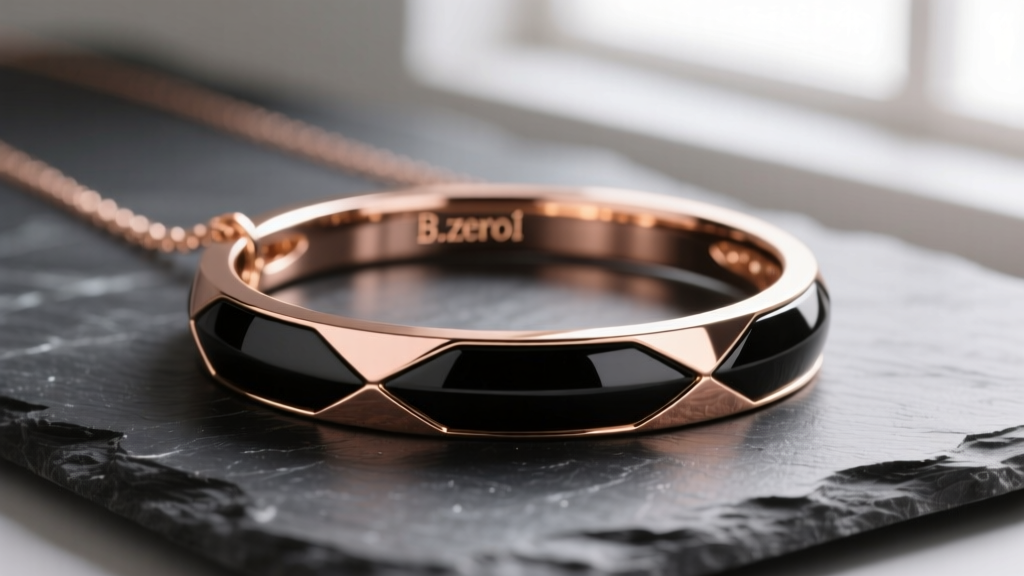
The Complexity of Bvlgari's Material Matrix
Owning a piece of Bvlgari jewelry is an investment in unconventional artistry and Roman heritage. However, when it comes to maintenance, Bvlgari necklaces present a unique challenge. Unlike standard gold chains, iconic collections like the B.zero1, Serpenti, and Divas' Dream utilize a complex matrix of materials—ranging from high-tech sintered ceramics and 18k gold to highly porous organic gemstones. Using a generic jewelry dip or an ultrasonic cleaner on the wrong Bvlgari piece can result in irreversible chemical etching, shattered ceramics, or stripped rhodium plating.
To preserve the structural integrity and luminous finish of your investment, you must tailor your cleaning protocol to the specific material composition of your necklace. This comprehensive guide breaks down the exact chemistry, vulnerabilities, and professional-grade care routines required for Bvlgari's most celebrated materials.
Identifying Your Materials and Their Vulnerabilities
Before applying any cleaning solution, you must identify the primary materials in your specific Bvlgari necklace. The Bvlgari Official Jewelry Care Guide emphasizes that mixed-material pieces require the most cautious approach, as a cleaner safe for gold may destroy an adjacent gemstone.
18k Gold and Diamond Pavé (Serpenti Viper, B.zero1)
Bvlgari uses 18k gold (75% pure gold alloyed with metals like copper, silver, or palladium for strength). While durable, 18k gold is still susceptible to micro-scratches and can accumulate skin oils and cosmetic residues, particularly in the intricate pavé settings of the Serpenti Viper collection. White gold pieces are plated with a microscopic layer of rhodium (typically 0.5 to 1.0 microns thick) to achieve their bright white luster. Harsh abrasives or chlorine exposure will strip this plating, revealing the naturally yellowish-white alloy beneath.
High-Tech Ceramic (B.zero1)
The signature bands of the B.zero1 necklace are crafted from high-tech ceramic, a material sintered at extreme temperatures. On the Mohs hardness scale, this ceramic ranks between 8 and 9, making it virtually impervious to scratching from everyday metals. However, its crystalline structure makes it brittle. While it won't scratch, a sharp impact against a marble countertop can cause it to shatter or chip.
Porous and Organic Gemstones (Divas' Dream, Serpenti)
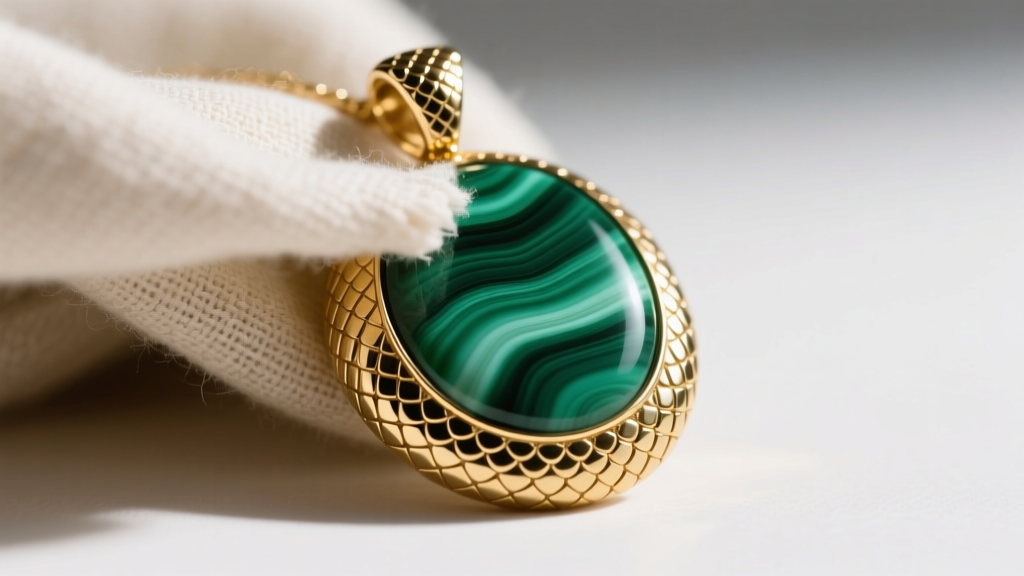
This is where most owners make catastrophic mistakes. Bvlgari frequently uses malachite, onyx, turquoise, and mother-of-pearl. According to the Gemological Institute of America (GIA), malachite is a copper carbonate mineral with a low Mohs hardness of 3.5 to 4. It is highly reactive to acids. Even the natural pH of human sweat, or the citric acid in a standard household cleaner, can chemically etch the surface, leaving permanent dull spots. Mother-of-pearl and turquoise share similar organic porosity, meaning they will absorb chemicals, lotions, and oils, leading to deep-seated discoloration.
Step-by-Step Cleaning Protocols by Collection
Forget commercial silver dips or ammonia-based glass cleaners. Here are the precise, safe methods for cleaning your Bvlgari necklaces at home.
Protocol A: 18k Gold and Diamond Pieces
- Prepare a Degreasing Bath: Mix lukewarm water (not hot) with a few drops of mild, phosphate-free dish soap (like Dawn). Avoid soaps with added moisturizers, which leave a film.
- Soak Briefly: Submerge the gold and diamond necklace for 10 to 15 minutes to loosen sebum and cosmetic buildup.
- Agitate Gently: Use an extra-soft baby toothbrush to gently sweep behind the diamond pavé and along the gold links. Never use stiff bristles, as they can scratch the 18k gold and loosen microscopic prongs.
- Rinse and Dry: Rinse under a gentle stream of tepid water over a plugged sink. Pat dry with a lint-free microfiber cloth.
Protocol B: High-Tech Ceramic and Gold (B.zero1)
Never soak a B.zero1 necklace for extended periods, as water can become trapped in the internal spring mechanism. Instead, dampen a microfiber cloth with a 50/50 mixture of distilled water and isopropyl alcohol. Wipe the ceramic bands and gold caps gently. The alcohol evaporates quickly, preventing moisture buildup in the mechanical joints, while effectively dissolving skin oils from the ceramic.
Protocol C: Porous Gemstones (Malachite, Onyx, Mother-of-Pearl)
Warning: Never submerge these stones in water, and never use chemical cleaners. To clean a Divas' Dream malachite or Serpenti onyx pendant, use a completely dry, ultra-soft polishing cloth to buff away surface dust. If the stone is heavily soiled, slightly dampen a corner of the cloth with distilled water only, wipe the stone quickly, and immediately dry it with the dry side of the cloth. Do not allow water to sit on the stone's surface.
Bvlgari Necklace Maintenance Matrix
Use this quick-reference table to ensure you are applying the correct maintenance strategy for your specific Bvlgari piece.
| Material / Collection | Mohs Hardness | Ultrasonic Safe? | Primary Vulnerability | Recommended Cleaner |
|---|---|---|---|---|
| 18k Yellow/Rose Gold | 2.5 - 3.0 | Yes (if no porous stones) | Micro-scratches, chlorine pitting | Mild dish soap & warm water |
| 18k White Gold | 2.5 - 3.0 | Yes (with caution) | Rhodium plating wear | Mild dish soap; avoid abrasives |
| High-Tech Ceramic | 8.0 - 9.0 | No (vibration risks) | Shattering from blunt impact | Isopropyl alcohol & microfiber |
| Malachite / Turquoise | 3.5 - 4.0 | Absolutely Not | Acid etching, water absorption | Dry microfiber cloth only |
| Mother-of-Pearl | 2.5 - 3.0 | Absolutely Not | Chemical burning, delamination | Dry microfiber cloth only |
| Diamond Pavé | 10.0 | Yes | Loosened prongs from vibration | Soft brush & degreasing soap |
Storage and Environmental Hazards to Avoid
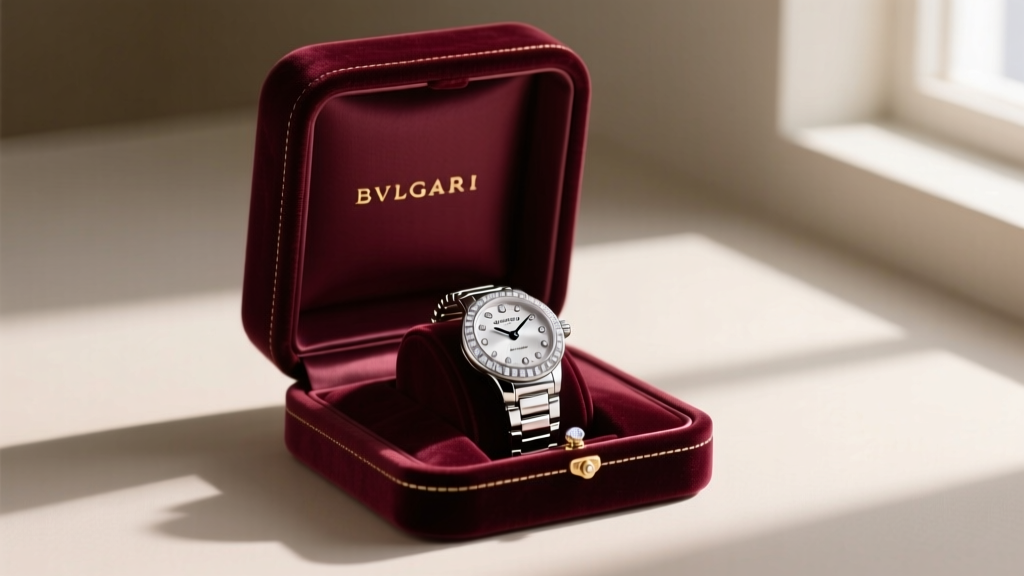
Proper storage is just as critical as the cleaning process. Bvlgari necklaces should never be tossed loosely into a jewelry box where the 18k gold links can tangle or the ceramic components can strike harder gemstones.
- Use the Original Pouches: Always store your necklace in the individual flannel or velvet pouch provided by Bvlgari. This prevents friction-based micro-scratches on gold and protects porous stones from ambient humidity.
- Control the Climate: Extreme temperature fluctuations can cause the metal settings to expand and contract, potentially loosening the adhesive or prongs holding stones like onyx or mother-of-pearl. Store your jewelry in a climate-controlled room, never in a bathroom where steam is prevalent.
- Avoid UV Exposure: Prolonged exposure to direct sunlight can dehydrate and fade organic materials, particularly turquoise and certain grades of mother-of-pearl. Keep your Divas' Dream pieces in a dark drawer or closed box.
- The 'Last On, First Off' Rule: Always put your Bvlgari necklace on after applying perfume, hairspray, and lotions. The alcohol and volatile organic compounds (VOCs) in cosmetics will aggressively degrade the polish of organic gemstones and accelerate the tarnishing of gold alloys.
When to Seek Professional Bvlgari Boutique Service
While home maintenance keeps your necklace clean, certain issues require the specialized equipment and expertise of a certified Bvlgari jeweler.
Expert Insight: If your 18k white gold B.zero1 or Serpenti necklace begins to look slightly yellow or dull, the rhodium plating has worn away. This is not a cleaning issue; it requires a professional re-dipping. A Bvlgari boutique will polish out micro-scratches and re-plate the piece with a fresh 0.75-micron layer of rhodium, restoring it to factory-new brilliance. Expect this service to cost between $80 and $150, depending on the complexity of the piece.
Additionally, if you notice any 'catching' on your clothing, or if a diamond pavé stone feels loose, stop wearing the necklace immediately. Bring it to a boutique for a microscopic prong inspection. Finally, if a B.zero1 ceramic band does chip or crack, do not attempt to glue it. Bvlgari's master jewelers can safely disassemble the internal spring mechanism and replace the individual ceramic band without compromising the structural tension of the necklace.


