How to Make a Bandana Necklace: Cleaning & Care Guide
Learn how to make a bandana necklace with durable hardware, plus expert cleaning, maintenance, and storage tips to prevent fabric and metal damage.

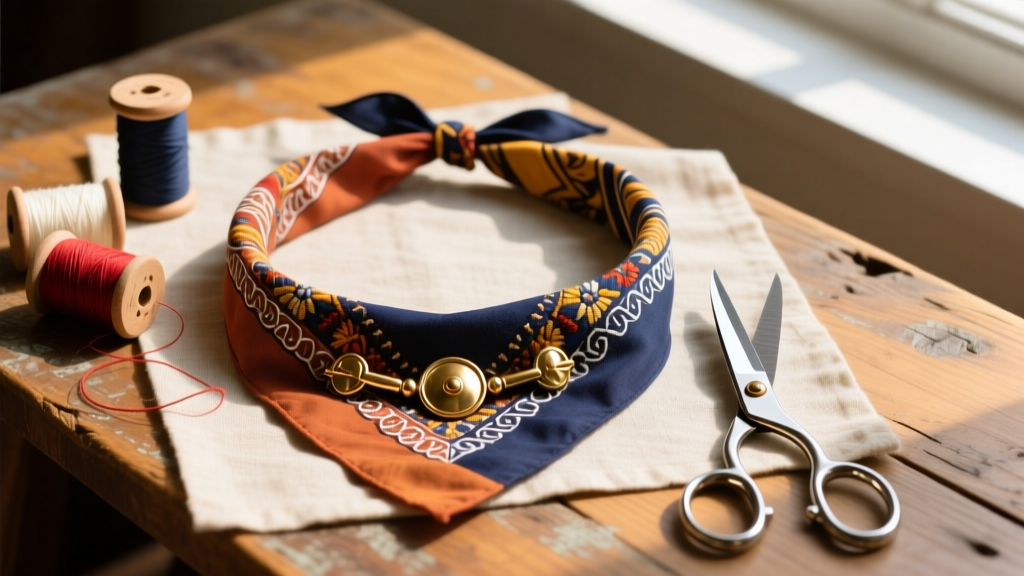
Bandana necklaces—ranging from braided cotton chokers to silk lariat pendants—are a staple of bohemian, grunge, and festival fashion. While learning how to make a bandana necklace is a popular and accessible DIY project, most makers overlook the critical intersection of textile degradation and hardware corrosion. Fabric traps sweat, dead skin cells, and perfume, while cheap metal components rust, oxidize, and stain the very fibers they hold together.
As a jewelry stylist and materials specialist, I see countless handmade fabric necklaces ruined after a single summer festival because the maker chose the wrong jump ring gauge or washed the piece in harsh alkaline detergents. This comprehensive guide bridges the gap between construction and long-term maintenance, ensuring your fabric jewelry remains vibrant, structurally sound, and safe for sensitive skin.
Sourcing Materials for Longevity
The lifespan of a bandana necklace is dictated by its weakest component. If you pair high-quality Japanese selvedge denim with a base-metal lobster clasp, the clasp will inevitably fail or rust. According to the metal experts at Rio Grande Jewelry Supply, understanding metal reactivity is crucial when designing jewelry that sits directly against the pulse points and sweat glands of the neck.
Selecting the Right Hardware
- Jump Rings: Avoid 22-gauge or thinner wire; the tension of woven fabric will warp them open. Use 18-gauge or 16-gauge jump rings. Furthermore, the inner diameter (ID) must accommodate the bulk of folded fabric. A standard 4mm ID is too small; opt for 6mm to 8mm ID rings.
- Metal Grade: For festival wear and hot climates, base metals and raw brass will oxidize rapidly when exposed to the lactic acid in human sweat, leaving green stains on both the neck and the cotton. Always use 316L surgical stainless steel or solid nickel-free sterling silver for components that touch the skin.
- Clasps: A 10mm to 12mm stainless steel lobster clasp provides secure closure without adding excessive weight that could stretch the bias-cut fabric.
Fabric Preparation and Edge Sealing
Before cutting your bandana, you must address the raw edges. Cotton bandanas are typically woven with a plain weave that frays aggressively when cut on the bias. While traditional hemming works, it adds unwanted bulk to the necklace clasp area. Instead, apply a liquid seam sealant like Dritz Fray Check to the cut edges. Allow it to cure for 24 hours before attaching any hardware. For synthetic bandana blends (polyester/nylon), you can use a precision heat cutter or a carefully controlled soldering iron to melt and seal the fibers, preventing unraveling without adding chemical stiffness.
Construction Techniques That Prevent Wear
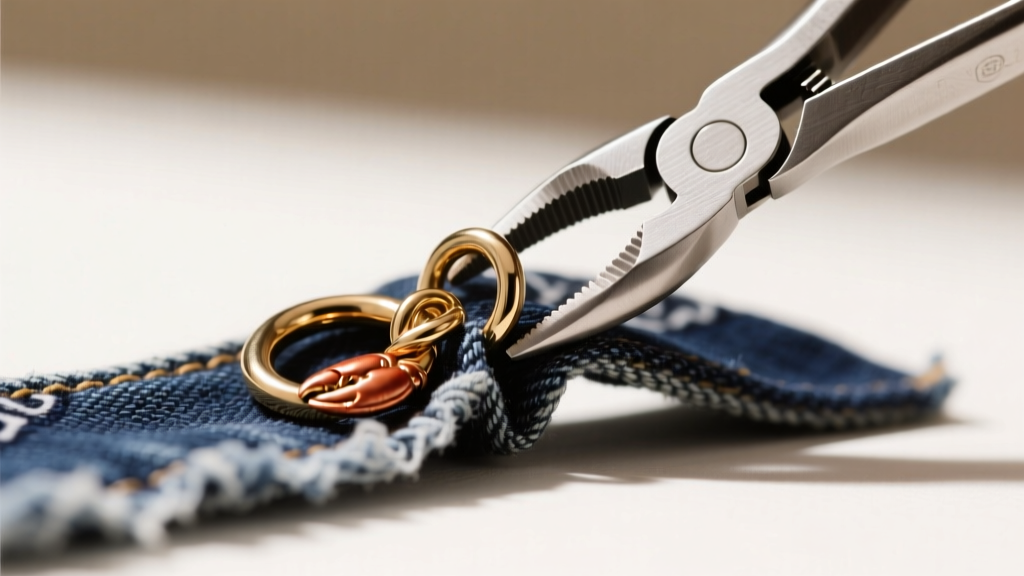
When assembling your necklace, the method you use to attach the fabric to the metal hardware dictates how well it will survive the cleaning process. The most common failure point in DIY fabric jewelry is the fabric tearing away from the jump ring during washing.
The Fold-and-Crimp Method
Do not simply punch a hole through a single layer of cotton and thread a jump ring through it; the fabric will tear within a week. Instead, use the fold-and-crimp technique:
- Fold the end of your bandana strip over a 6mm stainless steel jump ring, creating a loop.
- Slide a 10mm metal ribbon crimp end over the folded fabric.
- Using nylon-jaw pliers (to avoid marring the metal), firmly crush the crimp end onto the fabric. The internal teeth of the crimp will bite into the cotton fibers, distributing the tension across a wider surface area.
- Apply a tiny drop of flexible jewelry adhesive (like E6000 Fabri-Tac) inside the crimp before closing for permanent security.
This structural reinforcement ensures that when you wash the necklace, the mechanical stress of agitating water is absorbed by the metal crimp, not the delicate cotton weave.
The Bandana Necklace Care Matrix
Different textiles require vastly different cleaning protocols. What works for a rugged cotton paisley bandana will destroy a delicate silk twill scarf necklace. Cotton Incorporated notes that improper water temperatures and pH levels can cause severe dye bleeding and fiber shrinkage. Use the matrix below to determine the correct care pathway for your specific material.
| Fabric Type | Washing Method | Detergent Type | Drying Protocol | Hardware Precaution |
|---|---|---|---|---|
| 100% Cotton (Paisley/Denim) | Hand wash in cool water (max 30°C/86°F) | pH-neutral liquid (e.g., Eucalan) | Lay flat, reshape while damp | Remove brass components if possible to prevent water spotting |
| Silk Twill / Chiffon | Spot clean only or professional dry clean | Mild silk wash or distilled water | Air dry away from direct sunlight | Wrap metal clasps in plastic wrap during spot cleaning |
| Polyester / Rayon Blends | Machine wash cold (inside a mesh lingerie bag) | Standard mild liquid detergent | Tumble dry low or air dry | Ensure jump rings are fully closed to avoid snagging the mesh bag |
Deep Cleaning Protocols for Fabric and Metal

Over time, necklaces accumulate a complex matrix of sebum (skin oils), environmental dust, and cosmetic products like foundation and setting spray. This buildup not only dulls the fabric's color but creates an acidic environment that accelerates metal tarnishing.
Spot Cleaning and Odor Removal
For minor stains or localized sweat buildup near the clasp, avoid full immersion. Mix a solution of 50% distilled water and 50% isopropyl alcohol in a spray bottle. Lightly mist the affected fabric area and blot—do not rub—with a clean microfiber cloth. The alcohol breaks down the sebum and evaporates rapidly, minimizing the risk of water rings or dye migration.
To remove trapped odors (such as smoke or heavy perfume) without washing, place the necklace in a sealed airtight container alongside an open box of baking soda or activated charcoal packets for 48 hours. The porous carbon will absorb the volatile organic compounds causing the odor.
Polishing Hardware Without Staining the Textile
Cleaning the metal hardware on a fabric necklace is notoriously difficult. Traditional silver polishes contain mild abrasives and sulfur compounds that will permanently stain cotton or silk fibers black or gray if they make contact. Never dip a fabric necklace into a liquid jewelry cleaning bath.
Instead, use a targeted approach:
- Dip a cotton swab (Q-tip) into 90% isopropyl alcohol or a specialized, non-abrasive metal polishing cloth.
- Carefully swab the stainless steel or silver jump rings and clasps, ensuring the swab is damp, not dripping.
- Use a dry, clean swab immediately afterward to buff the metal and absorb any residual moisture.
- If using a chemical polish on solid brass components, apply a thin layer of carnauba wax or a jewelry-specific anti-tarnish sealant (like ProtectaClear) to the metal before assembling the necklace. This creates a physical barrier between the reactive brass and the moisture-wicking cotton.
Storage and UV Protection
How you store your bandana necklaces between wears is just as important as how you clean them. The dyes used in traditional bandanas—particularly deep indigos and vibrant reds—are highly susceptible to UV degradation. Leaving a cotton necklace on a vanity table exposed to direct sunlight will cause photobleaching, resulting in uneven, faded patches along the folds of the fabric.
The Ideal Storage Environment
Store your fabric necklaces in a dark, climate-controlled environment. Hanging them on standard wire or velvet necklace busts can cause the bias-cut fabric to stretch and warp over time due to gravity. Instead, loosely coil the necklace and place it in a breathable cotton drawstring bag.
Pro-Tip: If you live in a high-humidity climate, always include a small, rechargeable silica gel desiccant packet inside the storage bag. This prevents ambient moisture from triggering micro-corrosion on the metal jump rings and inhibits the growth of mildew on the organic cotton fibers.
By mastering not just how to make a bandana necklace, but how to engineer it for durability and maintain it with textile-specific protocols, you elevate a simple DIY craft into a resilient, long-lasting piece of wearable art. For further reading on jewelry making techniques and hardware selection, the educational resources at Fire Mountain Gems offer excellent visual guides on crimping and wire-wrapping for non-traditional jewelry materials.


