Diamond Necklace Meaning Dirty: Cloudy Stones & Dream Symbolism
Explore the diamond necklace meaning dirty, from spiritual dream symbolism to the gemological science of why your pendant looks cloudy and how to fix it.

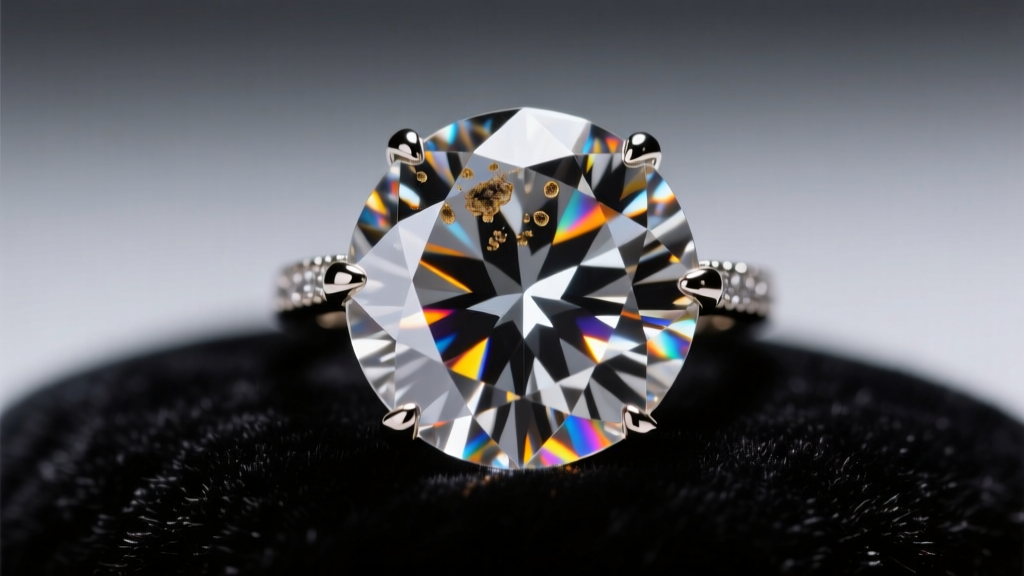
When users search for the diamond necklace meaning dirty, they are typically driven by one of two distinct motivations. The first is metaphysical: you may have had a vivid dream about a tarnished or muddy diamond pendant and are seeking its spiritual interpretation. The second is highly practical and gemological: your real-life diamond necklace has suddenly lost its sparkle, appearing cloudy, gray, or physically "dirty" despite your best efforts to keep it clean. As a beginner-friendly guide, this article decodes both the symbolic folklore and the hard science behind cloudy diamonds, providing you with actionable, professional-grade solutions to restore your jewelry's brilliance.
The Gemological Science: Why Diamonds Attract "Dirt"
To understand why your diamond necklace looks dirty, you must first understand the chemical nature of carbon. Diamonds are inherently lipophilic (grease-attracting) and hydrophobic (water-repelling). In fact, the diamond mining industry relies on this exact property; crushed ore is passed over grease-coated belts, and the rough diamonds stick to the grease while the worthless gravel washes away.
When you wear a diamond pendant, it acts as a microscopic magnet for sebum (skin oils), hand lotions, makeup, and cooking aerosols. A diamond's brilliance relies on its high Refractive Index (RI of 2.42). Light enters through the top (the crown), bounces off the mirrored interior angles (the pavilion facets), and returns to your eye as total internal reflection. However, a layer of oil just 0.05mm thick on the surface alters the way light enters the stone. Instead of reflecting back to your eye, the light "leaks" out the bottom of the pendant, making the diamond look dead, gray, and undeniably dirty.
The Spiritual and Dream Meaning of a Dirty Diamond Necklace

In the realm of dream analysis and spiritual folklore, jewelry carries heavy symbolic weight. A necklace rests on the throat, aligning with the throat chakra, which governs communication, truth, and self-expression. Diamonds universally symbolize invincibility, clarity, and innate self-worth.
Therefore, the diamond necklace meaning dirty in a dream or spiritual context usually points to blocked potential or neglected self-worth. It suggests that your inherent value (the diamond) is being obscured by external stressors, toxic environments, or a failure to communicate your true feelings (the dirt on the throat). If you are experiencing this dream, gemstone therapists often recommend a physical "cleansing" ritual—literally washing your favorite pendant while setting an intention to clear away mental fog and speak your truth with renewed clarity.
Diagnostic Chart: Dirt vs. Damage vs. Simulants
Before you attempt to clean your pendant, you must accurately diagnose the source of the cloudiness. Not all "dirty" diamonds are actually covered in dirt. Use this diagnostic framework to identify the true culprit.
| Condition | Visual Symptoms | Underlying Cause & Solution |
|---|---|---|
| Surface Lipids | Dullness, grayish cast, lack of fire | Oils and lotions blocking light return. Fix: Ammonia soak. |
| Internal Inclusions | Cloudy patches, dark carbon spots, white feathers | Low clarity grade (I1 or SI2). Fix: Cannot be cleaned; inherent to the stone. |
| Fluorescence Haze | Milky or oily appearance in sunlight/UV | Strong blue fluorescence reacting to UV light. Fix: Inherent; avoid strong UV. |
| Simulant Degradation | Scratches holding grime, permanent milky cast | Cubic Zirconia (CZ) or Moissanite absorbing oils or scratching. Fix: Replace stone. |
| Hard Water Spots | White, chalky rings on the table facet | Calcium deposits from tap water. Fix: Distilled water rinse. |
How to Read Your Diamond's Cloudiness
If your diamond looks milky even after a thorough cleaning, check its grading report. According to the Gemological Institute of America (GIA), diamonds with "Strong" or "Very Strong" blue fluorescence can sometimes exhibit a hazy, oily, or milky appearance in natural daylight. This is not dirt; it is an optical reaction to ultraviolet light present in the sun. Conversely, if you see distinct dark spots inside the stone, you are looking at carbon inclusions, not surface grime.
The Professional Deep-Clean Protocol
If you have determined that surface lipids and environmental grime are the culprits, skip the commercial "jewelry dips" which often leave a chemical film. Instead, use the protocol recommended by the American Gem Society (AGS) for safe, at-home deep cleaning.
- The Solution: Mix 1 part clear household ammonia with 6 parts warm distilled water in a small glass bowl. (Never use tap water, as dissolved minerals will leave hard water spots).
- The Soak: Submerge your diamond necklace and let it soak for 15 to 20 minutes. The ammonia will break down the molecular bonds of the sebum and cosmetics.
- The Agitation: Using a baby-soft toothbrush, gently brush the diamond. Pay special attention to the gallery—the underside basket of the setting where the pavilion of the diamond sits. This is where 90% of the dirt accumulates.
- The Rinse: Rinse thoroughly under warm distilled water.
- The Dry: Pat dry with a lint-free microfiber cloth. Avoid paper towels, as the wood fibers can leave microscopic scratches on softer metal settings.
Critical Warnings for Treated Stones
While ammonia is safe for natural, untreated diamonds, you must be highly cautious with ultrasonic cleaners. If your diamond is fracture-filled (a common treatment where glass-like substances are injected into surface-reaching cracks to improve apparent clarity), the high-frequency vibrations of an ultrasonic cleaner can shatter the filler or boil the acid used to clean it, permanently ruining the stone. Always verify if your diamond has been clarity-enhanced before using automated cleaning machines.
Setting and Gallery Maintenance
Sometimes, the diamond isn't dirty at all—the setting is. If your pendant is set in white gold, it is likely alloyed with yellow gold and plated with rhodium to achieve a bright white finish. Over 12 to 18 months of daily wear, this rhodium plating wears away, revealing the yellowish, dull alloy beneath. This can create an optical illusion that makes the diamond itself look yellow or dirty.
Furthermore, the prongs holding your diamond can accumulate a hardened crust of soap and dead skin cells. If your necklace features an intricate halo or cluster setting, a soft toothbrush may not reach the microscopic crevices. In these cases, take the pendant to a local jeweler for a professional steam cleaning and a prong-tightening inspection. A loose prong not only traps more dirt but poses a severe risk of losing your center stone entirely. By understanding both the spiritual symbolism and the hard gemological science behind a cloudy stone, you can ensure your diamond necklace remains a flawless reflection of your personal brilliance.


