How to Style and Layer Your Dragon Pendant Necklace
Learn how to style, layer, and care for your dragon pendant necklace. Expert tips on chain pairings, metal grades, and neckline matching.

The Anatomy of a Statement Piece
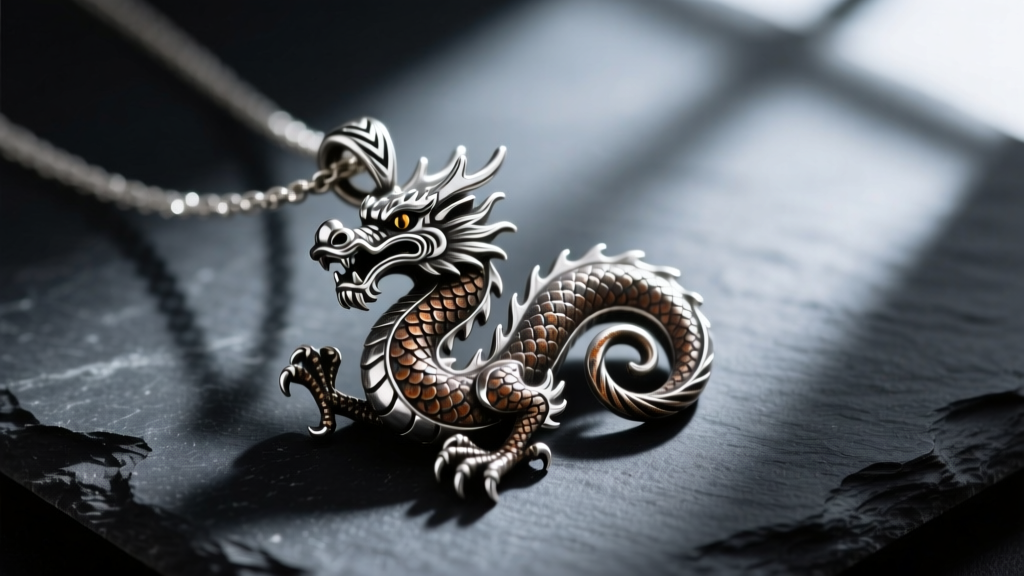
A dragon pendant necklace is more than just an accessory; it is a wearable piece of mythology and a bold statement of personal style. Whether you are drawn to the fierce symbolism of the Eastern lung dragon or the scaled majesty of the Western wyrm, wearing such an intricate piece requires deliberate styling. Unlike minimalist geometric pendants, a dragon motif features complex textures, sweeping lines, and often significant weight. To truly elevate your look, you must understand how to balance the pendant's visual weight, select the appropriate chain hardware, and integrate it seamlessly into your wardrobe. This step-by-step guide will walk you through the exact specifications and styling techniques needed to master the dragon pendant necklace.
Step 1: Selecting the Right Metal and Material Grade
The material of your dragon pendant dictates not only its price point but also how its intricate scales and features will catch the light. When shopping for high-quality pieces, look for these specific metal grades:
- 925 Sterling Silver with Antiquing: This is the gold standard for dragon jewelry. Artisans use a chemical compound like liver of sulfur to oxidize the silver, turning the recessed areas between the scales black. This creates a high-contrast, three-dimensional effect. Expect to pay between $80 and $250 for solid cast pieces.
- Bronze and Brass: These copper alloys offer a warm, ancient aesthetic. Bronze will naturally develop a patina over time, reacting to the acidity of your skin. While beautiful, those with copper sensitivities should apply a clear jeweler's lacquer to the back of the pendant.
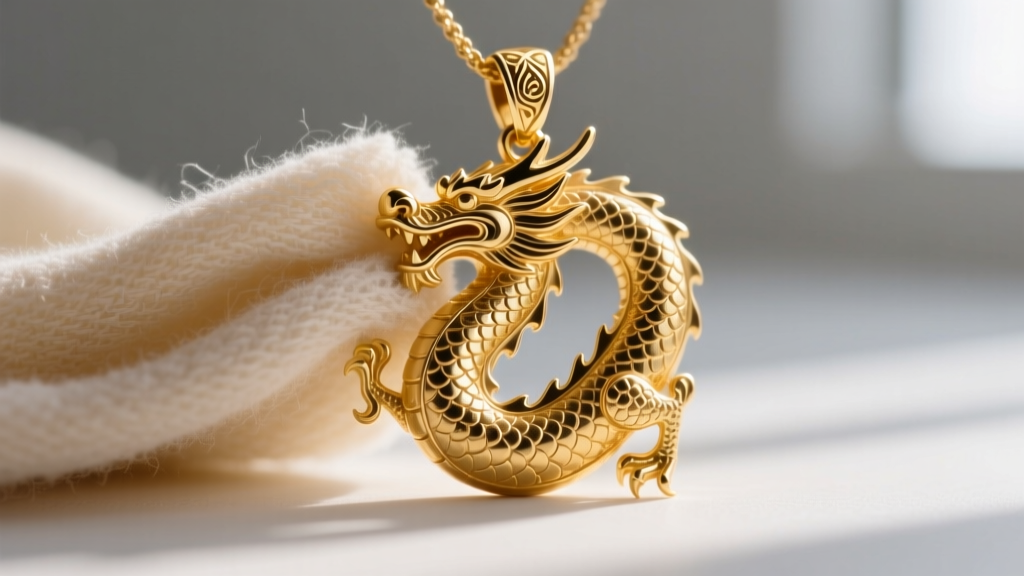
- Gold Vermeil: If you prefer gold, ensure the piece is vermeil, not merely gold-plated. According to FTC guidelines, vermeil must have a sterling silver base coated with at least 2.5 microns of 10k or higher gold. This ensures the gold layer is thick enough to withstand daily friction without rubbing off the dragon's raised scales.
For a deeper understanding of metal alloys and jewelry manufacturing standards, resources like Rio Grande offer extensive technical guides on precious metal properties and casting techniques.
Step 2: Choosing the Ideal Chain Length and Bail Size
One of the most common mistakes jewelry wearers make is pairing a heavy, ornate pendant with an inadequate chain. Dragon pendants are typically solid cast or thick hollow cast, weighing anywhere from 15 to 45 grams. A delicate 1mm cable chain will inevitably snap under this weight. Furthermore, you must check the bail (the loop at the top of the pendant) to ensure your chosen chain can pass through it.
Chain Weight Capacity and Aesthetic Guide
| Chain Type | Recommended Thickness | Weight Capacity | Best For |
|---|---|---|---|
| Wheat Chain | 3mm - 4mm | Up to 60g | Heavy, detailed dragon pendants; interlocking links prevent kinking. |
| Box Chain | 2mm - 3mm | Up to 40g | Medium-weight pendants; offers a modern, geometric contrast to organic scales. |
| Rope Chain | 4mm+ | Up to 80g+ | Massive statement pieces; the twist reflects light brilliantly. |
| Cable Chain | 1mm - 2mm | Up to 15g | Avoid for most dragon pendants unless the piece is a lightweight, stamped sheet metal cutout. |
Pro-Tip: Always use a sturdy lobster clasp rather than a spring-ring clasp. Lobster clasps have a stronger internal spring mechanism and are less likely to accidentally open when supporting the swinging momentum of a heavy pendant.
Step 3: Mastering the Layering Technique
Layering a dragon pendant necklace requires a strategic approach to prevent the chains from tangling and to ensure the dragon remains the focal point. The golden rule of necklace layering is the 2-inch gap rule.
- The Base Layer (16 inches): Start with a simple, lightweight chain or a velvet choker sitting flush against the collarbone. A delicate 14k gold or silver chain with a tiny bezel-set gemstone works perfectly here.
- The Bridge Layer (18 inches): Add a medium-weight chain, perhaps featuring a simple bar pendant or a small coin. This bridges the visual gap between the choker and the statement piece.
- The Statement Layer (20 to 24 inches): This is where your dragon pendant necklace lives. A 22-inch length is generally the sweet spot for a dragon motif, allowing it to rest on the sternum. This lower placement prevents the intricate details from getting lost in the collar of your shirt and gives the heavy pendant enough room to lay flat against your chest.
When layering, always put your necklaces on in order from shortest to longest, and take them off in reverse order. This prevents the heavier clasps from scratching the delicate links of your shorter chains.
Step 4: Matching Necklines and Occasions
The neckline of your garment acts as the frame for your jewelry. Because a dragon pendant is visually dense, it requires the right canvas to shine.
- The V-Neck: This is the ideal pairing. The diagonal lines of a V-neck mimic the sweeping wings or tail of a dragon, drawing the eye directly down to the pendant. Opt for a 20-inch chain so the pendant rests just above the apex of the V.
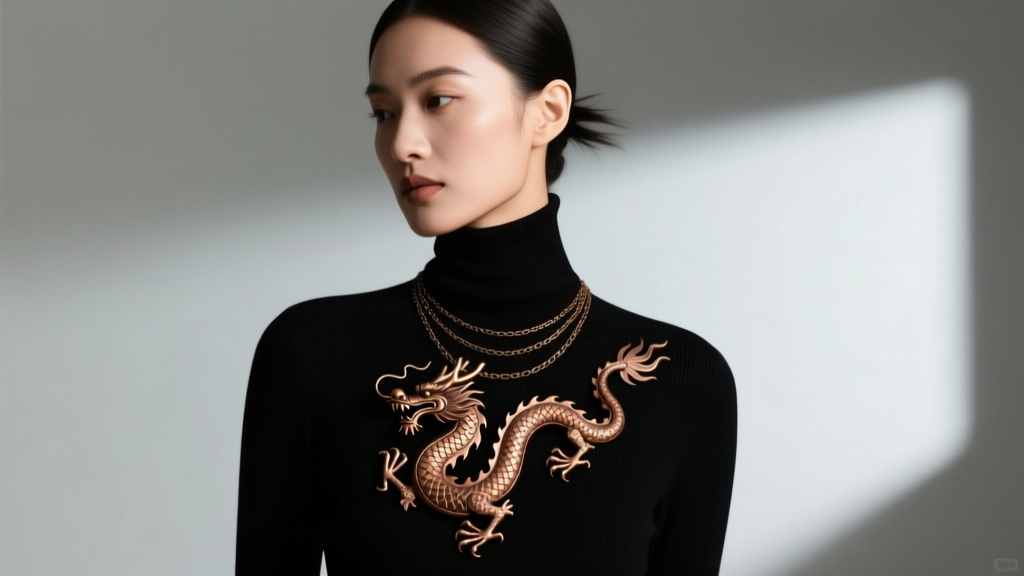
- The Turtleneck: A dark, solid-colored turtleneck (like charcoal, navy, or black) provides a high-contrast, minimalist backdrop that makes oxidized silver or bright gold dragon scales pop. Use a longer 24-inch chain for a bohemian, relaxed vibe.
- The Crew Neck: Proceed with caution. A crew neck can clash with the top of the pendant's bail. If you must wear a crew neck, opt for a shorter 18-inch chain so the dragon sits entirely above the fabric line, or go much longer (24+ inches) to drop below the collar entirely.
Step 5: Caring for Intricate Metalwork and Gemstone Inlays
Dragon pendants often feature deep crevices, undercuts, and sometimes enamel or gemstone inlays (like ruby eyes). Standard jewelry cleaning methods can easily ruin these specific design elements.
What to Avoid
Never use liquid silver dip solutions on an oxidized dragon pendant. These harsh chemicals will strip the intentional black patina from the recesses of the scales, leaving the piece looking flat and overly bright. Similarly, avoid ultrasonic cleaners if your dragon features glued-in gemstone eyes or cold enamel accents, as the high-frequency vibrations can shatter stones or dislodge the adhesive.
The Correct Cleaning Method
According to the care guidelines published by Jewelers of America, the safest way to clean textured, antiqued silver is through gentle, targeted polishing.
- Use a treated microfiber polishing cloth (such as a Sunshine cloth).
- Gently rub only the raised areas of the dragon—the tips of the wings, the snout, and the high ridges of the scales. This removes tarnish and skin oils while leaving the dark oxidation intact in the deep grooves.
- For dust trapped in the undercuts, use a soft-bristled makeup brush or a clean, dry toothbrush to gently sweep out the crevices.
- Store the necklace in an anti-tarnish ziplock bag with a silica gel packet to minimize exposure to humidity and airborne sulfur.
Final Thoughts on Wearing the Dragon
Styling a dragon pendant necklace is an exercise in balancing bold artistry with structural integrity. By selecting the appropriate chain gauge to support the pendant's weight, utilizing the 2-inch layering rule, and maintaining the piece with targeted polishing techniques, you ensure that your jewelry remains a striking, lifelong staple in your collection. Whether you are wearing it as a subtle nod to fantasy under a blazer or as a commanding centerpiece over a leather jacket, the dragon pendant is a versatile masterclass in statement jewelry.


