How to Clean and Care for Your Thames Trade Necklace
Learn expert care, cleaning, and storage tips for your Thames trade necklace. Protect oxidized metals, antique beads, and organic cords.


A Thames trade necklace is more than just an accessory; it is a curated collection of history, artisan metalwork, and global heritage. Characterized by their eclectic mix of antique trade beads, oxidized metals, and organic cording, these pieces require a highly specialized approach to maintenance. Standard commercial jewelry cleaners will instantly ruin the intentional patinas and degrade the porous historical materials often found in these designs.
As we move through 2026, museum-grade conservation techniques have become more accessible to everyday collectors. In this comprehensive guide, we break down the exact chemical vulnerabilities of mixed-media trade necklaces and provide a step-by-step, professional-grade cleaning protocol to ensure your piece survives for generations.
Material Breakdown: What Makes Thames Trade Pieces Unique?
To clean a Thames trade necklace effectively, you must first understand its anatomy. These necklaces typically combine materials that react disastrously to the same cleaning agents. For example, a solution that brightens raw brass will permanently strip the dark, antiqued finish from oxidized sterling silver.
| Material Component | Primary Vulnerability | Safe Cleaning Agent |
|---|---|---|
| Oxidized Sterling Silver (Ag925) | Stripped liver-of-sulfur patina | Dry microfiber cloth, soft brush |
| Raw / Artisan Brass | Water spots, uneven tarnish | Lemon juice/salt (spot treatment only) |
| Antique Powder Glass (e.g., Krobo) | Surface scratching, chemical etching | Damp cloth, mild castile soap |
| Carved Bone, Horn, or Wood | Warping, chemical burns, drying | Dry dusting, light mineral oil |
| Waxed Linen / Cotton Cording | Wax degradation, rot from sweat | Microcrystalline wax (Renaissance Wax) |
The Golden Rules of Daily Maintenance
Preventative care is always superior to reactive cleaning. The natural acids and salts present in human sweat are highly corrosive to both raw brass and organic trade beads. According to conservation guidelines from the Victoria and Albert Museum, minimizing direct chemical contact is the cornerstone of preserving historical jewelry.
- The 'Last On, First Off' Rule: Always put your Thames trade necklace on after applying perfumes, lotions, and hairsprays. Remove it immediately upon returning home.
- Friction Management: Avoid wearing these pieces over rough, heavily textured fabrics like raw wool or sequins, which can micro-scratch antique glass beads and dull the polished edges of metal coins or pendants.
- Post-Wear Wipe Down: Keep a dedicated, untreated microfiber cloth in your jewelry box. Gently wipe the metal components and beads after every wear to remove acidic skin oils before they can etch into the surfaces.
Step-by-Step Cleaning Guide for Mixed-Media Trade Necklaces
When your necklace requires a deeper clean, you must isolate the materials. Never submerge a Thames trade necklace in water. The cording will absorb moisture, leading to internal mildew, and water will pool in the crevices of metal beads, causing hidden corrosion.
1. Cleaning Oxidized Metals and Brass
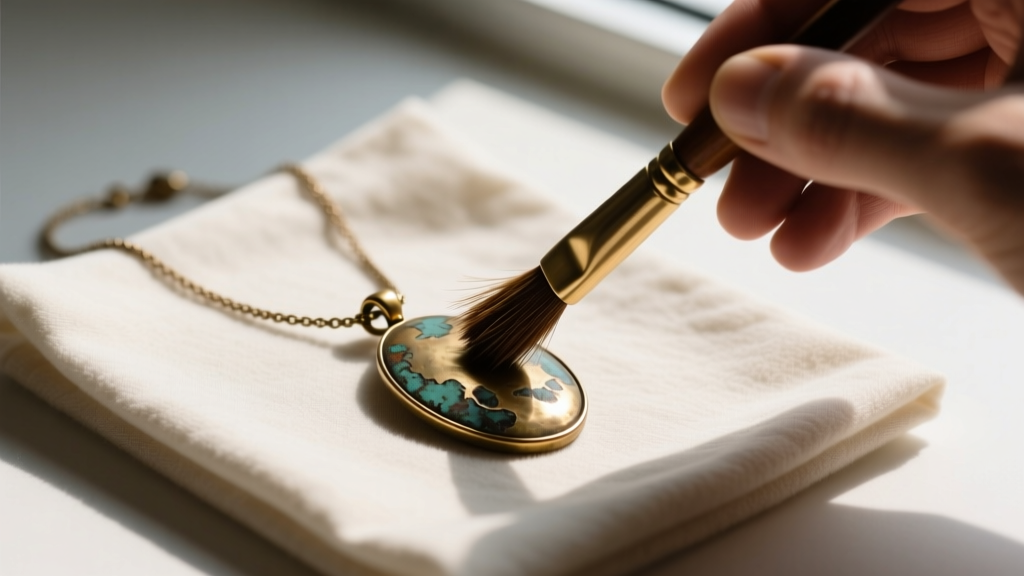
The dark, moody finish on the silver components of a Thames trade necklace is achieved through a chemical process using liver of sulfur. Commercial silver dips (which contain thiourea) will strip this oxidation in seconds, leaving the silver blindingly bright and ruining the antique aesthetic. Instead, use a soft horsehair detailing brush to gently sweep away dust and dead skin cells from the deep crevices of the metalwork. If the brass components have developed an undesirable green patina, dip a cotton swab in a mixture of equal parts white vinegar and water, apply it strictly to the brass, and immediately buff it dry with a clean cloth.
2. Caring for Antique Glass and Porous Beads
Trade beads, particularly African powder glass or Venetian millefiori, are highly porous. The Gemological Institute of America (GIA) warns that ultrasonic cleaners and harsh detergents can fracture or chemically etch these historical artifacts. To clean them, mix a single drop of pH-neutral castile soap into a bowl of distilled water. Dampen a soft lint-free cloth in the solution—do not soak it—and gently wipe each bead. Follow up immediately with a dry cloth to prevent moisture from seeping into the bead holes.
3. Nourishing Organic Materials
If your necklace features carved bone, horn, or hardwood beads, they can dry out and crack over time, especially in low-humidity environments. Once every six months, apply a microscopic amount of food-grade mineral oil to a cotton swab and rub it into the organic beads. Let it sit for ten minutes, then buff off any excess. This prevents micro-fractures and maintains the material's structural integrity.
Restoring and Protecting the Cording
The structural backbone of most Thames trade necklaces is a heavy-duty, 2mm to 3mm waxed linen or cotton cord. Over time, the friction from your neck and the acidity of your sweat will strip the protective wax coating, leaving the fibers brittle and prone to snapping under the weight of the beads.
To restore the cord, you need a museum-grade microcrystalline wax, such as Renaissance Wax. Unlike organic waxes (beeswax or carnauba), microcrystalline wax has a higher melting point, remains non-tacky, and will not attract dust or turn rancid. Apply a tiny amount of the wax to your fingertips, gently massage it into the exposed sections of the cord, and let it cure for 20 minutes before wearing. This re-waterproofs the fibers and restores their tensile strength.
What to Avoid: Common and Costly Cleaning Mistakes
When dealing with artisan and historical jewelry, what you don't do is just as important as what you do. Avoid these catastrophic mistakes:
- Ultrasonic Cleaners: The high-frequency vibrations will shatter antique glass beads and shake the glue out of any bezel-set stones or inlays.
- Steam Cleaners: The sudden thermal shock can crack older, internally stressed glass trade beads, while the moisture will instantly rust any hidden iron or steel wire armatures inside the metal beads.
- Baking Soda Pastes: Baking soda is highly abrasive. Scrubbing oxidized silver or soft brass with it will create micro-scratches that permanently dull the metal's luster and remove the antiqued finish.
- Toothpaste: Toothpaste contains hydrated silica, an abrasive designed to strip plaque from enamel. It will aggressively strip the delicate patinas from your Thames trade metals.
Long-Term Storage and Preservation
Proper storage is the final pillar of maintenance. Never store your Thames trade necklace in a standard plastic ziplock bag or a PVC-based jewelry box. PVC emits hydrogen chloride gas as it degrades, which will rapidly corrode brass and tarnish silver. Furthermore, sealing organic materials in airtight plastic traps ambient moisture, inviting mold growth on the cording and porous beads.
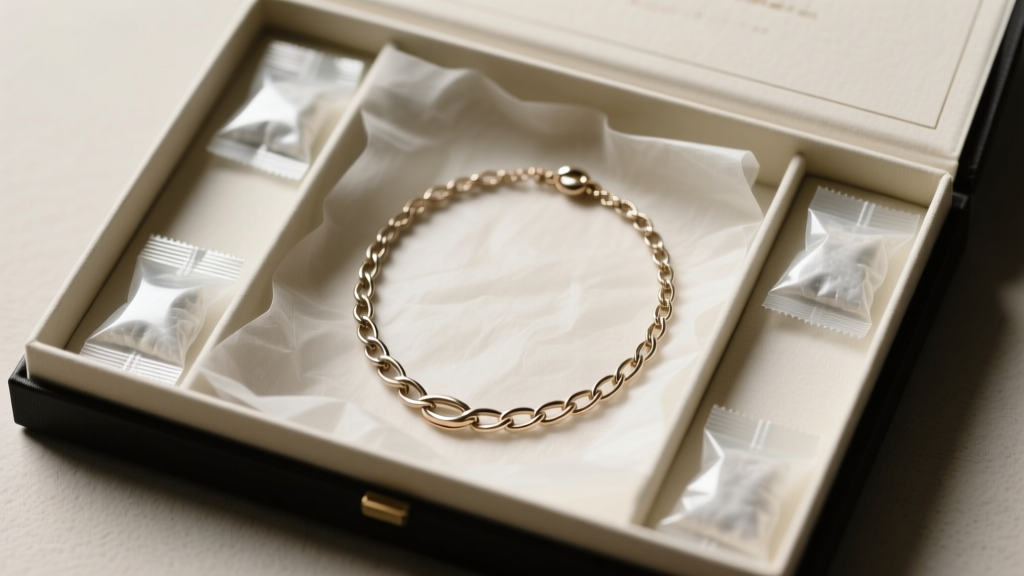
Instead, wrap the necklace loosely in archival, acid-free, unbuffered tissue paper. Place it in a breathable cotton pouch or a lined wooden jewelry box. Include a small packet of silica gel desiccant to control ambient humidity, aiming for a stable environment around 40-50% relative humidity. Store the piece flat to prevent the heavy trade beads from stretching the waxed cord over time. By following these meticulous, conservation-grade protocols, your Thames trade necklace will retain its historical charm and structural integrity for decades to come.


