Ariel Seashell Necklace Guide: Mermaidcore Styling & Care 2026
Discover how to choose, style, and care for an Ariel seashell necklace. Learn about shell materials, chain gauges, and mermaidcore layering tips.

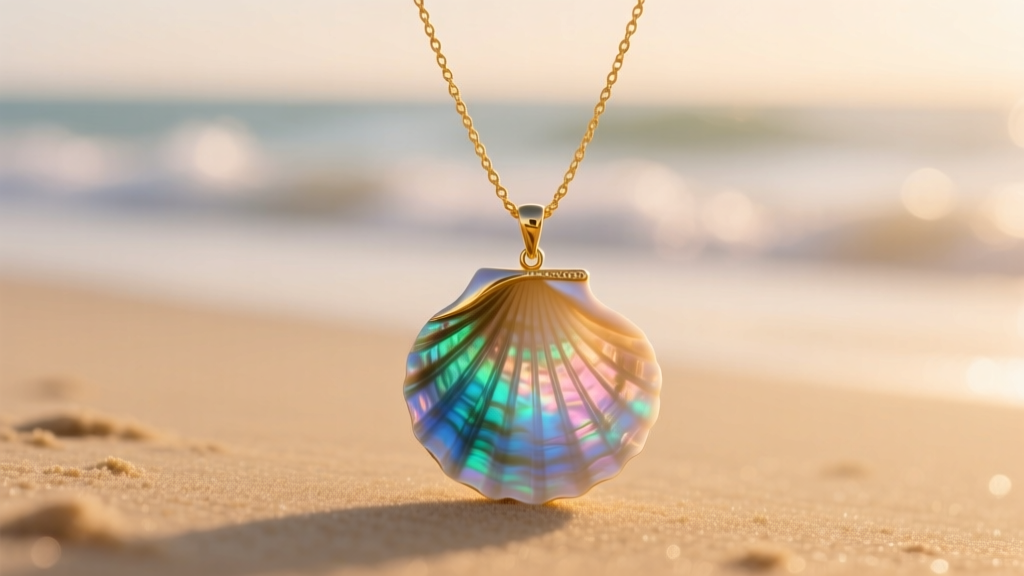
The ariel seashell necklace has evolved far beyond the plastic costume jewelry of the early 2000s. In 2026, the mermaidcore aesthetic has matured into a staple of fine and demi-fine jewelry, featuring genuine organic gemstones, precision-cast metals, and sophisticated layering techniques. Whether you are drawn to the iridescent flash of abalone or the classic elegance of carved mother of pearl, choosing the right shell pendant requires an understanding of material durability, chain mechanics, and proper organic gem care. This beginner-friendly guide will help you navigate the market, avoid low-quality pitfalls, and style your seashell jewelry with confidence.
The Anatomy of an Authentic Shell Pendant
Not all shells are created equal. When shopping for an ariel seashell necklace, the term "shell" can refer to several vastly different materials, each with unique durability profiles and visual characteristics. Understanding these differences is critical to ensuring your necklace lasts beyond a single summer season.
Abalone vs. Mother of Pearl vs. Natural Shell
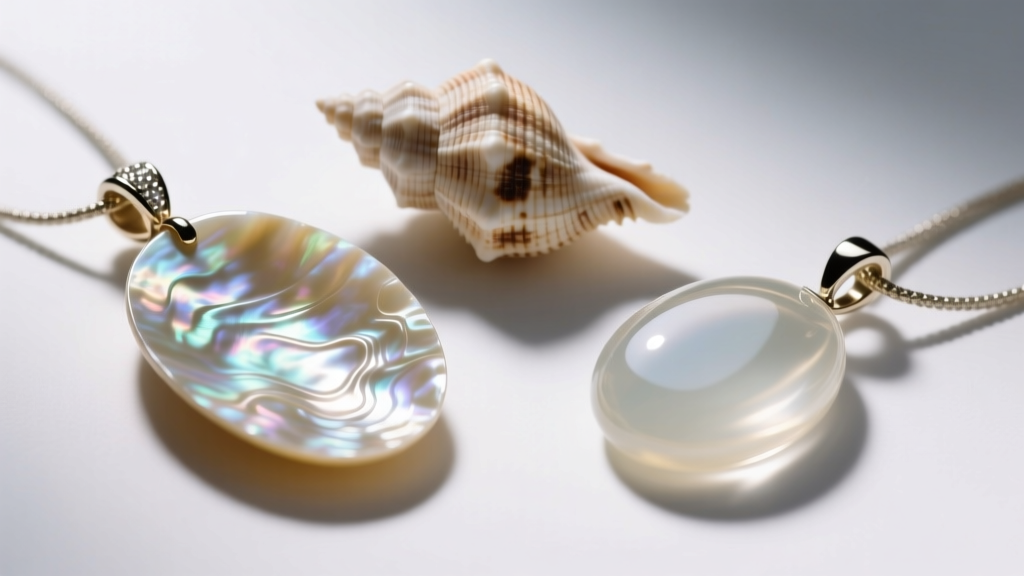
- Abalone: Prized for its vibrant, multi-colored iridescence (greens, blues, and pinks). Abalone has a Mohs hardness of about 3.5, making it relatively soft. It is best suited for pendants that lay flat against the chest to avoid friction scratching.
- Mother of Pearl (Nacre): The inner layer of pearl-producing mollusks. It offers a creamy, luminous white or pink overtone. With a Mohs hardness of 3.5 to 4, it is slightly more durable than abalone and takes intricate carving exceptionally well.
- Natural Scallop or Cowrie Shell: Often used in bohemian designs, whole natural shells are composed of porous calcium carbonate. They are highly fragile, prone to chipping, and will absorb sweat and oils, which can degrade the shell matrix over time.
- Carved Resin or Epoxy: While not an organic gem, high-grade UV-stable resin is often used to mimic the ariel seashell look. It is highly durable and water-resistant but lacks the natural temperature regulation and deep optical luster of real nacre.
Metal Grades: Avoiding the "Green Neck" Trap
The chain and bezel setting of your ariel seashell necklace dictate its lifespan. Because shell pendants are often worn in warm weather or near water, the metal must withstand moisture and skin acidity. Here is a breakdown of the most common metal configurations you will encounter in 2026.
| Metal Type | Base Material | Gold Thickness | Durability & Failure Modes | Average Price Range |
|---|---|---|---|---|
| Flash Plated | Brass or Copper | <0.1 microns | Poor. Plating rubs off in weeks, exposing brass which oxidizes and turns skin green. | $15 - $40 |
| Gold Vermeil | Sterling Silver | 2.5+ microns | Good. The FTC requires a minimum 2.5-micron gold layer over sterling silver. Will eventually wear at high-friction points. | $65 - $140 |
| Gold Filled | Jeweler's Brass | 5% of total weight | Very Good. Mechanically bonded gold layer is highly durable, but exposed brass edges can tarnish over years. | $50 - $110 |
| Solid 14k Gold | 14k Gold Alloy | Solid | Excellent. Completely water-safe, hypoallergenic, and will never flake or tarnish. Best for daily beach wear. | $250 - $600+ |
For a beginner looking for the best balance of quality and price, gold vermeil is the standard. As noted in GIA's precious metal guidelines, verifying the sterling silver base and the micron thickness is essential to ensure you are purchasing true vermeil rather than cheap flash plating.
Chain Selection: Gauge and Length Mechanics
A common failure point in shell jewelry is the chain snapping under the weight of the pendant. Shell pendants, especially those set in solid metal bezels, typically weigh between 4 and 10 grams.
Choosing the Right Gauge
Do not pair a heavy scallop pendant with a delicate 1.0mm cable chain; its breaking point is often under 3 pounds of tension. Instead, opt for a 1.5mm to 2.0mm box chain or rope chain. These styles offer a breaking point of 10 to 15 pounds, providing structural security while maintaining a refined, feminine aesthetic that complements the organic curves of the shell.
Length and Proportion
For a classic ariel seashell necklace look, a 16-inch princess length is ideal. This allows the shell to rest precisely at the collarbone, catching the light without swinging wildly and risking impact damage against hard surfaces. If the pendant is oversized (over 25mm), an 18-inch length helps balance the visual weight on the chest.
How to Style Your Seashell Pendant in 2026
Mermaidcore styling has shifted away from literal, head-to-toe beach costumes toward subtle, elevated nods to the ocean. The key to styling an ariel seashell necklace is intentional contrast and layered textures.
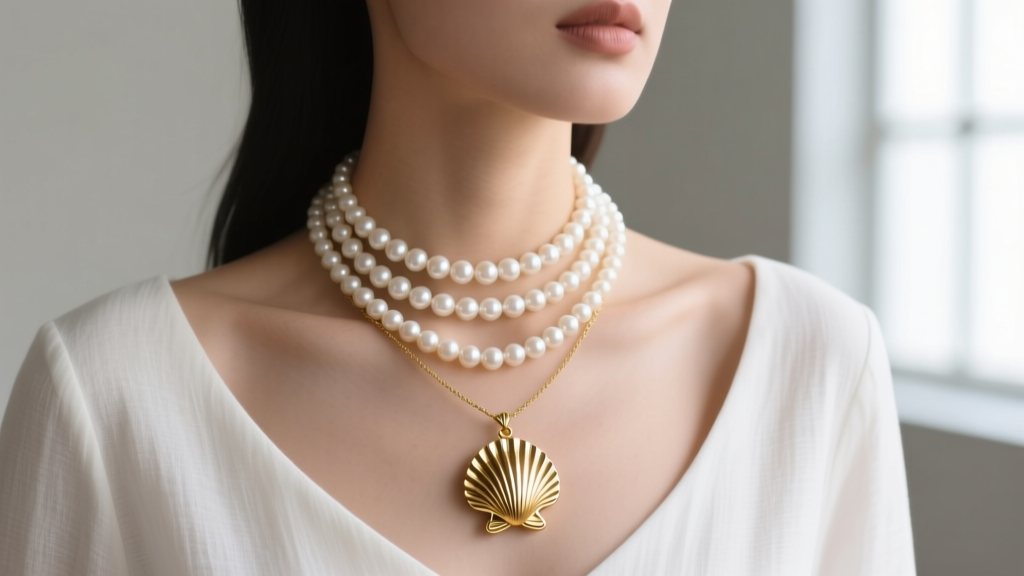
The Mermaidcore Layering Formula
- The Base (14-15 inches): Start with a delicate freshwater pearl choker or a thin 1.2mm gold snake chain. This frames the face and establishes the aquatic theme.
- The Focal Point (16-18 inches): Your ariel seashell necklace sits here. Ensure the pendant drops at least two inches below the first chain to prevent tangling and metal-on-shell scratching.
- The Anchor (20-22 inches): Finish with a matte-finish gold coin pendant or a simple lariat. The matte texture contrasts beautifully with the high-polish luster of the shell.
Neckline Pairings
Shell pendants shine best against open necklines. Scoop necks, sweetheart necklines, and unbuttoned linen shirts provide the perfect canvas. Avoid wearing intricate shell pendants over high-neck ribbed turtlenecks or busy, heavily patterned fabrics, as the organic details of the shell will become visually lost.
Care & Maintenance: Preventing Shell Degradation
Organic gems require vastly different care than crystalline stones like diamonds or sapphires. Because shells are composed of calcium carbonate and conchiolin (an organic protein), they are highly reactive to everyday chemicals.
Critical Failure Modes to Avoid
- Acid and Sweat: Lactic acid in human sweat can slowly dissolve the polished surface of mother of pearl and abalone, leaving it dull and chalky. Always wipe your necklace with a dry microfiber cloth after wearing it in the heat.
- Chemical Exposure: Sunscreen, perfume, and hairspray contain alcohols and oils that can seep into the porous layers of the shell, causing permanent yellowing or clouding. Always apply cosmetics and let them dry before putting on your jewelry.
- Ultrasonic Cleaners: Never place an ariel seashell necklace in an ultrasonic jewelry cleaner. The high-frequency sound waves and heat will shatter the nacre or violently detach the shell from its glued bezel setting.
The Proper Cleaning Routine
According to the Gemological Institute of America (GIA), organic gems should only be cleaned with a soft, damp cloth. If your shell pendant has accumulated stubborn oils, use a single drop of mild, phosphate-free dish soap on a damp cotton swab to gently lift the residue, followed immediately by a wipe with a clean, wet cloth to remove any soap film. Allow the piece to air dry completely on a flat towel before storing it in a soft pouch to prevent scratches from harder jewelry pieces.
By selecting the right shell material, pairing it with a structurally sound chain, and adhering to a strict organic gem care routine, your ariel seashell necklace will remain a luminous, enduring staple of your jewelry collection for years to come.


