How to Clean, Fix, and Maintain Sticky Necklace Hooks
Learn how to clean, fix, and maintain sticky necklace hooks. Expert tips for lobster clasps, spring rings, and S-hooks to keep jewelry secure.

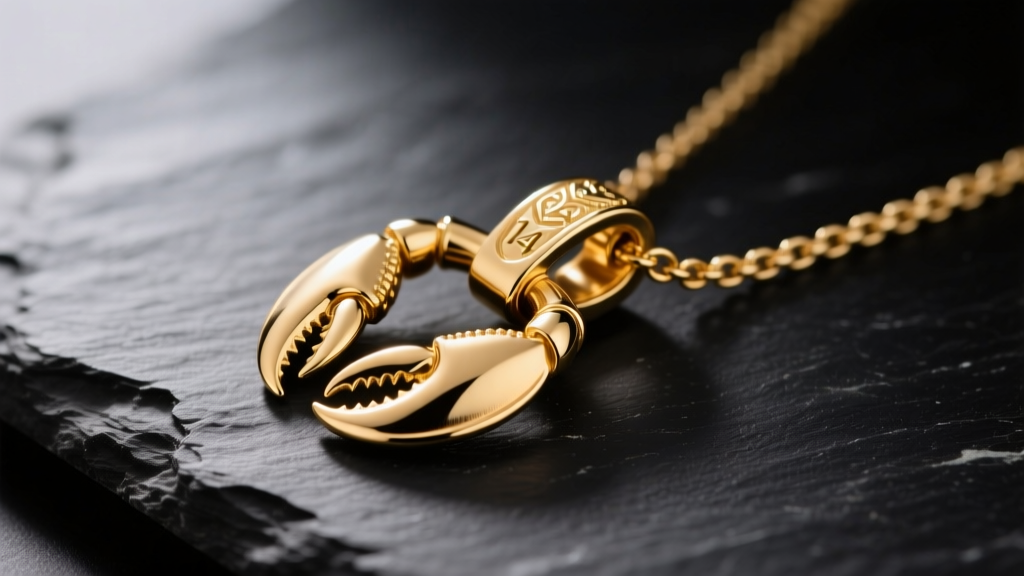
Necklace hooks are the unsung heroes of your jewelry box. Whether it is a delicate spring ring on a diamond pendant or a heavy-duty lobster clasp on a thick Cuban link chain, the hook is the single point of failure that keeps your investment secure. Yet, because they are small and often hidden at the nape of the neck, necklace hooks are frequently ignored during routine jewelry cleaning. Over time, this neglect leads to sticky levers, compromised springs, and ultimately, lost jewelry.
As a domain expert in jewelry maintenance, I see countless chains brought into the repair bench simply because the clasp mechanism was clogged with sebum, lotion, and dead skin cells. In this comprehensive guide, we will dive deep into the anatomy of necklace hooks, explore the metallurgy that makes them work, and provide actionable, step-by-step protocols for cleaning, troubleshooting, and maintaining your clasps to ensure they glide smoothly for decades.
The Anatomy of Necklace Hooks and Why They Fail
To properly maintain your jewelry, you must first understand a hidden truth about precious metal jewelry: the internal springs inside your 14k gold or sterling silver necklace hooks are almost never made of gold or silver. Precious metals are too malleable; they lack the 'memory' and tensile strength required to act as a spring. Instead, jewelers use carbon steel or stainless steel for the internal tension mechanisms.
This bi-metal construction creates a unique maintenance challenge. While the exterior of your necklace hook may be highly resistant to tarnish, the internal carbon steel spring is highly susceptible to oxidation, rust, and corrosion when exposed to sweat, humidity, and chlorinated pool water. When rust forms inside the casing, it creates friction against the interior walls, resulting in the dreaded 'sticky' lever or a hook that fails to snap shut completely.
Step-by-Step Cleaning Guide for Different Hook Metals
The cleaning protocol for your necklace hooks depends entirely on the style of the hook and the metals involved. Using the wrong method can permanently ruin the tension mechanism or damage adjacent gemstones.
1. Sterling Silver and Gold S-Hooks / Fishhooks
S-hooks and fishhook clasps rely on the physical malleability of the metal to maintain tension. Because they lack internal moving parts, their primary enemy is surface tarnish and physical bending.
- Light Tarnish: Use a high-quality micro-abrasive polishing cloth, such as a Sunshine cloth. Gently rub the hook until the black silver sulfide is removed.
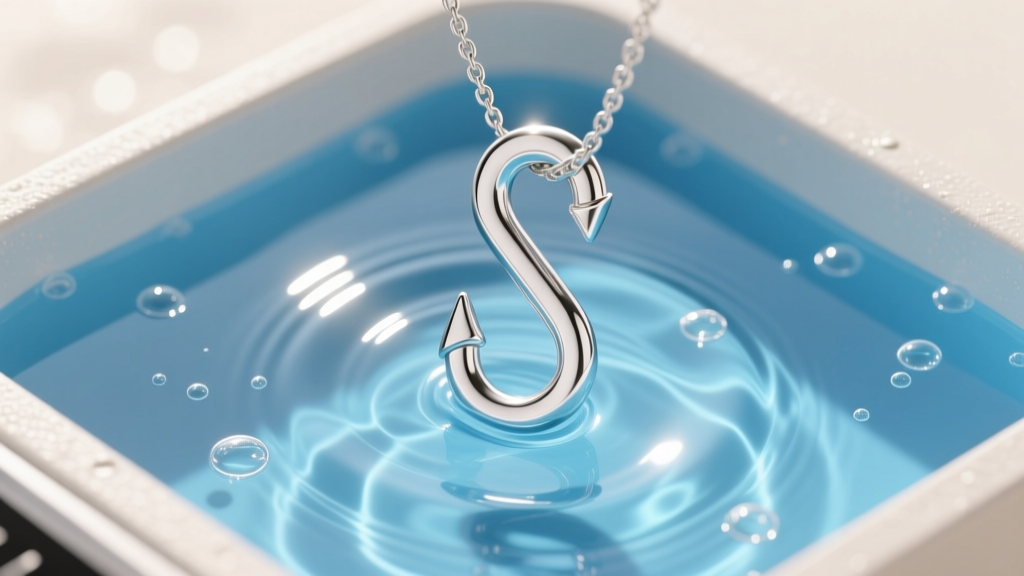
- Heavy Tarnish: If the hook is severely oxidized, you can use a chemical silver dip. However, you must rinse the hook thoroughly with distilled water immediately after dipping. If chemical residue dries inside the curve of the S-hook, it will accelerate future tarnishing and irritate the skin on the back of your neck.
2. Spring Rings and Lobster Clasps
These mechanical hooks feature a tiny lever that retracts a spring-loaded plunger. The microscopic gap between the lever and the clasp body is a magnet for cosmetic buildup, including foundation, dry shampoo, and body oils.
- Isolate the Hook: If your necklace features porous gemstones like pearls, opals, turquoise, or emeralds, you must isolate the hook. Submerging the entire piece in cleaning solutions will destroy these stones.
- The Detergent Bath: Mix warm water with a few drops of a grease-cutting dish soap (like Dawn Ultra). Submerge just the necklace hook for 10 to 15 minutes to break down the lipid bonds of the sebum.
- Mechanical Agitation: Use an extra-soft baby toothbrush to gently scrub the crevices of the lever. Do not use a stiff-bristled brush, as it will scratch high-polish gold and platinum.
- The Ultrasonic Option: For solid gold or platinum hooks attached to durable chains (like cable or curb chains without stones), an ultrasonic cleaner operating at 42 kHz to 45 kHz is highly effective. The cavitation bubbles will blast grime out of the internal spring housing. According to the Gemological Institute of America (GIA), ultrasonic cleaners are excellent for plain metal chains but must be strictly avoided for fracture-filled stones or organic gems.
Troubleshooting Sticky or Jammed Necklace Hooks
If your necklace hooks are clean but still difficult to operate, you are likely dealing with a mechanical failure or a lubrication issue. Below is a diagnostic chart to help you identify and resolve the most common clasp malfunctions.
| Hook Type | Common Failure Mode | Diagnostic Symptom | Maintenance Fix |
|---|---|---|---|
| Lobster Clasp | Lever Misalignment | Lever feels gritty or gets stuck halfway down. | Gently squeeze the sides of the clasp body with nylon-jaw pliers to realign the internal track. |
| Spring Ring | Spring Fatigue | Plunger retracts slowly or fails to snap shut with an audible click. | Internal spring has lost tension. Requires complete replacement by a bench jeweler. |
| S-Hook | Metal Fatigue | Hook feels loose and easily pulls away from the jump ring. | Gently squeeze the hook closed with smooth-jaw pliers to restore tension. Do not over-bend. |
| Toggle Hook | Friction Buildup | T-bar is difficult to slide through the receiving loop. | Polish both the T-bar and the inner rim of the loop with a jeweler's rouge cloth. |
Preventative Maintenance: Keeping Hooks Gliding Smoothly
Once your necklace hooks are perfectly clean, the final step in the maintenance protocol is lubrication. However, you must absolutely avoid standard household lubricants like WD-40, sewing machine oil, or cooking oils. These liquid lubricants are 'wet' and will act as a magnet for dust, lint, and dead skin cells. Within a week, the liquid oil will mix with this debris to form a thick, black sludge that will permanently jam the microscopic spring mechanism.
Instead, professional jewelers use dry graphite powder. Graphite provides exceptional friction reduction without leaving a wet residue. To apply it:
- Ensure the necklace hook is completely dry and free of any soap residue.
- Dip the tip of a wooden toothpick or a fine jeweler's needle into a tiny amount of dry graphite powder.
- Depress the lever of the lobster clasp or spring ring to expose the internal mechanism.
- Gently tap the toothpick to release a microscopic dusting of graphite directly into the lever track.
- Click the lever open and closed 10 to 15 times to distribute the graphite evenly across the internal spring.
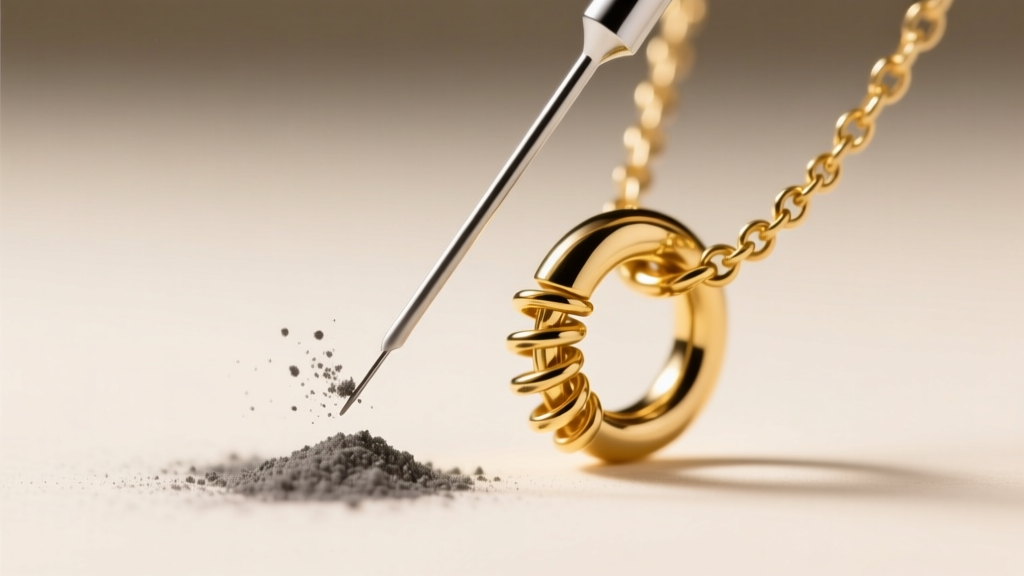
Performing this dry lubrication process once every six months will drastically extend the lifespan of your mechanical necklace hooks and ensure they operate with a satisfying, secure snap.
The Hidden Danger of Chemical Dips on Mechanical Hooks
A critical warning regarding chemical tarnish removers (often sold as 'instant silver dips' containing thiourea and sulfuric acid): never submerge mechanical necklace hooks in these solutions for extended periods. While the acid strips tarnish from the silver exterior almost instantly, it can seep into the hollow casing of a spring ring or lobster clasp. Because it is nearly impossible to completely rinse the acid out of the tiny internal spring chamber, the trapped chemical will aggressively corrode the carbon steel spring from the inside out. If you must use a chemical dip, limit the submersion of the hook to no more than two seconds, and immediately flush the clasp mechanism with a syringe full of distilled water and baking soda to neutralize the acid.
When to Replace Your Necklace Hooks Entirely
No amount of cleaning or lubrication can reverse metal fatigue. If you are dealing with a spring ring hook that no longer snaps shut with authority, or a lobster clasp where the lever feels 'mushy' and lacks resistance, the internal spring has permanently stretched or fractured. Continuing to wear a necklace with a compromised hook is a massive risk, especially for heavy pendants or valuable diamond chains.
According to maintenance guidelines from Jewelers of America, having a professional bench jeweler solder on a new, high-quality clasp is a routine and relatively inexpensive repair. In 2026, you can expect to pay between $25 and $55 for a standard clasp replacement, depending on the metal weight and the complexity of the soldering required. Always opt for solid cast lobster clasps over hollow, stamped versions, as the solid cast hooks offer vastly superior longevity and resistance to crushing forces.
By integrating these specific cleaning, troubleshooting, and lubrication techniques into your jewelry care routine, you ensure that your necklace hooks remain reliable, secure, and perfectly functional, protecting your most cherished pendants and chains for a lifetime.


