Wearing a Ring as a Necklace: Budget & Value Guide
Is wearing a ring as a necklace worth the cost? Compare chain materials, bail options, and long-term value for converting rings into pendants.

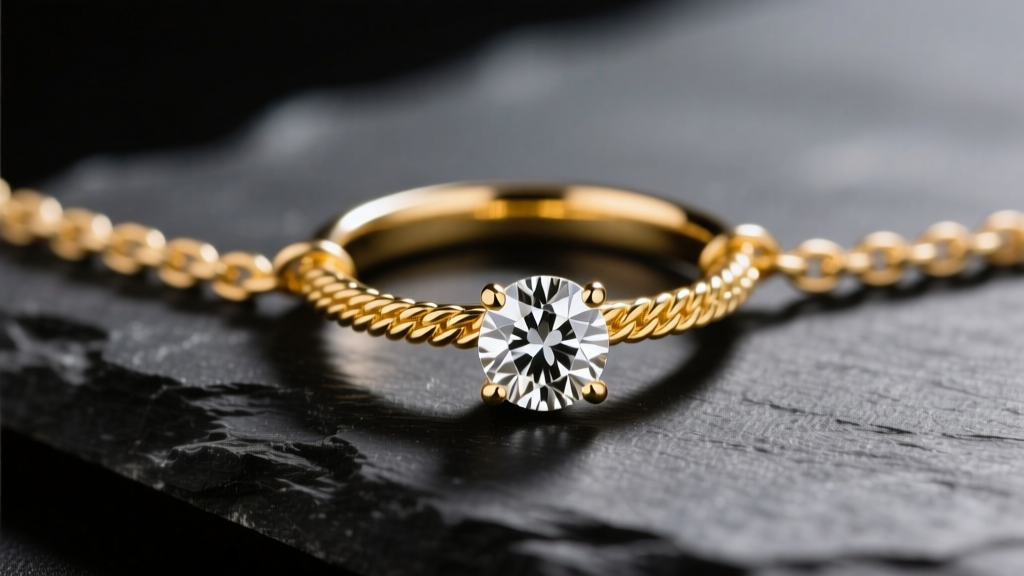
Repurposing jewelry is one of the most cost-effective ways to refresh your collection. For many, wearing a ring as a necklace is a sentimental choice—perhaps transforming an inherited signet ring, an old engagement band, or a promise ring into a wearable pendant. But from a strict budget and value assessment perspective, how much should you spend on the conversion? More importantly, will the chain you buy protect the ring, or will friction destroy the metal over time?
This guide breaks down the exact costs, material grades, and hardware requirements for wearing a ring as a necklace in 2026, ensuring you maximize both sentimental and financial value without falling victim to premature chain breakage or ring degradation.
The True Cost of Conversion: Chain vs. Bail
When you decide to wear a ring on a chain, the ring itself is already a sunk cost. Your new budget is entirely allocated to the chain and the findings (the hardware connecting the two). A common mistake is pairing a $2,000 platinum ring with a $40 hollow gold chain. This creates a severe value imbalance and a high risk of loss.
According to jewelry appraisal standards, the chain's tensile strength and metal hardness must complement the ring. If you are wearing a ring as a necklace daily, you need a solid chain. Here is a realistic budget breakdown for the components required in 2026:
| Component | Budget Tier ($50-$150) | Mid-Range ($150-$400) | High-Value ($400+) |
|---|---|---|---|
| Chain Material | Sterling Silver (Solid) | 10k or 14k Solid Gold | 18k Gold or Platinum |
| Chain Style | Cable or Curb (1.5mm) | Rope, Wheat, or Box (2.0mm) | Hand-forged Wheat (2.5mm+) |
| Bail / Connector | Standard Jump Ring | Soldered Split Ring | Custom Tapered Bail |
| Clasp | Spring Ring | Lobster Claw | Custom Box Clasp w/ Safety |
Pro Tip: Never use a standard, unsoldered jump ring to connect a valuable ring to a chain. The friction of the ring sliding back and forth will eventually pry the jump ring open, resulting in the loss of the pendant. Always pay the extra $15–$30 for a soldered split ring or have a jeweler solder the jump ring shut.
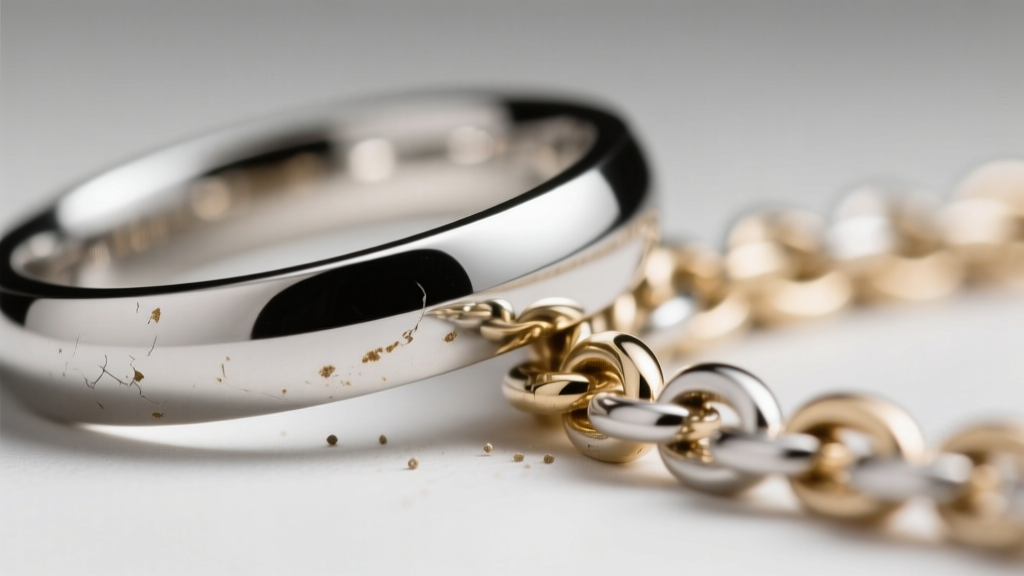
Material Friction: The Hidden Cost of Metal-on-Metal Wear
The most overlooked factor in the value assessment of wearing a ring as a necklace is galvanic and mechanical friction. When two metals rub together continuously, the softer metal acts as an abrasive against the harder metal, or simply wears away entirely.
The Mohs Hardness Match
To preserve the value of your ring, the chain should ideally be made of the same metal, or a slightly softer metal, than the ring. If you hang a soft 24k gold ring on a hardened stainless steel chain, the steel will act like a file, shaving off microscopic layers of your gold ring every day.
- Platinum Rings: Require platinum or heavy 18k gold chains. Platinum is dense and will saw through standard 14k gold or silver chains within 12 to 18 months of daily wear.
- 14k/18k Gold Rings: Best paired with matching karat gold chains. Sterling silver is acceptable for a budget option, but the silver will tarnish and wear down faster than the gold ring.
- Sterling Silver Rings: Highly versatile. Can be worn on silver, gold, or even high-grade titanium chains without severe degradation.
For a deeper understanding of metal hardness and jewelry wear, the Gemological Institute of America (GIA) provides extensive resources on how different alloys interact over decades of wear.
Chain Styles Ranked by Tensile Strength and Value
Not all chains are created equal. When wearing a ring as a necklace, the ring acts as a pendulum, putting stress on the links near the clasp and the center. Fashion chains (like hollow rope or snake chains) offer high visual impact for low budgets but possess terrible structural integrity for heavy pendants.
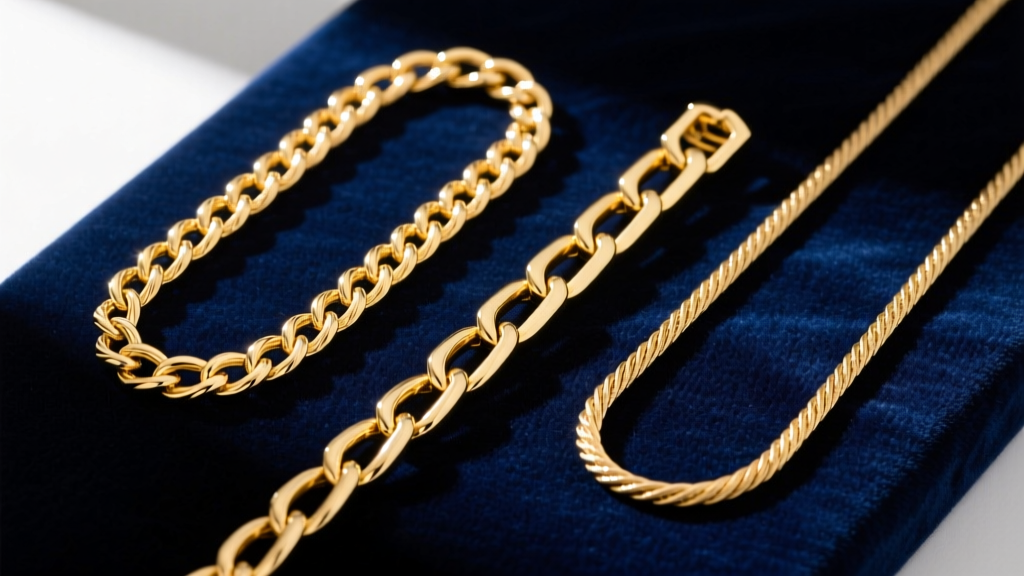
1. The Wheat Chain (Best Overall Value)
Wheat chains consist of four strands of twisted oval links woven together. They are incredibly resistant to kinking and can support the weight of a heavy signet or gemstone ring without stretching. A solid 14k wheat chain (2.0mm) typically retails between $250 and $400, offering the best longevity-to-price ratio.
2. The Box Chain (Best for Heavy Rings)
Box chains feature square links connected in a continuous, smooth pattern. They are highly durable and rarely tangle. However, if a box chain does break, it is notoriously difficult to repair seamlessly. Budget for a solid box chain if your ring exceeds 15 grams.
3. The Cable Chain (The Budget Standard)
Simple, round, or oval links connected in a uniform pattern. Cable chains are affordable (often under $100 for sterling silver) and easy to repair. However, the individual links can stretch and distort over time under the weight of a heavy ring. Stick to cable chains only for lightweight bands (under 5 grams).
Bail Alternatives: Threading vs. Mounting
How do you actually attach the ring? The method you choose impacts both the upfront cost and the long-term aesthetic value of the piece.
Direct Threading (Zero Cost)
Simply passing the chain through the ring's band. This is the most common method for wearing a ring as a necklace. The risk: If the ring's inner diameter is smaller than the chain's end fittings (the clasp and the jump ring), you cannot thread it. Furthermore, direct threading causes the ring to slide freely, leading to the metal-on-metal friction discussed earlier.
The Tapered Bail Insert ($40 - $120)
A jeweler can wire-wrap or solder a tapered metal bail to the top of the ring. This keeps the ring facing forward (preventing it from flipping upside down) and stops it from sliding along the entire length of the chain. This adds upfront cost but significantly preserves the ring's inner band from wearing thin. According to the Jewelers of America, custom mounting is the preferred method for preserving the structural integrity of antique or high-carat gold rings.
Final Verdict: Is It Worth the Investment?
Wearing a ring as a necklace is a highly economical way to repurpose unworn jewelry, provided you budget correctly for the supporting hardware. Skimping on the chain to save $100 is a false economy if it results in a snapped link and a lost diamond ring.
The Golden Rule of Ring Pendants: Allocate at least 10% to 15% of the ring's appraised replacement value toward the chain and findings. If your ring is valued at $2,000, expect to spend $200 to $300 on a high-quality, solid 14k gold wheat or box chain with a soldered connector. By matching metal hardness and prioritizing tensile strength over fleeting fashion trends, your repurposed pendant will remain secure and valuable for decades.


