Expert Guide: Choosing a Sterling Silver Jade Necklace
Discover technical specs, jade grading (Type A/B/C), and silver purity marks to authenticate and buy the perfect sterling silver jade necklace.

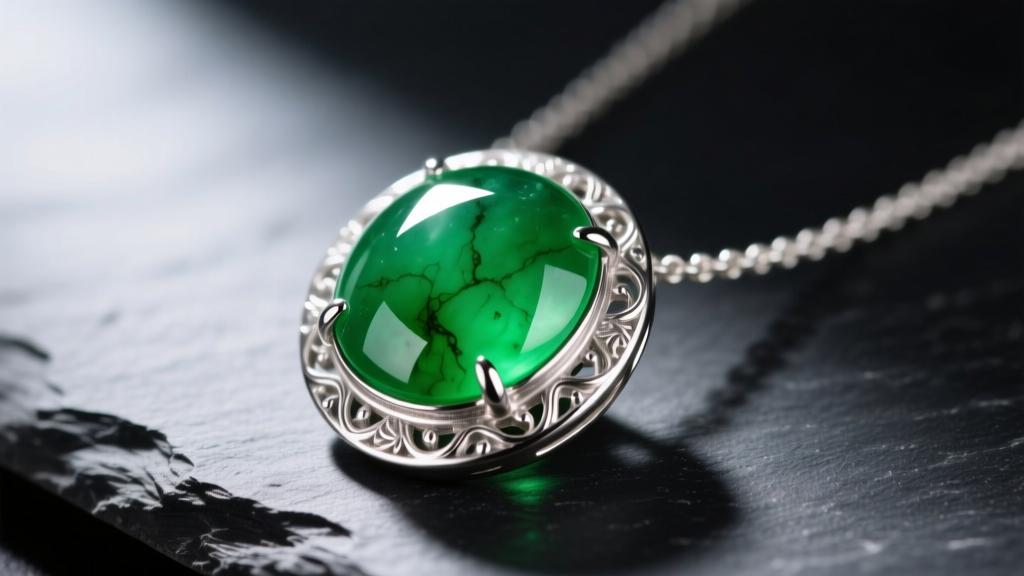
The intersection of Eastern gemology and Western metallurgy creates one of the most highly sought-after jewelry pairings in the market: the sterling silver jade necklace. However, purchasing this specific combination requires navigating a minefield of metallurgical shortcuts, polymer-impregnated imitations, and structural vulnerabilities. As a domain expert, I frequently evaluate these pieces not just for their aesthetic appeal, but for their material integrity, gemological authenticity, and long-term wearability. This deep dive will equip you with the technical frameworks necessary to evaluate, authenticate, and maintain a high-quality sterling silver jade necklace.
The Metallurgy of 925 Silver and Jade Pairing
To understand the durability of a sterling silver jade necklace, you must first understand the alloy itself. Pure silver (999 fine silver) has a Mohs hardness of roughly 2.5, making it entirely unsuitable for securing heavy gemstones like jade. Sterling silver, stamped as 925, consists of 92.5% pure silver and 7.5% copper. This copper addition increases the alloy's hardness to approximately 3.5 on the Mohs scale, providing the necessary tensile strength to hold prongs and bezels securely.
However, the copper content introduces a chemical vulnerability: tarnish. When copper reacts with atmospheric hydrogen sulfide, it forms copper sulfide, creating a dark patina. Many manufacturers apply a rhodium flash (typically 0.1 to 0.5 microns thick) to prevent this. While rhodium plating keeps the silver bright, it alters the visual temperature of the metal. Rhodium's cool, grayish-white undertone can sometimes clash with the warm, deep greens of natural jadeite. When selecting a piece, consider whether you prefer the warm, traditional glow of unplated sterling silver or the modern, high-contrast look of rhodium-plated settings.
Decoding Jade Grades: Type A, B, and C
The most critical factor in determining the value and structural longevity of your necklace is the jade's treatment grade. The market distinguishes between Jadeite (sodium aluminum silicate) and Nephrite (calcium magnesium iron silicate). While both are referred to as 'jade,' Jadeite is the premium standard for fine jewelry. Gemological laboratories categorize Jadeite into three distinct treatment types:
- Type A (Natural): Completely untreated, except for a traditional plum juice polish. The interlocking crystalline matrix remains intact, giving Type A jadeite its legendary toughness. This is the only grade recommended for investment and heirloom pieces.
- Type B (Bleached and Polymer-Impregnated): Lower-quality jade is soaked in sulfuric acid to remove brown or yellow impurities. This process destroys the crystal structure, leaving it porous. It is then vacuum-impregnated with polymer resin. Over time, the resin yellows and degrades, and the stone becomes brittle.
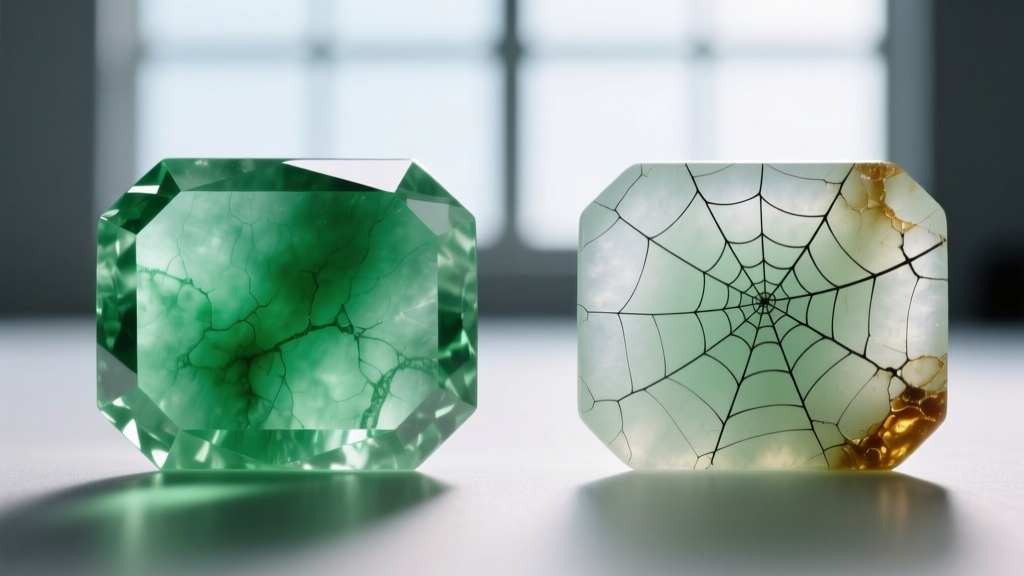
- Type C (Dyed): The jade is artificially colored. Under magnification, the dye concentrates along the grain boundaries and micro-fractures, creating a visible 'spiderweb' pattern.
The Gemological Data
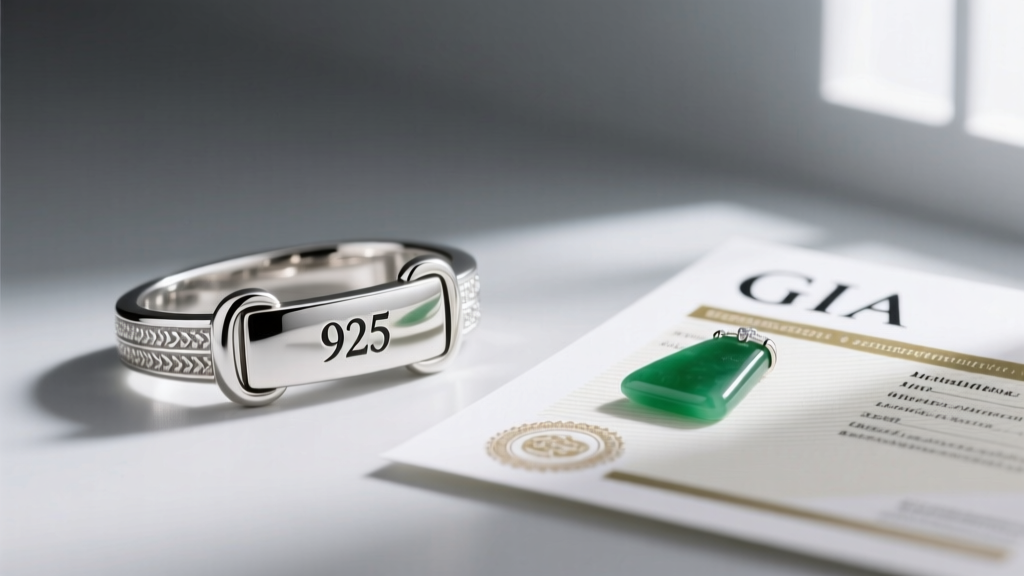
When evaluating a sterling silver jade necklace, request a gemological certificate from a reputable lab like the Gemological Institute of America (GIA). You can verify natural Jadeite (Type A) using specific physical properties. According to Mindat mineralogical data, natural Jadeite exhibits a refractive index (RI) of approximately 1.66 and a specific gravity (SG) of 3.33. If the pendant feels unusually light for its size, or if the SG drops below 3.0, you are likely looking at polymer-filled Type B jade or a completely different simulant like serpentine or aventurine.
Structural Integrity: Settings and Chain Gauges
Jade possesses a unique physical paradox: it has a moderate Mohs hardness (6.5 to 7) but exceptional toughness due to its interlocking fibrous or granular crystal structure. This means it resists shattering better than diamond, but it scratches easier than sapphire. Therefore, the setting design of your sterling silver jade necklace must protect the stone's surface and edges.
Bezel settings are highly recommended for jade cabochons. A full or half-bezel wraps the silver securely around the girdle (the outer edge) of the stone, protecting it from lateral impacts. Prong settings, while allowing more light to enter the stone, leave the girdle exposed to chipping if struck against a hard surface. Furthermore, the chain gauge must be engineered to support the pendant's specific gravity.
| Chain Gauge (mm) | Pendant Weight Capacity | Recommended Chain Style | Clasp Mechanism |
|---|---|---|---|
| 1.0mm - 1.2mm | Under 10 grams | Cable or Wheat | Spring Ring |
| 1.5mm - 2.0mm | 10g - 25g | Box or Rope | Lobster Claw |
| 2.5mm+ | Over 25 grams | Figaro or Curb | Heavy Lobster / Toggle |
For a standard 15-gram jadeite cabochon pendant, a 1.5mm sterling silver box chain with a lobster clasp provides the optimal balance of tensile strength and visual proportionality. Spring ring clasps are prone to mechanical failure under the continuous tension of heavy jade pendants.
Authentication and Hallmark Verification
Authenticating the metal is just as crucial as authenticating the stone. A genuine sterling silver jade necklace will bear a quality stamp, typically '925', 'STER', or 'SS'. However, stamps can be easily forged. True authentication requires examining the findings and clasps. High-quality manufacturers use cast or die-struck lobster clasps with smooth, burr-free edges. If the clasp feels lightweight, hollow, or shows signs of flaking, the piece may be silver-plated over a base metal core, which will eventually corrode and cause skin discoloration.
For the jade itself, advanced collectors often use a spectroscope to identify the stone. Natural green jadeite exhibits a characteristic broad absorption band in the violet region at 437 nanometers (nm), caused by iron impurities. This spectral line is a definitive marker of natural jadeite and cannot be replicated by glass or plastic simulants. While most consumers won't carry a spectroscope, understanding these quality factors helps you ask the right questions when consulting with a jeweler.
Care and Maintenance Protocols
The maintenance requirements for a sterling silver jade necklace are dictated by the vulnerabilities of both materials. The most common mistake owners make is using ultrasonic cleaners. The high-frequency acoustic cavitation generated by ultrasonic baths can easily shatter micro-fractures in Type A jade, and will completely melt or cloud the polymer resins in Type B jade, ruining the stone's translucency.
Similarly, chemical silver dips (tarnish removers) are strictly prohibited. These acidic solutions can penetrate the microscopic pores of the jade, leaving a chalky, irreversible residue on the stone's surface. To clean your necklace, use a few drops of pH-neutral dish soap in lukewarm water. Gently agitate the water, use a soft-bristled baby toothbrush to clean the silver setting around the girdle, and rinse thoroughly. Dry immediately with a microfiber cloth to prevent water spots on the silver.
Expert Tip: Always put your sterling silver jade necklace on after applying cosmetics, perfumes, and hairspray. The alcohols and volatile organic compounds (VOCs) in these products can degrade the polish on the jade and accelerate the oxidation of the copper alloy in the silver.
By prioritizing Type A jadeite, verifying the 925 silver metallurgy, and adhering to strict structural and maintenance guidelines, you ensure that your sterling silver jade necklace remains a structurally sound and gemologically pristine heirloom for decades to come.


