How to Layer Popular Ladies Necklaces: A Step-by-Step Guide
Master the art of stacking with our step-by-step guide to layering popular ladies necklaces. Learn exact lengths, metal pairings, and clasp tips.

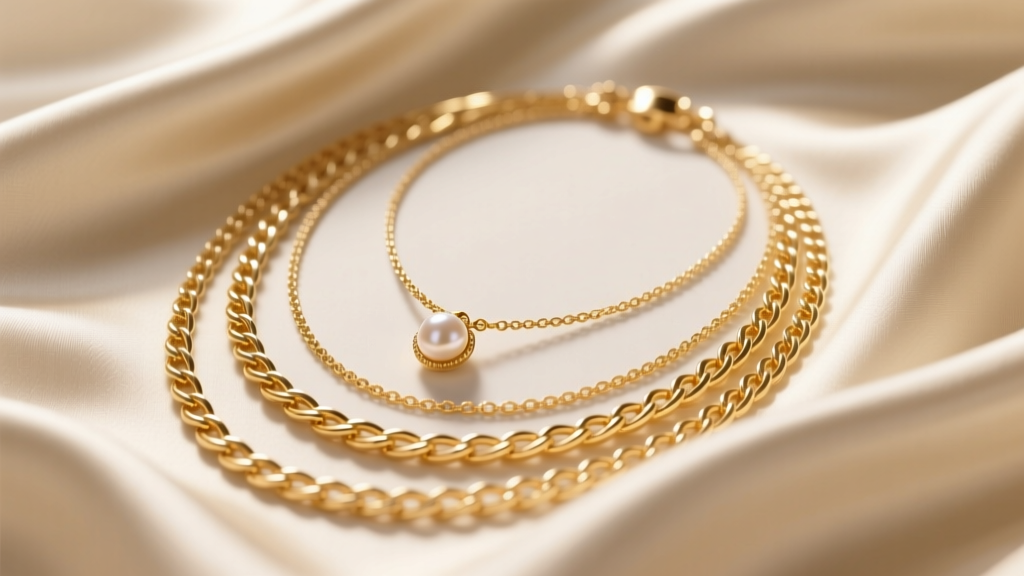
The Anatomy of a Perfect Necklace Stack
Layering jewelry is no longer just about throwing a handful of chains around your neck and hoping for the best. As we navigate the current jewelry landscape, the curation of popular ladies necklaces has evolved into a precise styling discipline. A well-executed stack balances visual weight, incorporates varied textures, and respects the geometry of your neckline. Whether you are mixing vintage lockets with modern minimalist chains or stacking delicate gemstone pendants, the mechanics of layering require an understanding of metal grades, chain link structures, and exact length differentials.
This comprehensive, step-by-step guide will walk you through the technical and aesthetic decisions required to build a tangle-free, visually striking necklace stack that transitions seamlessly from day to night.
Step 1: Establish Your Base Length (The Anchor)
Every successful stack begins with an anchor chain. This is the shortest layer, typically resting at the collarbone or just above it. The standard length for this base layer falls between 14 and 16 inches. A 14-inch chain acts as a choker, sitting snugly against the neck, while a 16-inch chain rests elegantly on the collarbone, offering a more relaxed foundation.
Metal Grade Considerations for Base Chains
Because the base chain experiences the most friction from the layers above it, metallurgy matters. If you are investing in gold, opt for 14k gold (58.5% pure gold alloyed with metals like copper and zinc) for your anchor chain. The higher alloy content provides superior tensile strength and resistance to micro-abrasions. Conversely, 18k gold (75% pure) is softer and more prone to stretching and wear when subjected to the constant rubbing of a multi-layer stack. For silver lovers, ensure your base chain is stamped 925 (sterling silver) and consider a rhodium plating to delay the inevitable tarnishing caused by skin oils and friction.
Step 2: The Mid-Length Pendant (The Focal Point)
The second layer is where you introduce personality. This layer should measure 18 to 20 inches, dropping below the collarbone to rest on the upper chest. This is the ideal placement for a pendant, locket, or gemstone drop. When selecting popular ladies necklaces for this mid-tier, pay close attention to the bail (the loop that connects the pendant to the chain).
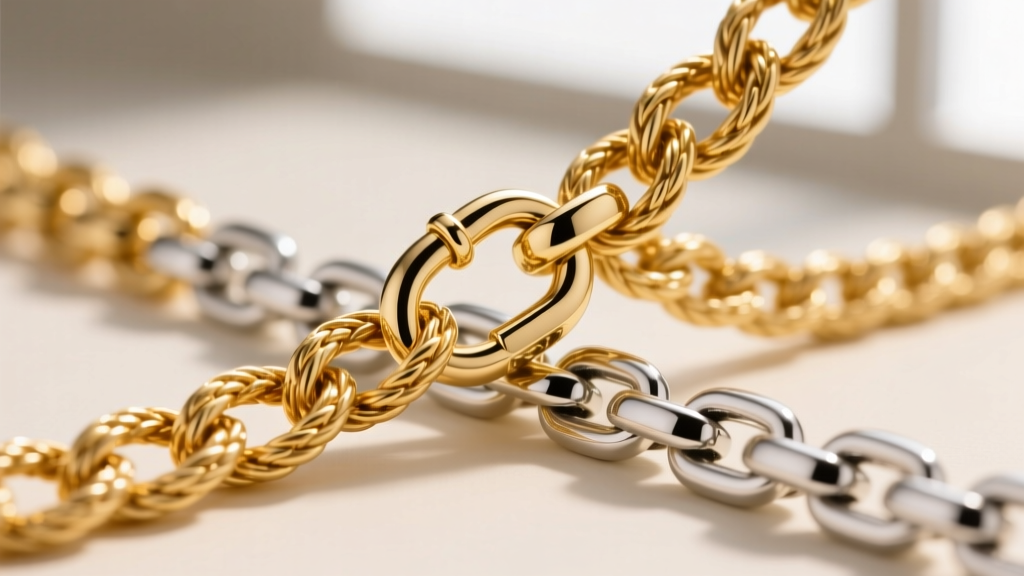
A heavy pendant requires a sturdy chain. A delicate 1.0mm cable chain will eventually snap under the kinetic stress of a solid gold or heavy gemstone pendant. Upgrade to a 1.5mm to 2.0mm chain width for mid-length pendants. Furthermore, ensure the inner diameter of the pendant's bail is at least 0.5mm wider than the thickness of your chosen chain to prevent the metal from grinding against itself during movement.
Step 3: The Long Layer (The Elongator)
The final layer in a standard three-piece stack is the elongator. Measuring 22 to 24 inches (often referred to as matinee length), this chain draws the eye downward, creating a slimming, elongating effect on the torso. This layer should generally be free of heavy pendants. Instead, opt for textured chains, beaded strands, or a simple, lightweight geometric drop. The primary function of this layer is to frame the mid-length pendant and provide a cascading visual flow.
The 'Rule of Two' for Spacing
To prevent your necklaces from constantly tangling and the pendants from colliding, adhere to the 'Rule of Two': maintain a minimum 2-inch gap between each layer. If your base chain is 16 inches, your mid-chain should be at least 18 inches, and your long chain at least 20 inches (though 22 inches is visually superior). According to The Knot's comprehensive necklace length guide, understanding these standard increments is crucial for achieving a balanced silhouette without the chains knotting together.
Step 4: Chain Link Geometry and Tangle Prevention
Not all chains play well together. The physical geometry of the chain links dictates how they interact when layered. Mixing the wrong link styles is the primary culprit behind tangled necklaces.
| Chain Link Style | Tangle Risk | Best Stack Position | Durability & Styling Notes |
|---|---|---|---|
| Cable | Medium | Base or Mid | Classic oval links. Prone to catching on intricate pendants; soldered links are highly recommended. |
| Box | Low | Mid or Long | Square, interlocking links that lay flat. Highly resistant to tangling and excellent for heavy pendants. |
| Snake | High | Wear Alone | Smooth, wavy rings. The microscopic gaps between rings easily snag the links of cable or figaro chains. |
| Rope | Low | Base or Long | Twisted links that reflect light beautifully. Very durable, but can pull fine chest hair if not polished. |
| Figaro | Medium | Base Layer | Alternating long and short links. Adds a masculine or vintage edge to a delicate stack. |
Expert Rule: Never layer a snake chain with a cable chain. The smooth surface of the snake chain acts like a rasp against the open links of the cable chain, leading to premature wear and severe tangling.
Step 5: Hardware Upgrades and Clasp Mechanics
The clasp is the most common point of failure in any necklace stack. Most popular ladies necklaces come standard with spring ring clasps. These rely on a tiny, fragile internal coil spring that degrades over time, losing tension and causing the necklace to unclasp unexpectedly.
Pro Tip: Take your layered necklaces to a local jeweler and have the spring rings swapped out for lobster clasps. Lobster clasps utilize a solid lever mechanism and a heavier internal spring, providing vastly superior security for multi-layer stacks that carry more kinetic weight.
For those who struggle with putting on multiple clasps, invest in a multi-strand necklace spacer. These are small metal or silicone bars featuring three or four loops on each end. You attach all your chains to the spacer, allowing you to put on the entire stack using just one secure lobster clasp. This guarantees your 2-inch spacing rule is permanently maintained and eliminates the frustration of untangling chains before every wear.
Step 6: Matching Your Stack to Necklines
A perfectly layered stack can look cluttered if it fights with the geometry of your clothing. Here is how to adapt your popular ladies necklaces to various necklines:
- V-Neck: The ideal canvas. Align the V-shape of your mid-length pendant with the V-neck of the garment. Keep the base chain snug (14-15 inches) so it doesn't compete with the fabric line.
- Crew Neck: Opt for a shorter, tighter stack (14, 16, and 18 inches). Longer chains will dangle awkwardly over the thick seam of a crew neck collar.
- Scoop Neck: Use a wide, cascading stack (16, 20, and 24 inches) to fill the negative space created by the wide, rounded collar.
- Turtleneck: Skip the base choker entirely. Start your stack at 20 inches and go down to 28 inches (opera length) to elongate the silhouette and prevent the jewelry from getting lost in the fabric folds.

Maintenance and Care for Layered Pieces
Layering accelerates the wear and tear on your jewelry due to constant metal-on-metal friction. To preserve the integrity of your stack, proper maintenance is non-negotiable. The Gemological Institute of America (GIA) recommends regular inspection of chain links for thinning, especially near the clasp where tension is highest.
When cleaning your stack, avoid harsh chemical dips, particularly if your layers include porous gemstones like pearls, opals, or turquoise. Instead, use a mild solution of warm water and a few drops of phosphate-free dish soap. Gently agitate the chains with a soft-bristled baby toothbrush, paying special attention to the crevices of box and rope chains where skin oils and lotions accumulate. Always dry your necklaces completely with a microfiber cloth before storing them, and never store a multi-layer stack in a single tangled ball; hang them individually or lay them flat in a lined jewelry box to maintain their structural integrity.


