Frida Kahlo Self Portrait Thorn Necklace and Hummingbird: Value Guide
Evaluate a Frida Kahlo self portrait thorn necklace and hummingbird replica. We compare materials, pricing tiers, and true artisan value for collectors.

The Symbolism and the Surge in Replica Demand
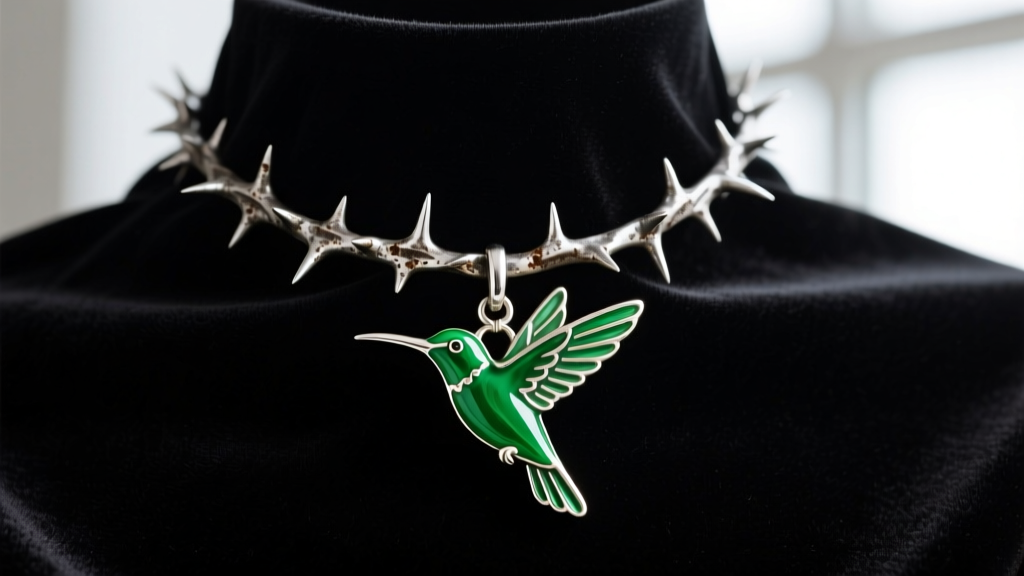
Few pieces of art have influenced jewelry design quite like the iconic 1940 masterpiece, Self-Portrait with Thorn Necklace and Hummingbird. In the painting, the tightly wound thorns represent martyrdom and enduring pain, while the lifeless hummingbird symbolizes fallen luck and lost love. As surrealist and dark-romantic aesthetics dominate the 2026 jewelry market, demand for faithful replicas of this specific neckpiece has skyrocketed. However, this surge has flooded the market with everything from $15 mass-produced costume trinkets to $1,200 bespoke artisan masterworks.
For collectors and enthusiasts, assessing the true value of a frida kahlo self portrait thorn necklace and hummingbird replica requires looking past the aesthetic and deeply into the metallurgy, construction techniques, and material integrity. This guide breaks down exactly what you should expect to pay, what materials justify the price tag, and how to avoid overpaying for dropshipped alloy disguised as artisan silver.
Material Breakdown: What Are You Actually Paying For?
The value of this specific necklace design hinges entirely on two distinct components: the structural integrity of the thorn collar and the artistic execution of the hummingbird pendant. Compromising on either drastically reduces the piece's longevity and investment value.
The Thorn Collar: Wire vs. Cast Construction
The thorn collar must sit flush against the clavicle without bending, sagging, or scratching the skin. In high-quality replicas, the thorns are created using lost-wax casting in solid 925 sterling silver. This method allows for 3D, rounded thorns that are smooth on the back (where they touch the skin) and sharply detailed on the front. A proper cast silver collar of this diameter typically weighs between 45 and 65 grams.
Cheaper alternatives use stamped brass or zinc alloy. Stamped thorns are essentially flat sheets of metal punched into a thorn shape, resulting in sharp, unfinished edges on the back that will scratch your neck. Furthermore, if the piece is made from wire-wrapping rather than casting, it must utilize at least 12-gauge (2.05mm) wire to maintain its structural rigidity. Anything thinner, such as 16-gauge or 18-gauge wire, will warp the moment you attempt to take it off.
The Hummingbird Pendant: Enamel vs. Gemstone
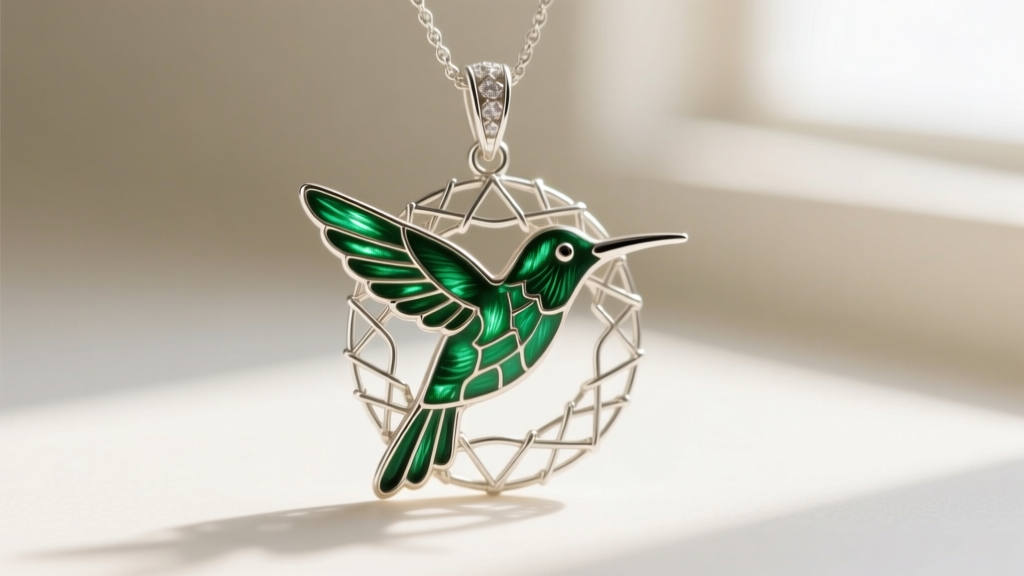
In the original painting, the hummingbird is dark and lifeless. Modern replicas often interpret this using either green enamel or gemstones. According to gemological standards outlined by the Gemological Institute of America (GIA), the value of gemstone-set pendants depends heavily on the stone's origin and treatment. A replica using natural, untreated Tsavorite garnet commands a massive premium, while one using dyed quartz or cheap peridot holds very little resale value.
However, the most historically accurate and durable replicas use champlevé or plique-à-jour vitreous enamel. Vitreous enamel is essentially fused glass, fired at temperatures exceeding 1,400°F. It will never fade, yellow, or scratch easily. Conversely, budget replicas use cold epoxy resin to mimic enamel. Epoxy resin yellows within six months of UV exposure and will chip if dropped on a hard surface, instantly destroying the piece's value.
2026 Pricing Tiers and Value Assessment Table
To help you navigate the current market, we have categorized the available replicas into three distinct tiers based on our 2026 market analysis. Use this framework to determine if a seller's asking price aligns with the actual materials used.
| Tier | Materials & Construction | Hummingbird Detail | Weight & Clasp | Price Range | Value Rating |
|---|---|---|---|---|---|
| Budget (Costume) | Zinc alloy or stamped brass; hollow stamped thorns. | Cold epoxy resin; prone to yellowing and chipping. | Under 20g; cheap lobster claw clasp. | $15 - $45 | Poor (Avoid) |
| Mid-Tier (Artisan Silver) | Solid 925 sterling silver; lost-wax cast 3D thorns. | Vitreous champlevé enamel or natural peridot. | 45g - 60g; custom hook-and-eye or hidden magnetic clasp. | $180 - $450 | Excellent (Best Value) |
| High-End (Luxury) | Blackened 14k gold or heavy silver with diamond pavé accents. | Untreated Tsavorite garnet or plique-à-jour enamel. | 70g+; integrated custom bayonet clasp. | $1,200 - $3,500+ | Good (Collector Grade) |
How to Spot Dropshipped "Artisan" Jewelry
The mid-tier market is currently plagued by dropshippers selling $20 alloy necklaces for $150, marketing them as 'handcrafted artisan silver.' Here is your troubleshooting checklist to expose fake value:
- The 'Tibetan Silver' Trap: If the description mentions 'Tibetan Silver' or 'Antique Silver Plated,' you are buying zinc alloy. True artisans will explicitly stamp and advertise 'Solid 925 Sterling Silver.'
- The Weight Test: Always ask the seller for the exact gram weight. A solid silver thorn collar of this circumference cannot weigh less than 40 grams. If it weighs 18 grams, it is hollow alloy.
- Clasp Inconsistencies: Artisans spending 15 hours casting and finishing a complex thorn collar will not ruin it with a $0.10 mass-produced lobster claw clasp. Look for custom S-hooks, hidden magnetic tubes, or integrated bayonet clasps.
- The Resin Smell: If you receive the piece and the 'enamel' hummingbird smells faintly of chemicals or feels warm and slightly tacky to the touch, it is uncured epoxy resin, not fired glass enamel.
Care and Maintenance for Enamel and Silver
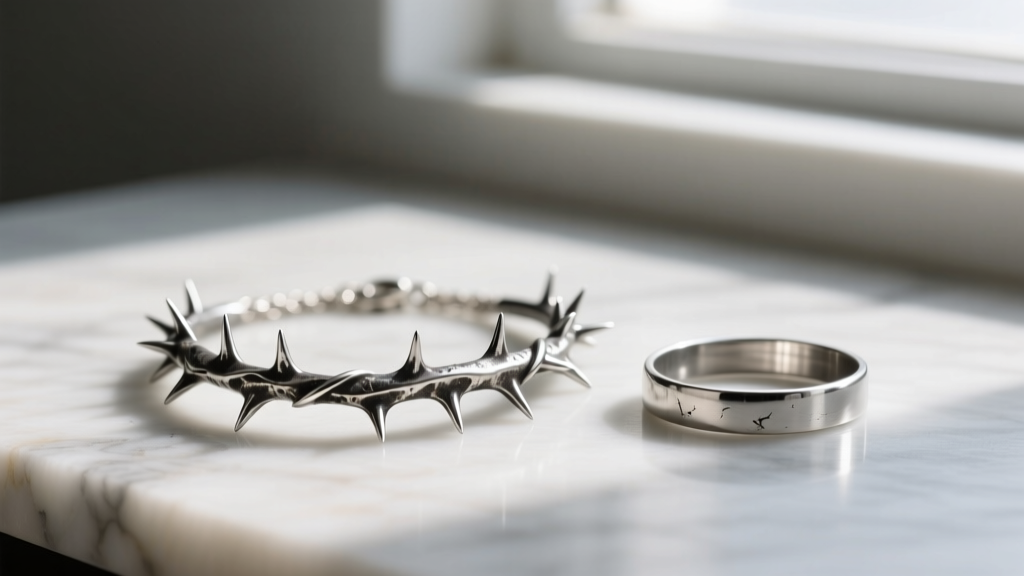
Investing in a mid-tier or high-tier replica requires proper maintenance to preserve its value. The oxidized (blackened) finish on the silver thorns is designed to highlight the crevices and make the thorns look sharper. Never use liquid silver dip cleaners on this piece, as they will strip the intentional oxidation and leave the thorns looking flat and unnatural. Instead, use a dry, untreated polishing cloth to gently buff only the high points of the thorns.
For the vitreous enamel hummingbird, avoid ultrasonic cleaners. While the glass enamel itself is durable, the intense vibrations of an ultrasonic bath can fracture the microscopic bond between the enamel and the silver backing, causing the glass to pop out. Simply wipe the enamel with a damp microfiber cloth and dry it immediately.
Final Verdict: Is the Investment Worth It?
The frida kahlo self portrait thorn necklace and hummingbird remains one of the most emotionally resonant jewelry designs in art history. When executed properly, it transcends mere accessory status and becomes a wearable piece of surrealist art.
"A well-crafted, lost-wax cast sterling silver thorn collar with genuine vitreous enamel is not just a tribute to Kahlo; it is a masterclass in metallurgical tension and color theory. It holds its value exceptionally well in the secondary collector's market, provided the enamel remains unchipped and the silver retains its original structural gauge."
If your budget allows, bypass the sub-$50 costume tiers entirely. The sweet spot for value, durability, and artistic integrity lies firmly in the $200 to $400 range, where independent jewelers utilize proper casting techniques and traditional enameling. By prioritizing gram weight, clasp quality, and vitreous glass over cheap epoxy, you secure a piece that will endure just as long as the masterpiece that inspired it.


