The Lana Del Rey Necklace Coke Spoon Aesthetic Guide
Discover how to style the iconic Lana Del Rey necklace coke spoon trend. Learn about vintage silver sourcing, chain lengths, and 2026 layering tips.

The Cultural Phenomenon of the Micro-Spoon Pendant
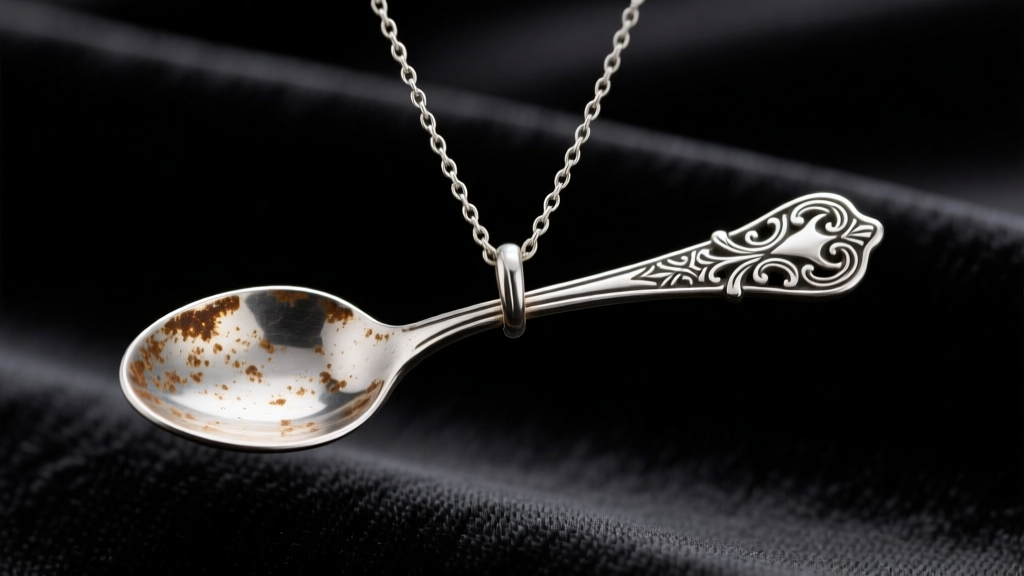
When discussing early 2010s pop culture and its enduring impact on jewelry trends, few items are as fiercely debated and highly sought-after as the lana del rey necklace coke spoon. During her 'Born to Die' and 'Paradise' eras, Lana Del Rey popularized a highly specific brand of tragic Americana and vintage glamour. Central to this aesthetic was her collection of micro-pendants, most notably the miniature antique silver spoon. While internet culture and fans colloquially dubbed it a 'coke spoon' necklace—leaning into the edgy, 1970s rock-and-roll excess and subversive lyrical themes she cultivated—the piece itself is fundamentally a vintage demitasse, salt, or baby spoon repurposed as a micro-pendant.
As we navigate the jewelry landscape of 2026, the 'sad girl glamour' and Y2K-adjacent vintage revival has pushed this specific micro-pendant back into the mainstream. However, pulling off this look requires more than just buying a cheap replica. True E-E-A-T (Experience, Expertise, Authoritativeness, and Trustworthiness) in jewelry styling means understanding the metallurgy, historical sourcing, and precise layering mechanics required to make this subversive piece look elevated rather than costumey.
Sourcing Authentic Vintage Spoons: What to Look For
The secret to nailing this aesthetic lies in authenticity. Modern, mass-produced spoon charms often lack the intricate detailing, proper weight, and natural patina of genuine antique silver. When hunting for the perfect pendant, you should be looking for specific categories of vintage silverware:
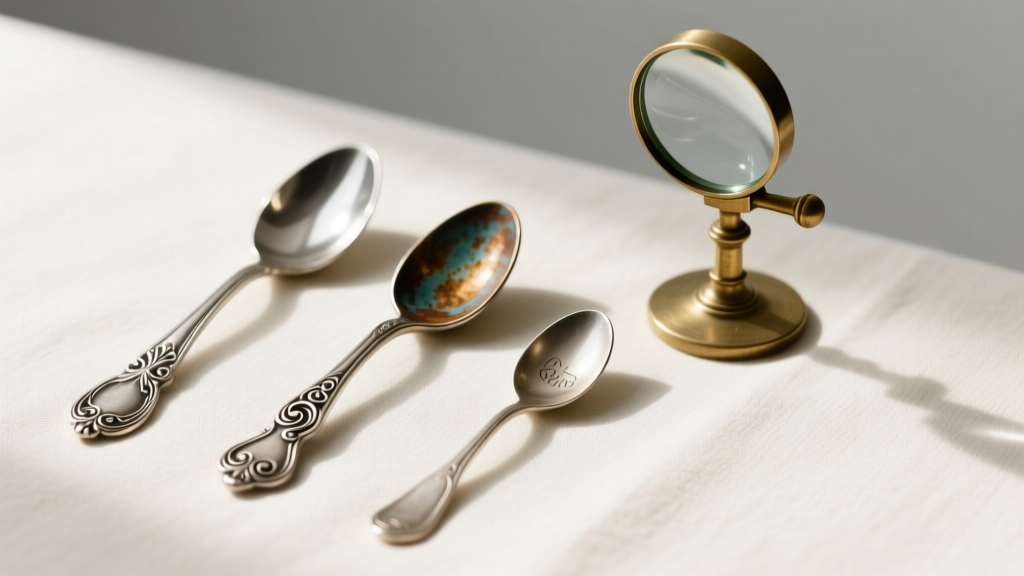
- Demitasse Spoons: Originally used for small espresso cups, these are naturally scaled down. For a pendant, you want a miniature version, typically measuring between 1 and 1.5 inches.
- Salt Spoons: Even smaller than demitasse spoons, featuring tiny, often ornate bowls and delicate handles.
- Baby Spoons: Slightly wider bowls with heavily ornate, often figural handles (like cherubs or floral motifs).
Material Breakdown & Sourcing Comparison
Not all silver is created equal. Understanding silver hallmarks is critical to avoid overpaying for plated metals. According to The Spruce Crafts, identifying authentic sterling requires looking for specific stamps. Below is a breakdown of the materials you will encounter on the vintage market:
| Material Type | Hallmarks to Look For | Pros & Cons | Avg. Price Range (2026) |
|---|---|---|---|
| Solid 925 Sterling Silver | '925', 'Sterling', Lion Passant (UK) | Pros: Develops beautiful patina, holds value, can be soldered. Cons: Requires maintenance. | $45 - $120+ |
| Silver-Plated Brass/Copper | 'EPNS', 'Silver on Copper', No mark | Pros: Very affordable, vintage availability. Cons: Plating wears off, cannot be easily polished. | $15 - $35 |
| Modern Stainless Steel Replica | '316L', 'Surgical Steel' | Pros: Tarnish-free, hypoallergenic. Cons: Lacks vintage soul, overly shiny, poor aesthetic match. | $20 - $40 |
For the authentic Lana Del Rey aesthetic, solid 925 sterling silver with a natural, unpolished patina is the absolute gold standard. The oxidation in the crevices of the handle highlights the antique craftsmanship.
The Anatomy of the Pendant: Attachment & Hardware
One of the most common mistakes beginners make when DIY-ing a vintage spoon necklace is drilling a hole through the handle. Antique silver, especially pieces from the late 19th or early 20th century, can be brittle. Drilling introduces micro-fractures that will eventually cause the handle to snap under the tension of a metal chain.
The Professional Standard: Take your sourced spoon to a local bench jeweler and request a laser-welded sterling silver jump ring. Laser welding uses highly focused heat to attach a 3mm or 4mm jump ring to the very tip of the handle without altering the patina or melting the delicate bowl of the spoon. This typically costs between $25 and $50 but ensures the structural integrity of your antique piece.
Selecting the Perfect Chain Gauge & Length
A micro-pendant requires a micro-chain. Pairing a delicate 1-inch salt spoon with a thick 3mm Cuban link chain will completely overpower the pendant and ruin the vintage aesthetic. The Gemological Institute of America (GIA) notes that sterling silver is a relatively soft metal, meaning chain gauge and clasp type are vital for security.
Chain Gauge Recommendations
- 0.8mm to 1.0mm Cable Chain: The absolute best choice. The simple, uniform oval links mimic the delicacy of vintage jewelry and allow the spoon to hang perfectly straight.
- 1.0mm Box Chain: A great alternative if you want a slightly more modern, geometric contrast to the ornate spoon. Box chains are also incredibly resistant to kinking.
- Avoid Rope or Figaro Chains: The twisted textures of these chains catch on the intricate details of the spoon handle and create visual clutter.
The Clasp Debate: Lobster vs. Spring Ring
Always upgrade your chain to a lobster clasp. Spring ring clasps (the tiny circular ones with a small trigger) are notorious for failing, and losing a sentimental vintage pendant to a faulty $2 clasp is a preventable tragedy. Ensure the jump ring connecting the clasp to the chain is also soldered shut.
2026 Layering Techniques for the 'Sad Glamour' Look
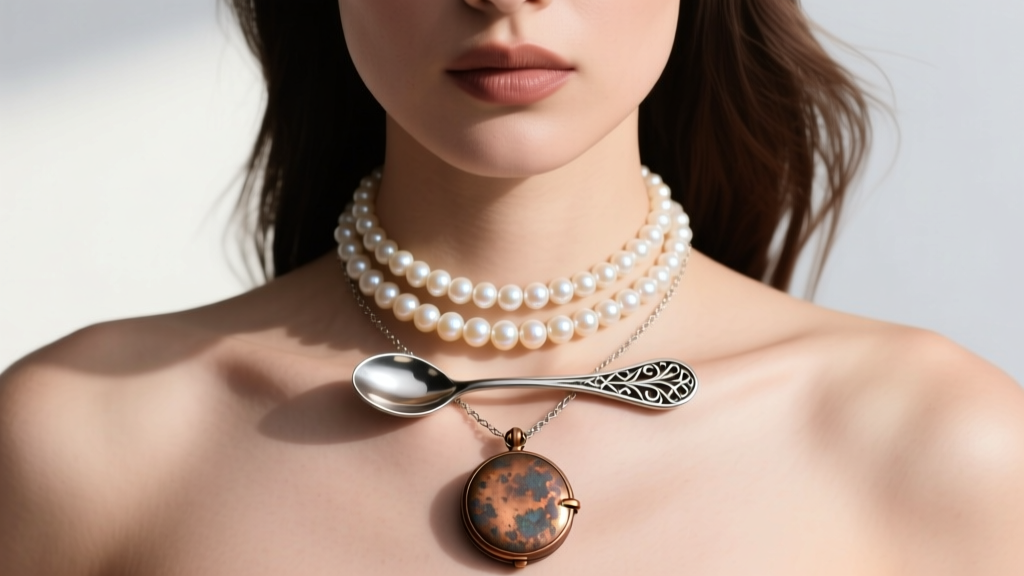
The true magic of the micro-spoon pendant emerges when it is layered. The 2026 approach to layering moves away from the chaotic, tangled messes of the 2010s indie sleaze era, favoring intentional, structured spacing. To achieve the perfect neckline, follow the Two-Inch Rule: each subsequent necklace should be exactly two inches longer than the last to prevent the pendants from tangling and to create distinct visual tiers.
The Ultimate Layering Formula
- Tier 1 (14 Inches): A delicate freshwater pearl choker or a simple, oxidized silver herringbone chain. This sits high on the collarbone and frames the face.
- Tier 2 (16 Inches): Your lana del rey necklace coke spoon pendant. At 16 inches, the spoon rests perfectly in the hollow of the clavicle, acting as the focal point of the arrangement.
- Tier 3 (18 Inches): A slightly heavier pendant, such as a vintage silver locket, a mourning jewelry piece, or a tarnished signet ring on a chain. This draws the eye downward and anchors the look.
Styling Tip: This layered configuration looks best against dark, rich fabrics like burgundy velvet, black silk, or a simple, well-fitted vintage band tee. Avoid high-necked blouses, which will crowd the pendants and cause them to flip over.
Caring for Antique Silver Patina
The dark, tarnished areas in the crevices of your vintage spoon are not dirt; they are patina. Patina is the result of silver reacting with sulfur in the air over decades, and it is highly prized by antique collectors because it proves the age and authenticity of the piece.
Do not use liquid silver dips or harsh chemical polishes. These will strip the patina entirely, leaving the spoon looking stark white, modern, and completely devoid of its vintage character. Instead, use a dry, untreated microfiber cloth to gently buff only the high points (the raised edges of the handle and the back of the bowl). This creates a beautiful, high-contrast finish where the raised areas shine brightly while the recessed areas remain dark and moody. Store your necklace in an anti-tarnish flannel pouch when not in use to slow down further oxidation, especially if you live in a humid climate.


