Torsade Necklace Guide: How to Style Twisted Multi-Strand Jewelry
Discover what a torsade necklace is, how to style twisted multi-strand pearls and beads, and expert tips for untangling and caring for your jewelry.

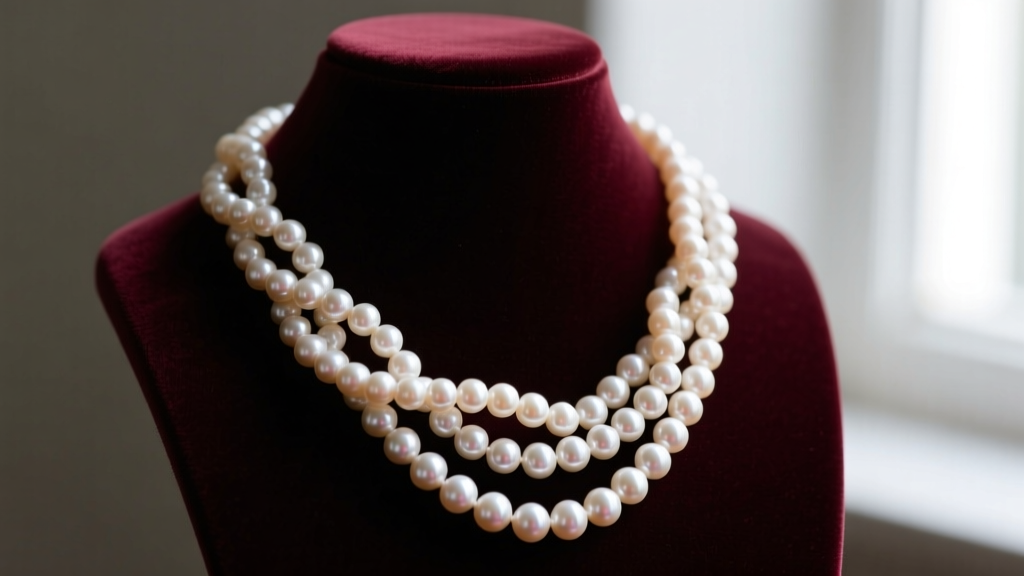
The Anatomy of a Torsade Necklace: More Than Just a Twist
The term torsade originates from the French word for "twisted" or "braid." In jewelry design, a torsade necklace refers to a multi-strand piece—typically featuring anywhere from three to eight individual strands of beads, pearls, or chains—that is twisted upon itself to create a single, thick, rope-like statement necklace. Unlike a standard multi-strand necklace where the strands lay flat and parallel against the collarbone, the torsade relies on tension and twisting to build volume, texture, and a sculptural silhouette.
For beginners, the torsade can seem intimidating. How many twists are too many? Will it damage the beads? How do you store it without creating a massive knot? This guide breaks down the mechanics, materials, and maintenance of the torsade necklace, transforming it from a confusing accessory into a staple of your jewelry wardrobe.
A Brief History: From Flappers to Modern Elegance
While twisted bead ropes have existed for centuries, the torsade necklace truly entered the mainstream during the 1920s Art Deco era. Flappers popularized the sautoir—a long, multi-strand bead rope often ending in a tassel or pendant. According to The Metropolitan Museum of Art, the geometric boldness and kinetic movement of these long, twisted bead ropes perfectly mirrored the jazz-age rebellion and the dynamic fashion of the time. Today, the torsade has evolved from knee-length flapper ropes to shorter, more structured choker and princess-length pieces that anchor modern evening wear and elevated office attire.
Material Breakdown: Which Torsade Beads Suit Your Lifestyle?
The weight, drape, and durability of a torsade necklace depend entirely on the bead material. Because the strands are twisted tightly, friction between the beads increases significantly. Here is a comparison of the three most common torsade materials:
| Material | Average Price Range | Weight & Drape | Durability & Friction Risk | Best Occasion |
|---|---|---|---|---|
| Freshwater Pearl | $150 - $600 | Medium; elegant, fluid drape | Moderate; nacre can wear if twisted too tightly daily | Weddings, Formal Events |
| Czech Glass Seed Bead | $40 - $120 | Lightweight; highly flexible | High; glass is resistant to surface friction damage | Daywear, Boho, Office |
| Semi-Precious Gemstone | $200 - $800+ | Heavy; stiff, structured drape | Low; heavy stones can snap silk thread under twist tension | Evening Galas, Statement |
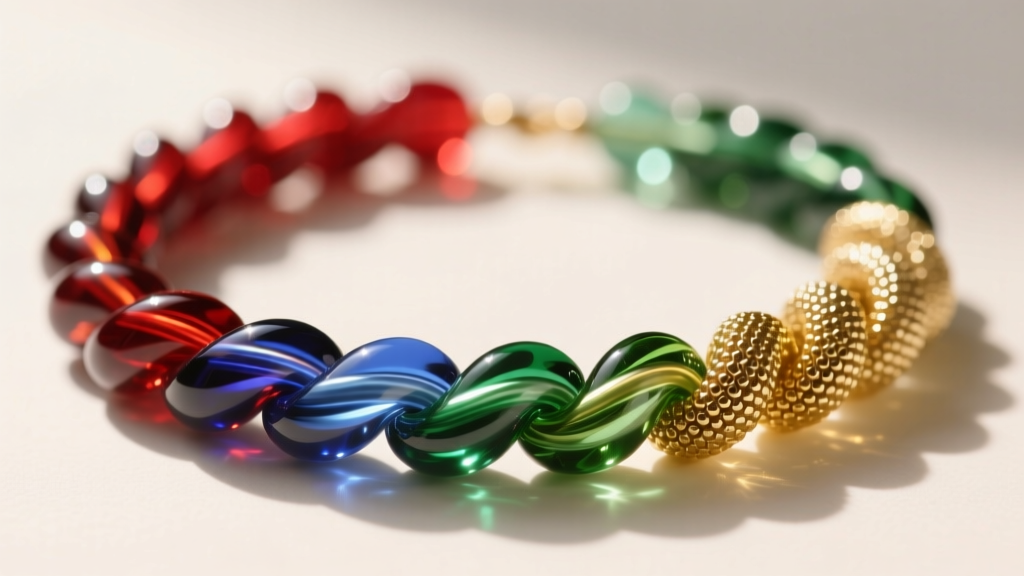
The Math of the Twist: How Sizing Actually Works
One of the most common mistakes beginners make when buying a torsade necklace online is misunderstanding how the twist affects the final drop length. When you twist a multi-strand necklace, you lose visible length.
The Golden Rule of Torsade Math: For every full 360-degree twist, a necklace loses approximately 0.5 to 0.75 inches of visible drop length, depending on the bead diameter.
- 16-inch base (Choker): With 2 twists, it will sit tightly at roughly 14.5 inches. Best for crew necks.
- 24-inch base (Matinee): With 3 twists, it will drop to about 19.5 inches. Perfect for V-necks and scoop necks.
- 36-inch base (Opera): Can be twisted 5+ times to create a massive, voluminous collar that sits at 28 inches, or worn completely untwisted as a long sautoir.
Always check the unstretched length of the strands before purchasing, and calculate your desired twisted drop accordingly.
How to Style a Torsade Necklace for Every Neckline
The Scoop Neck & V-Neck Pairing
A torsade necklace thrives on negative space. When wearing a V-neck or scoop-neck blouse, opt for a 20-inch to 24-inch base length twisted two or three times. The thick, braided texture of the torsade will perfectly frame the collarbone without competing with the fabric's edge. Avoid wearing pendant necklaces alongside a torsade; the visual weight of the twisted beads is enough to serve as the sole focal point.
Turtlenecks and High Collars
For high necklines, you need a dramatic contrast. Use a longer torsade (30+ inches) and apply only one or two loose twists. This creates a cascading, rope-like effect that elongates the torso. Dark glass bead torsades over a cream cashmere turtleneck create a striking, sophisticated winter aesthetic.
The Dreaded Tangle: A 4-Step Prevention and Untangling Framework
Because a torsade consists of multiple loose strands held together only at the clasp, storing it improperly guarantees a massive knot. If your torsade has turned into a bird's nest, do not pull. Follow this professional framework:
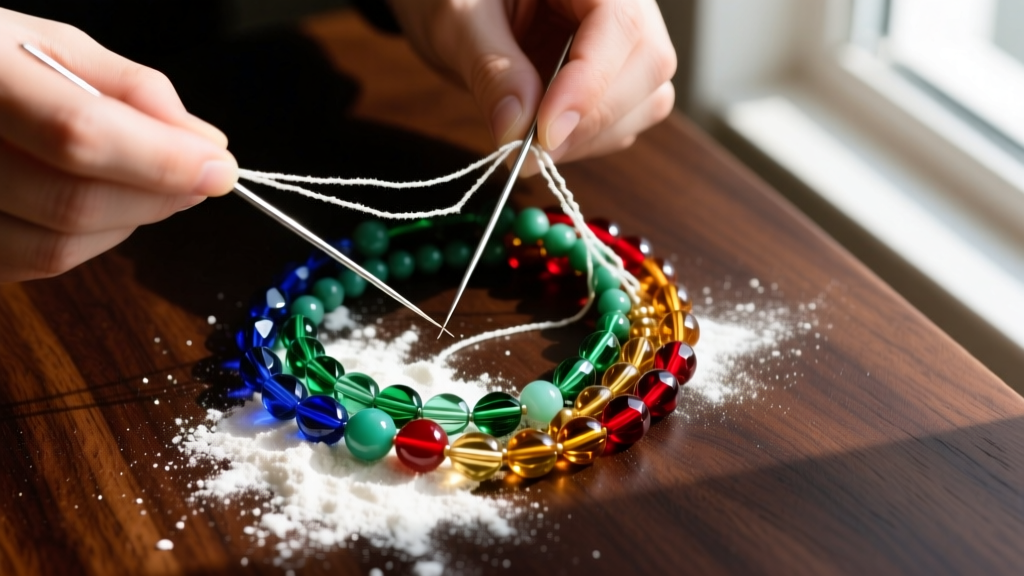
- The Powder Method: Lay the tangled necklace flat on a dark mat. Sprinkle a generous amount of talc-free baby powder or cornstarch over the knot. As noted by the Gemological Institute of America (GIA), avoiding harsh liquid lubricants is vital for porous materials like pearls; powder reduces friction safely without damaging the nacre or staining silk thread.
- Needle Teasing: Take two standard sewing needles (or size 9 beading needles). Insert them into the very center of the tightest part of the knot.
- Expand the Core: Gently wiggle the needles in opposite directions to create a tiny pocket of space. Never pull the outer loops; always work from the inside out.
- Strand Separation: Once the core loosens, use your fingers to separate the individual strands, untwisting them completely before laying them flat.
Clasp Mechanics: The Hidden Weak Point
The clasp on a torsade necklace endures immense lateral tension. According to structural guidelines from Jewelers of America, the connection point between the clasp and the multi-strand bead work is the most common failure point in statement jewelry.
Avoid: Standard spring-ring clasps attached to a single large jump ring. The tension of the twist will eventually warp the jump ring open, spilling beads everywhere.
Look For: Multi-strand slide tube clasps or locking magnetic clasps. A slide tube clasp features multiple loops that secure each individual strand independently before sliding into a locking barrel. If your vintage torsade has a weak clasp, take it to a bench jeweler to have a magnetic locking clasp retrofitted; this usually costs between $40 and $80 and will save your necklace from catastrophic breakage.
Final Thoughts on Building Your Collection
A torsade necklace is an investment in volume and texture. Start with a versatile 24-inch freshwater pearl or high-quality Czech glass piece. Master the math of the twist, store it flat or draped over a wide velvet bust to maintain the strand integrity, and you will unlock one of the most dynamic, transformative pieces of jewelry in your collection.


