Styling a 20 Inch Necklace on Woman: 2026 Value Guide
Evaluate the true cost, material grades, and styling ROI of a 20-inch necklace. Discover what to pay for gold, silver, and vermeil in 2026.

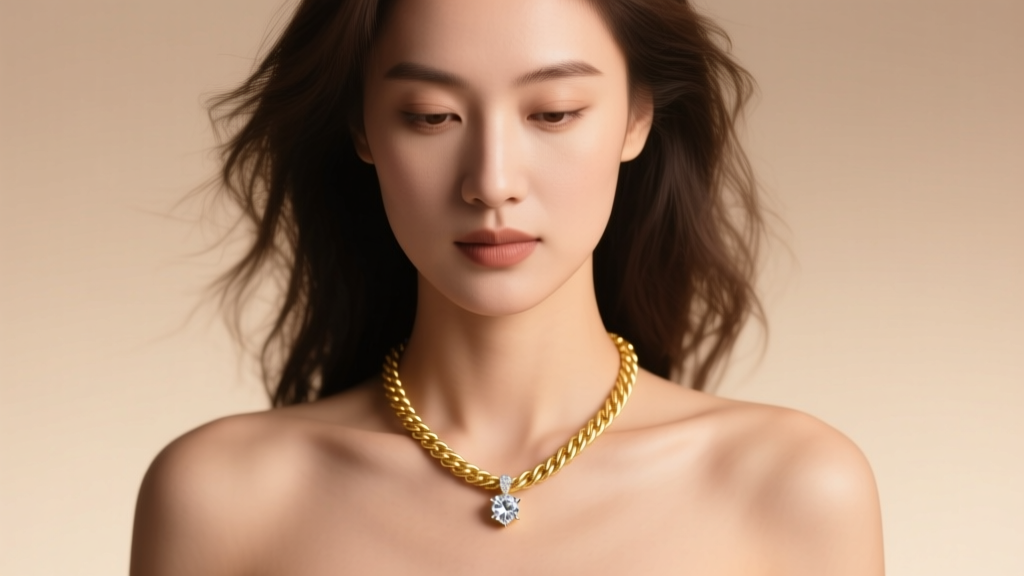
The Anatomy of the Drop: Where 20 Inches Actually Lands
When building a curated jewelry wardrobe, understanding the precise geometry of chain lengths is the difference between a piece that sits awkwardly and one that looks custom-tailored. In the realm of fine jewelry, a 20-inch chain bridges the gap between the standard 18-inch princess length and the 24-inch matinee drop. When evaluating the visual proportion of a 20 inch necklace on woman, the drape typically lands right at or slightly below the collarbone, resting elegantly on the upper sternum. This specific placement makes it the ultimate anchor for V-necklines, scoop necks, and unbuttoned silk blouses.
From a budget and value assessment perspective, the 20-inch length offers a superior "Cost Per Wear" (CPW) ratio. Unlike shorter chokers that clash with high collars, or longer opera chains that tangle in layers, a 20-inch silhouette provides enough real estate to showcase a substantial pendant without overwhelming the neckline. However, the intrinsic value of this piece depends entirely on the metal purity, the chain link architecture, and the clasp mechanics. In 2026, with precious metal markets experiencing continued volatility, knowing exactly what to pay for a 20-inch chain is critical to avoiding severe retail markups.
Material Breakdown: What You Should Actually Pay in 2026
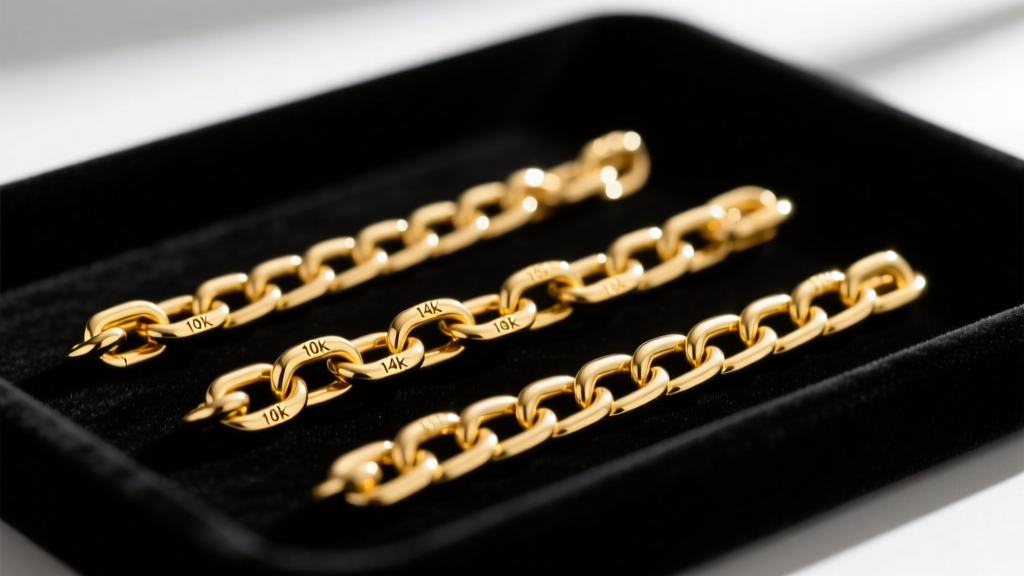
The foundation of any necklace's value lies in its metallurgical composition. According to the Gemological Institute of America (GIA), gold purity is measured in karats, which directly dictates both the melt value and the structural durability of the chain. A 20-inch chain requires a significant amount of raw material, meaning the price gap between 10k, 14k, and 18k gold becomes highly pronounced at this length.
Below is a realistic 2026 pricing matrix for a standard 20-inch, 1.5mm wide chain across different material grades. These ranges reflect fair market value from reputable online jewelers, excluding inflated boutique markups.
| Material Grade | Purity | 2026 Price Range (20", 1.5mm) | Intrinsic Value Retention |
|---|---|---|---|
| Gold Vermeil | 2.5μm 18k over 925 Ag | $90 - $160 | Low (Tarnishes/wears in 1-3 years) |
| 10k Solid Gold | 41.7% Au | $280 - $450 | Moderate (High durability, low melt) |
| 14k Solid Gold | 58.3% Au | $450 - $850 | High (Industry standard, great balance) |
| 18k Solid Gold | 75.0% Au | $750 - $1,400 | Very High (Softer, rich color, high melt) |
| Platinum 950 | 95.0% Pt | $1,300 - $2,200 | Exceptional (Hypoallergenic, heavy) |
For buyers prioritizing long-term value, 14k solid gold remains the undisputed champion. It offers enough pure gold to retain a warm, untarnished luster while utilizing copper and zinc alloys to withstand the daily friction of a 20-inch drop resting against the skin and clothing.
Chain Link Durability vs. Cost Matrix
The style of the chain link dramatically alters both the manufacturing cost and the long-term survival rate of the necklace. Jewelers of America frequently notes that certain link styles are inherently prone to structural failure if manufactured below specific gauge thresholds.
- Rope Chains: Highly reflective and luxurious, but labor-intensive to produce. A 20-inch 14k rope chain will cost roughly 20-30% more than a cable chain. However, if the rope chain is under 1.2mm thick, it is highly susceptible to stretching and snapping under the weight of a pendant.
- Box Chains: Excellent for holding heavy pendants due to their interlocking square links. They offer a high value-to-durability ratio, provided you avoid hollow-core variants (more on this below).
- Cable Chains: The most cost-effective and easiest to repair. If a link breaks, any bench jeweler can solder it seamlessly. They offer the best budget entry point for solid gold.
Assessing the "Cost Per Wear" of a 20-Inch Silhouette
To truly assess the budget viability of a necklace, seasoned collectors use the Cost Per Wear (CPW) framework. The formula is simple: Total Cost / Estimated Number of Wears = CPW.
Because a 20 inch necklace on woman provides such a versatile drape that transitions effortlessly from office wear to evening layering, its wear-frequency is typically much higher than trend-driven micro-chokers or statement bib necklaces. Let us compare two scenarios:
Scenario A: A $120 Gold Vermeil 20-inch chain. It looks stunning for the first six months but begins to flake and tarnish at the clasp and link friction points after 80 wears due to sweat and perfume exposure. CPW = $1.50 per wear.
Scenario B: A $650 Solid 14k Gold 20-inch Box Chain. It requires zero plating maintenance, can be worn in the shower, and lasts a lifetime. Worn 3 times a week for 5 years (780 wears). CPW = $0.83 per wear.
When viewed through this lens, spending more upfront on solid 14k or 18k gold actually yields a superior financial return, effectively making the jewelry a wearable asset rather than a disposable accessory.
Red Flags: Overpriced Markups and Structural Failures
When shopping for a 20-inch chain, the budget-conscious buyer must be vigilant against deceptive manufacturing shortcuts that inflate prices while compromising structural integrity.
1. Hollow-Core Chains: Many mall-brand jewelers sell 20-inch 14k gold chains that look remarkably thick (e.g., 3mm or 4mm) but are priced suspiciously low. These are hollow-core chains, manufactured by electroforming gold over a wax or resin base that is later melted out. While they offer a bold look for a fraction of the weight and cost, they are a catastrophic value proposition. Once a hollow chain kinks or crushes, it is virtually impossible to repair. A solid 1.5mm chain will always outlast a hollow 4mm chain.
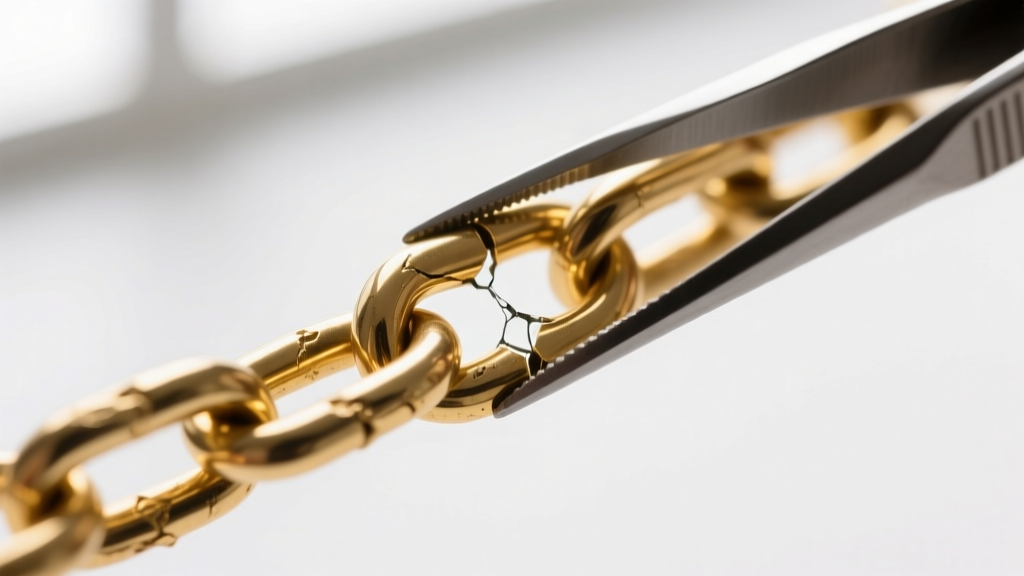
2. Clasp Inadequacy: A 20-inch solid gold chain can easily weigh between 8 and 15 grams, depending on the link style. A standard 5mm spring-ring clasp is a massive structural weak point for this weight. The internal spring mechanism will fatigue, leading to lost chains and pendants. Always inspect the clasp before purchasing. For any chain over 8 grams, demand a 12mm lobster clasp or a hidden box clasp equipped with a figure-8 safety catch. If a retailer tries to sell you a heavy 20-inch rope chain with a flimsy spring ring, walk away.
3. Flash Plating vs. Vermeil: If a piece is labeled simply as "gold plated" rather than "gold vermeil," it likely features a microscopic layer of gold (less than 0.5 microns) over a base metal like brass. This will wear off in weeks. Always look for the FTC-mandated standard of Vermeil, which requires a sterling silver base and a minimum of 2.5 microns of gold plating.
Final Verdict: Maximizing Your Jewelry Budget
Investing in a 20-inch necklace is a masterclass in wardrobe versatility. To maximize your budget in 2026, bypass the hollow chains and flash-plated trends. Target a solid 14k gold box or cable chain in the 1.5mm to 2.0mm thickness range, ensuring it is fitted with a robust lobster clasp. By prioritizing metallurgical integrity and structural durability over fleeting aesthetic trends, you secure a piece that not only frames the neckline perfectly but also retains its intrinsic and functional value for decades to come.


