The Pretty Woman Necklace Scene: Recreating the Iconic Ruby Collar
Discover how to recreate the iconic Pretty Woman necklace scene look. Learn about ruby collar necklaces, styling tips, and budget-friendly alternatives.

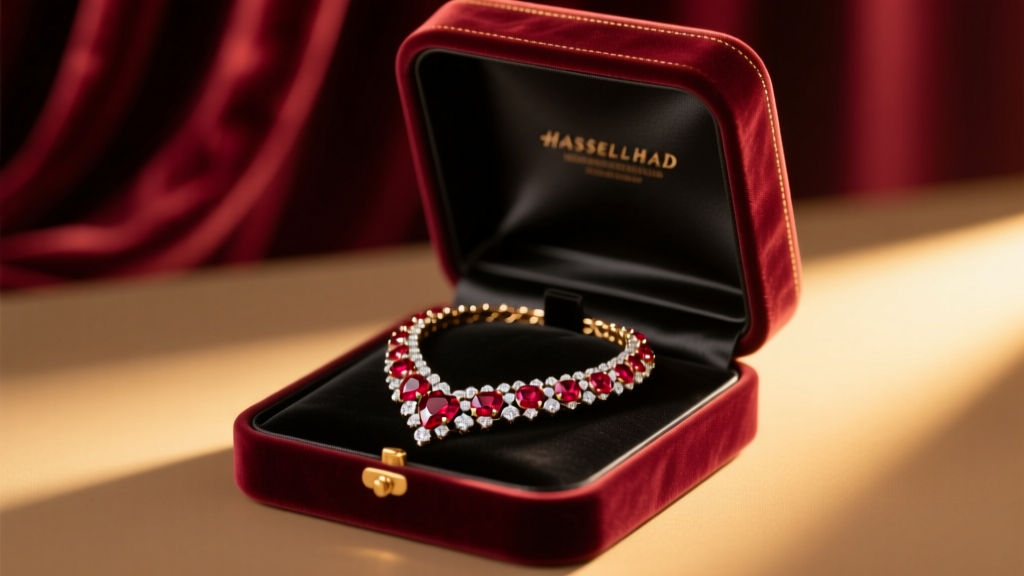
The pretty woman necklace scene remains one of the most unforgettable moments in cinematic and fashion history. When Richard Gere’s character, Edward Lewis, playfully snaps the velvet jewelry box on Vivian Ward’s fingers, he isn’t just revealing a prop; he is showcasing a masterpiece of high jewelry. The piece in question, a breathtaking ruby and diamond heart-shaped collar necklace designed by the Parisian jeweler Fred Joaillier, was valued at an astonishing $1.35 million in 1990. Today, its cultural footprint continues to inspire jewelry lovers, designers, and vintage collectors alike.
For modern jewelry enthusiasts, acquiring a multi-million-dollar natural Burmese ruby collar is out of reach. However, understanding the anatomy, gemology, and styling mechanics of this iconic piece allows you to recreate the magic of the pretty woman necklace scene using contemporary alternatives, lab-grown stones, and precise styling techniques. This beginner-friendly explainer will decode the collar necklace and provide a practical framework for achieving this high-impact, red-carpet look.
The Anatomy of a High-Jewelry Collar
The necklace featured in the film is technically a hybrid between a collar and a bib necklace. It sits flush against the base of the neck (the collar zone) while the central heart-shaped ruby and diamond fringe cascade downward (the bib zone). Recreating this requires an understanding of structural jewelry design.
Weight Distribution and Gauge
Statement collars of this magnitude are incredibly heavy, often exceeding 80 to 120 grams depending on the metal and stone carat weight. To prevent the necklace from pulling uncomfortably on the nape of the neck, the back chain must be crafted from a thicker gauge wire—typically 14-gauge to 12-gauge (1.6mm to 2.0mm) solid gold or platinum. This provides the necessary tensile strength to support the front-heavy bib without warping.
The Mechanics of the Box Clasp
A piece of this weight cannot rely on a standard lobster clasp. High-end collars utilize a tongue-and-groove box clasp. The folded metal 'tongue' slides into a secure groove, clicking into place. More importantly, authentic recreations must include a figure-8 safety latch—a secondary wire catch that hooks over a button on the opposite side of the clasp. This ensures that if the primary box mechanism is jarred or fails, the necklace remains safely tethered to the wrist or neck.
Gemological Alternatives: Achieving the Vivian Ward Look
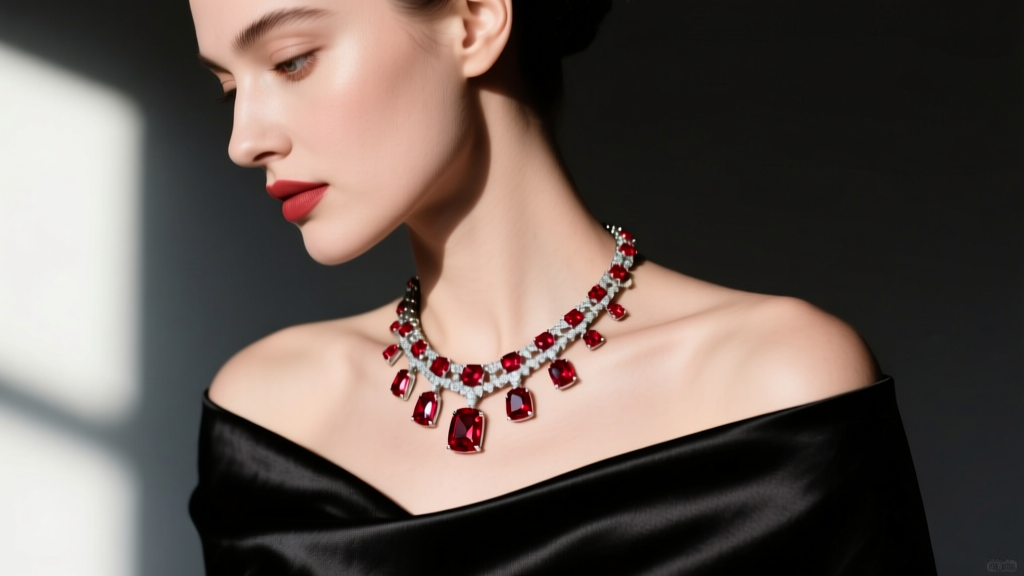
The original Fred Joaillier piece featured a massive heart-shaped Burmese ruby, prized for its 'pigeon's blood' hue and natural fluorescence. According to the Gemological Institute of America (GIA), natural rubies of this size and clarity are exceptionally rare and command auction prices well into the millions. Fortunately, modern gemology offers spectacular alternatives that capture the same visual fire without the prohibitive cost.
Lab-Grown Rubies
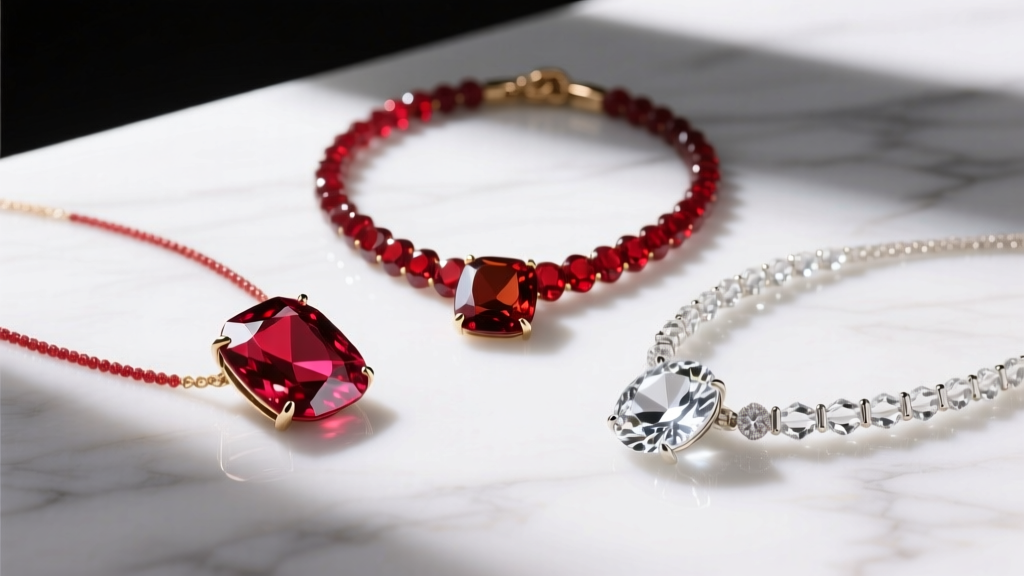
Created via the Verneuil (flame fusion) or flux-growth processes, lab-grown rubies share the exact same chemical composition (aluminum oxide with chromium impurities) and physical properties as mined rubies. They boast a Mohs hardness of 9.0 and a refractive index of 1.76-1.77, meaning they will sparkle identically to the necklace in the pretty woman necklace scene under gallery or candle lighting.
Red Spinel: The Connoisseur’s Secret
Historically confused with rubies (the famous Black Prince's Ruby is actually a spinel), red spinel is a singularly refractive gemstone that offers incredible clarity and a vivid, neon-red hue. The GIA Spinel Guide notes that Mahenge spinels from Tanzania offer a visual intensity that rivals top-tier rubies, often at a fraction of the price per carat.
Rhodolite Garnet
For those on a stricter budget, rhodolite garnet provides a deep, purplish-red color. While slightly softer (Mohs 7.0-7.5), it is an excellent choice for occasional-wear statement collars that will not be subjected to daily impact.
Material Comparison for Statement Collars
When commissioning or shopping for a ruby-style collar, use this data table to evaluate your gemstone options based on durability, optics, and market pricing.
| Material | Mohs Hardness | Refractive Index | Avg. Price (Per Carat) | Best Use Case |
|---|---|---|---|---|
| Natural Burmese Ruby | 9.0 | 1.76 - 1.77 | $10,000 - $50,000+ | Heirloom Investment |
| Lab-Grown Ruby | 9.0 | 1.76 - 1.77 | $50 - $300 | Ethical Luxury & Visual Match |
| Red Spinel (Mahenge) | 8.0 | 1.718 | $500 - $3,000 | Gemstone Connoisseurs |
| Rhodolite Garnet | 7.0 - 7.5 | 1.74 - 1.76 | $50 - $150 | Budget-Friendly Statement |
| Ruby Composite/Glass | 5.0 - 6.0 | Variable | $5 - $20 | Theatrical Props & Fast Fashion |
Styling the Collar: Necklines and Negative Space
The brilliance of the pretty woman necklace scene relies heavily on costume design. Vivian’s off-the-shoulder brown polka-dot cocktail dress, and later her iconic red ballgown, both share a crucial styling element: they provide a canvas of 'negative space' around the collarbone and décolletage. A collar necklace of this scale will clash violently with high necklines, ruffles, or busy patterns.
- The Sweetheart Neckline: This mimics the heart shape of the central pendant, creating a harmonious, romantic silhouette.
- The Strapless / Tube Bodice: Offers the maximum amount of skin to contrast the vivid red and bright white diamonds, ensuring the jewelry remains the focal point.
- The Deep V-Neck: Elongates the neck and draws the eye downward, following the natural drape of the diamond fringe.
Hair and Makeup Considerations
When wearing a heavy bib collar, hair should be swept up into a chignon, French twist, or sleek updo. Leaving hair down risks snagging the intricate diamond pavé settings or the delicate fringe links on stray hairs. Furthermore, an updo exposes the nape of the neck, highlighting the structural beauty of the box clasp and the thick gauge chain.
Care and Maintenance of Red Gemstone Collars
Maintaining the brilliance of your collar necklace requires specific care protocols, especially if you opt for alternative stones or vintage pieces.
- Avoid Ultrasonic Cleaners for Fracture-Filled Stones: Many commercial-grade rubies are fracture-filled with lead glass to improve clarity. Ultrasonic vibrations and harsh ammonia-based solutions will dissolve this filler, ruining the stone. Always verify if your rubies are glass-filled before cleaning.
- The Warm Soap Method: The safest way to clean a complex diamond and ruby collar is to soak it in a bowl of lukewarm water with a few drops of mild, phosphate-free dish soap for 15 minutes. Use a baby-soft toothbrush to gently agitate the dirt from behind the gemstone settings (the pavilions), where skin oils and lotions accumulate and dull the refractive index.
- Storage Mechanics: Never toss a collar necklace into a jewelry box. The diamond fringe can easily scratch the polished surface of the central ruby (diamond is a 10 on the Mohs scale, while ruby is a 9). Store the piece flat in its original velvet chassis, or lay it out on a microfiber cloth with the fringe carefully tucked beneath a layer of acid-free tissue paper.
Final Thoughts on Cinematic Jewelry
The magic of the pretty woman necklace scene isn't just about the monetary value of the Fred Joaillier masterpiece; it is about the transformative power of a perfectly proportioned statement necklace. By understanding the structural requirements of a heavy collar, selecting the right gemological alternative for your budget, and pairing it with the correct sartorial canvas, you can capture that same cinematic elegance for your own formal occasions. Whether you choose a lab-grown ruby for ethical luxury or a vivid red spinel for gemological intrigue, the key lies in the confident, deliberate styling of the piece.


