Meaningful Gifts: The 2026 Angel Wing Necklace Silver Buying Guide
Discover the perfect angel wing necklace silver gift for 2026. Learn about sterling silver grades, chain pairings, and occasion matching in our guide.

The Symbolism and Sentiment Behind the Angel Wing Motif
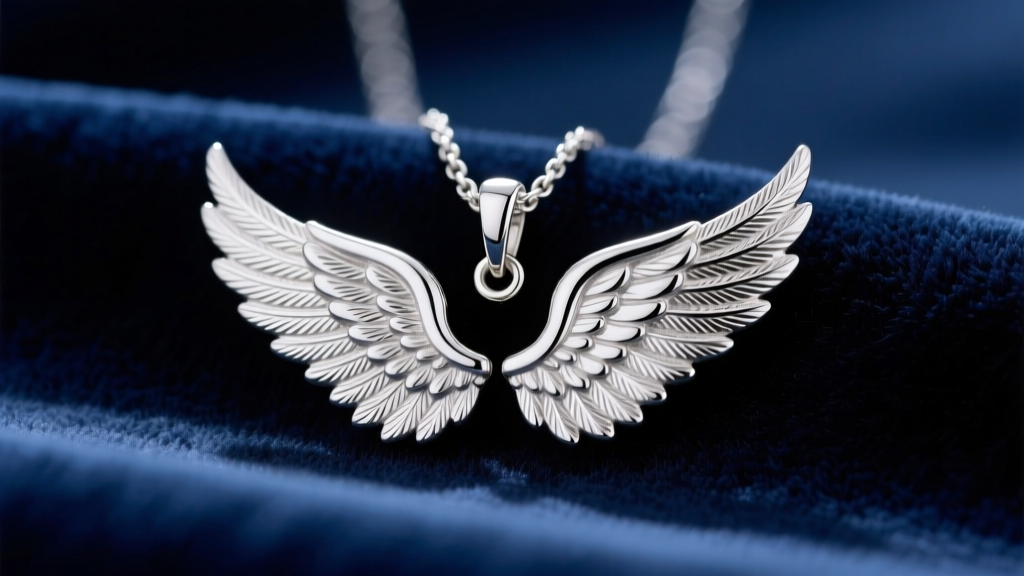
Gifting jewelry is an exercise in emotional translation, and few motifs carry as much intrinsic weight as the angel wing. Whether chosen to commemorate a lost loved one, celebrate a milestone graduation, or offer a tangible symbol of protection to a new parent, an angel wing necklace transcends fleeting seasonal trends. In 2026, the shift toward 'quiet luxury' and deeply personal, narrative-driven jewelry has elevated this classic symbol from mass-market trinket to fine jewelry staple. However, selecting the right angel wing necklace silver piece requires navigating a complex landscape of metal purities, chain mechanics, and design nuances. This comprehensive guide will equip you with the metallurgical knowledge and stylistic frameworks necessary to select a piece that will endure both physically and emotionally.
Decoding Silver Grades: What to Look for in 2026
When evaluating precious metals, consumers often mistakenly believe 'silver' is a single, uniform material. In reality, the alloy composition dictates the necklace's longevity, tarnish resistance, and skin compatibility. According to The Silver Institute, understanding these hallmarks is non-negotiable for fine jewelry buyers.
925 Sterling Silver vs. Argentium Silver
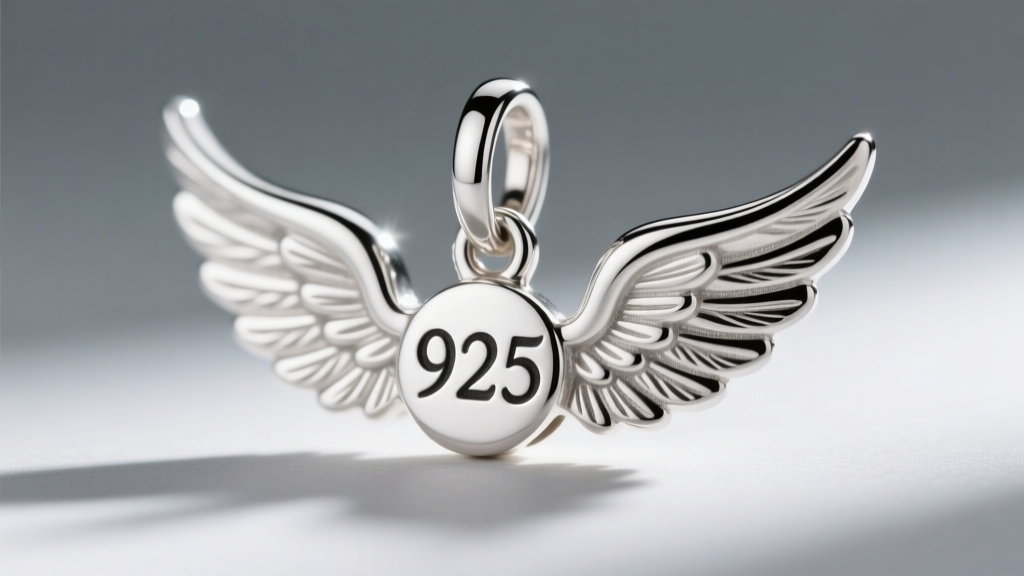
Traditional 925 sterling silver consists of 92.5% pure silver and 7.5% copper alloy. While the copper provides necessary structural hardness—pure silver is too soft to hold intricate feather detailing—it is also the culprit behind rapid oxidation and black tarnish when exposed to atmospheric sulfur. For a 2026 gift meant for daily wear, consider upgrading to Argentium silver (often stamped 935 or 960). Argentium replaces a portion of the copper with germanium, creating a transparent germanium dioxide layer on the surface that makes the metal highly tarnish-resistant and hypoallergenic. If the recipient has sensitive skin or lives in a humid climate, Argentium is the superior, albeit slightly more expensive, choice.
The Truth About Rhodium Plating
Many high-end sterling silver angel wing pendants are flash-plated with rhodium to mimic the bright, white luster of platinum and prevent immediate tarnishing. However, not all plating is created equal. Budget manufacturers use a microscopic flash (under 0.05 microns) that wears off within months, exposing the copper alloy beneath. When investing in a premium piece, look for jewelers who specify a heavy electroplating thickness of at least 0.5 to 1.0 microns. As noted by the Gemological Institute of America (GIA), proper plating thickness is critical for maintaining the structural integrity and aesthetic brilliance of silver jewelry over years of friction and environmental exposure.
Occasion Matching: Who to Gift and When
The design of the wing should directly correlate to the emotional intent of the gift. A heavy, highly textured wing conveys a different sentiment than a sleek, minimalist silhouette. Use the framework below to match the recipient's milestone with the appropriate design architecture.
| Occasion | Ideal Design Style | Recommended Metal Finish | Sentiment Conveyed |
|---|---|---|---|
| Memorial / Remembrance | High-detail feather engraving, slightly asymmetrical | Oxidized recesses with high-polish ridges | Deep reverence, honoring complex memories |
| Graduation / New Beginnings | Sleek, minimalist, geometric wing outlines | Mirror-polish or heavy rhodium plating | Forward momentum, clarity, protection |
| New Baby / Christening | Puffy, rounded 3D wings, often paired with a pearl | Soft matte or brushed finish | Gentle guardianship, innocence |
| Valentine's / Romantic | Interlocking wings or wings wrapping a gemstone | Rose gold-plated silver or two-tone | Devotion, partnership, emotional shelter |
Chain Selection, Bail Sizing, and Length Pairings
A common failure point in gift-giving is pairing a beautifully crafted pendant with an inadequate chain. The relationship between the pendant's bail (the loop that threads the chain) and the chain's gauge is critical for both security and drape.
Chain Types and Gauge Thickness
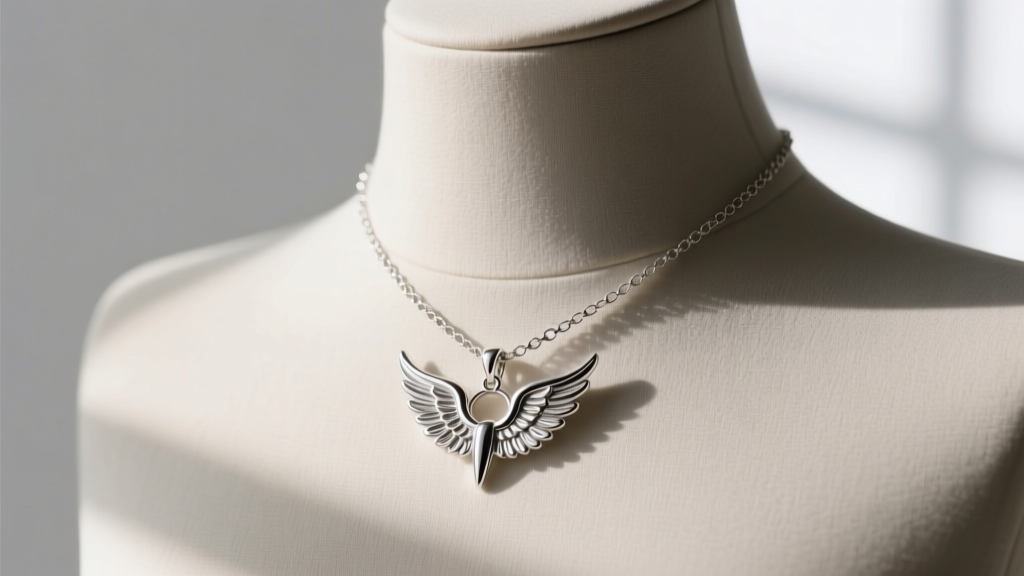
For an average-sized angel wing pendant (approximately 20mm to 30mm in wingspan), avoid ultra-thin chains under 0.8mm; they will kink, snap under the weight of the silver, and fail at the clasp. The optimal sweet spot is a 1.0mm to 1.5mm chain. Box chains offer a modern, geometric contrast to the organic curves of the wing and lay flat against the collarbone. Rolo chains provide a more traditional, vintage aesthetic that pairs beautifully with oxidized, highly detailed wings. Cable chains are classic but ensure the links are soldered (closed with a tiny weld) rather than simply bent shut, preventing the chain from pulling apart if snagged.
Clasp Mechanics and Bail Proportions
Discard any necklace featuring a spring-ring clasp for a sentimental gift. Spring rings rely on a tiny, easily fatigued internal spring that frequently fails, leading to lost pendants. Insist on a lobster claw clasp, which features a more robust, solid-lever mechanism. Furthermore, verify the bail's inner diameter. A standard 3mm to 4mm inner diameter bail will comfortably accommodate a 1.2mm box chain while allowing the pendant to slide freely without catching, ensuring the wing always rests perfectly centered on the chest.
Pricing Tiers and Artisan vs. Mass-Market
The market for silver angel wing necklaces is heavily stratified. Understanding these pricing tiers will help you avoid overpaying for mass-produced dropshipped items while identifying genuine artisan value.
- Budget Tier ($30 - $75): Typically mass-cast from molds with minimal hand-finishing. The silver is often porous, and the rhodium plating is paper-thin. Feather details are usually blurred or shallow. Acceptable for casual wear, but not recommended for lifelong heirlooms.
- Mid-Range Artisan ($85 - $250): The ideal gifting tier. These pieces are often cast from hand-carved waxes or 3D-printed resins with subsequent hand-engraving. You will find crisp feather barbs, secure soldered bails, and high-quality lobster clasps. Brands in this tier frequently use recycled 925 silver and provide anti-tarnish packaging.
- Luxury / Fine Jewelry ($300+): At this level, you are paying for brand prestige, heavy gram weights, and the integration of precious gemstones (such as pavé-set VS-grade diamonds or ethically sourced sapphires) into the wing structure. The silver used is often Argentium or heavily plated for maximum longevity.
Long-Term Care and Tarnish Prevention
To ensure your 2026 gift remains pristine for decades, include a care protocol with your presentation. Silver sulfide (tarnish) forms when silver reacts with sulfur compounds in the air, cosmetics, and human sweat.
Expert Storage Tip: Never store a sterling silver necklace in a cardboard box or wrapped in newspaper, as the acids and sulfur in paper products accelerate blackening. Always use an airtight polyethylene ziplock bag with a 3M anti-tarnish strip, which absorbs ambient sulfur gases for up to 12 months.
For cleaning, avoid harsh chemical dips or ultrasonic cleaners, especially if the pendant features oxidized detailing or soft gemstones like pearls or opals. Instead, use a specialized, untreated microfiber polishing cloth. Gently rub the high points of the wings to restore the mirror shine, intentionally leaving the dark oxidation in the deep feather recesses to maintain the three-dimensional contrast that gives the piece its artistic depth.