Repair & Clean Your Nightmare Before Christmas Necklace
Is your Nightmare Before Christmas necklace turning green or chipping? Learn expert troubleshooting to clean, repair, and protect your fandom jewelry.

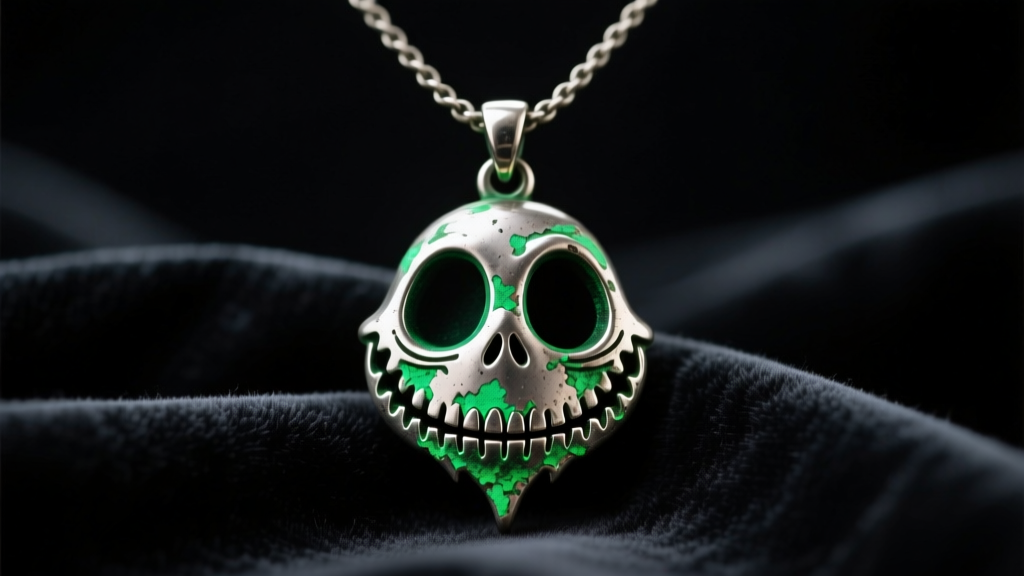
Fandom jewelry holds a special place in our hearts, but it often comes with a frustrating reality: cheap materials that degrade quickly. If you own a Nightmare Before Christmas necklace featuring Jack Skellington, Sally, or Oogie Boogie, you have likely encountered the dreaded green skin, chipped epoxy enamel, or a tangled, broken stock chain. As we navigate the 2026 fandom jewelry market, licensed merchandise from major retailers and unlicensed artisan pieces alike frequently rely on base metals that require specific, proactive maintenance.
In this comprehensive troubleshooting guide, we will break down the exact metallurgy of your favorite Halloween Town pendants, diagnose common failure modes, and provide professional-grade solutions to restore and upgrade your pieces. Whether you are dealing with severe verdigris or a snapped jump ring, these actionable steps will help you salvage your cherished accessories.
The Anatomy of Fandom Jewelry: Why NBC Necklaces Tarnish
To effectively troubleshoot your jewelry, you must first understand what it is made of. The vast majority of mass-market Nightmare Before Christmas pendants are cast from Zamak, a zinc alloy containing aluminum, magnesium, and copper. While Zamak is excellent for capturing the intricate, gothic details of Tim Burton's character designs, it is highly reactive.
When the thin rhodium or silver-tone plating wears off due to friction and skin acidity, the underlying copper in the alloy reacts with moisture and oxygen to form copper carbonate—commonly known as verdigris. This is the chalky green substance that transfers to your neck and clothing. Furthermore, the vibrant colors on these pendants are rarely true vitreous enamel; they are typically cold epoxy resin, which is prone to micro-scratching, yellowing from UV exposure, and peeling when exposed to harsh chemicals.
Troubleshooting Matrix: Common Issues & Quick Fixes
Before attempting any repairs, identify your specific issue using the diagnostic table below. Applying the wrong cleaning method can permanently ruin the painted details of your pendant.
| Symptom | Root Cause | Immediate Solution |
|---|---|---|
| Green/Black skin discoloration | Copper oxidation (verdigris) reacting to skin pH | Clean with white vinegar, seal with jeweler's lacquer |
| Cloudy or yellowed 'enamel' | UV degradation of cold epoxy resin | Polish gently with plastic-safe compound; avoid UV storage |
| Stock chain tangling/snapping | 0.8mm plated brass wire fatigue | Upgrade to 1.2mm 316L stainless steel or .925 sterling chain |
| Bail (loop) snapping off pendant | Zinc alloy brittleness and metal fatigue | Reattach using two-part jeweler's epoxy (e.g., G-S Hypo Cement) |
Step-by-Step: Cleaning Enamel and Painted Pot Metal
Never use ultrasonic cleaners, silver dip, or baking soda pastes on a Nightmare Before Christmas necklace. According to the Gemological Institute of America (GIA), harsh abrasives and chemical dips will strip the protective plating and dissolve the adhesives holding the epoxy enamel in place.
Removing Verdigris Safely
- Isolate the Area: Use a wooden toothpick or a soft-bristled baby toothbrush. Never use metal tools, as they will scratch the base plating.
- Apply Mild Acid: Dip the toothbrush in a 50/50 solution of distilled white vinegar and water. Gently agitate the green oxidation in the crevices of the pendant (e.g., around Jack's stitched mouth or Zero's collar).
- Neutralize and Dry: Wipe the piece immediately with a damp cloth, then dry it thoroughly with a microfiber towel. Moisture is the enemy of zinc alloys.
Sealing the Metal
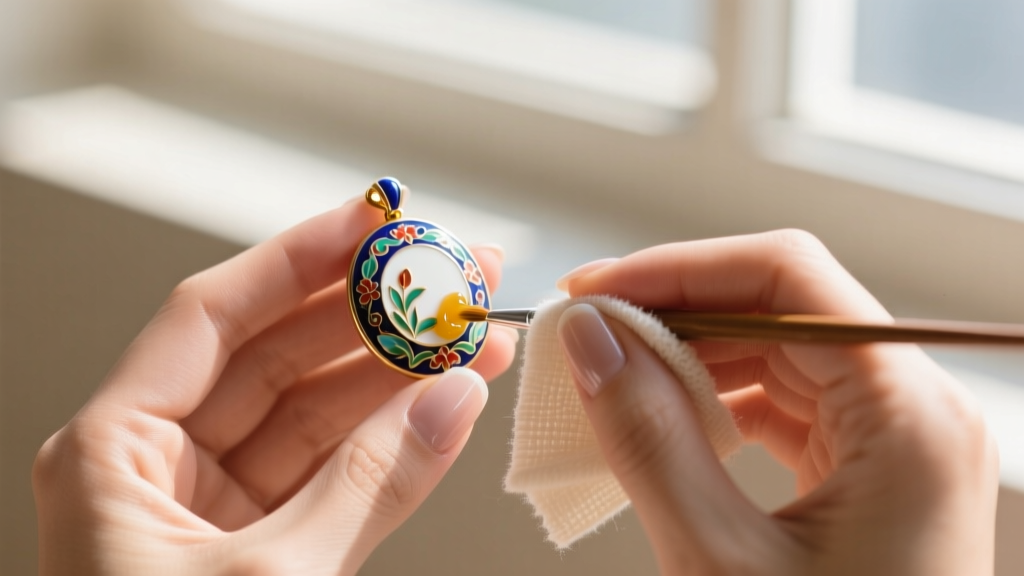
Once clean and completely dry, you must create a barrier between the reactive metal and your skin. While many DIY guides suggest clear nail polish, this often yellows and chips within weeks. Instead, apply a thin coat of ProtectaClear (a polyurethane-based jeweler's lacquer) or buff the metal edges with Renaissance Wax, a microcrystalline conservation wax trusted by museum curators to prevent oxidation without altering the piece's finish.
Upgrading the Chain: Solving the Tangle & Break Problem
The most frequent point of failure on licensed fandom necklaces is the stock chain. Retailers typically include lightweight, 0.8mm brass chains with a thin flash-plating. These chains kink easily, catch on hair, and snap under the weight of solid Zamak pendants. Upgrading the chain is the single best investment you can make for the longevity of your necklace.
Choosing the Right Gauge and Material
For a standard 1.5-inch Zamak pendant, you need a chain that offers structural integrity without overpowering the design. We recommend upgrading to a 1.2mm to 1.5mm cable or curb chain. When selecting the metal, consider the following options:
- 316L Surgical Stainless Steel: The ultimate choice for daily wear. It is highly resistant to tarnish, waterproof, and will not turn your skin green. It has a slightly cooler, darker tone that perfectly matches the gothic aesthetic of Halloween Town.
- .925 Sterling Silver: A premium option that offers a brilliant shine. However, it requires occasional polishing with a treated silver cloth, as detailed by the Jewelrywise care guidelines.
- Titanium (Grade 23): Hypoallergenic and incredibly lightweight, though less commonly found in delicate curb styles.
Attaching the New Chain
Do not simply force the new chain through the pendant's bail. If the bail is too small, use a pair of chain-nose pliers to carefully open the existing jump ring connecting the bail to the pendant. Always open jump rings by twisting them laterally (side-to-side) rather than pulling them apart (up-and-down), which weakens the metal's structural memory. Thread your new 316L chain through, and twist the jump ring securely closed.
Preventative Maintenance for Long-Term Wear
Troubleshooting is only half the battle; proper storage dictates how long your Nightmare Before Christmas necklace will survive. Zinc alloys and epoxy resins are highly susceptible to environmental humidity and UV radiation.
- Use Anti-Tarnish Strips: Store your necklace in an airtight ziplock bag with a 3M anti-tarnish strip. These strips absorb airborne sulfur compounds that accelerate the tarnishing of silver-plated and brass components.
- Control Humidity: Toss a small silica gel desiccant packet into your jewelry box to keep ambient moisture away from the porous Zamak metal.
- Avoid UV Exposure: Do not leave your necklace on a sunny dashboard or windowsill. Prolonged UV exposure will cause the cold epoxy enamel (especially the vibrant reds and blues on Sally and Oogie Boogie designs) to yellow and become brittle.
- The 'Last On, First Off' Rule: Always put your necklace on after applying perfumes, lotions, and hairspray, and take it off before showering or swimming. Chlorine and sulfur in tap water will rapidly degrade the plating.
When to Retire a Piece: Recognizing Metal Fatigue
While cleaning and chain upgrades can extend the life of your jewelry indefinitely, Zamak is inherently brittle. If you notice deep, structural cracking around the bail, or if the metal begins to flake and pit severely (a process known as zinc pest), it is time to retire the piece. Attempting to solder zinc alloy is impossible with standard jewelry torches, as the metal will melt and vaporize before the solder flows. In these cases, consider taking the pendant to a local resin artist who can encapsulate the damaged piece in clear UV resin, preserving the memory of the necklace while preventing further degradation.
By understanding the specific materials used in your fandom jewelry and applying these targeted troubleshooting techniques, you can ensure your trip to Halloween Town remains stylish and intact for years to come.


