How to Clean and Maintain a Cross Necklace That Holds Ashes
Learn how to safely clean, seal, and maintain a cross necklace that holds ashes. Expert tips on protecting the O-ring, polishing metals, and preserving memories.

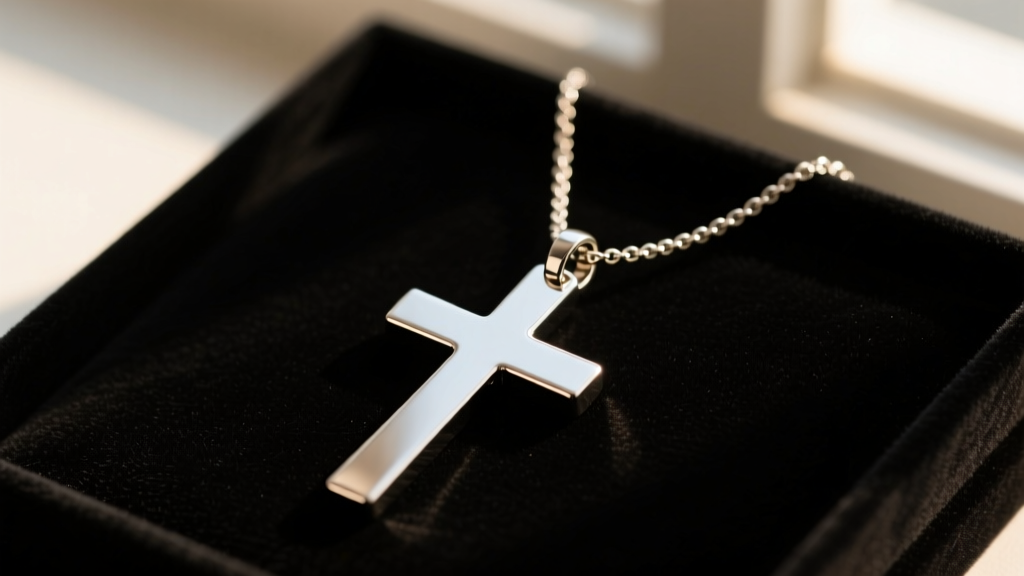
The Anatomy of a Memorial Cross Pendant
A cross necklace that holds ashes is far more than a standard piece of jewelry; it is a deeply personal heirloom and a tactile connection to a loved one. Because of its emotional significance and unique mechanical construction, caring for cremation jewelry requires a specialized approach that differs vastly from standard pendant maintenance. To properly care for these pieces, you must first understand their anatomy.
Unlike solid cast pendants, a memorial cross features a hollowed interior cavity designed to house a small volume of cremains (typically 1 to 3 cubic centimeters). Access to this cavity is usually granted via a threaded screw bail (the loop at the top where the chain attaches) or a friction-fit plug sealed with a microscopic O-ring. According to guidelines from the Gemological Institute of America (GIA), understanding the metallurgical composition and mechanical seals of your jewelry is the first step in preventing irreversible damage during cleaning.
Step-by-Step Exterior Cleaning Guide
The exterior of your cross necklace is exposed to daily environmental hazards, including sebum, dead skin cells, cosmetic lotions, and environmental pollutants. However, because the interior contains irreplaceable ashes, you must avoid any cleaning method that could compromise the structural integrity of the seal.
Material-Specific Polishing Protocols
Different metals react differently to cleaning agents. Below is a precise framework for maintaining the most common materials used in cremation crosses:
| Material Grade | Approved Cleaning Agent | Application Tool | Frequency |
|---|---|---|---|
| 316L Surgical Stainless Steel | Mild dish soap (e.g., Dawn) + warm distilled water | Lint-free microfiber cloth | Weekly |
| .925 Sterling Silver | Non-dip silver polish foam or baking soda paste | Treated jeweler's polishing cloth | Bi-weekly |
| 14k or 18k Solid Gold | Ammonia-free commercial jewelry cleaner | Soft-bristle baby toothbrush | Monthly |
The Golden Rule of Cremation Jewelry Cleaning: Never place a cross necklace that holds ashes into an ultrasonic cleaner. Ultrasonic machines use high-frequency sound waves to create microscopic cavitation bubbles in a liquid solution. While excellent for dislodging dirt from solid diamond rings, these intense vibrations will easily loosen a threaded bail, shatter a fragile internal glass lining, or deform the rubber O-ring, leading to the catastrophic loss of the ashes inside.
Protecting the Interior Seal and Gasket
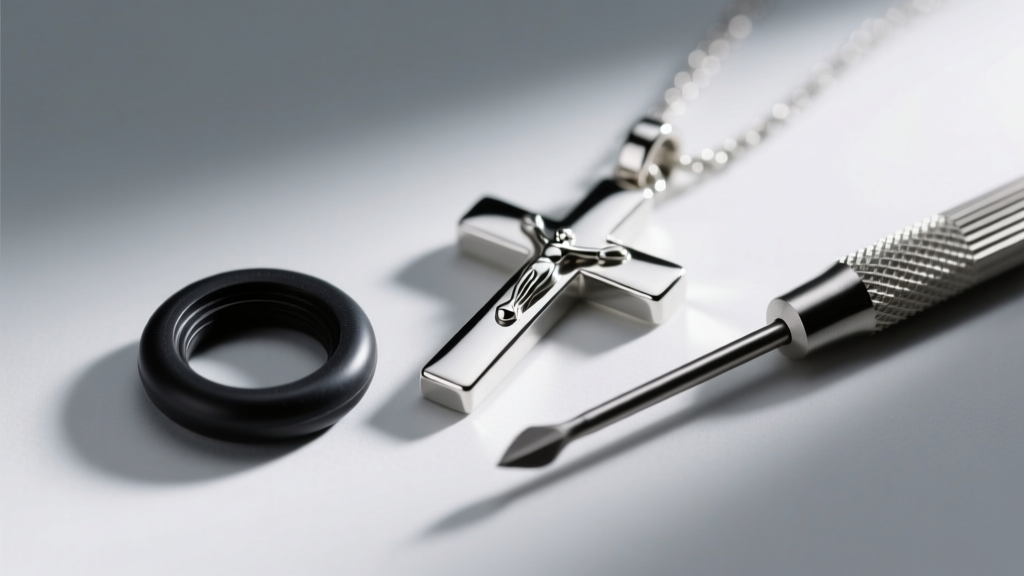
The most critical component of your memorial necklace is not the metal, but the gasket. Most high-quality cremation pendants utilize a Buna-N (nitrile) rubber O-ring or a medical-grade silicone gasket to create an airtight and watertight seal around the threaded bail. Over time, exposure to body heat, UV light, and skin acids can cause these gaskets to dry out, flatten, or micro-crack.
How to Inspect and Lubricate the O-Ring
Every six months, you should perform a seal inspection. Carefully unscrew the bail counter-clockwise. Remove the O-ring using a pair of plastic tweezers (metal tweezers can nick the rubber, creating a pathway for moisture). Inspect the ring under a magnifying loupe for any signs of dry rot or flattening. If the gasket is intact, apply a microscopic dab of pure, food-grade silicone grease to the ring. This keeps the rubber supple and ensures a tight seal when the bail is screwed back into place. Avoid petroleum jelly (Vaseline), as petroleum distillates will rapidly degrade Buna-N and silicone rubbers, causing them to swell and fail.
How to Safely Open and Reseal the Pendant
There are occasions when you may need to open the cross pendant—perhaps to add a tiny keepsake alongside the ashes, or to clean the interior cavity if moisture has somehow breached the seal. Resealing the pendant requires precision and the right materials.
- Prepare Your Workspace: Lay down a clean, white microfiber towel over a tray. The white background ensures that if any ashes are accidentally spilled during the transfer, they can be carefully recovered. Wear fitted nitrile gloves to prevent skin oils from transferring to the threads.
- Clear the Threads: Use a soft, dry interdental brush to gently sweep out the internal threads of the pendant cavity. Any trapped grit or ash particles in the threads will prevent the bail from seating flush against the O-ring.
- Apply Thread Sealant: For friction-fit plugs, a tiny wrap of PTFE (plumber's) tape around the plug base adds necessary friction and creates a secondary moisture barrier. For threaded screw bails, apply a minuscule amount of microcrystalline wax (like Renaissance Wax) to the male threads. This acts as a thread-locker that prevents the bail from vibrating loose during daily wear, while remaining reversible if you ever need to open it again.
- Tighten with Precision: Screw the bail back in clockwise. Stop tightening the moment you feel resistance. Over-torquing can strip the soft precious metal threads or pinch the O-ring so tightly that it extrudes out of its groove.

Chain Maintenance and Environmental Hazards
The chain suspending your cross necklace requires just as much attention as the pendant itself, particularly regarding how it interacts with the bail. As noted by jewelry care experts at Jewelers Mutual, the friction between the chain and the pendant bail is a primary source of wear and tear.
Choosing the Right Chain to Prevent Bail Wear
If your cross pendant has a delicate threaded bail, avoid pairing it with heavy, abrasive chains like thick rope chains or curb chains. The constant metal-on-metal friction will eventually wear down the loop of the bail, risking a snap. Instead, opt for a lightweight box chain or a smooth wheat chain. These designs minimize friction and glide smoothly against the pendant's loop. Furthermore, ensure the clasp of your chain is a secure lobster claw rather than a spring ring, which is prone to catching on clothing and yanking the pendant.
Navigating Daily Environmental Hazards
- Chlorine and Bromine: Never wear your memorial cross in swimming pools or hot tubs. Halogens like chlorine will aggressively attack the alloy metals in sterling silver and lower-karat gold, causing microscopic pitting that can eventually breach the outer wall of the ash cavity.
- Cosmetics and Perfumes: Apply all lotions, sunscreens, and perfumes at least 15 minutes before putting on your necklace. Alcohol and emulsifiers in these products can degrade the exterior finish of the metal and seep into the bail threads, breaking down the O-ring lubricant.
- Perspiration: Human sweat is mildly acidic and highly corrosive to .925 sterling silver. If you wear your cross necklace during exercise or in high humidity, wipe it down immediately afterward with a damp cloth and dry it thoroughly with a microfiber towel.
Long-Term Storage and Archival Care
When you are not wearing your cross necklace that holds ashes, proper storage is vital to prevent tarnishing and environmental degradation. Do not simply toss the necklace into a crowded jewelry box where it can be scratched by harder gemstones or metals.
Store the pendant in an airtight, anti-tarnish ziplock bag or a specialized jewelry vault. Include a small packet of silica gel desiccant and a 3M anti-tarnish strip inside the storage container. The silica gel will absorb any ambient humidity that could cause the internal ashes to clump or degrade the metal, while the anti-tarnish strip absorbs airborne sulfur compounds that cause sterling silver to blacken. By following these meticulous care and maintenance protocols, you ensure that your memorial cross remains a pristine, secure, and beautiful tribute for decades to come.


