The Technical Guide to Selecting a Red Gem Necklace
Discover gemological properties, Mohs hardness, and setting techniques for a red gem necklace. Expert guide on ruby, spinel, garnet, and tourmaline.

Gemological Breakdown: Decoding the Red Spectrum
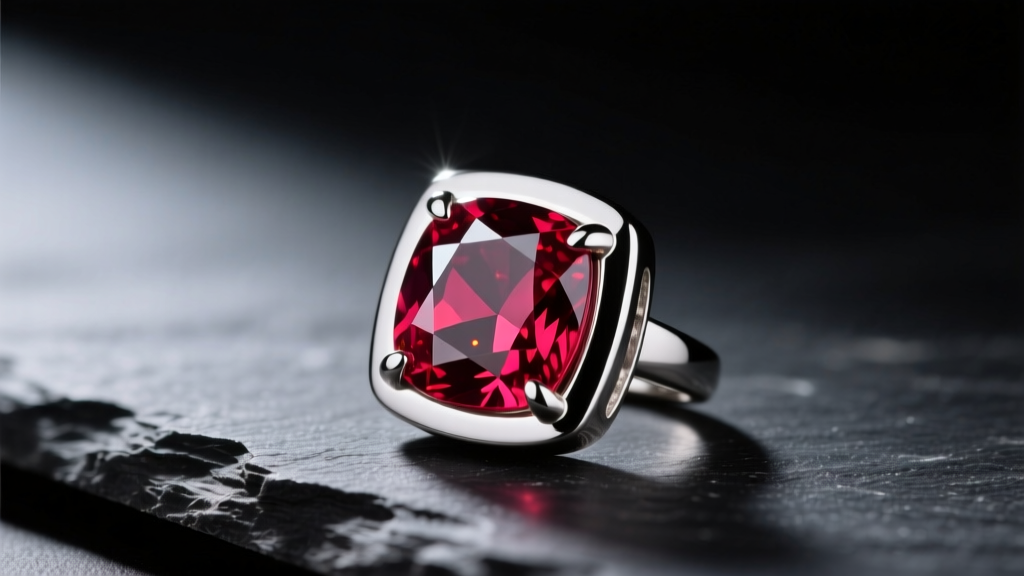
When evaluating a red gem necklace, the untrained eye focuses solely on hue and saturation. However, from a gemological and engineering perspective, the longevity, optical performance, and structural integrity of the piece depend heavily on the specific mineral species. The term "red gem" encompasses several distinct crystal structures, each with unique physical properties that dictate how they must be cut, set, and worn. According to the Gemological Institute of America (GIA), understanding the distinction between corundum, spinel, and silicates is the first step in acquiring a high-performance pendant.
Comparative Mineralogy of Red Gemstones
Not all red stones are created equal. A ruby's durability stems from its tightly packed oxygen and aluminum lattice, whereas a rubellite's tourmaline structure is prone to tension fractures. Below is a technical comparison of the four primary red gemstones used in fine necklaces.
| Gemstone | Mineral Species | Mohs Hardness | Refractive Index (RI) | Cleavage / Parting | Toughness |
|---|---|---|---|---|---|
| Ruby | Corundum | 9.0 | 1.762 - 1.770 | No cleavage; basal parting | Excellent |
| Spinel | Spinel | 8.0 | 1.712 - 1.736 | None | Excellent |
| Garnet (Pyrope) | Garnet Group | 7.0 - 7.5 | 1.714 - 1.742 | None | Good |
| Rubellite | Tourmaline | 7.0 - 7.5 | 1.624 - 1.644 | None | Fair to Good |
Setting Engineering for Red Gem Pendants
The setting of a red gem necklace must be engineered to protect the stone's specific vulnerabilities while maximizing light return. Because pendants swing freely and are subject to sudden deceleration against the sternum, the setting must absorb kinetic shock.
Prong vs. Bezel Tolerances
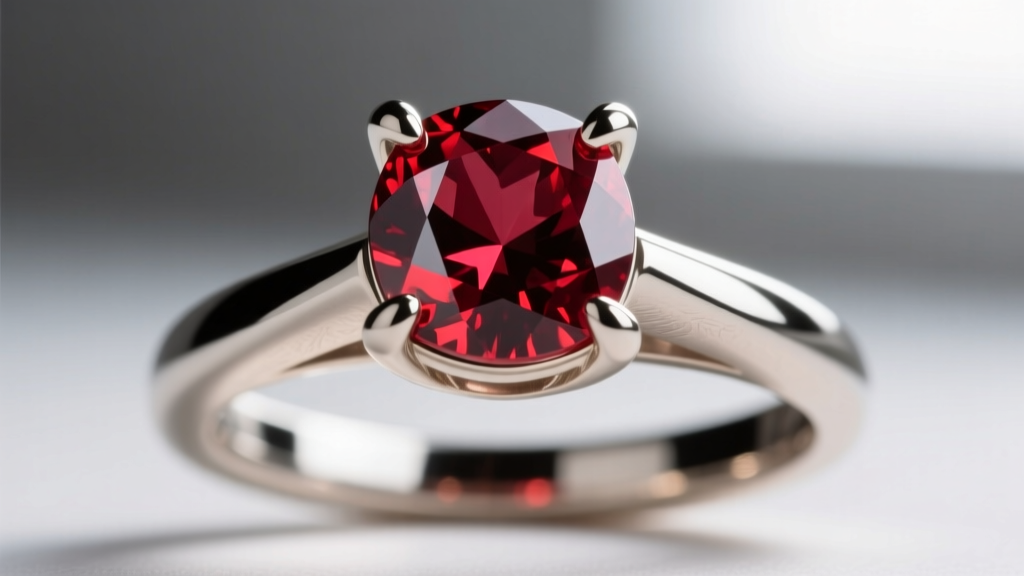
For rubies and spinels (Mohs 8-9), a four-prong cathedral setting is structurally sound. The prongs should be milled to a tolerance of 0.15mm, with the prong tips seating precisely over the crown facets, avoiding the table edge. However, for pyrope garnets and rubellite, which possess lower toughness and higher brittleness, a full bezel or a six-prong setting is mandatory. A bezel setting requires the jeweler to account for the stone's exact girdle thickness; if the girdle is uneven (common in native-cut rubellites), the metal must be burnished at varying depths to prevent localized pressure points that could induce a cleavage fracture.
"A well-engineered pendant setting does not merely hold the stone; it acts as a kinetic dampener, distributing impact forces away from the girdle and culet." — Lotus Gemology
Chain Metallurgy and Bail Mechanics
The pendant is only as secure as the chain and bail system supporting it. When designing or selecting a red gem necklace, the metallurgy of the chain and the friction mechanics of the bail are critical failure points often overlooked by consumers.
Matching Chain Gauge to Pendant Mass
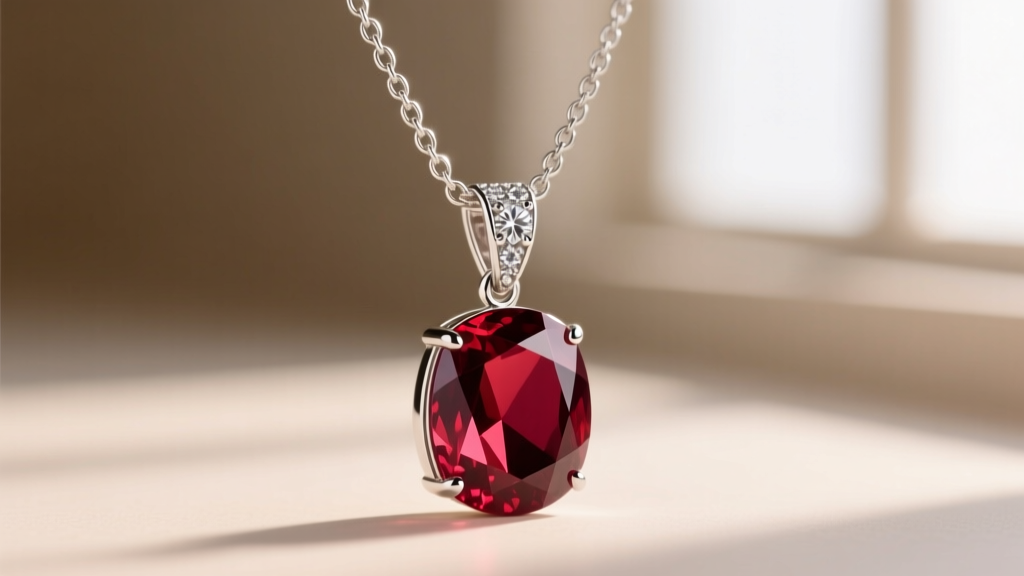
A standard 2-carat ruby pendant set in 18k gold weighs approximately 4.5 grams. While this seems light, the dynamic load generated when walking or bending over can multiply the tensile stress on the chain by a factor of three.
- Under 5 grams: A 1.0mm to 1.2mm solid cable or box chain in 14k/18k gold is sufficient. Avoid hollow-rope chains, which crush under lateral pressure.
- 5 to 15 grams: Upgrade to a 1.5mm to 2.0mm solid box, wheat, or Figaro chain. Platinum is highly recommended here due to its high tensile strength and resistance to work-hardening and snapping.
- Over 15 grams: Requires a 2.5mm+ chain with a reinforced lobster clasp featuring a dual-spring mechanism. Spring-ring clasps are strictly prohibited for heavy pendants due to their low shear strength.
Bail Friction and Wear
The bail (the loop connecting the pendant to the chain) acts as a fulcrum. If you use a floating bail (where the chain threads directly through a metal loop), the micro-abrasion over 3 to 5 years can saw through a 14k gold chain. To mitigate this, opt for a soldered bail with a hardened platinum or rhodium-lined interior, or utilize a hidden bail that is permanently affixed to the pendant's backplate, forcing the chain links to articulate rather than slide.
Optical Performance in Varied Lighting
The visual impact of a red gem necklace shifts dramatically depending on the light source, a phenomenon driven by the gemstone's absorption spectrum. Rubies and red spinels contain chromium, which causes strong fluorescence under ultraviolet light (present in daylight). This fluorescence makes a ruby pendant appear to "glow" with an intense, neon red hue outdoors. Conversely, under 3000K incandescent or halogen indoor lighting, the lack of UV radiation causes the ruby to rely solely on its body color, often appearing darker or more garnet-like. Rubellite tourmaline, colored by manganese and lithium, lacks this chromium fluorescence, resulting in a highly stable, consistent pinkish-red color across all lighting environments, making it an excellent choice for evening-wear necklaces.
Maintenance and Ultrasonic Risks
Maintaining the optical clarity of a red gem necklace requires strict adherence to gem-specific cleaning protocols. The use of ultrasonic cleaners—a common mistake—can be catastrophic depending on the stone's treatment history and internal inclusions.
- Fracture-Filled Rubies: Many commercial rubies are treated with lead-glass to mask surface-reaching fractures. Ultrasonic vibrations and mild acidic solutions (even lemon juice or perspiration) will dissolve the glass filler, leaving the stone cloudy and structurally compromised. These must only be cleaned with a damp microfiber cloth.
- Unheated Rubies & Spinels: Safe for ultrasonic cleaning, provided there are no large liquid inclusions. Use a mild, non-ammonia surfactant.
- Rubellite Tourmaline: Tourmaline is piezoelectric, meaning it generates a static electrical charge when subjected to temperature changes or friction. This charge actively attracts dust and skin oils to the pavilion facets. Clean with warm soapy water and a soft brush, and use an anti-static gem cloth to dry.
- Garnets: Generally safe for ultrasonic cleaning, but hessonite or demantoid garnets with internal "horsetail" inclusions should be cleaned manually to prevent internal fracturing.
By prioritizing gemological data, structural engineering, and optical physics over mere aesthetics, you ensure that your red gem necklace remains a durable, brilliant, and technically flawless heirloom.


