Large Puka Shell Necklace Trends: 2026 Style Guide
Discover the 2026 large puka shell necklace trend. Learn how to spot authentic cone shells, style bold statement pieces, and avoid synthetic fakes.

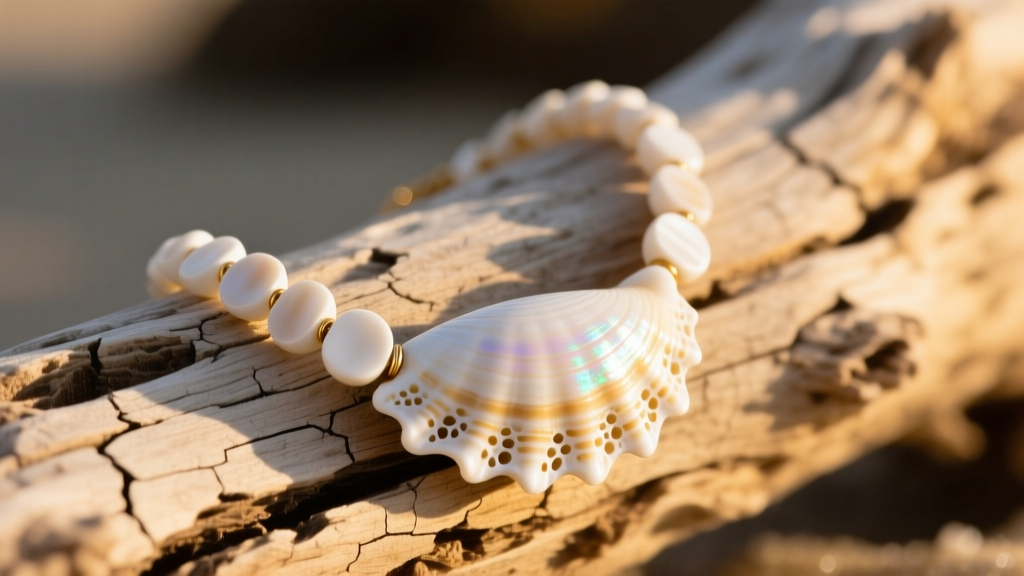
The puka shell necklace has officially completed its transition from a nostalgic 2000s surf-culture staple to a highly coveted, artisanal luxury item. In 2026, the large puka shell necklace dominates the coastal-grandparent and high-fashion resort aesthetics, shedding the uniform, mass-produced chip necklaces of the past in favor of bold, asymmetrical, and heavily textured statement pieces. But as demand for oversized shells has surged, so has the market's saturation with synthetic imitations and poorly constructed strands. This comprehensive guide breaks down the anatomy, engineering, and styling of the modern large puka shell necklace, ensuring your investment is both authentic and enduring.
The Anatomy of a 'Large' Puka: Sizing and Species
To understand the 2026 trend, we must first clarify the terminology. 'Puka' is the Hawaiian word for 'hole,' traditionally referring to the naturally occurring apex hole found in the Conus miliaris (millet cone) shell. Historically, these natural holes were small, typically ranging from 6mm to 12mm in diameter.
However, the contemporary demand for a large puka shell necklace requires beads measuring anywhere from 18mm to over 30mm. Because finding naturally occurring apex holes of this magnitude is exceptionally rare, master artisans achieve these larger sizes through two primary methods:
- Saw-Cut Spire Sections: Artisans harvest larger cone species, such as the Conus sponsalis or Conus generalis, and precision-saw the spire (the pointed top) to expose the internal whorls, which naturally mimic the puka hole structure.
- Body Whorl Drilling: Select, sustainably sourced larger shells are hand-drilled through the thickest part of the body whorl, then heavily tumbled to create the signature irregular, organic edges that define the puka aesthetic.
The hallmark of a premium large puka in 2026 is intentional asymmetry. Collectors and high-end jewelers now reject perfectly uniform, machine-tumbled rounds, favoring shells that retain their natural ridges, varying thicknesses, and subtle ivory-to-warm-cream color gradients.
Authenticity Matrix: Natural Shell vs. Synthetic Fakes
With the price of genuine large cone shells rising due to stricter harvesting regulations, the market is flooded with imitations. Distinguishing between genuine calcium carbonate shells and synthetic alternatives requires a trained eye and an understanding of material density.
| Feature | Genuine Large Cone Shell | Resin / Plastic Imitation | Compressed Shell Powder / Bone |
|---|---|---|---|
| Surface Texture | Micro-porous, subtle growth lines, organic ridges | Perfectly smooth, mold seams visible under magnification | Chalky, uniform matte finish, lacks natural luster |
| Temperature | Cool to the touch, takes time to warm up | Room temperature, warms instantly in hand | Slightly cool, but lacks the dense thermal mass of solid shell |
| Weight (20mm bead) | Heavy (approx. 4 to 7 grams per bead) | Exceptionally light (approx. 1 to 2 grams) | Heavy, but often denser and more uniform than natural shell |
| The 'Hole' | Irregular, slightly conical, shows internal nacre layers | Perfectly cylindrical, uniform drill marks | Cylindrical, often shows micro-chipping at the drill exit |
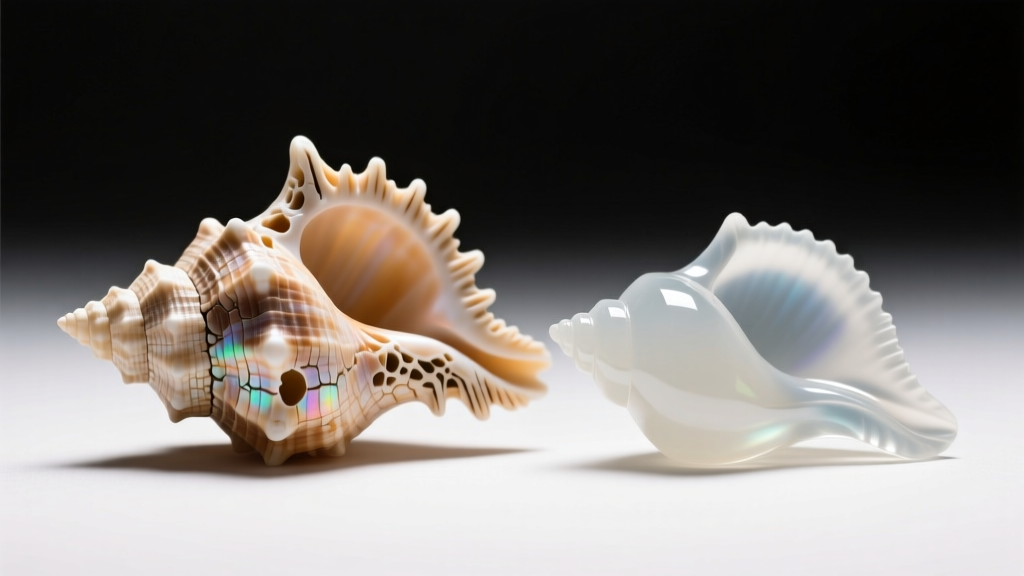
According to gemological identification standards outlined by GIA Gems & Gemology, genuine marine shells will exhibit a distinct cross-lamellar structure under magnification. If you examine the edge of the 'hole' with a 10x jeweler's loupe, a real puka shell will show microscopic, layered ridges resembling the end-grain of wood, whereas resin will appear entirely homogeneous, and carved bone will show parallel Haversian canals.
Engineering the Heavyweight: Stringing and Hardware
A critical failure point in vintage and poorly made puka necklaces is the stringing material. A 24-inch necklace featuring 22mm genuine shells can easily weigh between 90 and 140 grams. Traditional silk thread, hemp, or cheap nylon will inevitably stretch, fray, and snap under this continuous load, especially when exposed to saltwater and UV radiation.
The 2026 Stringing Standard
Master stringers now exclusively use 49-strand micro-fused stainless steel beading wire coated in marine-grade nylon. For large pukas, a wire diameter of 0.024 inches (0.61mm) is the gold standard. This specific gauge provides the necessary tensile strength (often exceeding 40 lbs) while remaining flexible enough to allow the heavy shells to drape naturally against the collarbone rather than jutting out stiffly.
Furthermore, the hardware has evolved. The traditional 'barrel clasp'—which often unscrews itself due to the rotational weight of heavy shells—has been entirely replaced in luxury tiers. In 2026, look for:
- Hidden Bayonet Clasps: Machined from Grade 5 Titanium or 14k solid gold, these click securely into place and are virtually invisible when worn.
- Rare-Earth Magnetic Clasps: Encased in surgical steel, featuring a safety latch mechanism to prevent accidental detachment.
- Integrated Toggle Rings: Oversized, hammered gold or silver toggles that act as both a functional closure and a decorative front-facing element.
2026 Styling Framework: Necklines and Layering
The styling rules for puka shells have drastically shifted. The 2026 aesthetic treats the large puka shell necklace not as casual beachwear, but as a sculptural, organic art piece meant to contrast with tailored, sophisticated garments.
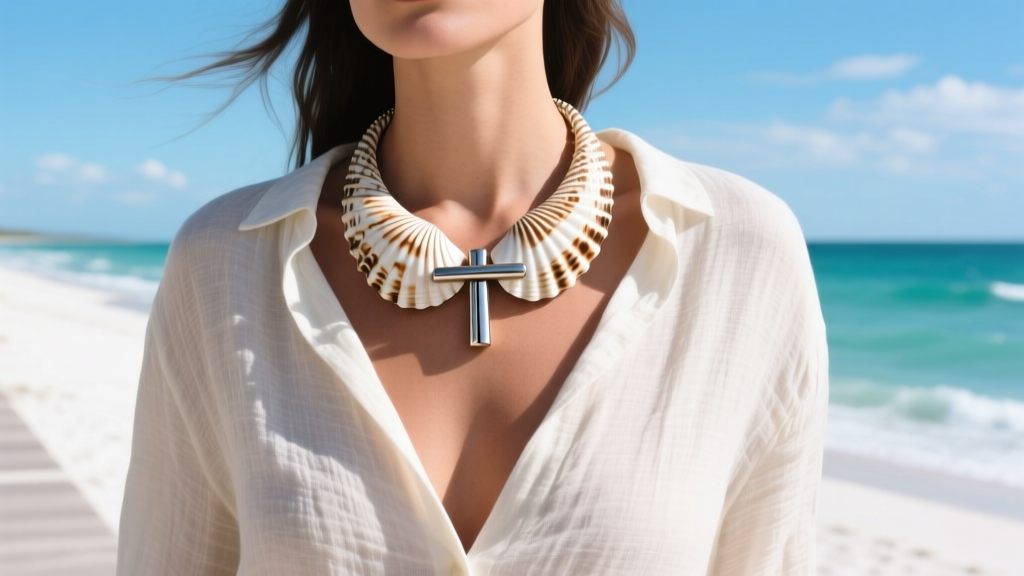
Here is the definitive framework for styling oversized pukas this year:
- The Silk Slip Contrast: Pair a chunky, 25mm matte-white puka strand with a delicate, bias-cut silk slip dress in a dark hue (navy, emerald, or onyx). The extreme textural contrast between the rough, organic shell and the fluid, high-sheen silk is a hallmark of contemporary high-fashion styling.
- The Tailored Linen V-Neck: A deep V-neck linen shirt provides the perfect canvas. The 18-to-20-inch length (choker to princess length) ensures the shells sit exactly at the clavicle, framing the face without getting lost in the fabric.
- Asymmetric Layering: Instead of layering with other organic materials like wood or turquoise, 2026 trends dictate pairing the large puka necklace with a single, ultra-fine 18k yellow gold snake chain (1.2mm width). The metallic sheen of the gold elevates the calcium-rich matte finish of the shells.
Ethical Sourcing and CITES Regulations
As the appreciation for large, genuine cone shells grows, so does the ecological responsibility of the wearer. Many species of Conus are subject to strict harvesting limits to prevent over-dredging of coral reefs. The CITES species database monitors the international trade of endangered marine life, and responsible jewelers must provide chain-of-custody documentation.
In 2026, the most prestigious large puka shell necklaces are sourced from regulated, sustainable fisheries in the Philippines and the Indo-Pacific, where shells are often harvested as a byproduct of local food sourcing, or collected post-mortem from reef floors. Additionally, institutions like the Bishop Museum of Hawaii continue to educate the public on the cultural significance of these shells, emphasizing that true Hawaiian heirloom pukas are historically small and naturally formed. Therefore, buyers should view large, saw-cut pukas as a modern, sustainable interpretation of the tradition, rather than claiming them as 'vintage natural Hawaiian' artifacts.
Investment Tiers: What Should You Pay?
Understanding the pricing architecture will protect you from both overpaying for fakes and undervaluing genuine artisanal work. Here is the 2026 market breakdown for a standard 18-inch strand:
- Fashion Tier ($25 - $60): Composed of resin, plastic, or heavily bleached, low-grade shell chips. Often strung on basic elastic or thin nylon. Acceptable for seasonal, trend-driven wear, but lacks longevity and investment value.
- Artisanal Mid-Tier ($120 - $280): Genuine, hand-selected cone shells (15mm - 20mm), expertly saw-cut and tumbled. Strung on 49-strand coated wire with sterling silver or gold-filled clasps. This is the sweet spot for everyday luxury.
- Heritage & High-Jewelry Tier ($400 - $1,200+): Exceptional, museum-grade large shells (22mm+), featuring rare colorations (such as the natural mottling of the Conus generalis). Fitted with custom-machined 14k or 18k solid gold hardware, often accented with diamond-pave spacers or paired with heritage brand provenance.
Ultimately, the large puka shell necklace in 2026 is a testament to the fashion world's enduring obsession with elevated naturalism. By prioritizing genuine materials, robust engineering, and intentional styling, you can transform this nostalgic bead into a permanent, sophisticated fixture in your jewelry archive.


