Expert Care Guide: Cleaning Your Ruby and Gold Necklace
Learn how to safely clean, store, and maintain your ruby and gold necklace. Expert tips on avoiding damage, ultrasonic risks, and preserving luster.

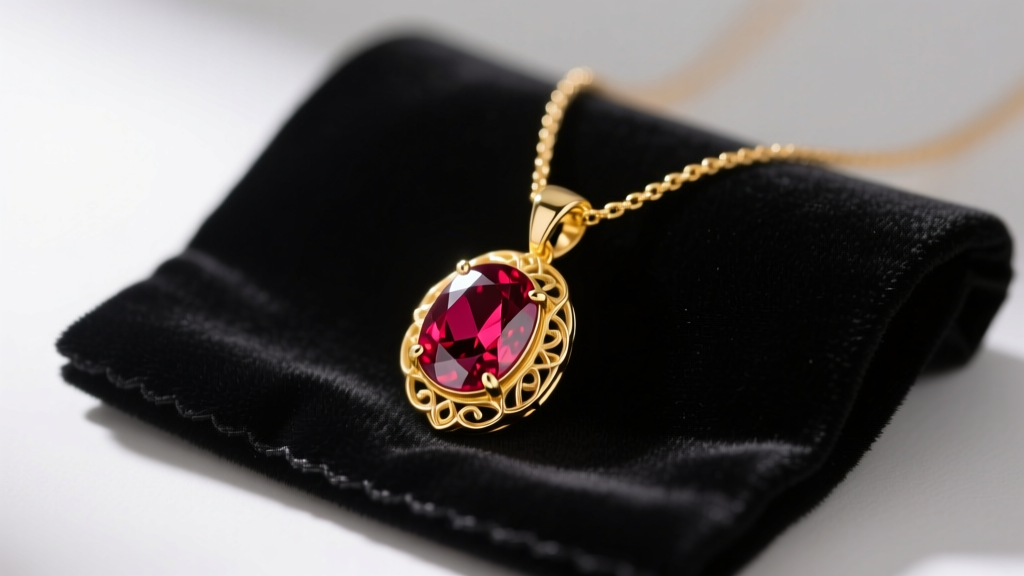
The Delicate Balance of Corundum and Gold
A ruby and gold necklace is a masterclass in contrasting material properties. You are pairing the intense, fiery brilliance of corundum (ruby) with the warm, malleable luster of gold. While this combination creates an heirloom-quality piece of jewelry, it also presents a unique set of maintenance challenges. Many owners mistakenly assume that because ruby is a hard gemstone, the entire necklace is indestructible. In reality, the gold settings, the chain links, and the specific gemological treatments applied to the ruby all require a highly specific, nuanced approach to cleaning and daily care.
In this comprehensive guide, we will move beyond generic jewelry advice and explore the exact material science, chemical vulnerabilities, and step-by-step maintenance routines required to keep your ruby and gold necklace looking as vibrant as the day it was crafted.
Understanding Your Materials: Mohs Scale and Karat Vulnerabilities
To clean your jewelry effectively, you must first understand the physical limitations of its components. The Gemological Institute of America (GIA) rates ruby at a 9 on the Mohs scale of mineral hardness. This makes it exceptionally resistant to scratching—second only to diamond. However, hardness is not the same as toughness. Rubies can possess internal inclusions or cleavage planes that make them susceptible to chipping if struck against a hard surface at the wrong angle.
Gold, on the other hand, is a relatively soft metal. The vulnerability of your necklace's setting depends entirely on its karat weight:
- 18k Gold (75% pure gold): Highly prized for its rich, buttery yellow color, but significantly softer. Prongs holding the ruby can wear down or bend over time, increasing the risk of stone loss.
- 14k Gold (58.5% pure gold): Alloyed with metals like copper, silver, and zinc. While more durable for daily wear, these alloy metals are prone to oxidation and tarnishing when exposed to sulfur, chlorine, and acidic skin pH levels.
- White Gold: If your necklace is white gold, it is plated with rhodium. Harsh scrubbing or ultrasonic cleaning can strip this plating prematurely, revealing the yellowish alloy beneath.
The Hidden Danger: Fracture-Filled Rubies
This is the most critical piece of E-E-A-T knowledge for ruby owners. While traditional heat treatment is permanent and safe, a significant portion of rubies on the market are fracture-filled with lead glass to improve clarity. Lead-glass filled rubies are highly vulnerable to mild acids. Exposure to commercial jewelry dips, harsh household cleaners, or even lemon juice will etch the glass filling, leaving a permanent, chalky white residue on the stone's surface. Always verify your ruby's treatment report before applying any chemical cleaners.
Step-by-Step Cleaning Routine for Ruby and Gold Necklaces
For standard, heat-treated (or untreated) rubies set in solid gold, a gentle manual cleaning is the safest and most effective method to remove sebum, cosmetic buildup, and environmental dust.
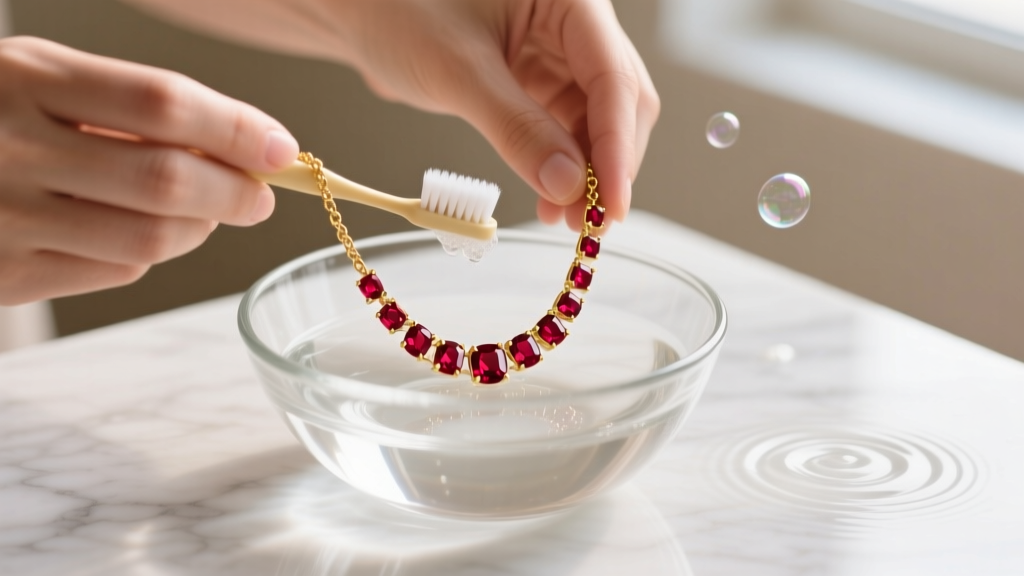
- Prepare the Solution: Fill a small glass bowl with lukewarm (never hot) distilled water. Hot tap water contains minerals that can leave hard water spots on the gold, while extreme heat can cause thermal shock to included rubies. Add three drops of a phosphate-free, mild dish soap (such as original Dawn).
- Soak: Submerge your ruby and gold necklace in the solution for 5 to 10 minutes. This allows the surfactants in the soap to break down the lotion and dead skin cells that accumulate beneath the ruby's pavilion (the bottom facets), which is the primary cause of a 'cloudy' looking stone.
- Agitate Gently: Using an extra-soft baby toothbrush, gently sweep the bristles over the gold chain and the back of the ruby setting. Do not use a standard or medium-bristle brush, as the abrasive toothpaste residue or stiff bristles can create micro-scratches on high-polish 18k gold.
- Rinse: Rinse the necklace under a gentle stream of lukewarm distilled water. Ensure the drain is securely plugged or use a mesh strainer to prevent catastrophic loss.
- Dry and Polish: Pat the piece dry with a lint-free microfiber cloth. Avoid paper towels, as their wood-pulp fibers can leave microscopic scratches on the gold alloy.
What to Avoid: The Ultrasonic and Steam Trap
Many consumers purchase ultrasonic cleaners for home use, assuming they are safe for all precious gems. The American Gem Society (AGS) strongly advises caution. High-frequency sound waves create microscopic cavitation bubbles that implode against the jewelry. While this blasts away dirt, it can also shake a ruby loose from a worn gold prong or shatter a fracture-filled stone from the inside out. Similarly, steam cleaners introduce rapid thermal expansion that can cause existing internal fissures in the corundum to spiderweb and fracture.
| Cleaning Method | Safe for Ruby? | Safe for Gold? | Expert Verdict |
|---|---|---|---|
| Warm Soapy Water | Yes (All types) | Yes (All karats) | The gold standard for safe, routine home maintenance. |
| Ultrasonic Cleaner | No (Risk to inclusions/fillings) | Yes (But loosens prongs) | Avoid entirely unless cleared by a certified gemologist. |
| Steam Cleaning | No (Thermal shock risk) | Yes | Leave this to professionals who can pre-inspect the stone. |
| Commercial Silver/Gold Dips | No (Destroys lead-glass fillings) | Yes (But strips patina) | Never use chemical dips on any porous or treated gemstone. |
Storage and Daily Wear Best Practices
How you store your ruby and gold necklace is just as important as how you clean it. Because ruby is a 9 on the Mohs scale, it is hard enough to scratch almost any other gemstone in your collection, including emeralds, sapphires, and softer gold chains.
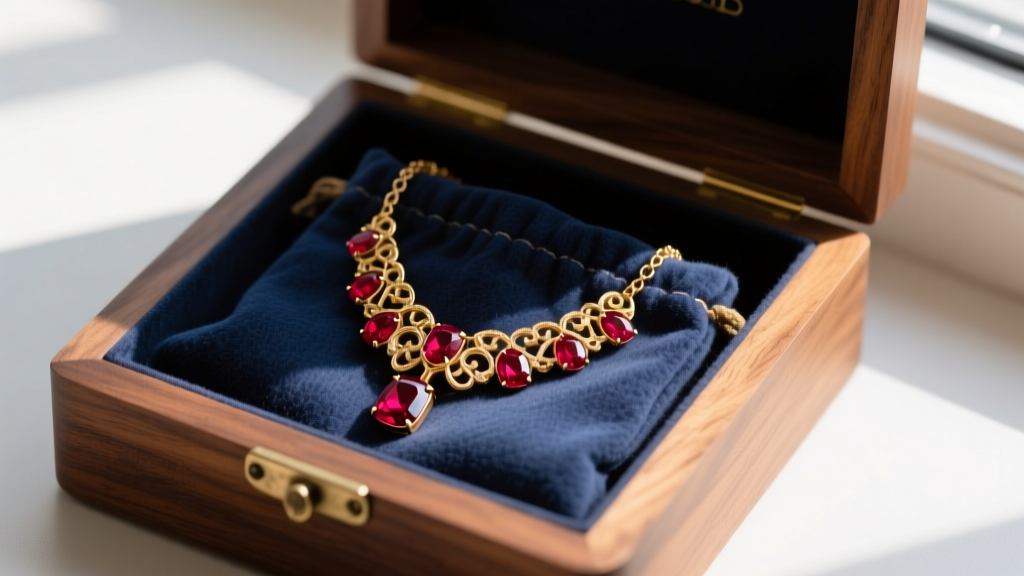
Jeweler's Rule of Thumb: Never store a ruby and gold necklace in a communal jewelry box where it can tumble against other pieces. The ruby will scratch your gold bangles, and diamond jewelry will scratch your ruby. Always use an individual, soft-lined compartment or an anti-tarnish flannel pouch.
Daily Wear Protocol: Always put your necklace on after applying makeup, perfume, and hairspray. The alcohol and volatile organic compounds (VOCs) in cosmetics can degrade the rhodium plating on white gold settings and leave a stubborn, greasy film on the ruby's table facet that dulls its light return. Furthermore, remove the necklace before swimming in chlorinated pools or entering a hot tub; chlorine reacts aggressively with the copper and zinc alloys in 14k gold, causing structural brittleness and eventual chain breakage.
When to Seek Professional Jeweler Maintenance
Even with meticulous home care, a ruby and gold necklace requires professional attention. Gold prongs endure constant friction against clothing and skin, causing them to wear thin over time. Every six to twelve months, take your necklace to a bench jeweler for a 'prong check' and professional polishing. They will use a 10x jeweler's loupe to inspect the gallery and prong tips for light gaps, ensuring the ruby remains secure. If your necklace features a delicate gold chain (such as a serpentine or box chain under 1.5mm), a jeweler can also check the jump rings and clasp mechanisms for metal fatigue, preventing the heartbreak of a lost heirloom.


