Troubleshooting a Ruby Stone Necklace: Fakes & Fixes
Is your ruby stone necklace cloudy or suspect? Learn expert troubleshooting for authenticity, cleaning dull gems, and repairing loose prong settings.

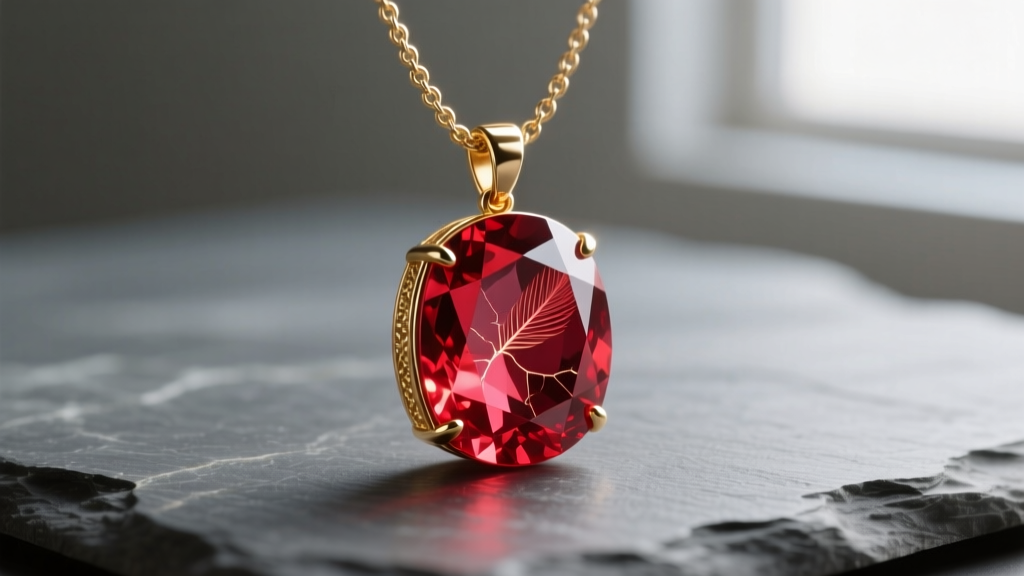
A ruby stone necklace is a timeless investment, prized for its exceptional hardness and deep, passionate color. However, owning and maintaining fine ruby jewelry comes with a unique set of challenges. From the rampant market of composite imitations to the catastrophic damage caused by improper cleaning methods, troubleshooting a ruby pendant requires specific gemological knowledge. Whether your heirloom piece has suddenly lost its luster, or you are questioning the authenticity of a recent estate purchase, this guide provides actionable, expert-level diagnostics to restore and protect your jewelry.
The Authenticity Crisis: Is Your Ruby Real?
The most common issue gemologists encounter with vintage and online-purchased ruby necklaces is misrepresentation. Rubies are among the most heavily synthesized and treated gemstones on the market. Before attempting any repairs or aggressive cleaning, you must verify the stone's composition.
The Lead-Glass Filled Epidemic
Over the last decade, the market has been flooded with 'composite' or 'lead-glass filled' rubies. These stones begin as low-grade, opaque corundum that is heavily fractured. To make them transparent, manufacturers infuse them with lead-glass under high heat. According to the American Gem Society, these stones can contain up to 50% glass by volume. They are notoriously fragile and cannot be valued as natural rubies.
Troubleshooting Test: Use a 10x triplet loupe and a focused LED light. Look at the facet junctions and internal fractures. If you see a distinct blue or purple flash along the fracture lines, or if you spot spherical gas bubbles trapped inside the stone, you are looking at a glass-filled composite. These stones are highly reactive to acids—even a drop of lemon juice or a mild jewelry dip will etch the glass, permanently ruining the stone's surface.
Synthetic vs. Natural Diagnostics
Flame-fusion synthetic rubies (often sold in vintage mall jewelry) are chemically identical to natural rubies but lack natural inclusions. Instead, they exhibit curved striations—microscopic curved lines formed during the boule growth process. Natural rubies, conversely, will show angular growth zoning, rutile silk (needle-like inclusions), and 'fingerprint' liquid inclusions. If your ruby is perfectly clear with no inclusions and costs under $500 per carat, it is almost certainly synthetic or glass.

Troubleshooting Cloudiness and Dullness
If your ruby stone necklace has suddenly turned cloudy, opaque, or chalky, the culprit is almost always an improper cleaning method interacting with the stone's specific treatment. Rubies are a 9 on the Mohs hardness scale, meaning they do not scratch easily, but their treatments are highly vulnerable.
Identifying the Treatment Type
Before attempting to restore your gem's brilliance, cross-reference its cleaning history with the table below to diagnose the cause of the cloudiness.
| Ruby Treatment | Common Cleaning Mistake | Resulting Damage | Troubleshooting / Fix |
|---|---|---|---|
| Untreated / Unheated | Ultrasonic exposure on heavily included stones | Internal fracture expansion | Requires professional resin stabilization; cannot be reversed at home. |
| Heat-Treated (Standard) | None (Highly stable) | N/A | Safe for ultrasonic and steam. Cloudiness is likely surface grease; use ammonia-based cleaner. |
| Fracture-Filled (Lead Glass) | Ultrasonic, Steam, or Acidic Jewelry Dips | Chalky white, opaque surface | Irreversible. The glass filler has dissolved. Stone must be replaced. |
| Oil / Resin Filled | Harsh detergents or alcohol | Dull, lifeless appearance | Soak in warm distilled water; a professional jeweler can re-oil the stone. |
Safe Cleaning Protocol for Unknown Treatments
If you do not have the original gemological certificate and are unsure of the treatment, the Gemological Institute of America (GIA) recommends the safest baseline cleaning method: lukewarm water, a drop of pH-neutral dish soap, and a soft baby toothbrush. Gently agitate the water around the pendant, brush the pavilion (back) of the stone where grease accumulates, and pat dry with a microfiber cloth. Never use toothpaste, baking soda, or abrasive pastes, as these can scratch the gold setting and leave a dulling film in the prong crevices.
Prong and Setting Failures
While the ruby itself is incredibly hard, the metal securing it is not. Prong failure is the leading cause of lost stones in ruby pendants. Because rubies are dense and often cut in heavy, deep pavilions to maximize color, the pendulum effect of a necklace swinging against the chest puts immense shear stress on the prongs.
Diagnosing Loose Stones
Hold the necklace by the chain, a few inches above the pendant. Gently tap the metal setting (not the stone) with a wooden toothpick. If you hear a faint clicking or rattling sound, the ruby is loose in its seat. Do not wear the necklace. The stone is resting on a single pressure point and could chip at the girdle or fall out entirely.
When to Retip vs. Replace
Examine the prongs with a loupe. If the prong is simply worn flat at the top but the base is thick, a jeweler can perform a 'retip'—fusing a small bead of matching gold or platinum to the top of the prong and reshaping it over the crown of the ruby. However, if the prong is thinning at the base (the gallery wire), retipping is dangerous. The structural integrity is compromised, and the entire setting head must be laser-welded or replaced. For heavy ruby pendants over 3 carats, always insist on platinum or 18k white gold settings, as 14k yellow gold prongs wear down significantly faster due to the abrasion of the copper and zinc alloys.
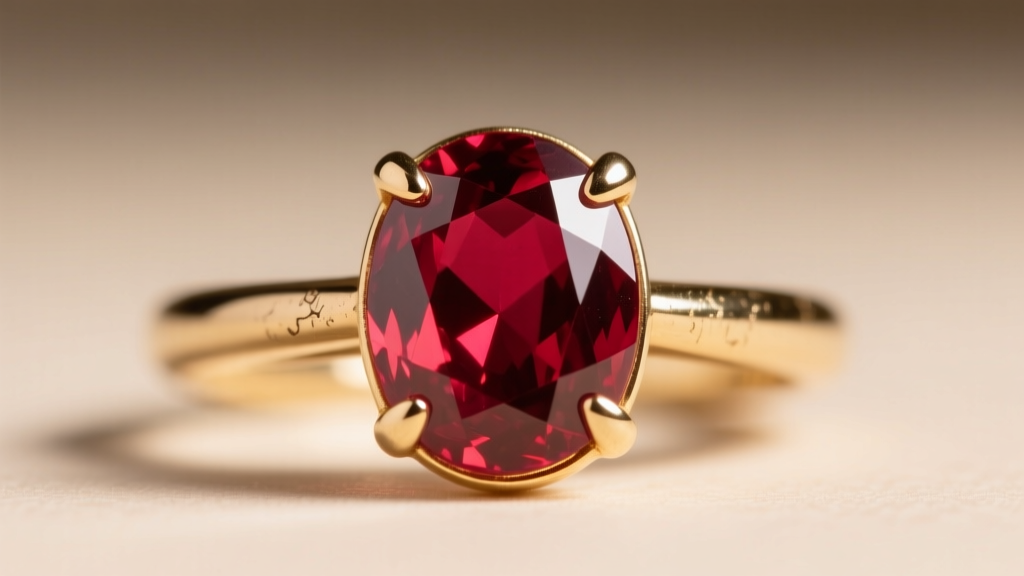
Chain and Bail Breakage Specific to Heavy Rubies
A high-quality ruby is exceptionally dense, with a specific gravity of 4.00 (meaning it is four times heavier than water). A modest 15mm x 10mm oval ruby pendant can easily weigh over 4 grams. This concentrated weight creates a 'sawing' effect on the necklace chain and the bail (the loop connecting the pendant to the chain).
- The Bail Groove: Inspect the inside of the pendant's bail. If you see a deep groove worn into the metal, the chain is acting like a wire saw. Have a jeweler install a hard metal sleeve (like platinum or tungsten) inside the bail to halt the friction.
- Chain Gauge Selection: Never hang a heavy ruby pendant on a delicate 0.8mm box or snake chain. The kinks in these chains will snap under the pendulum stress. Upgrade to a minimum 1.2mm - 1.5mm solid cable, wheat, or Figaro chain. Wheat chains, in particular, offer a woven, multi-directional tensile strength that resists the specific snapping mechanics caused by heavy pendants.
- Clasp Weak Points: Ensure your chain features a spring ring or lobster clasp that is rated for the pendant's weight. A standard 5mm spring ring will easily pop open under the dynamic weight of a swinging ruby. Upgrade to a 10mm or 12mm lobster clasp for secure daily wear.
Pro Tip: If your ruby stone necklace is a high-value heirloom, have a professional jeweler perform a 'prong and rhodium' check every 18 months. The cost of a routine tightening is a fraction of the cost of replacing a lost natural Burmese or Mozambique ruby.
Troubleshooting a ruby stone necklace requires looking past the beautiful red facade and examining the structural and chemical realities of the piece. By accurately identifying the stone's treatment, utilizing safe cleaning protocols, and reinforcing the hardware to support the gem's density, you can ensure your ruby pendant remains a brilliant, secure legacy piece for decades to come.


