Grit Necklace Materials: Texture, Durability & Care
Compare diamond grit inlays, sandblasted metal finishes, and raw stone grit necklaces. Discover durability, Mohs hardness, and care.

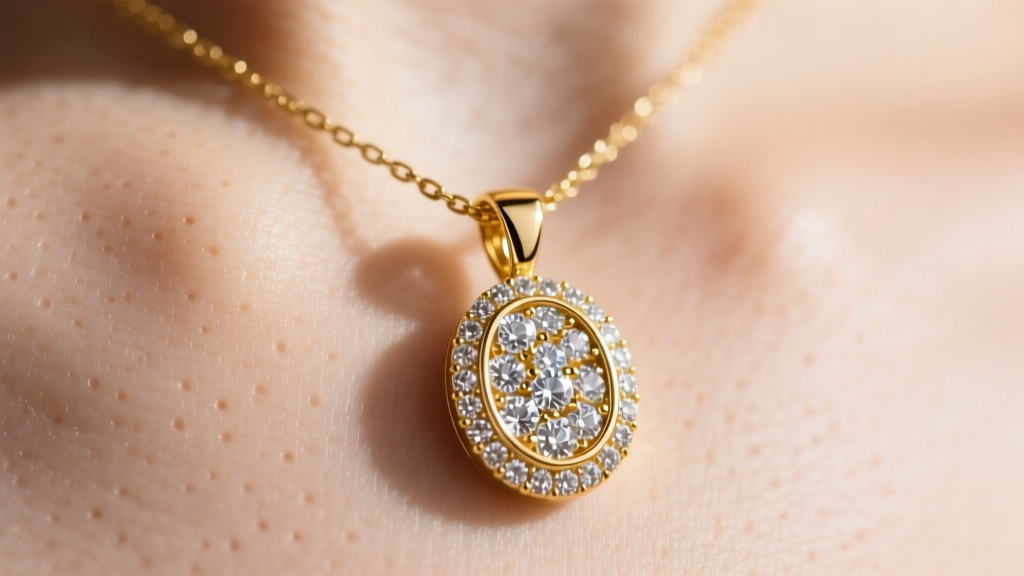
When collectors, jewelers, and stylists search for a grit necklace, they are rarely looking for a traditional high-polish chain. Instead, they are seeking out jewelry that embraces friction, micro-shadows, and raw material authenticity. The term 'grit' in contemporary jewelry design refers to three highly specific material constructions: crushed diamond grit inlays, sandblasted matte metal finishes, and raw, unpolished mineral pendants. While these textured surfaces offer a striking, avant-garde aesthetic, they also introduce unique material vulnerabilities that high-polish jewelry simply does not face.
Understanding the metallurgical and gemological properties of these textures is critical for making an informed purchase. A grit necklace interacts with the environment—trapping sebum, catching on fabrics, and absorbing UV light—differently than a smooth counterpart. In this comprehensive material comparison, we break down the exact hardness scales, failure modes, and maintenance protocols for the three primary types of grit finishes in 2026.
Decoding 'Grit': Three Distinct Material Categories
1. Diamond Grit & Crushed Stone Inlays
The most luxurious interpretation of the grit necklace features 'diamond grit'—industrial-grade or synthetic crushed diamond dust (typically 100 to 400 mesh size) suspended in a binding matrix. This creates a surface that sparkles with a raw, unrefined intensity. The durability of this necklace style depends entirely on the matrix, not the diamond itself. While diamond sits at a 10 on the Mohs scale, the binder holding the grit is usually a UV-cured acrylic resin or a sintered metal alloy. Resin matrices are prone to micro-scratching (Mohs 2.5) and UV yellowing over time, whereas metal matrices offer superior longevity but introduce porosity issues.
2. Sandblasted & Matte Metal 'Grit' Finishes
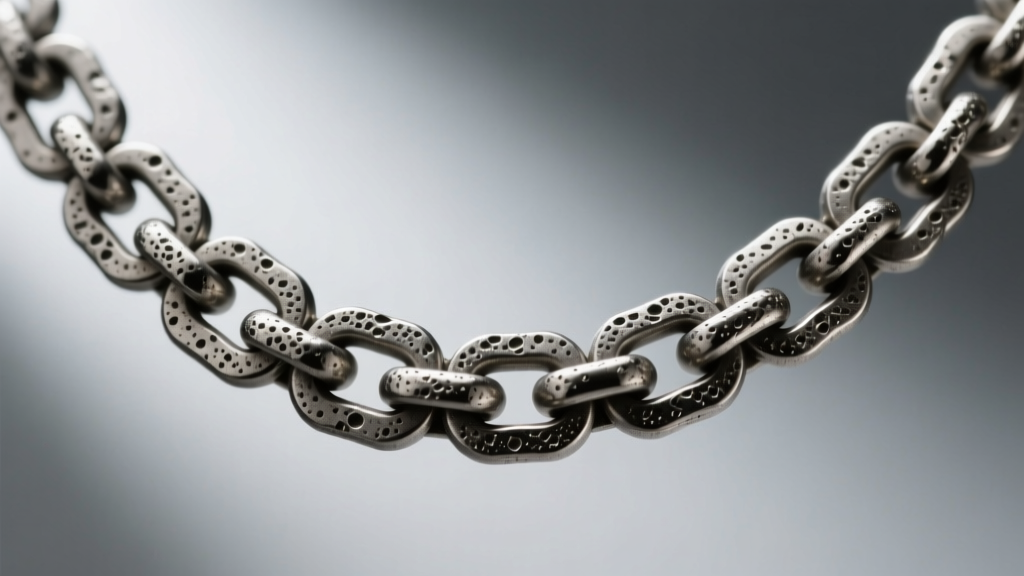
In metallurgy, a 'grit' finish is achieved by bombarding a metal chain or pendant with high-pressure abrasive media, such as 120-grit or 220-grit aluminum oxide. This process creates microscopic craters on the surface, diffusing light and resulting in a velvety, matte texture. The longevity of a sandblasted grit necklace is dictated by the Vickers Hardness (HV) of the base metal. A 24k gold chain (HV ~25) will lose its sandblasted texture within months of daily wear, as the soft metal smooths out from friction against the skin. Conversely, a Grade 5 Titanium chain (HV ~334) or a tungsten carbide pendant will retain its abrasive, matte finish for decades.
3. Raw, Unpolished Mineral Grit
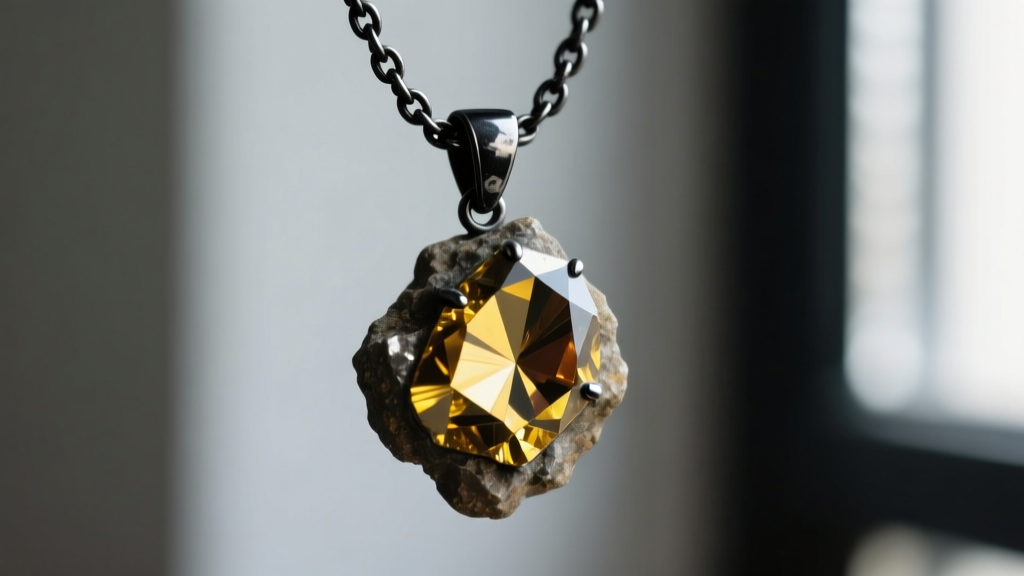
The third category encompasses necklaces featuring raw, un-tumbled stones with natural 'grit' or rough crystalline structures. Think of unpolished pyrite, raw drusy quartz, or rough-hewn obsidian. These pendants rely on natural cleavage planes and unrefined edges. The primary concern here is structural integrity; raw stones lack the protective geometry of faceted or cabochon cuts, making them susceptible to chipping along their natural fault lines if subjected to blunt force.
Material Properties & Failure Modes
To truly evaluate a grit necklace, we must look at the hard data. The table below compares the physical properties of the three main grit constructions, highlighting their specific vulnerabilities.
| Material / Finish | Matrix / Base | Surface Hardness | Texture Retention | Primary Failure Mode |
|---|---|---|---|---|
| Diamond Grit (Resin) | UV-Cured Acrylic | Mohs 2.5 (Matrix) | 1-3 Years | Resin yellowing, grit fallout |
| Diamond Grit (Metal) | Sintered Silver/Gold | Mohs 10 (Grit) | 10+ Years | Sebum trapping, oxidation |
| Sandblasted 14k Gold | 58.5% Au Alloy | HV 135 | 3-5 Years | Friction polishing (smoothing) |
| Sandblasted Titanium | Grade 5 Ti-6Al-4V | HV 334 | Lifetime | Lotion buildup in micro-craters |
| Raw Pyrite / Quartz | Natural Mineral | Mohs 6 - 7 | Variable | Chipping along cleavage planes |
Long-Term Wear: How Grit Finishes Degrade
Unlike smooth metals that simply accumulate micro-scratches, textured grit necklaces undergo a process of 'friction polishing.' When a sandblasted gold pendant rests against the collarbone, the microscopic peaks of the grit finish are slowly worn down. Over a period of 18 to 24 months of daily wear, the high-contact areas will naturally revert to a semi-polish, creating an unintended two-tone effect. According to Jewelers of America, matte and textured finishes require periodic professional re-sandblasting to maintain their original factory specification.
For diamond grit inlays, the degradation is chemical rather than mechanical. If the grit is set in an epoxy or acrylic resin, prolonged exposure to UV radiation and the natural pH of human sweat will cause the binder to degrade. This leads to a cloudy appearance and, eventually, the shedding of the diamond dust. Buyers seeking heirloom-quality diamond grit necklaces must insist on metal-matrix inlays, where the diamond grit is fused directly into a porous gold or platinum setting without the use of chemical adhesives.
Pricing Tiers & Brand Benchmarks
The pricing of a grit necklace varies wildly based on the authenticity of the materials used. Here is what you should expect to pay in the current market:
- Entry-Level ($40 - $150): Sandblasted stainless steel or titanium chains. These offer excellent texture retention due to the high hardness of the base metals, but lack precious metal value.
- Mid-Range ($200 - $800): 14k gold vermeil with resin-bound diamond grit inlays. The texture is visually stunning initially, but buyers should anticipate a 5-year lifespan before the resin requires replacement.
- High-End ($1,500 - $5,000+): Solid 14k or 18k gold chains with precision 220-grit sandblasting, or platinum pendants featuring sintered, metal-matrix diamond grit. These pieces are often produced by artisanal metallurgists who specialize in alternative surface treatments.
Maintenance Protocols for Textured Necklaces
Caring for a grit necklace requires a departure from standard jewelry cleaning routines. The very textures that give these pieces their character also make them magnets for debris.
- Ultrasonic Cleaning Risks: While ultrasonic cleaners are excellent for smooth diamonds, the high-frequency vibrations can shake loose diamond grit that is held in resin matrices. Furthermore, ultrasonic waves can force water and cleaning solutions deep into the micro-craters of sandblasted metals, leading to trapped moisture and accelerated oxidation in silver alloys.
- The Soft Brush Method: The safest way to clean a grit necklace is by using a soft-bristled baby toothbrush, warm water, and a drop of mild, phosphate-free dish soap. Gently agitate the bristles in a circular motion to lift sebum and dead skin cells from the textured surface.
- Chemical Avoidance: Never use silver dip or harsh ammonia-based cleaners on raw mineral grit pendants. As noted by the Gemological Institute of America (GIA), porous stones and raw inclusions can absorb harsh chemicals, leading to permanent internal discoloration or structural weakening.
Final Verdict: Choosing Your Grit Necklace
The modern grit necklace is a triumph of alternative jewelry design, offering a tactile, light-diffusing aesthetic that defies the traditional obsession with mirror-like polish. If your priority is lifetime texture retention, a sandblasted Grade 5 Titanium or Tungsten chain is metallurgically superior. If you desire the luxury of diamond grit, bypass resin inlays entirely and invest in a sintered metal matrix piece. Finally, if you prefer the organic, unpredictable nature of raw stone grit, ensure the pendant features a protective bezel that shields the stone's vulnerable cleavage planes from daily impact. By matching the material properties to your lifestyle, your textured necklace will remain a striking focal point for years to come.


