Necklace Antique Gold Finishes: 2026 Trend & Style Guide
Explore 2026 necklace antique gold trends. Learn to identify estate pieces, master layering, and preserve oxidized patinas with expert care tips.

The 2026 Shift: From High-Polish to Heritage Patina
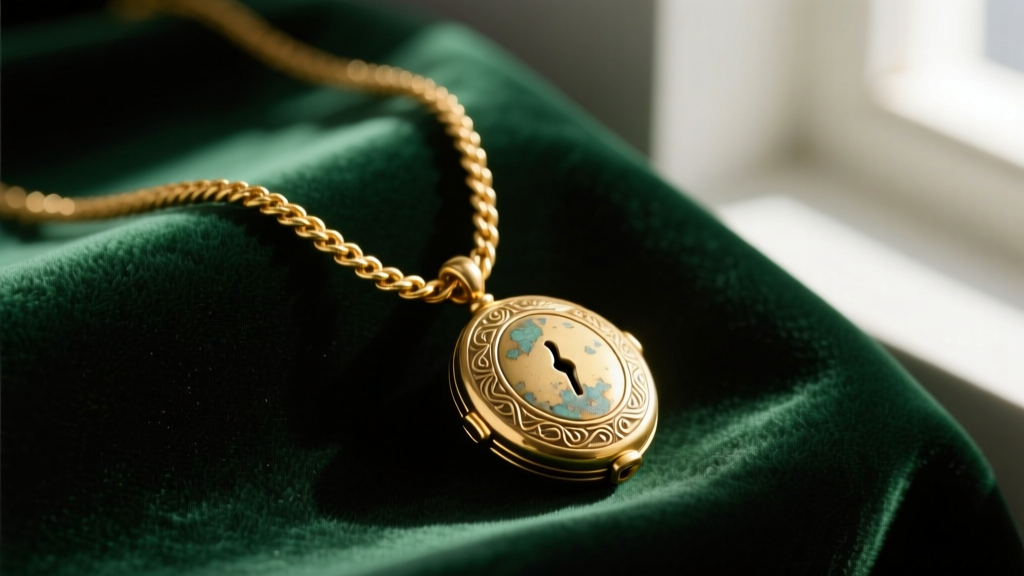
The jewelry landscape in 2026 has decisively pivoted away from the mirror-like, high-polish finishes that dominated the early 2020s. Today, the demand for a necklace antique gold finish has eclipsed traditional bright jewelry, driven by a cultural shift toward "heritage authenticity" and quiet luxury. Collectors and everyday wearers alike are seeking pieces that carry the visual weight of history, featuring brushed textures, matte surfaces, and deep, intentional oxidation. According to the Victoria and Albert Museum (V&A), historical revivalism in jewelry often mirrors periods where consumers seek permanence and craftsmanship over mass-produced flashiness. The antique gold aesthetic achieves exactly this, transforming a simple chain into a tactile, storied artifact.
However, navigating this trend requires a discerning eye. The market is currently flooded with both genuine estate pieces and modern reproductions attempting to mimic centuries-old patinas. Understanding the material science, structural chain profiles, and proper styling techniques is essential for anyone looking to invest in or design within this space.
Material Science: True Estate vs. Modern Antique Finish
To truly master the antique gold aesthetic, one must understand how gold alloys interact with oxidation. Pure 24k gold does not tarnish or oxidize. Therefore, the rich, dark brown and black patinas seen in antique crevices are the result of chemical reactions with the alloy metals—primarily copper and silver—mixed into 14k (58.5% gold) or 18k (75% gold) compositions. As detailed by the Gemological Institute of America (GIA), the higher copper content in 14k yellow and rose gold allows for a much deeper, more dramatic oxidation when treated with liver of sulfur (potassium polysulfide) compared to 18k alloys.
When shopping, you will encounter three distinct categories of antique gold necklaces. Understanding the difference between solid estate gold, solid reproduction gold, and antique-finish vermeil is critical for assessing value and longevity.
| Attribute | True Estate (Pre-1950) | Modern Solid Reproduction | Antique-Finish Vermeil |
|---|---|---|---|
| Material Base | 14k or 18k Solid Gold | 14k or 18k Solid Gold | Sterling Silver (925) |
| Patina Method | Natural age, environmental exposure, historical sulfur treatments | Chemical oxidation (Liver of Sulfur), hand-brushing, matte sandblasting | Chemical oxidation of the gold plating layer, sometimes resin-tinted |
| Plating Thickness | N/A (Solid throughout) | N/A (Solid throughout) | Must be ≥ 2.5 microns per FTC Guidelines |
| Price Range (2026) | $1,200 – $8,000+ | $600 – $2,500 | $150 – $450 |
| Durability | Generational; patina can be re-applied if polished off | Generational; highly resistant to wear | Moderate; friction points will eventually expose silver base |
Expert Warning: Avoid "flash-plated" antique gold necklaces. These feature a gold layer of less than 0.5 microns. The antique oxidation treatment on flash-plated items is often merely a dark resin or paint rubbed into the crevices, which will flake and degrade within months of wear.
Chain Architectures That Complement Oxidized Gold
The success of an antique gold necklace relies heavily on the chain's architecture. Smooth, flat chains like standard cable or curb links do not possess the surface area required to hold an oxidized patina effectively, nor do they capture the light in a way that highlights a matte finish. To achieve a true heritage look, you must select chains with complex, three-dimensional weaves.
The Foxtail Chain
The foxtail chain is a masterclass in texture. Composed of interlocking, V-shaped links that create a continuous, braided tube, it offers hundreds of microscopic crevices per inch. When treated with an antique finish, the dark oxidation settles deep into the V-joints, while the raised outer edges are hand-brushed to a soft, matte glow. This creates a striking two-tone contrast that mimics decades of natural wear.
The Rope Chain
Twisted rope chains are a staple in Victorian and Edwardian estate jewelry. The spiral nature of the rope chain catches light dynamically, even when the gold is finished with a matte or satin texture. For a true antique aesthetic, look for "pinched" or "diamond-cut" rope chains from the mid-20th century, where the facets have been dulled by time, offering a soft, romantic luster rather than a sharp sparkle.

The Wheat (Spiga) Chain
Wheat chains feature oval links woven in the same direction, resembling stalks of wheat. This weave is incredibly durable and lies flat against the collarbone. The tight, braided structure holds antique patinas beautifully, making it an ideal, understated choice for suspending heavy, ornate lockets or signet pendants without competing for visual attention.
Strategic Layering: Necklines and Lengths
Layering antique gold requires a departure from the uniform, high-polish stacking trends of previous years. Because antique finishes absorb light rather than reflect it, layering must rely on textural contrast and proportional spacing to prevent the necklaces from blending into a single, dark mass.
"When working with oxidized and matte gold, you are painting with shadows. The negative space between the chains is just as important as the metal itself." — Heritage Jewelry Styling Framework, 2025
Follow this structural framework for layering antique gold necklaces across different necklines:
- The 15-Inch Matte Choker: Best worn against a high crew neck or a stark, white button-down collar. Use a simple, unadorned matte gold band or a very fine, oxidized rope chain. This anchors the look and provides a dark, grounding contrast to the fabric.
- The 18-to-20-Inch Pendant Drop: The focal point. This length sits perfectly in the hollow of the throat or just above the bust line. Pair a heavy foxtail chain with an intricate, repoussé-style pendant. The deep relief of the pendant will showcase the darkest patinas, drawing the eye.
- The 24-to-28-Inch Lariat or Long Rope: Essential for V-necklines and deep scoop necks. A long, brushed wheat chain elongates the torso. Because it rests against the lower chest, it should feature larger, more spaced-out links to maintain visibility from a distance.
Pro-Tip: Never mix high-polish, modern bright gold with antique gold in the same cluster. The bright gold will make the antique finish look dirty or tarnished by accident, rather than intentionally oxidized. Keep your metal finishes strictly segregated by aesthetic era.
Preserving the Patina: Care and Maintenance
The most common mistake owners make with an antique gold necklace is treating it like modern, high-polish jewelry. The dark patina in the crevices is an intentional design element, not a flaw to be scrubbed away. Aggressive cleaning will strip the oxidation from the recessed areas, ruining the three-dimensional contrast and leaving the piece looking flat and uneven.
What to Avoid at All Costs
- Ultrasonic Cleaners: The high-frequency vibrations can fracture the delicate, oxidized layers, especially on older estate pieces where the patina has become brittle over decades.
- Silver Dips and Chemical Baths: While designed for silver, these harsh acids will indiscriminately strip the dark sulfur compounds from the copper alloys in your 14k or 18k gold, instantly erasing the antique finish.
- Polishing Cloths: Standard jeweler's rouge cloths contain mild abrasives. Using them on an antique chain will polish the high spots to a bright shine while leaving the crevices dark, creating a jarring, unnatural two-tone effect.
The Proper Cleaning Protocol
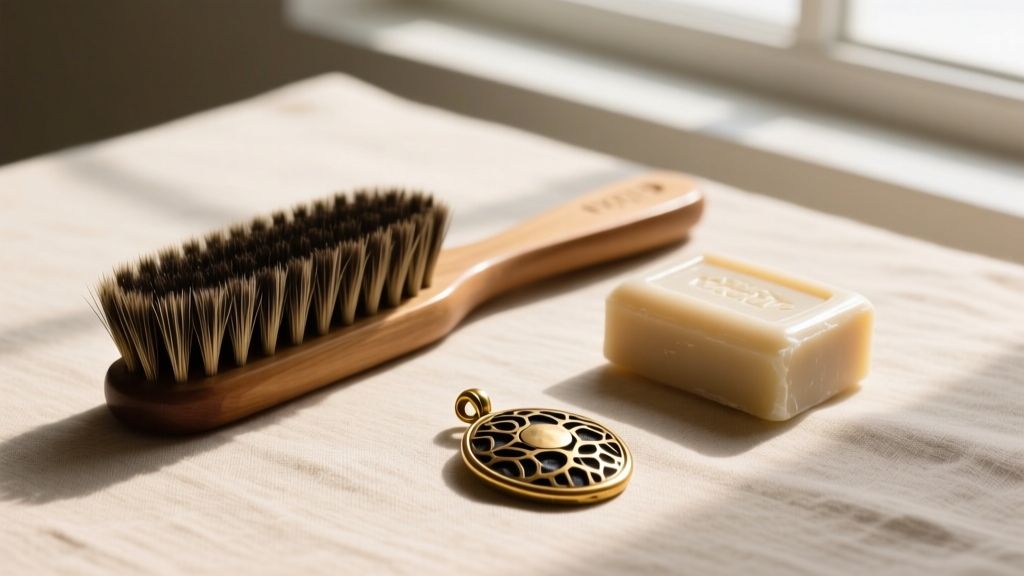
To clean an antique gold necklace without compromising its heritage finish, use a solution of lukewarm water and a few drops of pH-neutral dish soap. Submerge the piece for no more than three minutes to loosen surface oils and environmental dust. Gently agitate the chain using a soft, natural horsehair brush—never use synthetic bristles or toothbrushes, which can be too stiff and scratch the soft, matte surfaces. Rinse thoroughly under a gentle stream of cool water and pat dry with a lint-free microfiber cloth. Allow it to air dry completely before storing it in an anti-tarnish flannel pouch to prevent unwanted environmental sulfur exposure.
Final Thoughts on the Heritage Aesthetic
The 2026 fascination with the antique gold necklace is more than a fleeting trend; it is a rejection of disposable fashion in favor of enduring, tactile artistry. Whether you are hunting for a genuine 1920s foxtail chain in an estate sale or commissioning a modern artisan to hand-oxidize a solid 14k reproduction, understanding the chemistry, structure, and care of these pieces ensures your collection will age with the same grace as the artifacts that inspired it.


