Stella and Dot Bib Necklace Value: 2026 Cost & Quality Review
Is a Stella and Dot bib necklace worth the investment? We analyze 2026 resale values, material longevity, and cost-per-wear for statement jewelry.

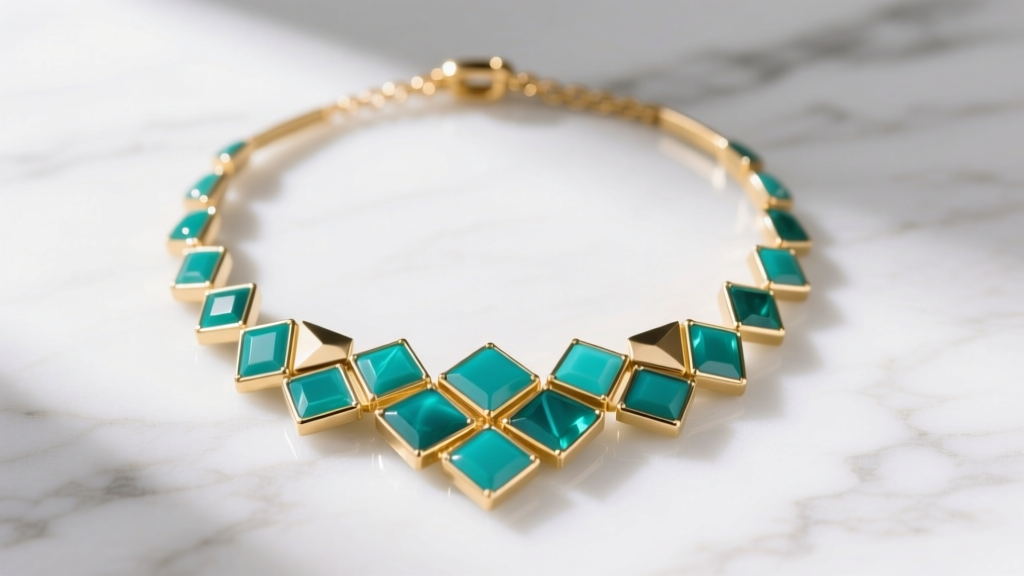
When building a statement jewelry collection, the stella and dot bib necklace frequently emerges as a popular choice for its bold aesthetics and versatile styling options. However, as consumers in 2026 become increasingly analytical about their fashion investments, the conversation has shifted from mere visual appeal to rigorous budget and value assessment. Are these social-selling staples worth their original retail price, or do they suffer from the rapid depreciation typical of fashion jewelry? In this comprehensive guide, we dissect the material science, secondary market realities, and long-term wearability of these iconic statement pieces.
The Anatomy of a Stella and Dot Bib Necklace
To accurately assess value, we must first look beneath the surface. The vast majority of Stella & Dot statement bibs are constructed from a brass base metal—typically a 70/30 copper-zinc alloy chosen for its malleability and weight. This base is then finished with either a rhodium plating for silver-toned pieces or a 12k to 14k gold electroplating. According to the Federal Trade Commission (FTC) Jewelry Guides, items with a gold layer of at least 0.175 microns can be legally marketed as 'gold electroplated.' Industry analysis suggests that premium fashion brands in this tier generally apply between 0.5 and 1.0 microns of gold, which provides a rich initial luster but remains vulnerable to friction and skin acidity over time.
The 'stones' adorning these bibs are rarely genuine semi-precious gems in the standard collections. Instead, they consist of hand-set epoxy resin, poured acrylic, or faceted glass. While epoxy allows for vibrant, opaque colorways that mimic turquoise, lapis lazuli, or jade, it lacks the Mohs hardness of natural stones, making it susceptible to micro-scratches and heat warping. The structural integrity of the bib relies heavily on a network of soldered jump rings connecting the individual metal and resin components to the primary collar chain.
Retail Pricing vs. Secondary Market Reality
Stella & Dot operates on a social selling and trunk-show model, a business structure that inherently factors hostess rewards, stylist commissions, and direct-to-consumer logistics into the retail price. As National Jeweler has noted regarding the social commerce jewelry space, the markup on fashion jewelry often reflects the experiential retail environment rather than the raw metallurgical value.
Below is a 2026 market assessment comparing original retail prices against current secondary market averages on platforms like Poshmark, Mercari, and eBay.
| Collection Tier | Original Retail (Avg) | 2026 Resale Average | Depreciation Rate |
|---|---|---|---|
| Core Seasonal Bibs (Epoxy/Glass) | $59 - $89 | $15 - $28 | 65% - 75% |
| Signature Statement Bibs (Multi-strand) | $98 - $129 | $30 - $45 | 60% - 70% |
| Limited Edition / Semi-Precious Accents | $149 - $198 | $55 - $85 | 50% - 65% |
The data reveals a steep initial depreciation. A buyer purchasing a brand-new stella and dot bib necklace at a trunk show should view it as a consumable fashion expense rather than an asset that retains financial value. However, for savvy secondhand shoppers, the secondary market offers an exceptional opportunity to acquire high-impact styling pieces at a fraction of the original cost.
Material Degradation and Common Failure Modes
Understanding how fashion jewelry ages is critical for budget-conscious buyers. When evaluating vintage or pre-owned pieces, or predicting the lifespan of a new purchase, be aware of these specific failure modes:
- Plating Friction Wear: The back of the bib elements rests directly against the collarbone and chest. Natural skin oils, sweat, and friction from clothing will wear through the 0.5-micron gold layer within 1 to 3 years of regular wear, exposing the underlying brass, which can oxidize and leave greenish marks on the skin.
- Epoxy Yellowing and Clouding: Clear or light-colored epoxy resins are highly sensitive to UV exposure and cosmetic chemicals. Perfumes, lotions, and prolonged sunlight will cause white or pale blue epoxy stones to yellow or develop a cloudy, crazed surface texture.
- Jump Ring Fatigue: Bib necklaces are inherently front-heavy. The repetitive stress of putting on and taking off the necklace places immense mechanical strain on the jump rings connecting the bib to the chain. Over time, these rings can warp open, leading to lost components.
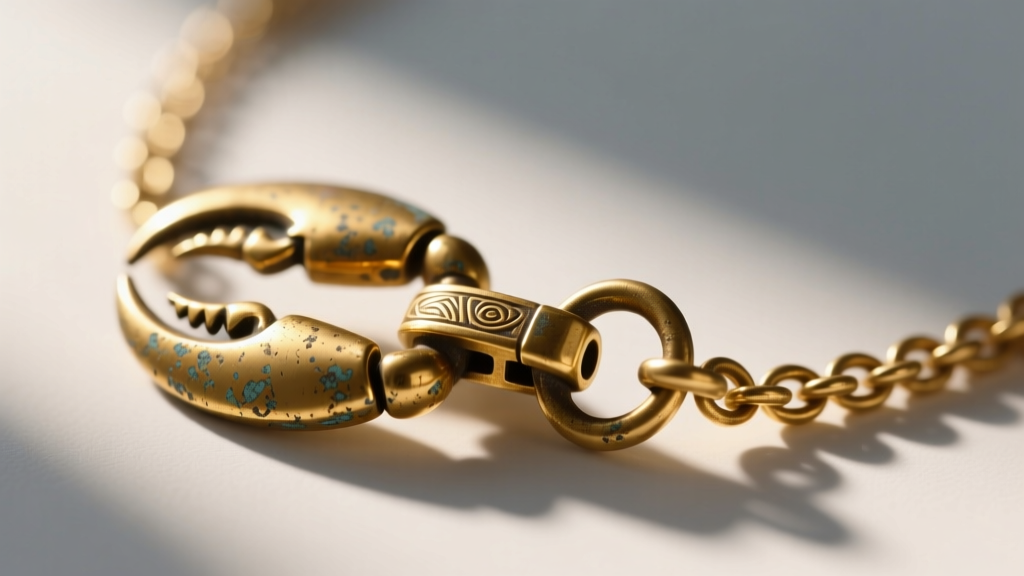
- Clasp Mechanism Failure: Standard lobster claw clasps often struggle to support the 40-60 gram weight of a fully loaded brass bib. The internal spring mechanism can weaken, causing the necklace to unfasten unexpectedly.
Cost-Per-Wear Analysis: Fashion vs. Demi-Fine
To determine if the investment makes sense for your personal budget, we must apply a Cost-Per-Wear (CPW) framework. The formula is simple: Total Cost ÷ Number of Wears = CPW.
Let us compare a $98 Stella & Dot statement bib against a $150 demi-fine gold vermeil pendant necklace. The demi-fine piece, featuring a thicker 2.5-micron gold layer over sterling silver, can easily withstand 200 wears over five years with proper care, resulting in a CPW of $0.75. The fashion bib, due to its bold, trend-specific design and plating vulnerabilities, might only be worn 25 times before the plating degrades or the trend cycles out of your wardrobe. This results in a CPW of $3.92.
Pro-Tip for 2026 Buyers: To maximize the CPW of a brass-based bib necklace, reserve it exclusively for low-sweat, evening, or indoor events. Never wear epoxy or gold-plated brass jewelry to the gym, the beach, or while applying aerosol cosmetics. This single habit can triple the functional lifespan of the plating.

Verdict: Who Should Invest in Statement Bibs?
Ultimately, the value of a stella and dot bib necklace is entirely dependent on the buyer's expectations. If you are seeking an heirloom piece, a store of value, or an everyday workhorse that will survive daily wear and tear, this category of fashion jewelry will fail to meet your needs. The materials, while attractive, are not engineered for decades of continuous use.
However, if you are a styling enthusiast who views jewelry as an essential component of seasonal wardrobe rotation, the value proposition changes dramatically. These necklaces offer exceptional visual impact, sophisticated color palettes, and a satisfying physical weight that cheaper, mass-market alternatives lack. For the most financially sound approach in 2026, bypass the primary retail market entirely. Hunt for discontinued or gently used styles on secondary resale platforms, where you can secure these striking statement pieces for $20 to $40—transforming a depreciating retail purchase into a highly cost-effective styling triumph.


