How to Get Pygmy Necklace Beadwork: An Ethical Sourcing Guide
Learn how to get pygmy necklace pieces ethically. Discover traditional Mbuti and Baka beadwork, trade bead history, and fair-trade sourcing tips.

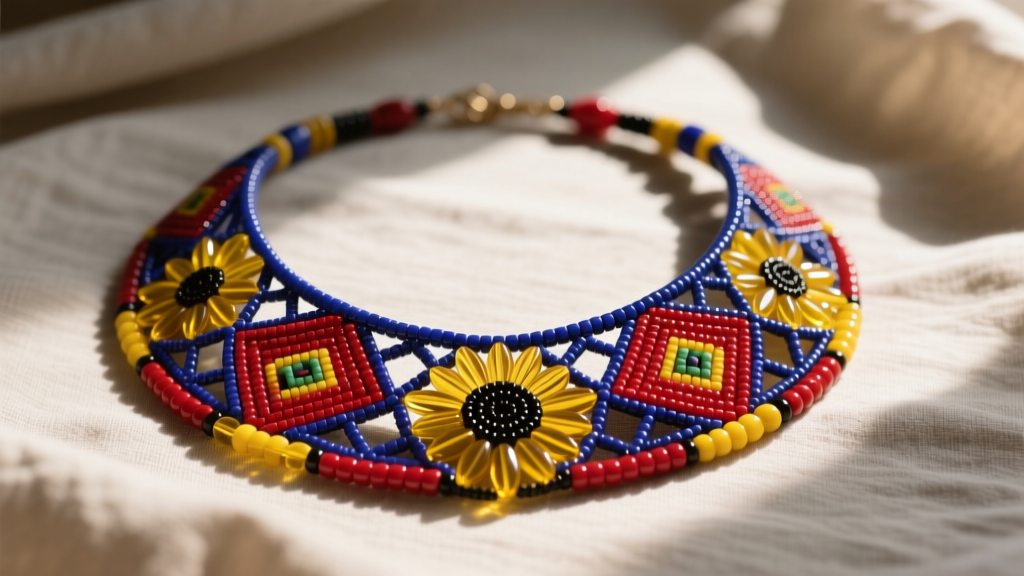
When collectors, vintage jewelry enthusiasts, and ethnographic art curators search for how to get pygmy necklace pieces, they are usually navigating a complex intersection of legacy auction catalogs, mid-century antique markets, and modern cultural sensitivities. The term itself is a relic of 19th and 20th-century anthropological cataloging. Today, acquiring these stunning, historically rich pieces of Central African beadwork requires a deep understanding of ethnographic history, material authentication, and strict ethical sourcing guidelines.
This comprehensive guide will walk you through the origins of these remarkable necklaces, the specific materials used by Central African forager societies, and the exact steps you need to take to acquire authentic pieces without supporting exploitative trade or illegal wildlife markets.
The Legacy Search Term vs. Modern Ethnographic Reality
To understand the market, we must first address the terminology. The word 'pygmy' is an exonym—a term applied by outsiders—and is widely considered pejorative and outdated in modern anthropology. The peoples historically grouped under this label are distinct ethnolinguistic groups, primarily the Mbuti, Baka, Twa, and Aka, who inhabit the Congo Basin rainforests. When you type 'how to get pygmy necklace' into a search engine, you are actually looking for traditional Central African forager beadwork, netted collars, and ceremonial wire jewelry.
The UNESCO Intangible Cultural Heritage framework emphasizes the importance of respecting the specific cultural origins of artisanal crafts. Authentic necklaces from these cultures are not merely 'tribal accessories'; they are complex textiles and metalworks that denote social status, marital availability, and spiritual protection. Recognizing the specific tribe—such as a Mbuti netted bead collar versus a Baka brass wire choker—is the first step in becoming an informed and ethical collector.
Deconstructing the Anatomy of Central African Beadwork
Before attempting to purchase, you must be able to authenticate the materials. Traditional Central African necklaces are masterclasses in upcycling and trade integration. Here are the primary components you will encounter:
- Venetian and Czech Trade Beads: European glass trade beads flooded the Congo Basin in the late 19th and early 20th centuries. Mbuti women masterfully integrated tiny Czech glass seed beads and larger Venetian chevron beads into intricate, netted geometric collars. Authentic vintage beads will show micro-abrasions and a distinct 'greasy' luster that modern plastic or mass-produced glass cannot replicate.
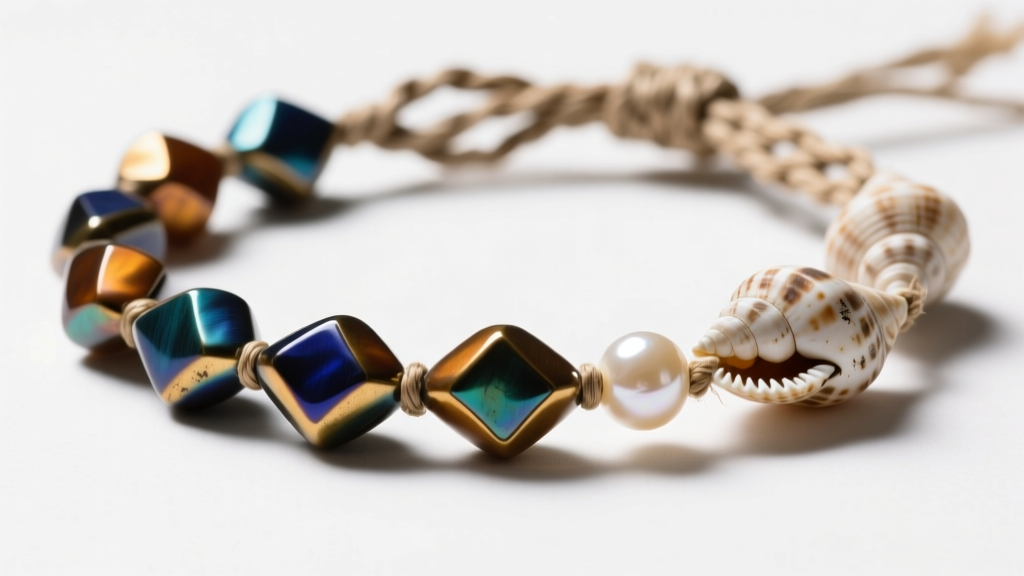
- Cowrie Shells (Monetaria moneta): Historically used as currency across Africa, cowrie shells are frequently woven into the fringe of ceremonial necklaces. Authentic vintage cowries will have a yellowed, chalky patina, whereas modern farmed shells are often stark white and uniformly sized.
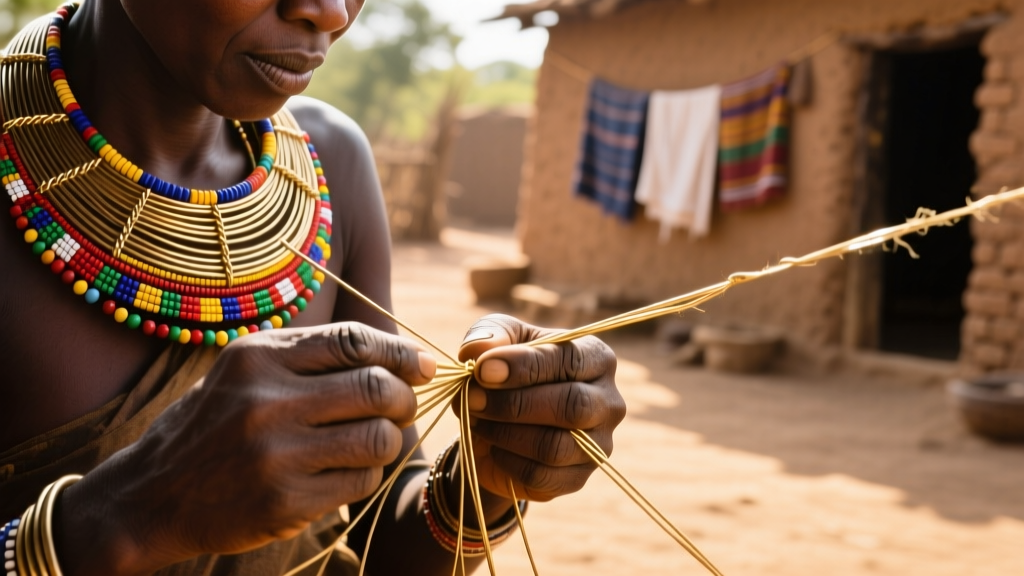
- Brass and Copper Wire: Baka and Aka artisans are renowned for their wire-wrapping techniques. They weave thin gauges of brass, copper, and sometimes aluminum into stiff, structural chokers and torque-style necklaces, often incorporating natural seeds or bone beads.
- Organic Backing: Many vintage Mbuti netted necklaces are backed with tapa (beaten bark cloth) or woven palm fibers to give the heavy glass beadwork structural integrity against the skin.
Step-by-Step Guide to Ethical Sourcing
Sourcing these artifacts requires diligence. The market is flooded with modern, mass-produced 'tribal-style' costume jewelry falsely marketed as authentic Central African antiquities. Follow this framework to ensure you are acquiring genuine, ethically sourced pieces.
Step 1: Target Specialized Ethnographic Dealers
Avoid generalist antique malls or unverified online marketplaces. Instead, seek out dealers affiliated with organizations like the Smithsonian National Museum of African Art network or established tribal art auction houses (e.g., Sotheby's African and Oceanic Art departments, or specialized galleries in Paris and Brussels). These dealers provide provenance documentation tracing the piece back to mid-20th-century field collections.
Step 2: Verify Provenance and Age
Ask the seller for the collection history. A genuine vintage Mbuti netted collar (circa 1920–1960) should have a documented history of export, often tied to Belgian or French colonial-era collectors. Look for old inventory tags, museum deaccession numbers, or references in ethnographic literature.
Step 3: Screen for CITES-Restricted Materials
This is the most critical legal step. Many vintage Central African necklaces incorporate animal-derived elements. Under the CITES (Convention on International Trade in Endangered Species) regulations, trading items containing elephant ivory, leopard teeth, or certain tortoise shells is strictly prohibited without specialized pre-1947 antique passports. If a seller cannot provide CITES exemption documentation for a necklace featuring carved ivory or large predator teeth, walk away. You risk severe federal fines and the confiscation of the piece.
Step 4: Support Modern Fair-Trade Cooperatives
If you prefer new pieces over vintage artifacts, seek out fair-trade cooperatives operating in Cameroon and the Democratic Republic of Congo. These organizations pay Baka and Mbuti artisans directly for contemporary brass wirework and seed bead jewelry, ensuring economic empowerment rather than historical exploitation.
Valuation and Pricing Matrix
Understanding the market value helps you avoid overpaying for modern reproductions or underestimating rare museum-quality artifacts. Below is a current market valuation guide for authentic pieces.
| Piece Type | Era / Origin | Primary Materials | Estimated Price Range (USD) |
|---|---|---|---|
| Mbuti Netted Collar | 1920s–1950s (DRC) | Venetian glass, bark cloth, plant fiber | $600 – $1,800+ |
| Baka Wire Torque | Contemporary Fair-Trade | Brass wire, aluminum, natural seeds | $45 – $150 |
| Ceremonial Cowrie Choker | Mid-Century Vintage | Aged cowrie shells, woven rattan | $250 – $500 |
| Chief's Status Necklace | Pre-1940 Antique | Copper manillas, leopard teeth (CITES req.) | $2,500 – $5,000+ |
Caring for Organic and Vintage Trade Beads
Once you have successfully sourced your necklace, proper preservation is vital. Central African beadwork often combines fragile organic fibers with heavy glass and metal, creating unique conservation challenges.
Curator's Note: Never submerge vintage netted beadwork in water. The plant fibers or bark cloth backings will absorb moisture, leading to rapid mildew growth and the eventual snapping of the structural threads.
- Humidity Control: Store your necklaces flat in an acid-free archival box with silica gel packets to maintain a relative humidity of around 45-50%. This prevents the copper and brass elements from developing destructive verdigris (green corrosion).
- Cleaning Glass Beads: Use a dry, soft-bristled makeup brush to gently dust between the tightly woven seed beads. If the glass beads are exceptionally grimy, lightly dampen a cotton swab with distilled water and carefully wipe individual beads, avoiding the stringing material entirely.
- Metal Patina: Do not use commercial brass or copper polish on vintage wirework. The dark, oxidized patina is a crucial indicator of age and authenticity. Polishing it to a bright shine will instantly destroy its historical value and ethnographic integrity.
Styling with Respect and Intention
Wearing ethnographic jewelry requires a thoughtful approach. These pieces are deeply tied to the spiritual and social fabric of Central African forager societies. When styling a vintage Mbuti netted collar, treat it as you would a piece of high-end wearable art or a museum artifact. Pair it with minimalist, solid-colored garments—such as a structured linen blazer or a simple silk slip dress—allowing the intricate geometric beadwork to serve as the undeniable focal point.
By understanding the true history behind the legacy search term 'how to get pygmy necklace,' you transition from a mere consumer to a custodian of Central African cultural heritage. Through ethical sourcing, rigorous authentication, and respectful styling, you help preserve the extraordinary artistry of the Mbuti, Baka, and Twa peoples for future generations to study and admire.


