The Ultimate Vintage Leaf Necklace Buying Guide & Style Tips
Discover how to authenticate, price, and style a vintage leaf necklace. Our expert buying guide covers eras, hallmarks, and material grades.

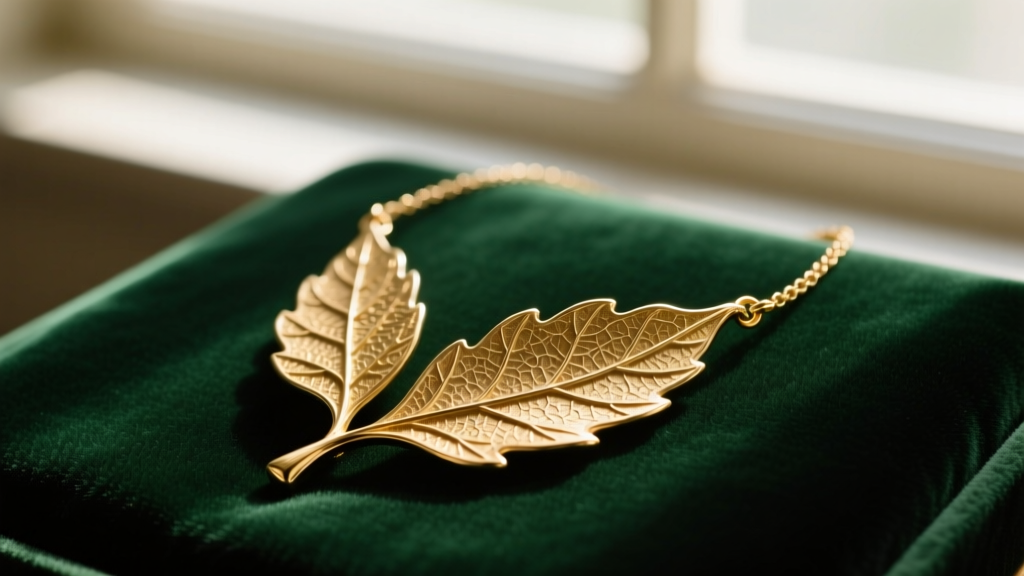
The Enduring Appeal of Botanical Jewelry
As we navigate the 2026 vintage jewelry market, botanical motifs remain highly sought after by collectors and stylists alike. Among these, the vintage leaf necklace stands out as a versatile, historically rich piece that bridges the gap between organic elegance and structured glamour. Unlike mass-produced contemporary botanical jewelry, true vintage pieces offer superior craftsmanship, historical hallmarks, and a distinct patina that cannot be artificially replicated.
However, the secondary market is flooded with vintage-inspired reproductions. This comprehensive buying guide will equip you with the exact material specifications, era-specific identifiers, and structural red flags you need to authenticate and invest in a genuine vintage leaf necklace.
Defining 'Vintage' vs. 'Antique' in the Current Market
Before evaluating specific pieces, it is crucial to understand the terminology used by reputable dealers. According to international jewelry trade standards:
- Antique: Pieces that are 100 years or older (currently encompassing the Art Nouveau and early Art Deco eras).
- Vintage: Pieces that are at least 20 to 99 years old (encompassing Mid-Century Modern, Retro, and late Art Deco designs).
- Estate: Simply refers to previously owned jewelry, regardless of age.
When searching for a vintage leaf necklace, you will predominantly encounter pieces from the 1940s through the 1980s. Understanding the specific material grades of these mid-to-late 20th-century pieces is vital for assessing value and longevity.
Era-Specific Leaf Motifs: What to Expect
The styling, texture, and metalwork of a leaf pendant or chain necklace vary drastically depending on its decade of origin. Use this comparison chart to identify the era of your prospective piece.
| Era | Design Characteristics | Common Materials | Estimated Price Range |
|---|---|---|---|
| Art Deco (1920-1939) | Geometric, stylized leaves; symmetrical veining; carved motifs. | Sterling silver, jade, onyx, marcasite. | $250 - $800 |
| Retro (1940-1950s) | Bold, 3D gold textures; realistic oak and maple leaves; chunky chains. | 14k rose/yellow gold, gold-filled brass, citrine. | $150 - $600 |
| Mid-Century (1950s-1960s) | Delicate, highly detailed veining; naturalistic curves; enamel accents. | Gold vermeil, aurora borealis rhinestones, champlevé enamel. | $85 - $300 |
| 1970s Bohemian | Elongated, slender leaves; rustic textures; nature-inspired pendants. | Sterling silver, copper, turquoise, agate. | $60 - $200 |
Decoding Clasps and Hallmarks
The most reliable way to authenticate a vintage leaf necklace is by examining the clasp and the maker's mark. Modern reproductions almost exclusively use standard lobster clasps. True vintage pieces will feature hardware specific to their manufacturing era.
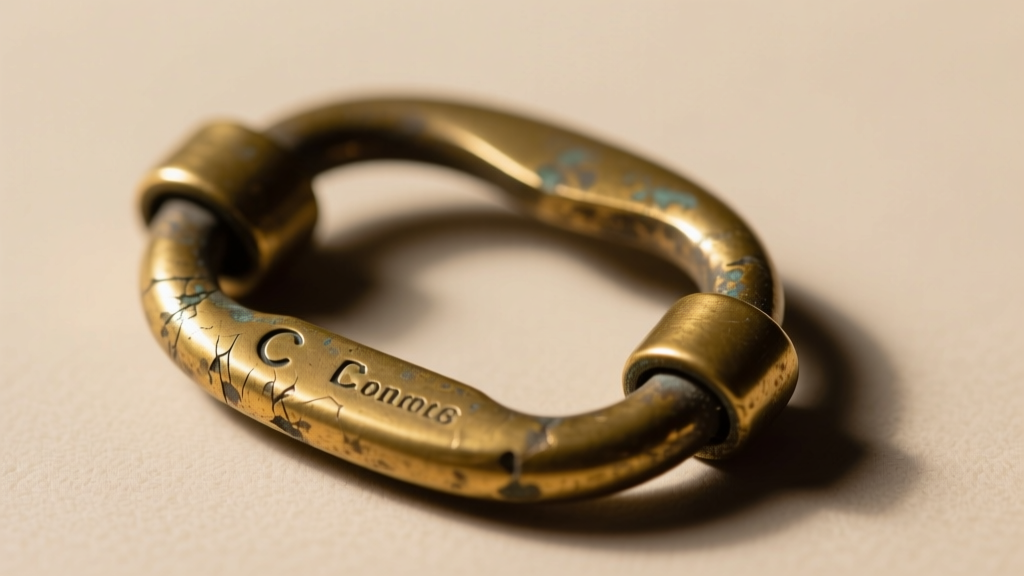
Clasp Dating Framework:
- C-Clasp: A simple 'C' shaped hook without a locking mechanism. Predominantly used before the 1930s, though some European makers used them into the 1940s.
- Early Spring Ring: Features a small, flat lever rather than a modern nub. Common in the 1930s and 1940s.
- Fold-Over Clasp: A hinged clasp that snaps shut over a loop. Highly prevalent in Mid-Century (1950s-1960s) gold-filled leaf necklaces.
- Barrel / Screw Clasp: Often found on vintage pearl and bead necklaces featuring leaf pendants from the 1950s.
For a deeper dive into clasp evolution, the Lang Antiques University provides an excellent visual database for dating vintage jewelry hardware. Always use a 10x jeweler's loupe to inspect the jump ring and clasp base for stamped hallmarks like '1/20 12K GF' (Gold-Filled) or '925' (Sterling).
Material Science: Gold-Filled vs. Vermeil vs. Enamel
When evaluating mid-century vintage leaf necklaces, you will frequently encounter gold-filled and gold vermeil finishes. Understanding the difference is critical for predicting the piece's failure modes and wearability.
Gold-Filled (The Superior Vintage Choice)
Vintage gold-filled jewelry is created by mechanically bonding a thick layer of karat gold to a brass core using heat and pressure. By US law, vintage gold-filled items must contain at least 1/20th (5%) gold by weight. A 1950s 1/20 12K gold-filled leaf necklace will retain its brilliant finish for decades, even with daily wear, because the gold layer is substantial enough to withstand mild polishing.
Gold Vermeil and Its Failure Modes
Vermeil is gold electroplated over sterling silver. While the base metal is more valuable, the electroplating process used in the 1950s and 60s resulted in a microscopic gold layer. Common Failure Mode: Vermeil from this era often suffers from 'rub-off' at high-friction areas, particularly near the clasp and the pendant bail. If you see a silver or greyish hue bleeding through the gold on the back of a leaf pendant, it is likely vintage vermeil that has lost its top layer. Avoid ultrasonic cleaners on these pieces, as the vibrations will strip the remaining plating.
The Enamel Factor
High-end vintage leaf necklaces, particularly those with Art Nouveau or Mid-Century influences, often feature botanical enameling. According to the Victoria and Albert Museum, techniques like champlevé (enamel set into carved metal troughs) and plique-à-jour (translucent enamel without a backing, resembling stained glass) were highly prized. Inspection Tip: Hold plique-à-jour enamel up to the light. If you see micro-fractures or a 'crazing' pattern (tiny spiderweb cracks), the piece has suffered thermal shock or physical trauma. Restoration of plique-à-jour is exceptionally expensive and often cost-prohibitive for mid-tier vintage pieces.
Sizing, Proportions, and Layering Techniques
A vintage leaf necklace requires careful consideration of chain length and proportion to ensure the pendant sits correctly against the neckline. Because vintage chains are often shorter than modern standards, knowing how to adapt them is key.

Optimal Chain Lengths for Leaf Pendants
- Choker (14-15 inches): Best for small, delicate Art Deco jade leaf pendants. Sits tightly at the base of the neck.
- Princess (16-18 inches): The most versatile length. Ideal for Mid-Century gold oak or maple leaves, allowing the pendant to rest perfectly on the collarbone.
- Matinee (20-24 inches): Rare to find in original vintage chains. If your vintage pendant is heavy (e.g., solid Retro gold), you may need to have a jeweler sympathetically add a vintage-matching extension chain to achieve this length for modern layering.
The 2026 Layering Protocol
To style a vintage leaf necklace today without looking costumey, employ the 'Texture Contrast' rule. Pair a highly textured, matte-finish 1940s gold leaf pendant with a sleek, high-polish modern snake chain or a delicate freshwater pearl strand. This juxtaposition highlights the antique patina of the leaf while grounding the look in contemporary elegance.
Where to Source and Authentication Red Flags
When sourcing a vintage leaf necklace, prioritize platforms that enforce strict return policies and authentication guarantees. 1stDibs and Ruby Lane are excellent for vetted, high-end antique and vintage botanical pieces. Etsy offers the widest selection, but requires a sharper eye for spotting reproductions.
Red Flag Warning: If a listing describes a piece as 'Vintage Style' or 'Antique Finish,' it is a modern reproduction. Furthermore, if a supposedly 1950s gold leaf necklace features a modern, laser-engraved '925' stamp alongside a lobster clasp, it is likely a contemporary import artificially aged to mimic vintage patina.
Final Buying Checklist
Before finalizing your purchase, run the piece through this expert checklist:
- Inspect the Bail: Ensure the loop connecting the leaf to the chain is not worn thin from decades of friction.
- Verify the Clasp: Confirm the clasp style aligns with the purported decade of the piece.
- Check for Lead: Some mid-century costume jewelry utilized lead-heavy solders. If buying from an unvetted estate sale, use a lead-testing swab on the clasp and jump rings before wearing against the skin.
- Assess the Patina: Do not aggressively polish a vintage leaf necklace. The dark oxidation in the recessed veins of the leaf is what gives the piece its three-dimensional depth and historical authenticity.
By focusing on material integrity, historical accuracy, and structural soundness, you can secure a vintage leaf necklace that is not only a beautiful botanical tribute but also a lasting, wearable asset.


