DIY Bandana Necklace Care: Cleaning Fabric and Metal Hardware
Learn how to properly clean, maintain, and store your DIY bandana necklace. Expert tips for washing cotton fabrics and polishing metal hardware.

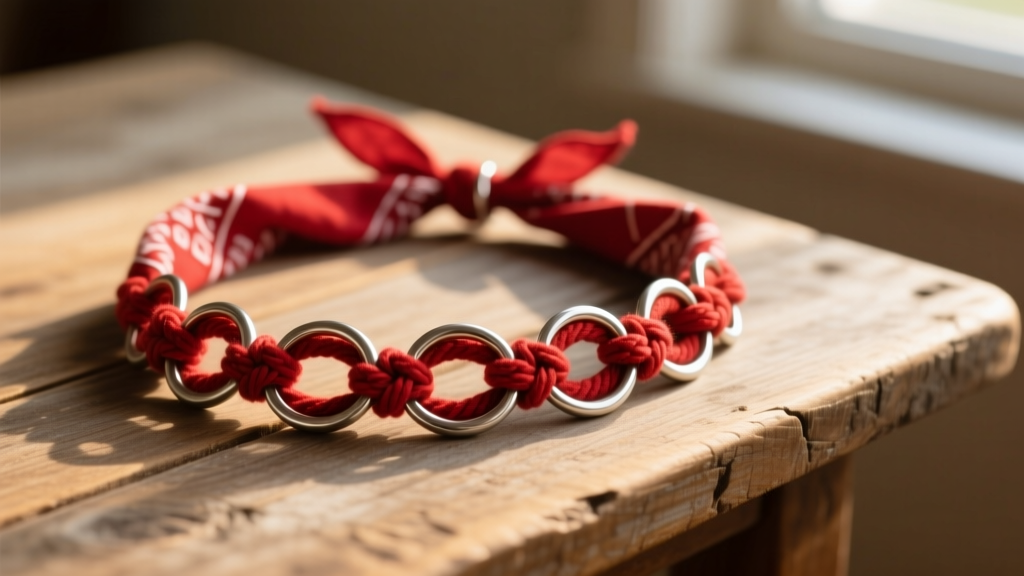
The DIY bandana necklace has evolved from a simple festival accessory into a staple of mixed-media jewelry design. By combining the rugged, breathable texture of cotton or poly-blend bandanas with structured metal hardware like jump rings, clasps, and crimp beads, crafters create pieces that are both durable and deeply personal. However, this fusion of textile and metal presents unique maintenance challenges. Fabric absorbs sweat, sebum, and environmental pollutants, while metal hardware is susceptible to oxidation, tarnish, and rust. Understanding how to care for both materials without damaging either is essential for extending the lifespan of your jewelry.
The Anatomy of a DIY Bandana Necklace: Material Vulnerabilities
Before applying any cleaning solutions, you must identify the specific materials used in your piece. The care protocol for a 100% cotton bandana differs vastly from that of a polyester-cotton blend. Pure cotton is highly absorbent and prone to shrinking if exposed to heat, and traditional indigo or red reactive dyes can bleed easily when wet. Poly-blends, on the other hand, are more colorfast and resistant to wrinkling but can melt or warp under high heat.
Equally important is the metal hardware. Mass-produced DIY kits often use zinc alloy or plated base metals for jump rings and lobster clasps. These materials are highly reactive to moisture and the natural acidity of human skin (which typically ranges from a pH of 4.7 to 5.75). When zinc alloy oxidizes, it leaves a stubborn black or greenish residue that can permanently stain the porous cotton fibers of the bandana. Upgrading your hardware to 316L stainless steel or sterling silver during the assembly phase is the best preventative measure, as these metals resist corrosion and will not bleed onto the fabric.
Routine Maintenance: Preventing Sweat, Sebum, and Dye Transfer
Preventative care is always less abrasive than deep cleaning. Because bandana necklaces sit directly against the pulse points of the neck, they are constantly exposed to perspiration and skincare products. Sunscreen, self-tanners, and heavy lotions can degrade cotton fibers and accelerate the tarnishing of metal components.
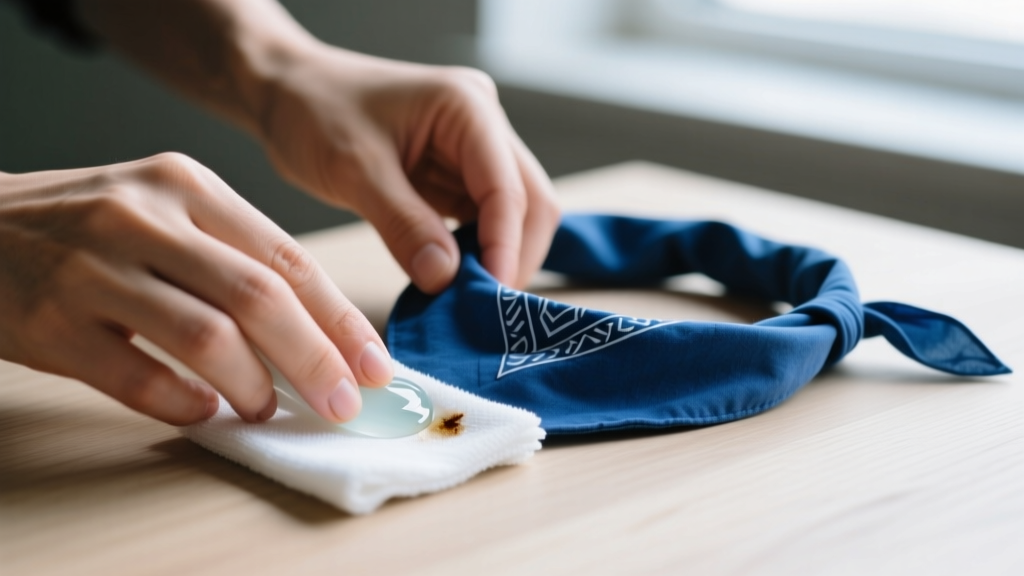
To minimize buildup, wipe down the metal hardware with a dry, lint-free microfiber cloth immediately after wearing. For the fabric portion, allow the necklace to air out in a well-ventilated area before storing it; trapping moisture against the cotton encourages mildew growth and weakens the textile's tensile strength over time. If you notice the bandana's dye transferring to your skin or lighter clothing, it indicates that the fabric was not properly pre-washed or heat-set before assembly. In this case, a cold-water rinse with a half-cup of distilled white vinegar can help lock in the remaining reactive dyes.
Step-by-Step Cleaning Guide for Mixed-Media Jewelry
When your DIY bandana necklace requires a thorough cleaning, avoid the washing machine and harsh chemical dips. The agitation of a machine can snap the delicate wire connections at the clasp, while chemical silver dips will strip the dye from the surrounding fabric.
Spot Cleaning the Cotton or Poly-Blend
For localized stains (such as makeup or food splatters), use a pH-neutral detergent like Woolite or a mild dish soap diluted in cold water. Dip a soft-bristled toothbrush or a cotton swab into the solution and gently dab the stained area. Never rub aggressively, as this will cause the cotton fibers to pill and fray. Blot the area with a damp cloth to remove the soap residue, then press between two paper towels to extract excess moisture.
Deep Cleaning (The Submersion Method)
If the entire necklace has absorbed odors or heavy sebum, submersion is necessary. Fill a basin with cold water and add a few drops of gentle textile detergent. Submerge the necklace for no more than five minutes. Gently massage the fabric with your fingers, avoiding the metal connection points. Rinse thoroughly under cold running water until the water runs clear. According to the Library of Congress textile conservation guidelines, avoiding prolonged soaking prevents dye migration and fiber degradation in historic and delicate textiles, a principle that applies directly to cotton bandanas.
Polishing and Drying the Metal Hardware
While the fabric is still damp, use a dry microfiber cloth to thoroughly dry the metal jump rings, crimp beads, and clasps. If the hardware is sterling silver and has begun to tarnish, use a specialized silver polishing cloth (impregnated with anti-tarnish agents) to buff the metal. Be incredibly careful not to let the polishing cloth touch the damp cotton, as the chemical compounds in the cloth can stain the fabric. Lay the necklace flat on a dry towel, reshaping the fabric to its original dimensions, and allow it to air dry away from direct sunlight or heat sources.
Material-Specific Cleaning Agents: Compatibility Chart
Using the wrong chemical agent can ruin both the textile and the metal. Refer to the table below to ensure you are using safe cleaning compounds for your specific DIY bandana necklace materials.
| Cleaning Agent | Cotton / Poly Fabric | Zinc Alloy / Base Metal | Sterling Silver / Steel |
|---|---|---|---|
| Mild Dish Soap (Diluted) | Safe (Cold Water) | Safe | Safe |
| Chlorine Bleach | Avoid (Strips Dye, Weakens Fibers) | Avoid (Causes Rapid Corrosion) | Avoid |
| Distilled White Vinegar | Safe (For Setting Dye) | Safe (Removes Light Rust) | Avoid (Can Pit Silver) |
| Commercial Silver Dip | Avoid (Causes Permanent Staining) | Avoid (Strips Plating) | Safe (Hardware Only) |
| Baking Soda Paste | Avoid (Abrasive to Fibers) | Safe (For Heavy Tarnish) | Safe (Rinse Thoroughly) |
Proper Storage to Prevent Tarnish, Mildew, and Fraying
How you store your DIY bandana necklace when it is not being worn is just as critical as how you clean it. Hanging the necklace on a wire hook or a standard jewelry stand places continuous tension on the fabric and the metal crimp beads. Over time, this gravity-induced stress will cause the cotton to stretch and the wire connections to weaken, eventually leading to a snapped necklace.
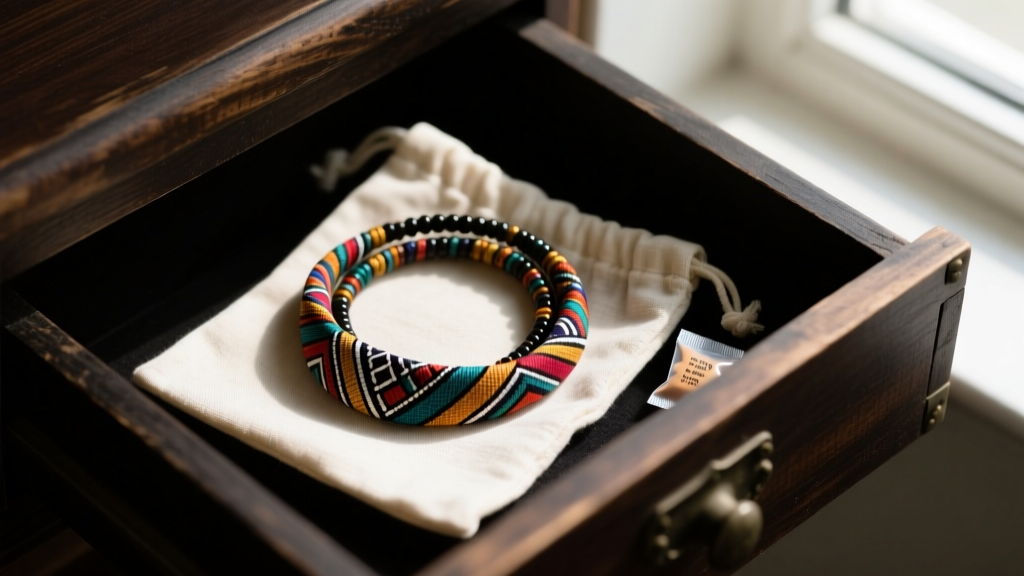
Instead, loosely coil the necklace and place it in a breathable cotton or muslin pouch. Avoid sealed plastic ziplock bags, as they trap ambient humidity and accelerate the oxidation of base metals while promoting mildew on the cotton. To create an optimal microclimate inside the pouch, include a small silica gel desiccant packet to absorb moisture, and an anti-tarnish strip (such as 3M Anti-Tarnish Tabs) to neutralize sulfur compounds in the air that cause silver and copper to blacken. Store the pouch in a cool, dark drawer away from direct sunlight, which can cause the bandana's vibrant dyes to fade prematurely.
Troubleshooting Common DIY Bandana Necklace Issues
Even with meticulous care, mixed-media jewelry will eventually show signs of wear. Here is how to address the most common failure modes associated with DIY bandana necklaces, drawing on best practices recommended by the Jewelers of America for metal maintenance.
Rust Stains on the Fabric
If a zinc alloy jump ring has rusted and bled onto the cotton bandana, act quickly. Do not use commercial rust removers, as they contain harsh acids that will destroy the cotton. Instead, apply a few drops of fresh lemon juice to the rust spot and sprinkle it lightly with salt. Let it sit in indirect sunlight for 30 minutes, then rinse with cold water. If the stain persists, the hardware must be replaced, and the fabric may need to be strategically patched or dyed.
Frayed Edges and Loose Crimp Beads
The friction between the metal wire and the woven cotton often causes the fabric to fray near the clasp. To stabilize frayed edges, apply a microscopic drop of clear, flexible fabric glue (like Jewel-It or a flexible cyanoacrylate) to the threads. If the crimp bead holding the metal clasp has loosened, do not attempt to re-crimp it over the damaged fabric. Cut the wire, slide a new metal wire guardian (French wire) over the bandana edge to protect the textile from abrasion, and attach a fresh crimp bead and clasp using 316L stainless steel components.
Stiff Fabric After Washing
Cotton bandanas can become stiff and board-like after air drying, especially if hard water minerals are left in the fibers. To restore the fabric's drape and softness without using chemical fabric softeners (which can degrade metal finishes), gently massage the dry cotton between your hands. This mechanical action breaks up the stiffened fibers and restores the bandana's natural flexibility, ensuring your necklace remains comfortable against the skin.


