Sofia the First Necklace: Repair, Replica & Styling Guide
Troubleshoot your Sofia the First necklace with our expert repair guide. Learn to fix broken chains, upgrade gems, and style the Amulet of Avalor.

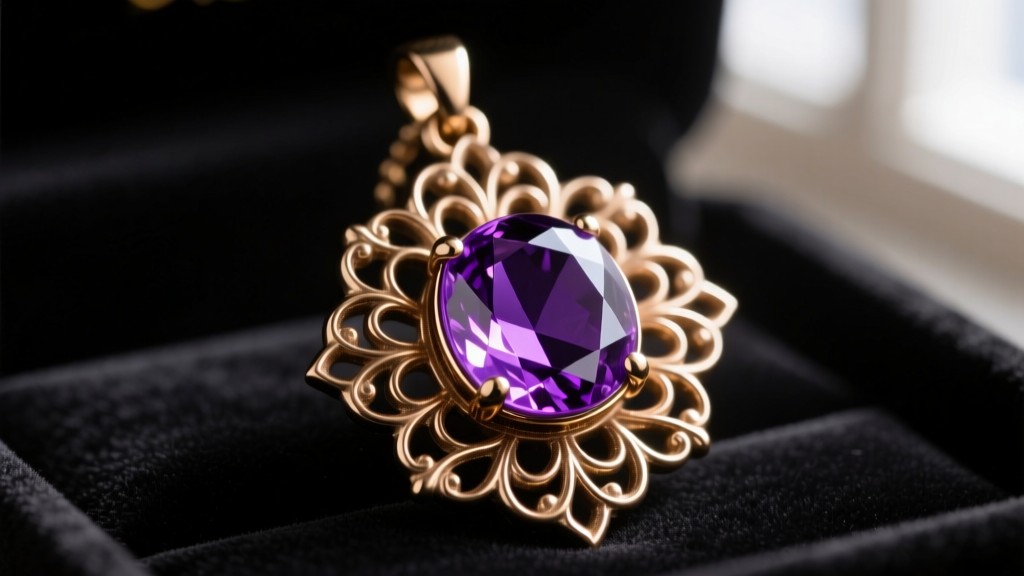
The Amulet of Avalor: Beyond the Toy Box
Since its debut, the Sofia the First necklace—iconically known as the Amulet of Avalor—has captivated fans of all ages. While the official Disney Store merchandise is perfectly suited for toddlers and young children, adult collectors, cosplayers, and nostalgic fans often run into significant structural and aesthetic issues when trying to wear these pieces in real life. The mass-produced toy versions are typically crafted from injection-molded plastics, zinc alloys, and acrylics that degrade quickly with daily wear.
As of 2026, a massive community of adult fans and replica jewelers has emerged to solve these exact problems. Whether you are dealing with a chain that turns your skin green, an acrylic gemstone that has become cloudy from scratches, or a broken pendant bail, this comprehensive troubleshooting guide will help you restore, upgrade, and properly style your Sofia the First necklace for adult wear.
Diagnosing Common Amulet and Chain Failures
Before attempting any repairs, it is crucial to identify the exact material composition of your current necklace. Most official toy versions use pot metal (zinc alloy) with a thin gold-colored plating, which is highly susceptible to moisture and skin oils. Below is a diagnostic framework for the most common failures associated with character merchandise jewelry.
| Component | Common Failure Mode | Root Cause | Expert Upgrade Solution |
|---|---|---|---|
| Chain | Tarnishing, snapping, or causing contact dermatitis (green skin) | Base metal alloys containing nickel or copper; ultra-thin gauge wire | Replace with a 1.2mm 316L surgical stainless steel or 925 sterling silver cable chain |
| Pendant Bail | Warping, snapping at the loop, or solder failure | Soft die-cast zinc alloy; weak adhesive bonding to the plastic amulet | Install a cast brass or sterling silver soldered bail using two-part epoxy |
| Center Gem | Deep scratching, clouding, or falling out of the setting | Acrylic or low-grade resin (Mohs hardness 2-3) | Custom-cut lab-created amethyst (Mohs 7) or high-grade cubic zirconia |
| Enamel/Paint | Chipping on the floral vine details | Surface-level acrylic paint lacking a protective clear coat | Touch up with UV-curing jewelry resin and metallic mica powders |
Solving the "Green Skin" Allergy and Tarnish Problem
The most frequent complaint among older fans wearing the Sofia the First necklace is the dreaded green or black ring left around the neck. This is not a sign of a toxic metal, but rather a chemical reaction between the copper or nickel in the base alloy and the natural acids in your sweat. According to the Federal Trade Commission's Jewelry Guides, base metals must be properly plated or alloyed to prevent these reactions, a standard rarely met in the toy aisle.
Step-by-Step Chain and Bail Replacement
To permanently solve this, you must separate the amulet from the factory chain and re-hang it on a hypoallergenic alternative. Here is the professional method for upgrading the hardware:
- Required Tools: Flush cutters, chain-nose pliers, a 5mm 20-gauge sterling silver jump ring, and a high-quality 18-inch 925 sterling silver or 316L stainless steel cable chain.
- Step 1: Use the flush cutters to carefully snip the factory chain as close to the pendant bail as possible. If the bail is molded directly into the plastic, you will need to carefully drill a 1.5mm hole through the top floral loop using a micro hand-drill.
- Step 2: Thread the 5mm jump ring through the newly drilled hole or the existing metal bail.
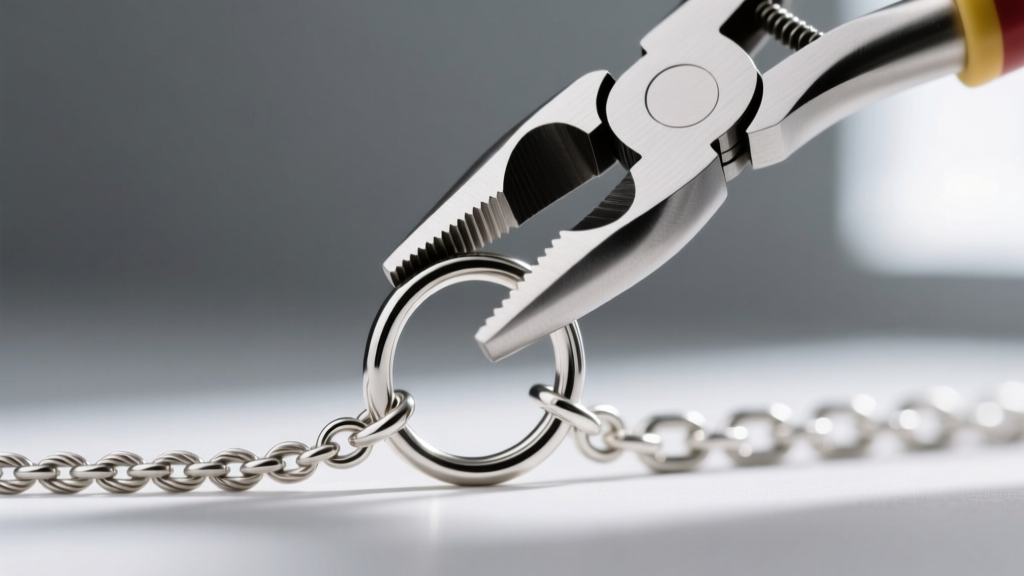
- Step 3: Using your chain-nose pliers, twist the jump ring open laterally (never pull it apart like a C-shape, which weakens the metal), slide on your new premium chain, and twist it shut until the ends click flush together.
Restoring the Amulet: Gemstone and Enamel Repair
The centerpiece of the Sofia the First necklace is the iconic purple gemstone. In official merchandise, this is almost always a stamped piece of acrylic. Acrylic is incredibly soft, meaning it will accumulate micro-scratches from clothing friction within weeks, leading to a cloudy, dull appearance.
Upgrading to Lab-Created Amethyst
For a truly heirloom-quality replica, many custom jewelers are now swapping the acrylic for lab-created amethyst. The Gemological Institute of America (GIA) notes that amethyst ranks at a 7 on the Mohs scale of hardness, making it highly resistant to everyday scratching and perfect for pendant wear. If you are commissioning a replica or modifying a high-end 3D-printed metal cast, request a bezel setting designed for a 15x15mm pear or teardrop-cut lab amethyst. This not only solves the clouding issue but gives the amulet a deep, refractive brilliance that plastic simply cannot replicate.
Fixing Chipped Floral Enamel
The golden floral vines wrapping around the amulet are prone to chipping. Instead of using standard nail polish or craft paint—which will peel and yellow over time—use a UV-curing jewelry resin. Mix a tiny amount of gold metallic mica powder into clear UV resin. Using a fine-tipped toothpick, carefully fill the chipped grooves on the amulet. Cure the resin under a 36W UV nail lamp for 60 seconds. This creates a hard, glass-like fill that is completely waterproof and will not rub off against your skin.
Sizing and Layering for Adult Cosplay and Everyday Wear
One of the biggest styling hurdles is wearing the Sofia the First necklace without it looking like a children's costume. The key to integrating character jewelry into an adult wardrobe is proportion and layering. The Amulet of Avalor is relatively large and ornate; wearing it alone on a thin chain can make it look disconnected from your outfit.
The Layering Framework
To ground the piece and make it look like an intentional fashion choice, utilize the "Rule of Three" layering technique:
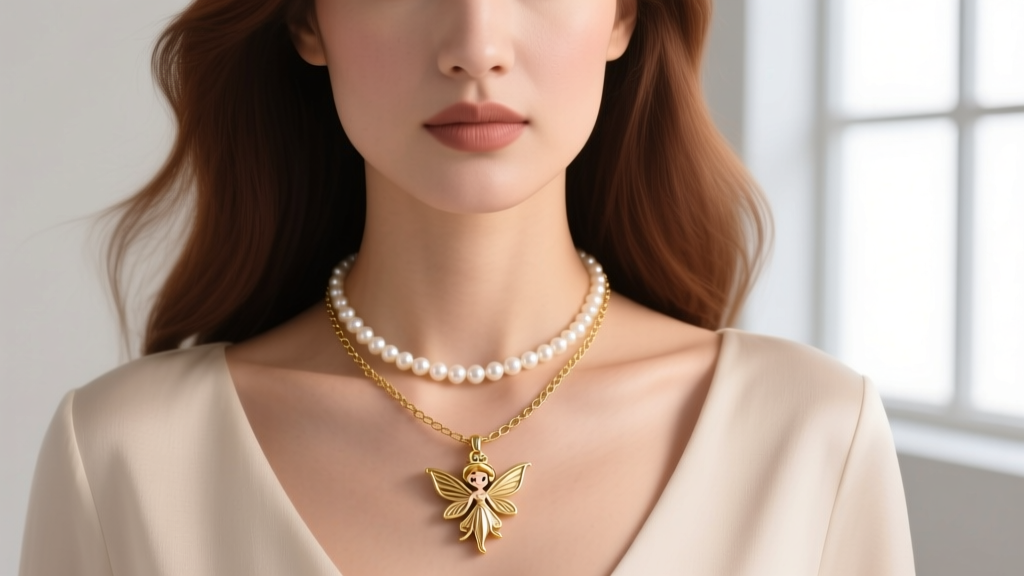
- The Base Layer (14-16 inches): Start with a delicate freshwater pearl choker or a simple 14k gold-filled snake chain. This draws the eye to the collarbone and provides a visual anchor.
- The Focal Point (18-20 inches): Hang your upgraded Sofia the First necklace on a slightly heavier 1.5mm rope chain at 20 inches. This allows the amulet to rest perfectly on the sternum, mimicking the character's silhouette but with mature proportions.
- The Texture Layer (22-24 inches): Finish with a long, minimalist satellite chain featuring tiny labradorite or moonstone beads. This elongates the torso and bridges the gap between the statement piece and your clothing neckline.
Neckline Pairings
The ornate, nature-inspired gold detailing of the amulet pairs exceptionally well with square necklines, deep V-necks, and structured blazers. Avoid wearing it over busy, patterned fabrics or high turtlenecks, as the intricate floral details will get lost in the visual noise. For a subtle, everyday office look, consider having a jeweler scale down the amulet design by 30% and cast it in solid 14k yellow gold, transforming it into a delicate nod to the franchise rather than a direct cosplay piece.
Commissioning a Custom Heirloom Version
If your current plastic necklace is beyond repair, or you simply want a piece that will last a lifetime, commissioning a custom replica is the best route. When sourcing a jeweler on platforms like Etsy or through specialized cosplay forums, be highly specific about your material requirements.
Pricing Expectations (2026 Market Rates):
- 3D-Printed Resin (Painted): $40 - $80 (Good for lightweight cosplay, poor for daily wear)
- Cast Sterling Silver with CZ: $150 - $250 (Excellent for daily wear, hypoallergenic)
- Solid 14k Gold with Lab Amethyst: $600 - $1,200+ (True heirloom quality, retains intrinsic metal value)
Always ask the jeweler for CAD (Computer-Aided Design) renderings before they cast the piece. This allows you to verify the exact dimensions of the floral vines and ensure the bail is properly integrated into the metal framework, rather than glued on as an afterthought. By investing in proper metallurgy and gemology, you can transform a childhood toy into a stunning, durable piece of personal jewelry that honors the magic of the Amulet of Avalor.


